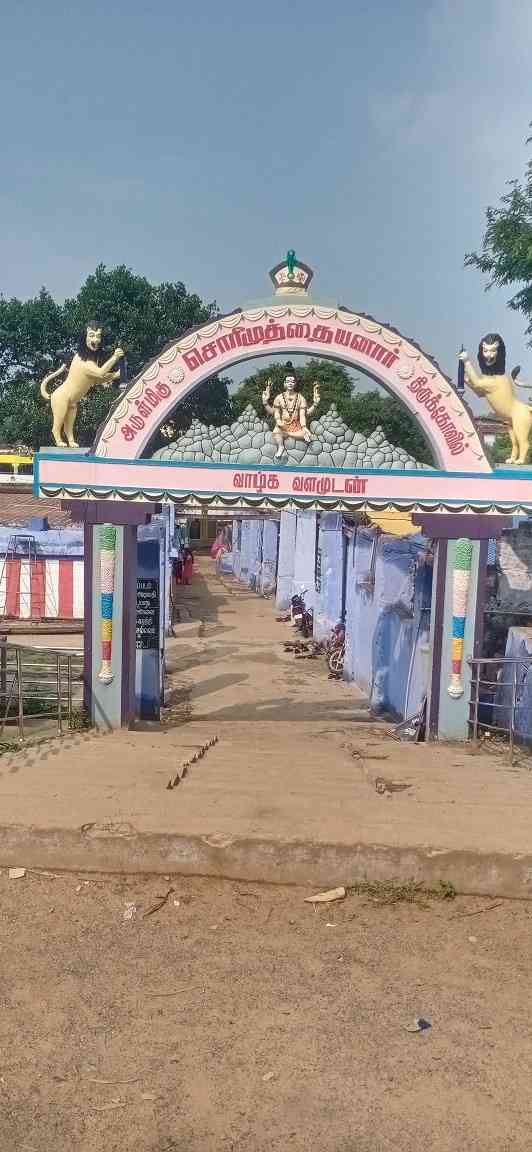
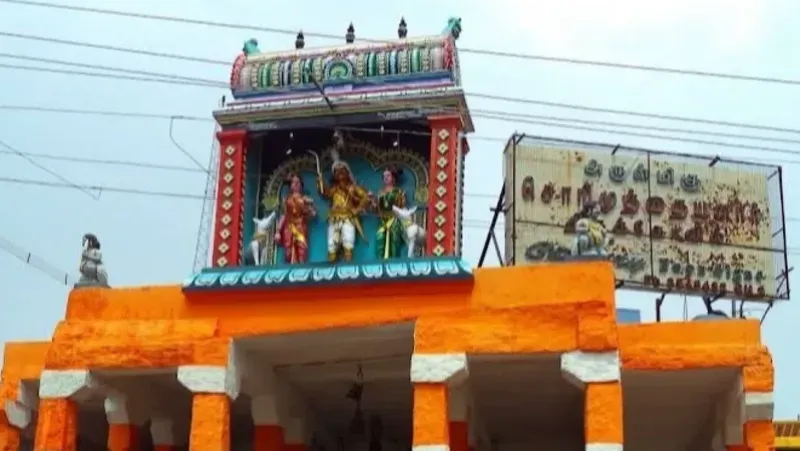
Sorimuthu Ayyanar Temple
About Sorimuthu Ayyanar Temple
The temple observes regular poojas including Kala Santhi, Uchi Kalu Puja, and Artha Sama Puja. Devotees engage in various forms of worship: archana (ritual recitation of names), abhishekam (ritual bathing of the deity), pushpa abhishekam (flower offerings), and padayal (food offerings). Lamp offerings and coconut prayers are common acts of devotion. The last Friday of each Tamil month draws particular numbers of worshippers, as do all Amavasya (new moon) days, when the temple becomes a focal point for family deity worship and vow fulfillment.
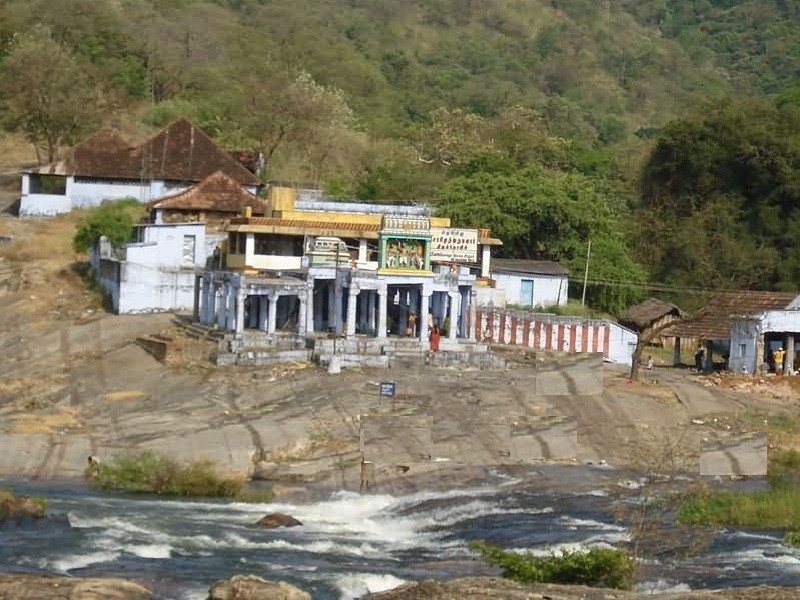
The temple's location within a reserve forest means that devotional practice here carries a distinctive character—devotees often remain for extended periods, erecting tents and bringing provisions to cook their own meals while fulfilling prayer commitments. This practice reflects the traditional intensity of Ayyanar worship, where devotees may spend days in the temple grounds as part of their spiritual observance.
Major Festivals and Amavasya Observances
Aadi Amavasai (the new moon in the Tamil month of Aadi, typically July–August) and Thai Amavasya (the new moon in Thai, typically January–February) draw the largest gatherings. An estimated 200,000 devotees visit during these festivals. Panguni Uthiram also brings significant numbers of worshippers. All Amavasya days throughout the year are observed as special occasions for worship and vow-making.
The scale of these gatherings reflects the temple's regional importance as a guardian deity shrine. Devotees plan visits well in advance, particularly for Aadi Amavasai, and the temple grounds accommodate the influx through informal camping arrangements. Morning or daytime visits are recommended, especially given the forest location and the need to navigate access routes safely.
Visiting Information and Practical Details
The temple opens at 6:00 AM and closes at 8:00 AM in the morning session. The evening session runs from 12:00 PM to 7:30 PM. Morning or daytime visits are advisable for those traveling through forest terrain. The temple is located at Singampatti, Karaiyar, Ambasamudram Circle, Tirunelveli District, approximately 12 kilometers from Papanasam and 61 kilometers from Tirunelveli city.
Visitors should confirm current darshan timings and route access before traveling, particularly during festival periods or monsoon seasons when forest conditions may affect accessibility. The nearest railway access points are Ambasamudram Railway Station and Tirunelveli Junction. Devotees typically bring flowers, coconut, and offerings for worship. Modest dress is appropriate for temple visits. Since the temple lies within a wildlife reserve, visitors should be mindful of forest regulations and local conditions.
Shrines Within the Temple Complex
Beyond the main Sorimuthu Ayyanar shrine, the temple houses several other sacred spaces. The Mahalinga Swamy shrine represents Shiva worship within the complex. Shrines dedicated to Brahma Rakshasai Amman, Thalavai Madaswamy, and Pattavarayan provide additional focal points for devotion. This multiplicity of shrines is characteristic of family deity temples, which often serve as centers for broader community and household worship rather than single-deity sanctuaries. Each shrine may receive separate offerings and prayers according to devotional custom.
Reaching the Temple
The temple's forest location requires planning. From Tirunelveli city, the journey covers approximately 61 kilometers. Papanasam, 12 kilometers away, serves as a reference point for navigation. The route passes through or near the Kalakadu Mundanthurai Tiger Reserve, so travelers should confirm current access conditions, particularly during monsoon periods or if wildlife-related restrictions are in effect. Local transport options and current road conditions should be verified before departure, especially for those planning to visit during major festivals when roads may experience congestion from pilgrim traffic.
How to reach
You may also visit
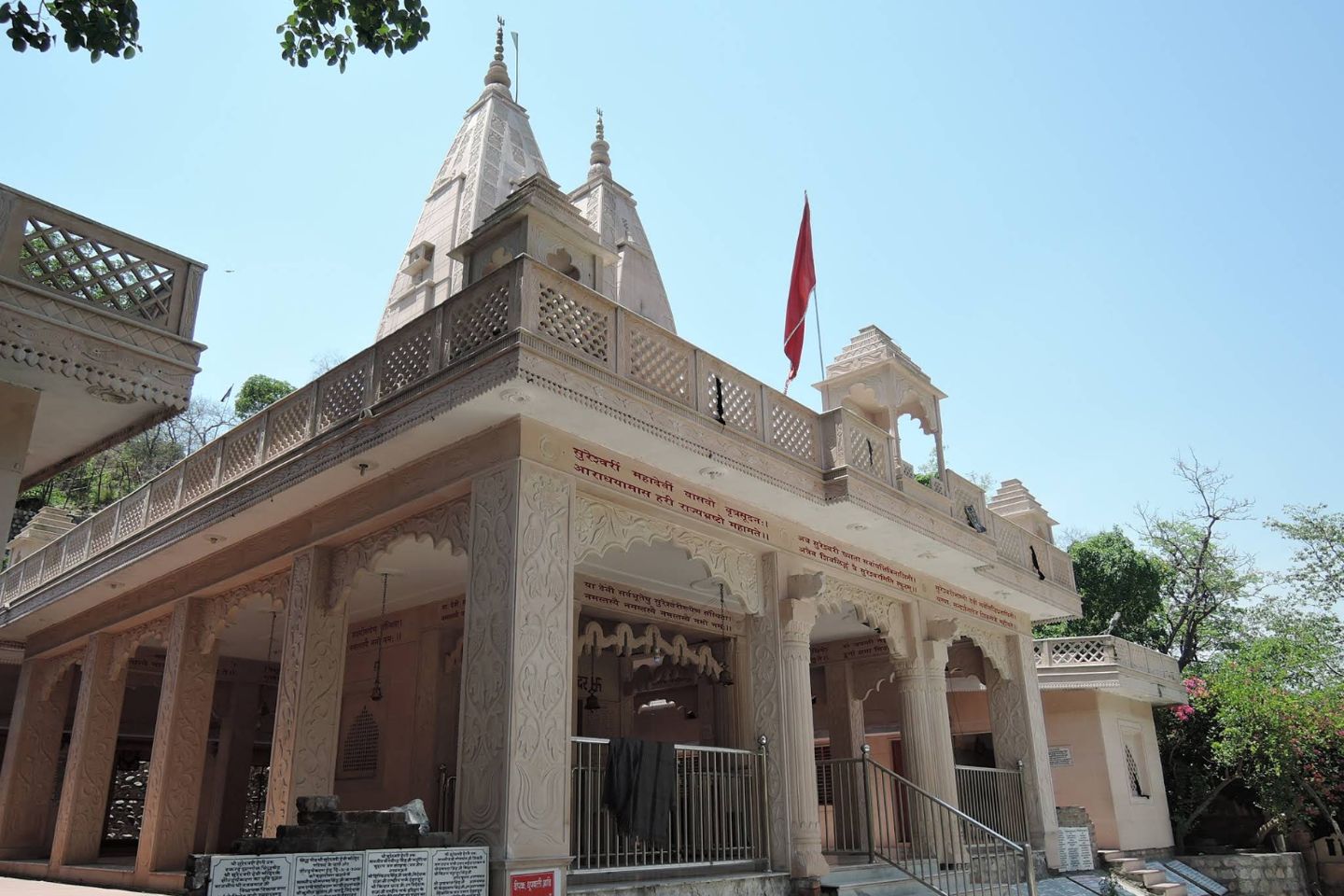
Sureshwari Devi Temple
Sureshwari Devi Temple in Haridwar is a forest shrine dedicated to the goddess, situated within the Ranipur Range area near Rajaji National Park, offering a secluded spiritual e…
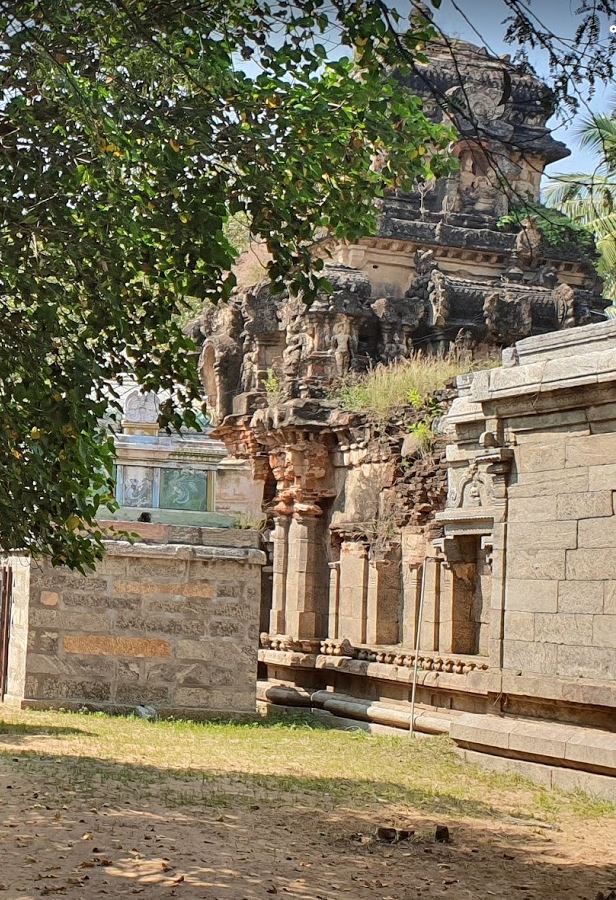
Agatheeswarar Temple, Karur
Agatheeswarar Temple in Thirumukkudalur, Karur district, is an ancient Hindu shrine dedicated to Shiva, situated at the sacred confluence of three rivers and believed to be over…

Shani Shingnapur
Shani Shingnapur is a renowned temple in Maharashtra dedicated to Lord Shani, featuring a self-emerged black stone idol worshipped under open sky. The temple is located in a uni…
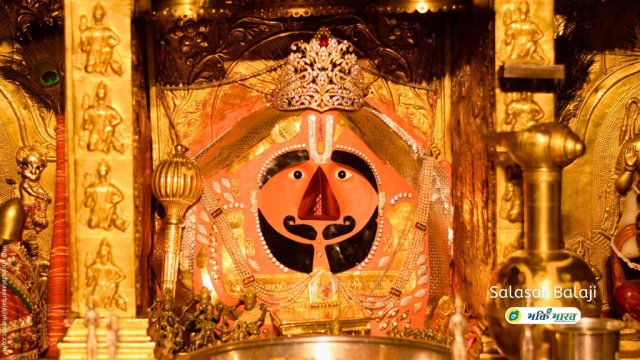
Salasar Balaji Temple
Salasar Balaji Temple in Churu district, Rajasthan, is a revered shrine dedicated to Lord Hanuman, distinguished by its unique depiction of the deity with a round face, beard, a…
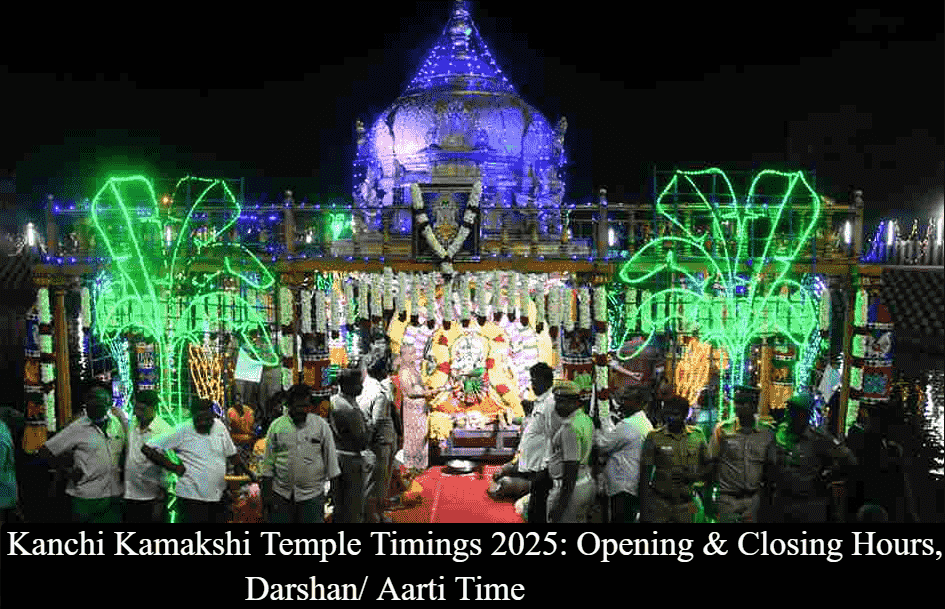
Kamaksha
Arulmigu Kamakshi Amman Temple in Mangadu, near Chennai, is dedicated to the goddess Kamakshi, an aspect of Adi Parashakti. According to legend, the goddess performed austeritie…
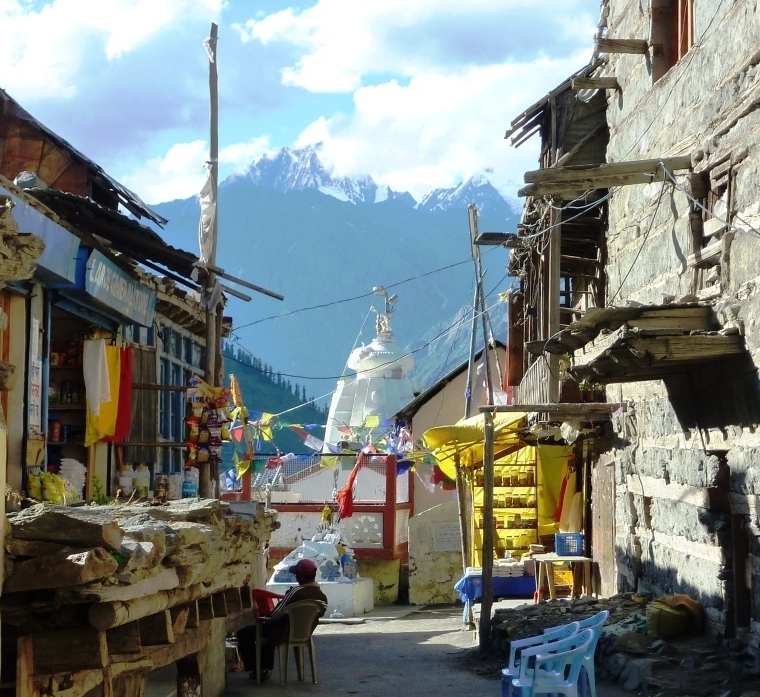
Trilokinath Temple at Tunde
The Trilokinath Temple in Tunde is an ancient shrine venerated by both Hindus and Buddhists, situated at 2,760 metres in the Lahul and Spiti District of Himachal Pradesh. Hindus…