

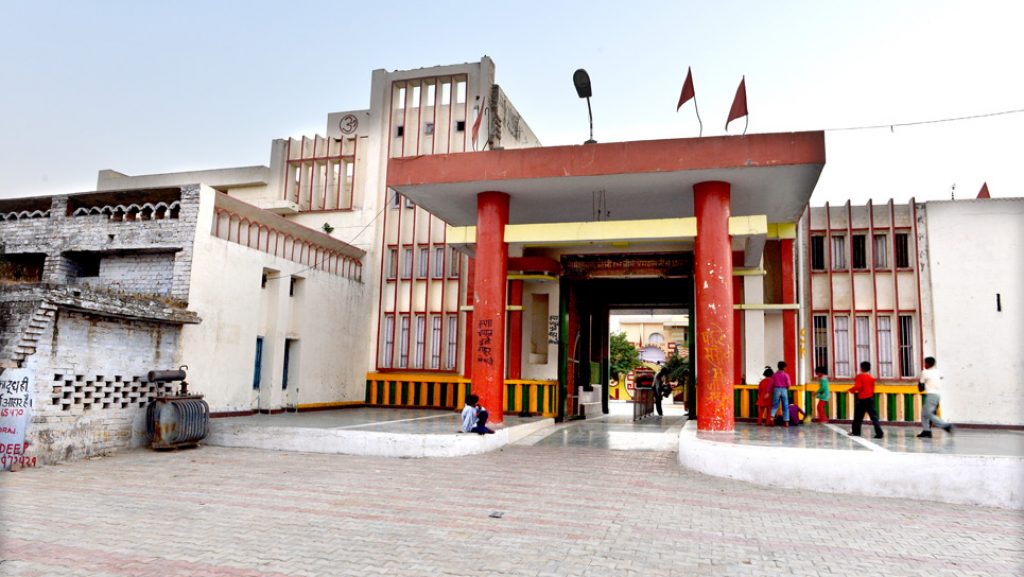
Sita Mai Temple
About Sita Mai Temple
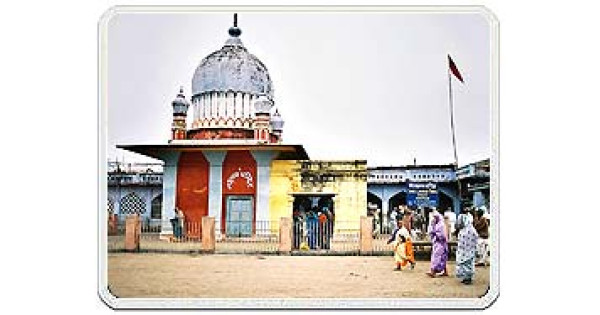
According to the tradition maintained at this temple, Sita is understood as the daughter of the earth itself. The shrine marks the spot where, according to belief, the earth opened to receive Sita—an event interpreted as her return to her mother's womb. This narrative, rooted in the Ramayana, carries profound spiritual meaning: it speaks to Sita's purity and her ultimate vindication, a return to the earth as testimony to her virtue after the trials she endured. The temple thus commemorates a moment of cosmic significance within the larger story of Rama and Sita, making it a place where her triumph and divine nature are honored.
Architecture and History
The temple is constructed of brick, a material choice that carries particular resonance given the shrine's history of recovery and reconstruction. The brick structure reflects the ancient building traditions of North India and demonstrates the continuity of this sacred site across time. The temple's modest scale and village setting emphasize spiritual substance over architectural grandeur, creating an atmosphere of simplicity and devotional focus.
The shrine remains under the administration of Ramanandi Bairagis, a monastic order within the Vaishnava tradition. This custodianship has preserved the temple's character and spiritual practices across generations.
Location and Access
The temple lies in Sitamai village, 19 kilometers from Nilokheri, positioned along one of the alternative routes connecting Karnal and Kaithal. Visitors traveling between these towns in Haryana may incorporate a visit to the shrine as part of their regional journey. The village setting means the temple is accessible to those with local knowledge or willingness to seek directions upon arrival; it is not situated on a major pilgrimage circuit with extensive signage or commercial infrastructure.
Those planning a visit should allow time for travel from nearby towns and consider contacting the temple in advance to confirm current access and any local guidance that may be helpful.
Visiting Practices and Etiquette
Specific information regarding formal darshan timings, dress codes, and current facilities is not detailed in available sources. Visitors are advised to contact the temple directly or seek local guidance upon arrival to understand current practices observed by the Ramanandi Bairagis who maintain the shrine.
As with most Hindu temples, modest dress and respectful behavior are customary. Removing footwear before entering the sanctum is standard practice. The temple's village location and modest scale suggest a more intimate devotional environment than larger pilgrimage centers; visitors should approach with appropriate reverence and openness to the local customs that may be observed.
Festivals and Observances
The sources do not specify which festivals are celebrated at Sita Mai Temple or provide dates for particular observances. Devotees planning a visit during festivals should make inquiries locally, as the temple's celebrations may reflect both the broader Hindu calendar and practices specific to the Ramanandi tradition. The temple may observe festivals significant to Sita's story or to the Vaishnava calendar, but confirmation should be sought directly from the shrine.
A Pilgrimage of Devotion
For devotees of Sita and those drawn to the Ramayana tradition, this temple offers a distinctive opportunity for worship and reflection. Its uniqueness as a shrine dedicated solely to the goddess, combined with its ancient roots and the story of spiritual restoration embedded in its very structure, makes it a site of particular significance. The journey to Sitamai village represents a pilgrimage to a place where the earth itself is believed to have answered Sita's call—a destination for those seeking to honor and understand the goddess at the heart of one of Hinduism's greatest narratives.
How to reach


You may also visit
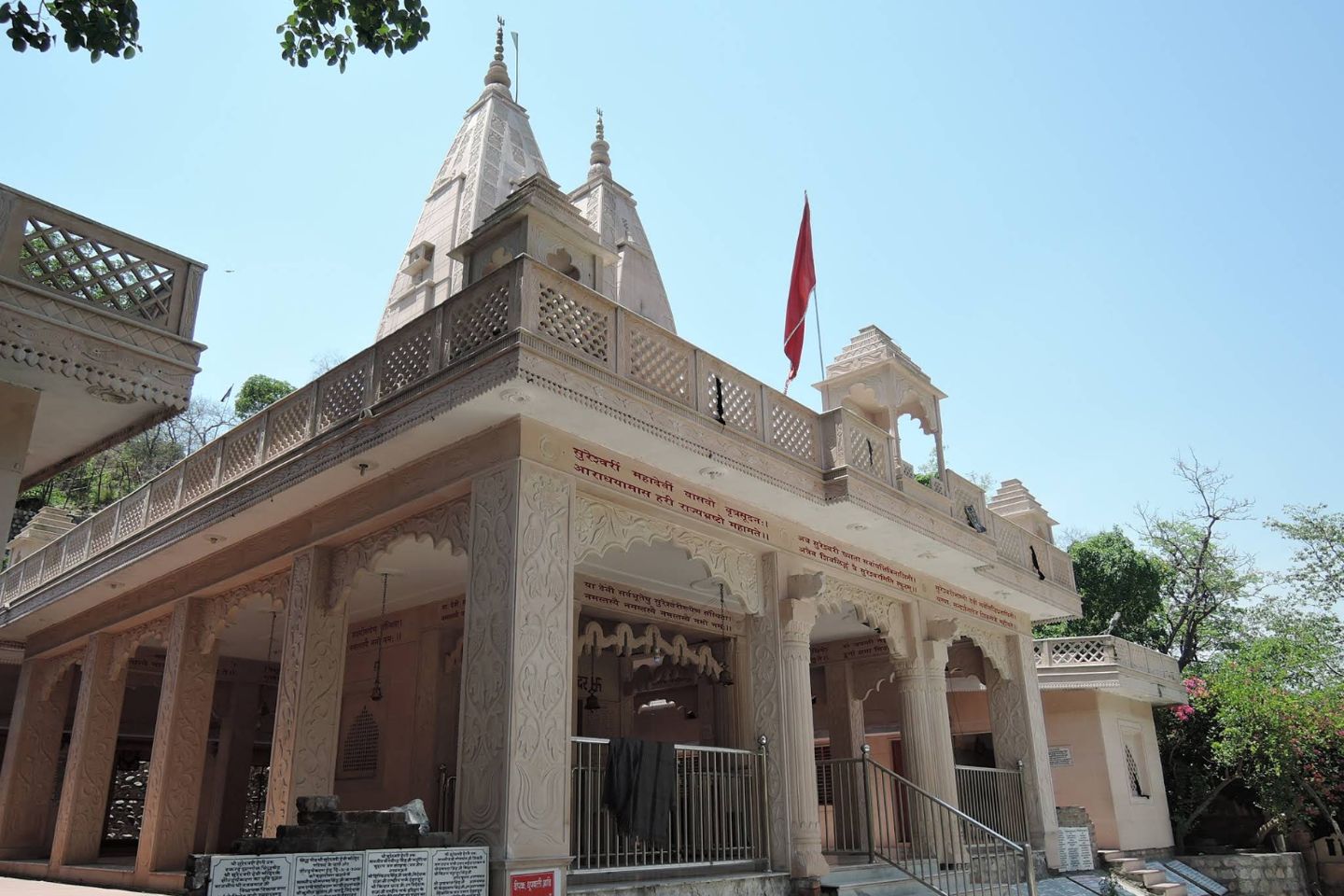
Sureshwari Devi Temple
Sureshwari Devi Temple in Haridwar is a forest shrine dedicated to the goddess, situated within the Ranipur Range area near Rajaji National Park, offering a secluded spiritual e…
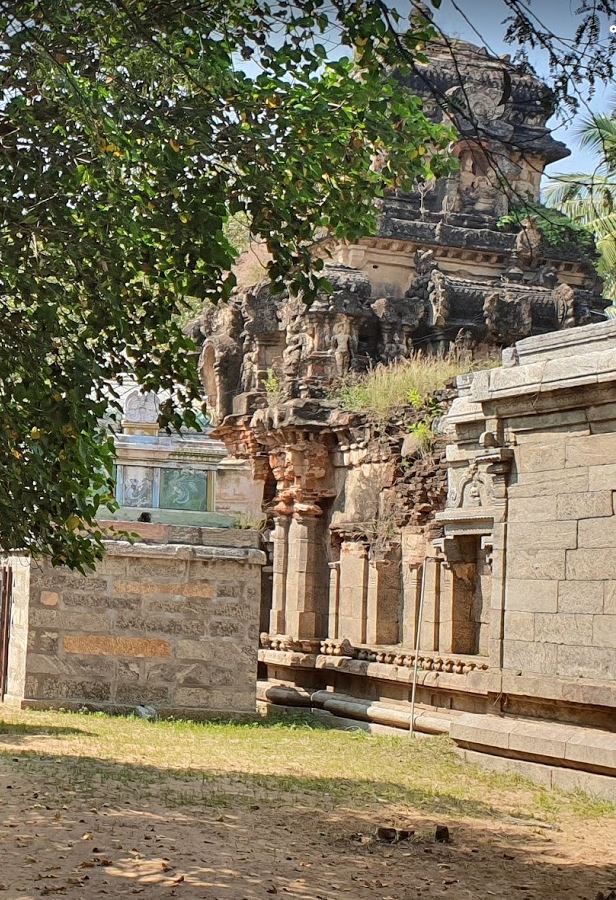
Agatheeswarar Temple, Karur
Agatheeswarar Temple in Thirumukkudalur, Karur district, is an ancient Hindu shrine dedicated to Shiva, situated at the sacred confluence of three rivers and believed to be over…

Shani Shingnapur
Shani Shingnapur is a renowned temple in Maharashtra dedicated to Lord Shani, featuring a self-emerged black stone idol worshipped under open sky. The temple is located in a uni…
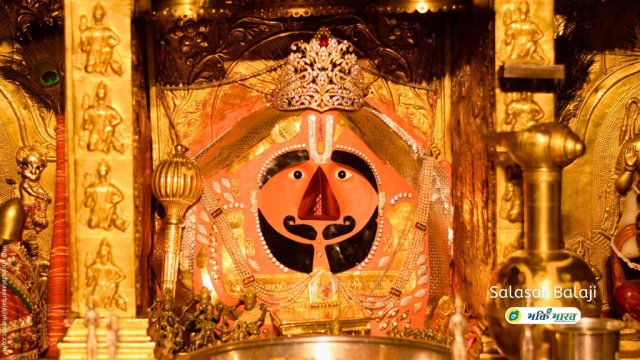
Salasar Balaji Temple
Salasar Balaji Temple in Churu district, Rajasthan, is a revered shrine dedicated to Lord Hanuman, distinguished by its unique depiction of the deity with a round face, beard, a…
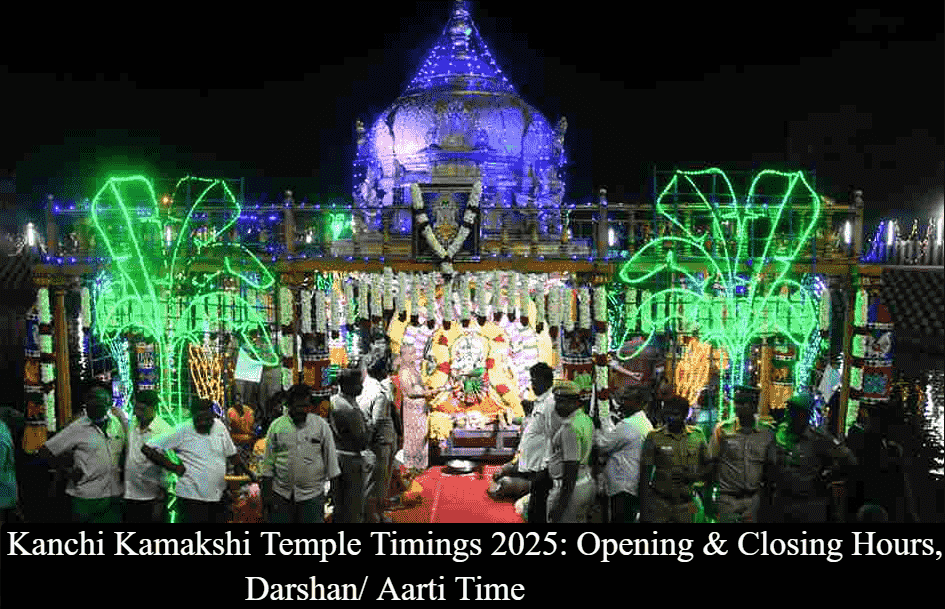
Kamaksha
Arulmigu Kamakshi Amman Temple in Mangadu, near Chennai, is dedicated to the goddess Kamakshi, an aspect of Adi Parashakti. According to legend, the goddess performed austeritie…
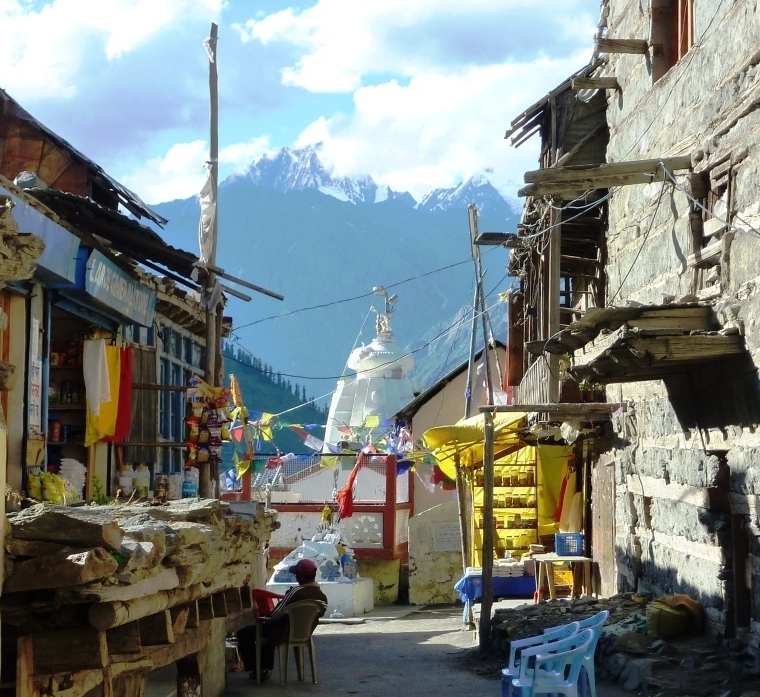
Trilokinath Temple at Tunde
The Trilokinath Temple in Tunde is an ancient shrine venerated by both Hindus and Buddhists, situated at 2,760 metres in the Lahul and Spiti District of Himachal Pradesh. Hindus…