


Shri Radha Gopinath Ji Temple
About Shri Radha Gopinath Ji Temple
The temple holds a place within Jaipur's religious heritage as a historic shrine located in the Purani Basti (old city) area. Its legacy is closely connected to the Kachhwaha rulers of Jaipur, whose royal patronage supported temples and spiritual institutions throughout the region. This connection to both the city's founding dynasty and to the broader spiritual legacy of Vrindavan—the sacred land associated with Krishna's earthly life—gives the temple particular significance for those who understand Jaipur's spiritual geography.
The temple's presence in Purani Basti places it within the oldest settled areas of the Pink City, making it a landmark for both pilgrims and those interested in Jaipur's religious history.
Daily Worship and Darshan
As a temple dedicated to Krishna worship within the Gaudiya Vaishnavism tradition, Shri Radha Gopinath Ji Temple conducts regular darshan—the viewing of the deities—as part of its daily rhythm of worship. Temples of this tradition typically observe multiple darshan times throughout the day, beginning with early morning arati (ritual worship with lamps and offerings) and continuing through the day with scheduled viewing periods.
Visitors seeking darshan should contact the temple directly for current timings and any specific practices observed. The temple's contact information is available through its official channels, and staff can advise on the best times to visit and any particular customs to observe during your visit.
Visiting the Temple: Practical Information
The temple is situated in Purani Basti, Jaipur's historic old city quarter. When planning a visit, it is respectful to dress modestly—loose-fitting clothing that covers shoulders and knees is customary in Hindu temples. Shoes are typically removed before entering the inner sanctum, and many visitors leave them at designated areas near the entrance.
Photography policies vary by temple; it is best to ask permission before photographing the deities or the interior. Visitors should approach the deities with a respectful demeanor, and it is customary to circumambulate (walk clockwise around) the shrine as an act of devotion. If you wish to make offerings or participate in specific rituals, the temple staff can guide you on proper procedures. For donations, inquiries about seva (service opportunities), or other questions, the temple can be reached through its official contact channels.
The Gaudiya Vaishnavism Context
Understanding the broader tradition helps visitors appreciate what they encounter at the temple. Gaudiya Vaishnavism emphasizes the cultivation of devotion through chanting, meditation on Krishna's names and pastimes, and service to the divine. The tradition has produced a rich body of devotional literature and philosophy, and temples within this lineage often serve as centers for both worship and spiritual education.
The connection to Vrindavan—the region where Krishna is believed to have spent his childhood—is central to this tradition's theology and practice. Even temples located far from Vrindavan, like this one in Jaipur, maintain that spiritual connection through their worship of Krishna and through the teachings they preserve and transmit.
Getting There
Purani Basti is accessible by local transport within Jaipur. The old city area is best navigated on foot once you arrive in the neighborhood, as the streets are narrow and winding. Local residents and shopkeepers in the area can direct you to the temple if you require assistance locating it. Before visiting, confirm current access routes and any local conditions that might affect your visit.
How to reach

You may also visit
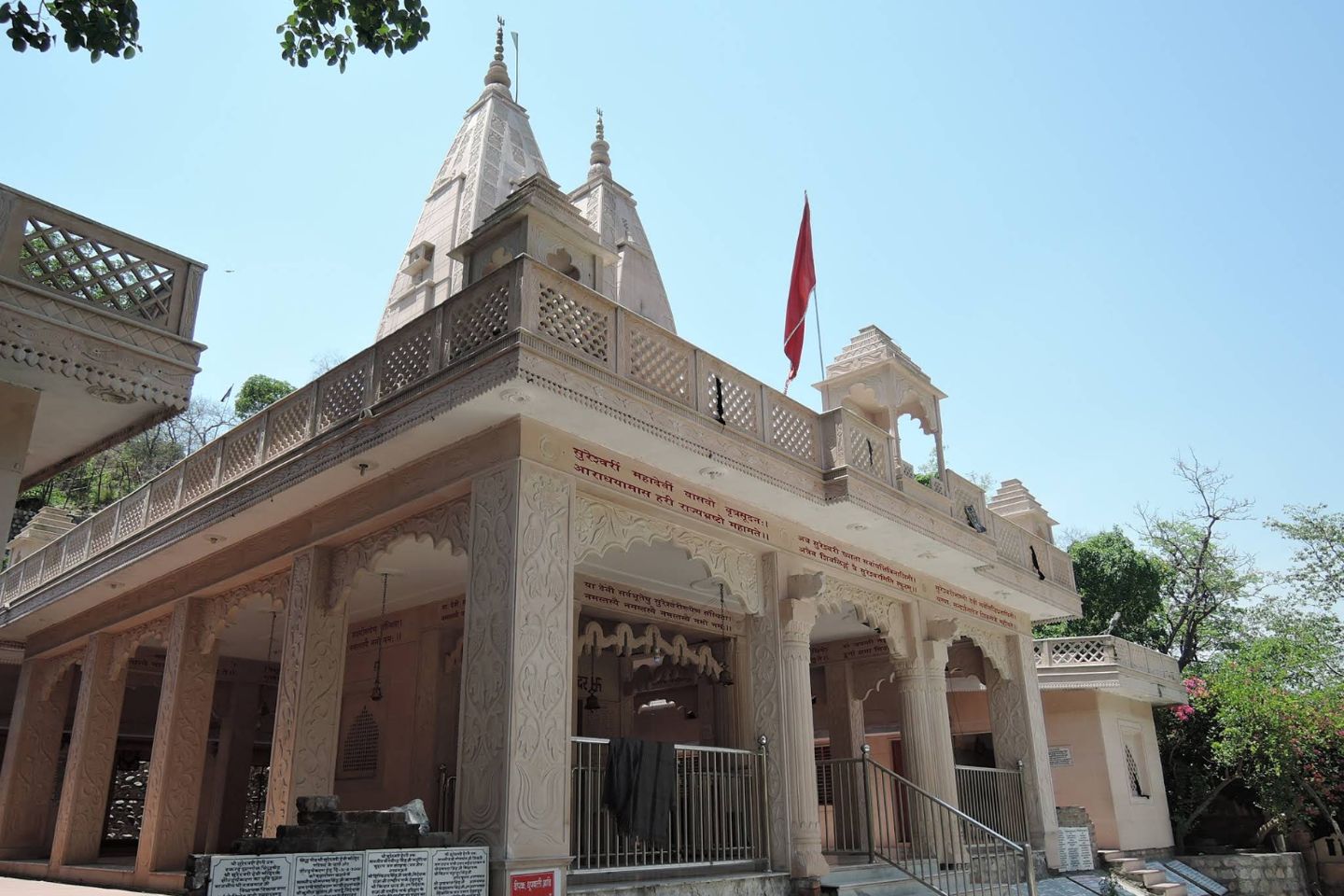
Sureshwari Devi Temple
Sureshwari Devi Temple in Haridwar is a forest shrine dedicated to the goddess, situated within the Ranipur Range area near Rajaji National Park, offering a secluded spiritual e…
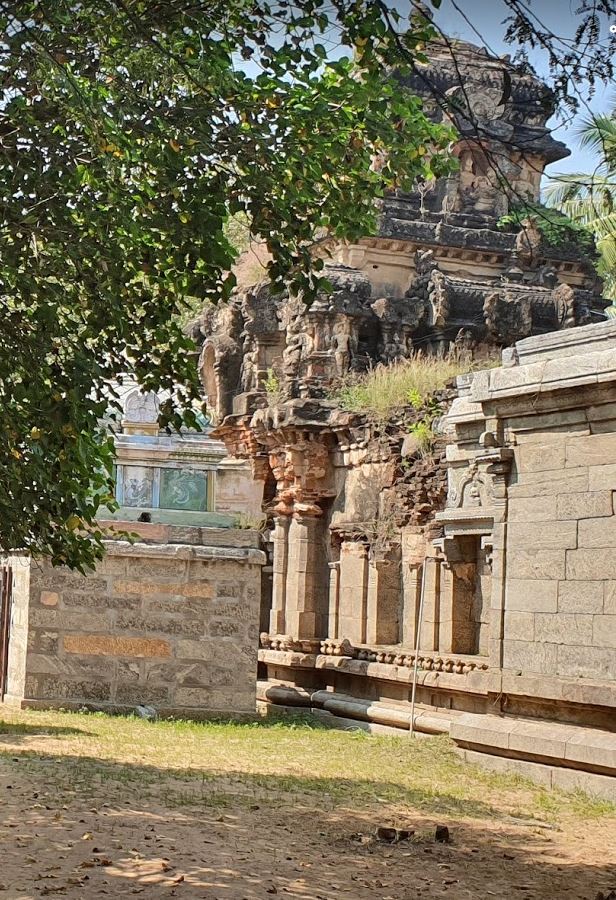
Agatheeswarar Temple, Karur
Agatheeswarar Temple in Thirumukkudalur, Karur district, is an ancient Hindu shrine dedicated to Shiva, situated at the sacred confluence of three rivers and believed to be over…

Shani Shingnapur
Shani Shingnapur is a renowned temple in Maharashtra dedicated to Lord Shani, featuring a self-emerged black stone idol worshipped under open sky. The temple is located in a uni…
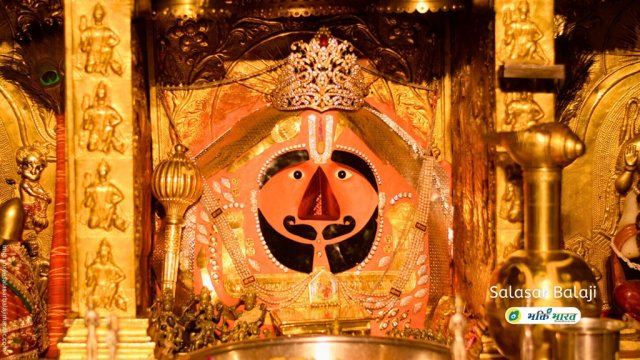
Salasar Balaji Temple
Salasar Balaji Temple in Churu district, Rajasthan, is a revered shrine dedicated to Lord Hanuman, distinguished by its unique depiction of the deity with a round face, beard, a…
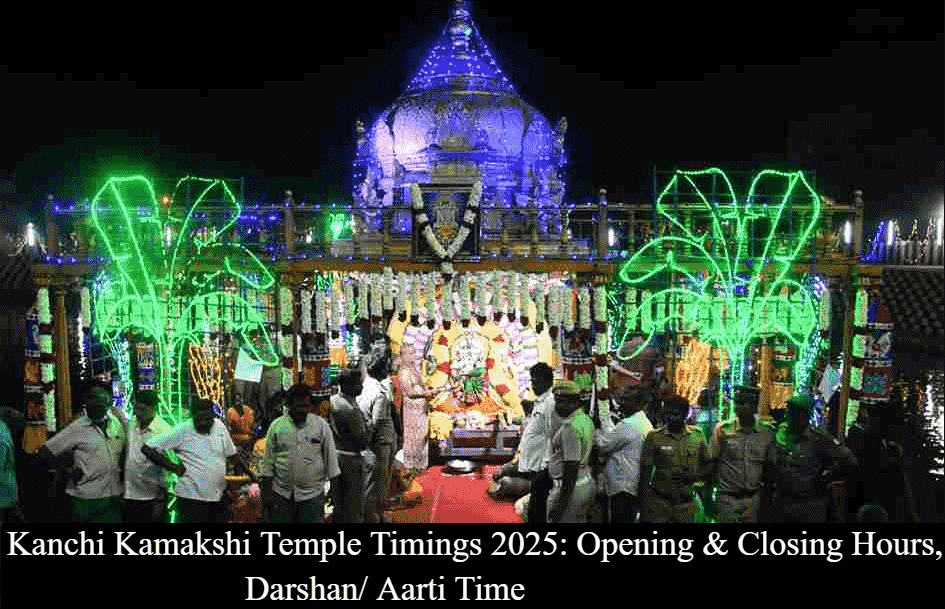
Kamaksha
Arulmigu Kamakshi Amman Temple in Mangadu, near Chennai, is dedicated to the goddess Kamakshi, an aspect of Adi Parashakti. According to legend, the goddess performed austeritie…
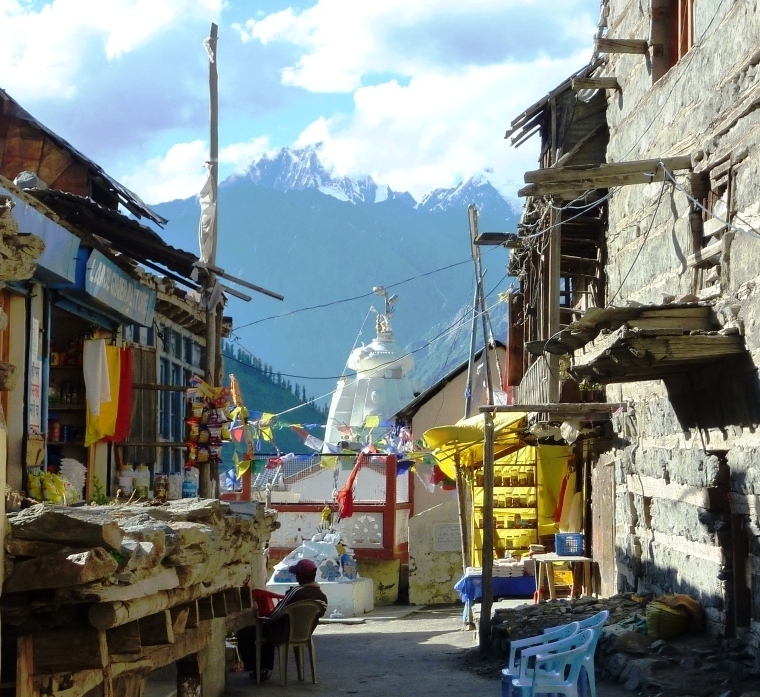
Trilokinath Temple at Tunde
The Trilokinath Temple in Tunde is an ancient shrine venerated by both Hindus and Buddhists, situated at 2,760 metres in the Lahul and Spiti District of Himachal Pradesh. Hindus…