Shri Laxmi Narayan Mandir
About Shri Laxmi Narayan Mandir
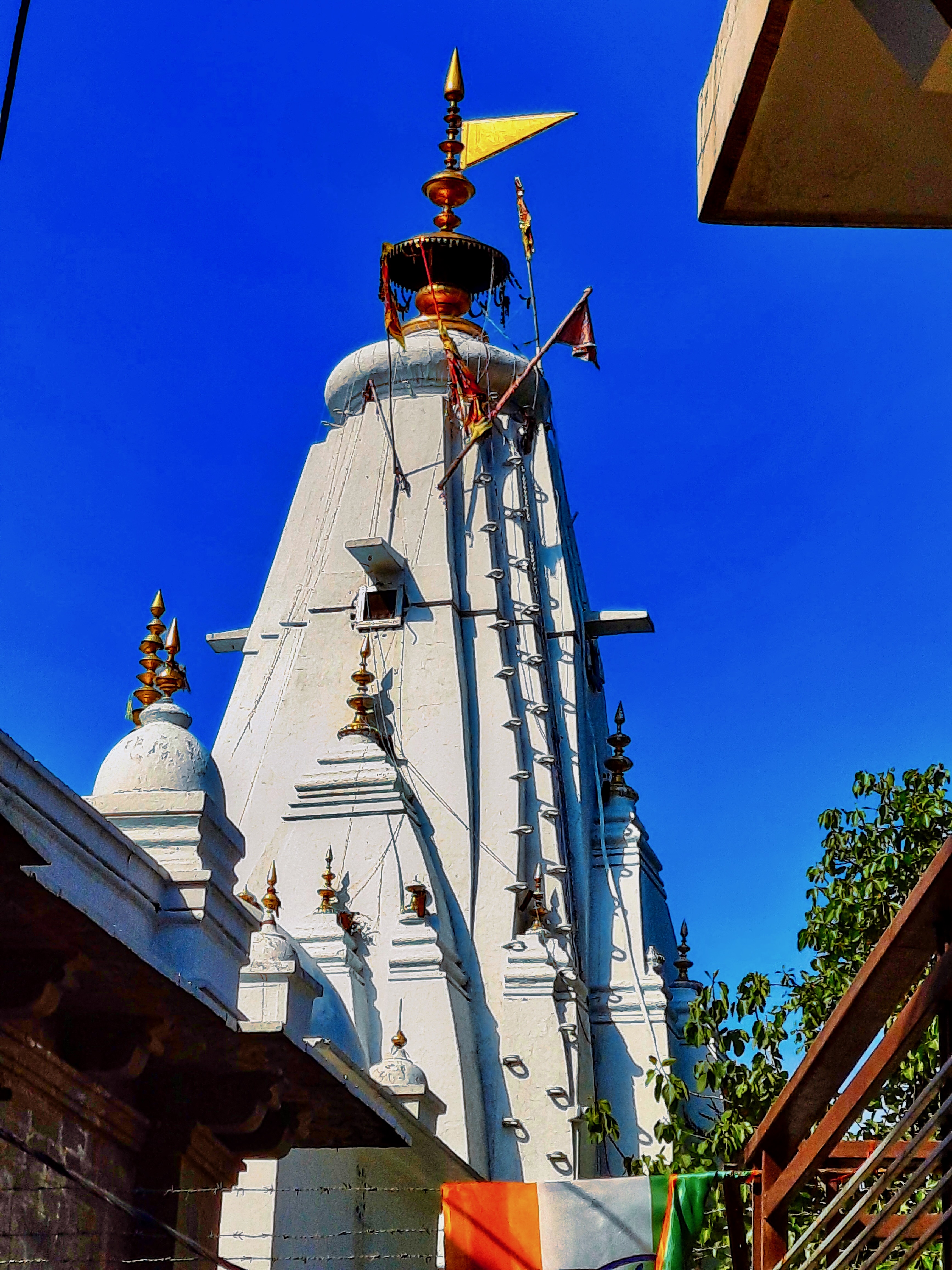
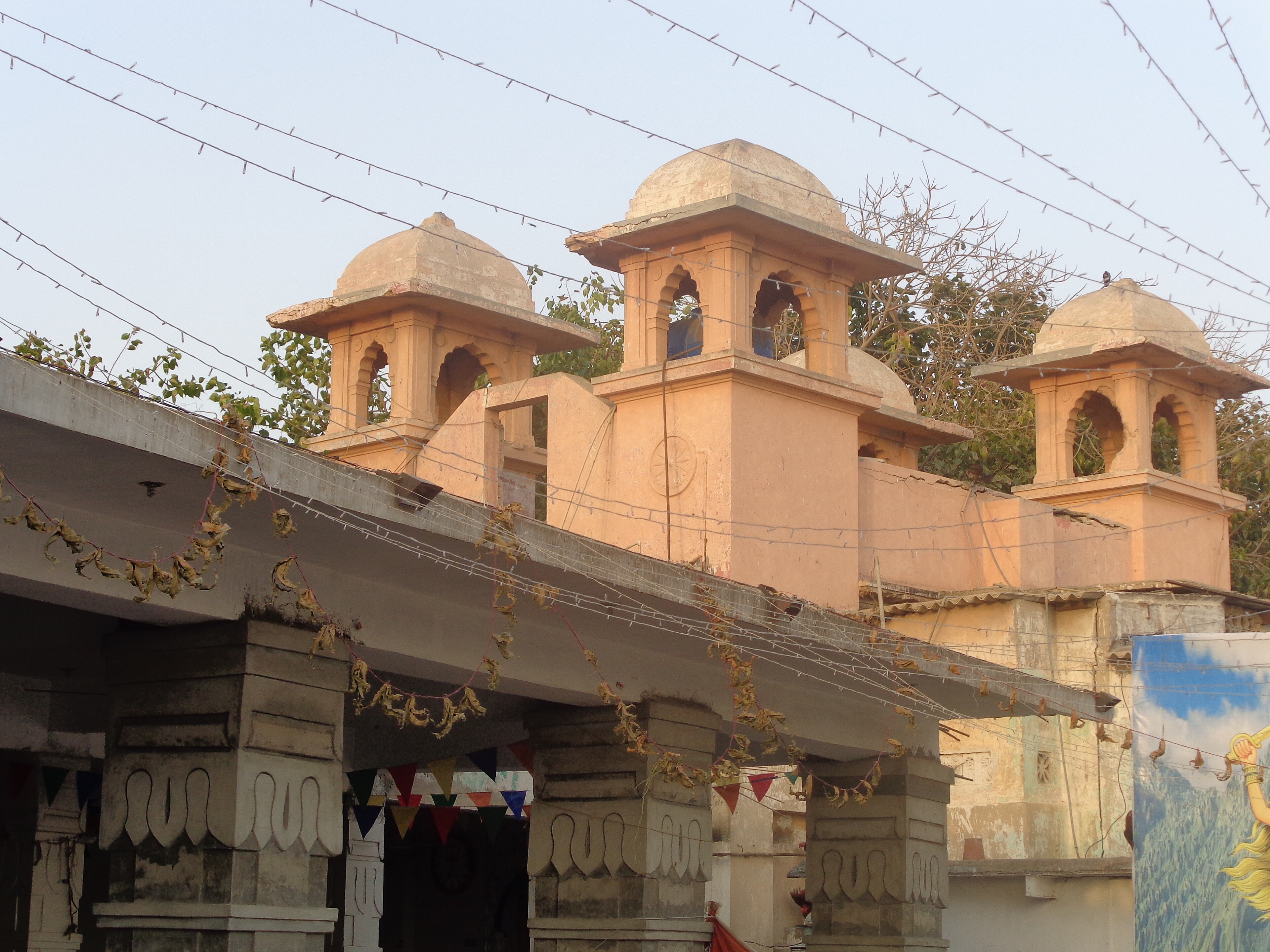
The temple's most striking feature is its white marble facade, adorned with colorful motifs that draw from established Hindu artistic traditions. Inside, carefully crafted idols and vibrant decorative elements depict narratives from Hindu mythology. The combination of materials and design reflects the aesthetic principles of Hindu temple architecture while being adapted to its Fijian setting. Beyond the main structure, surrounding gardens provide space for quiet reflection and spiritual practice, offering visitors a retreat within the urban environment of Suva.
Visiting Hours and Access
The temple maintains extended hours throughout the week to accommodate both early morning worship and evening visits. On Mondays, it opens at 06:00 and closes at 20:30. Tuesday through Sunday, hours extend from 06:00 to 22:30.
Several routes lead to the temple. From Suva Bus Station, a twenty-minute walk southeast along Victoria Parade, followed by a right turn onto Holland Street, brings you to the entrance. Local buses serve the area at modest fares, typically between FJD 0.70 and FJD 1.50 per ride; small coins are useful for payment. Taxis are readily available throughout Suva and can be hailed on the street or arranged through your accommodation. Fares from the bus station to the temple generally range from FJD 4 to FJD 8; it is advisable to confirm the fare beforehand or ensure the driver uses a meter.
Etiquette and Dress
Visitors are expected to dress modestly as a mark of respect when entering the temple. This is standard practice across Hindu temples and reflects the sacred nature of the space. Early morning or late afternoon visits offer a quieter atmosphere and better natural lighting, both for a more contemplative experience and for photography. It is wise to be mindful of prayer times so that you can fully appreciate the temple's spiritual atmosphere and avoid disrupting active worship.
The Temple in Fijian Hindu Life
The Laxmi Narayan Mandir functions as a significant center for the local Hindu community. Hinduism in Fiji has deep roots in the late 19th century arrival of Indian indentured laborers, whose descendants have maintained and developed Hindu religious and cultural practice across the islands. The temple represents both a continuity of that heritage and an adaptation of Hindu worship to a new geographical and cultural context. For visitors, it offers a window into how Hindu traditions have been sustained and expressed within Fiji's multicultural society.
Practical Information for Visitors
The temple's generous opening hours mean that visits can be arranged to suit most schedules. There are no specific facilities mentioned in available sources, so visitors should plan accordingly—carrying water and sun protection is advisable, particularly for morning visits. Photography may be permitted in certain areas; it is respectful to ask before photographing the interior or any active worship. The surrounding gardens invite unhurried exploration and can serve as a peaceful complement to time spent in the main temple structure.
How to reach
You may also visit
Sureshwari Devi Temple
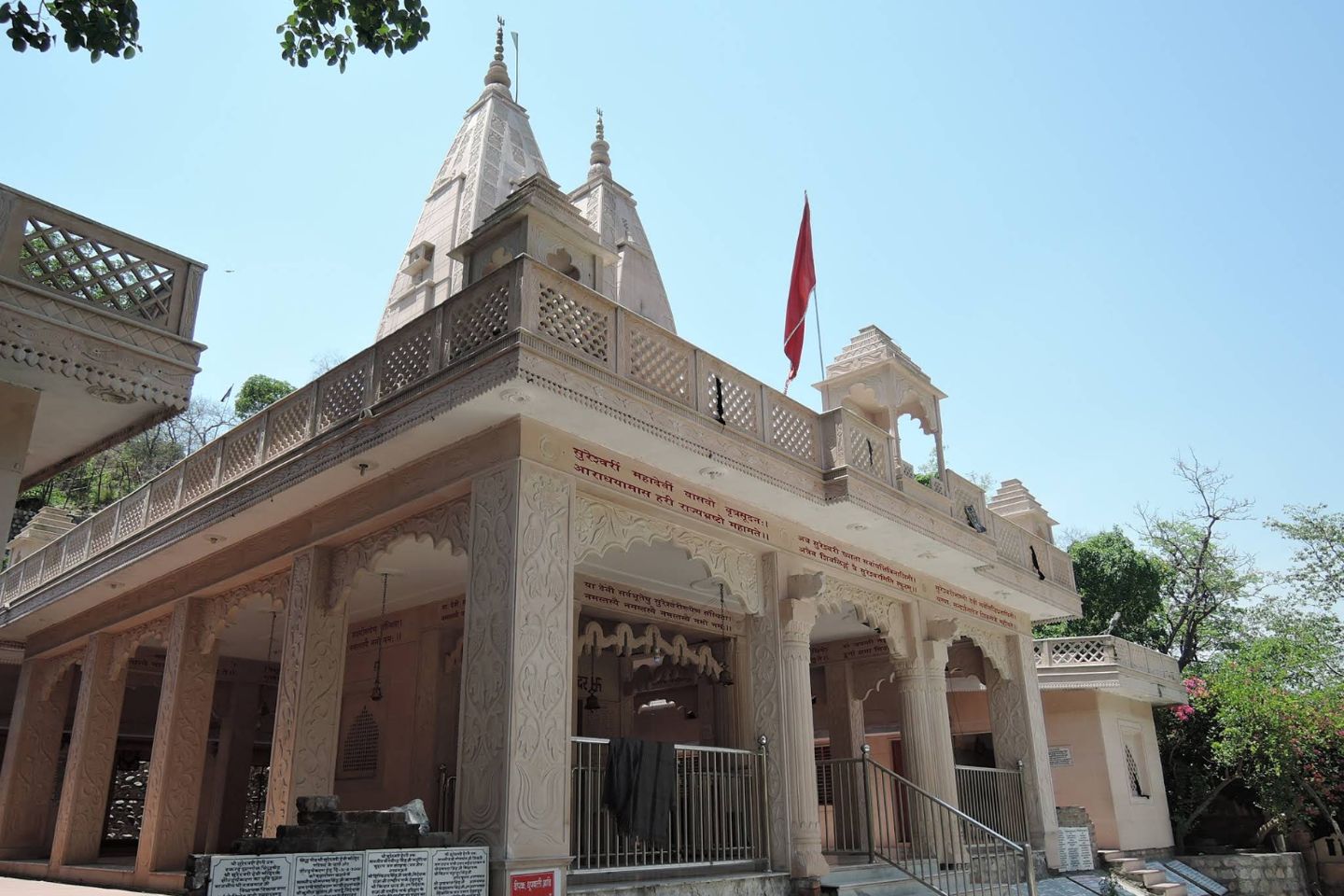
Sureshwari Devi Temple in Haridwar is a forest shrine dedicated to the goddess, situated within the Ranipur Range area near Rajaji National Park, offering a secluded spiritual e…
Agatheeswarar Temple, Karur
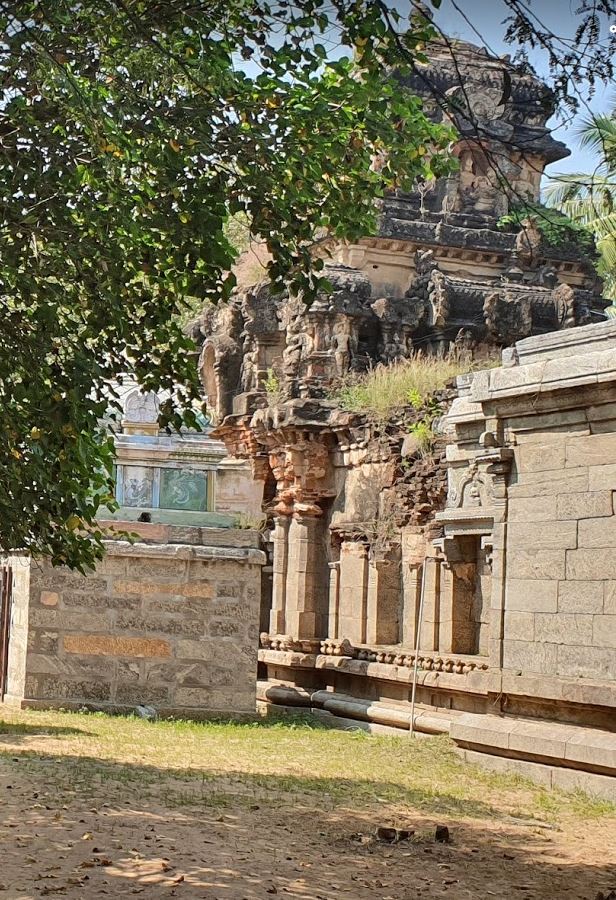
Agatheeswarar Temple in Thirumukkudalur, Karur district, is an ancient Hindu shrine dedicated to Shiva, situated at the sacred confluence of three rivers and believed to be over…

Shani Shingnapur
Shani Shingnapur is a renowned temple in Maharashtra dedicated to Lord Shani, featuring a self-emerged black stone idol worshipped under open sky. The temple is located in a uni…
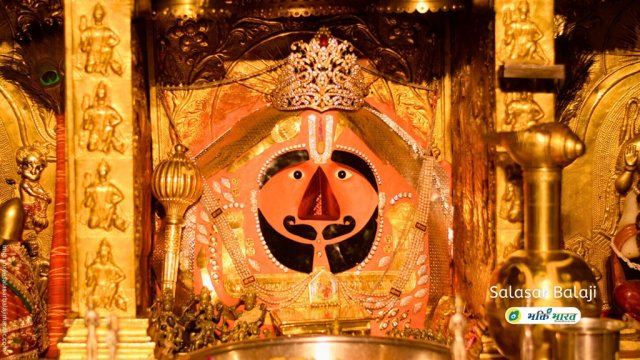
Salasar Balaji Temple
Salasar Balaji Temple in Churu district, Rajasthan, is a revered shrine dedicated to Lord Hanuman, distinguished by its unique depiction of the deity with a round face, beard, a…
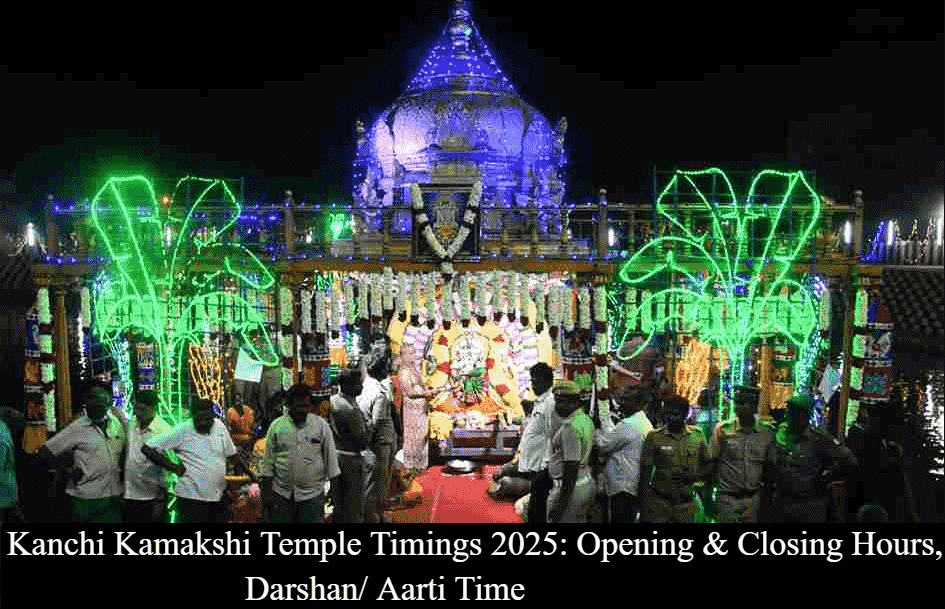
Kamaksha
Arulmigu Kamakshi Amman Temple in Mangadu, near Chennai, is dedicated to the goddess Kamakshi, an aspect of Adi Parashakti. According to legend, the goddess performed austeritie…
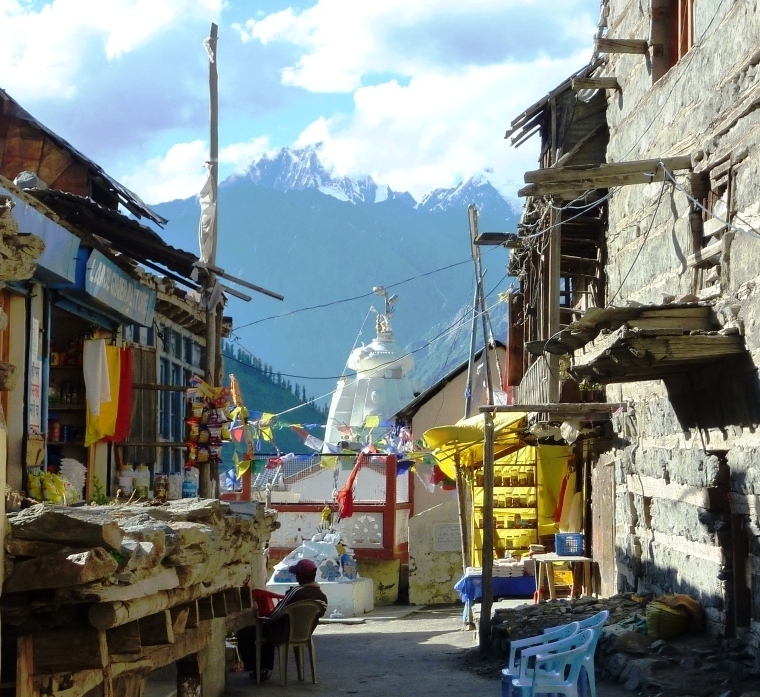
Trilokinath Temple at Tunde
The Trilokinath Temple in Tunde is an ancient shrine venerated by both Hindus and Buddhists, situated at 2,760 metres in the Lahul and Spiti District of Himachal Pradesh. Hindus…