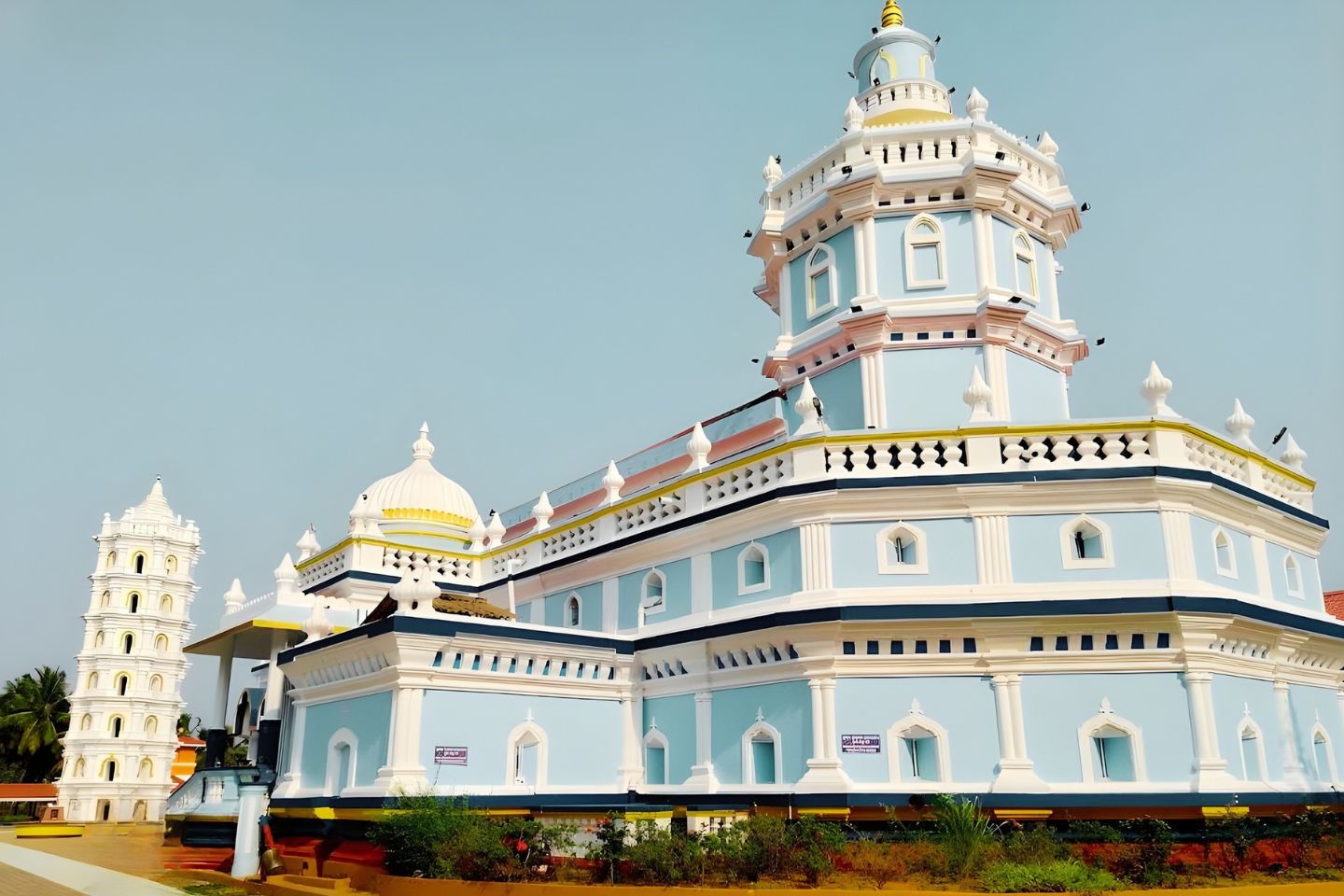

Mangueshi Temple
About Mangueshi Temple
The temple centers on Shaiva worship, following the traditions devoted to Lord Shiva. Devotional practices at Mangueshi include abhisheka rituals—ceremonial bathing of the deity—along with offerings of bilva leaves and mantra recitation. These practices reflect the contemplative and ritualistic dimensions of Shaiva tradition. The temple's spiritual authority is guided by the Shrimad Swamiji of Shri Kavale Math, who serves as the spiritual chief of the Manguesh Saunsthan.
The shrine's roots run deep in regional religious literature, with its mythology documented in the Sahyadri Khanda, a text that records sacred narratives of the Western Ghats region.
Daily Darshan and Evening Aarti
The temple opens for darshan daily from 05:30 to 21:30, allowing devotees to visit throughout the day and into the evening. An evening aarti—a ritual of worship involving the offering of light—is performed each day, drawing congregations for this significant moment of collective worship. Visitors should note that timings may vary on festival days, and it is advisable to confirm with the temple office (0832 234 3904) before travelling, particularly if planning a visit during major celebrations.
The extended darshan hours accommodate both early morning visitors and those who prefer evening worship, reflecting the temple's role as a living centre of daily spiritual practice.
Festivals and Pilgrimage Seasons
The temple observes several major festivals that draw substantial congregations and involve elaborate decorations and heightened spiritual activity. Maha Shivaratri, the night-long vigil honouring Shiva, is celebrated with special abhisheka rituals. Magha Purnima, the full moon in the month of Magha, and the Shravan Mondays—Mondays during the monsoon month of Shravan—are significant pilgrimage occasions. Guru Purnima, honouring spiritual teachers, is also observed here. Additionally, Dhanteras, which marks the beginning of the Diwali season and honours Dhanvantari, is celebrated at the temple.
These festivals represent the rhythms of the Hindu calendar and offer visitors opportunities to experience the temple at times of heightened devotional intensity and community gathering.
Visiting Information and Practicalities
Mangueshi Temple is located at coordinates 15.51631°N, 73.983°E in Mangueshi, Priol, Ponda taluk, Goa. The temple is situated approximately 1 kilometre from Mardol and close to Nagueshi. Visitors can contact the temple office at 0832 234 3904 for specific inquiries regarding timings, rituals, or facilities.
When visiting Hindu temples, standard etiquette includes removing footwear before entering the sanctum, dressing modestly, and maintaining respectful silence during worship. Temples of the Shaiva tradition typically welcome offerings of flowers, bilva leaves, and coconut, which may be available for purchase near the temple entrance. Photography policies vary; it is courteous to ask permission before photographing the sanctum or rituals.
History and Significance
The temple was established approximately 400 years ago, making it a structure of considerable age within Goa's religious landscape. This antiquity reflects the continuity of Hindu worship in the region across centuries. The temple's status as one of Goa's largest shrines speaks to its enduring importance as a pilgrimage destination and centre of spiritual life for Saraswat Brahmins and the broader Hindu community.
How to reach
Temples near Mangueshi Temple

Mandodari Temple, Betki
Shri Mandodari Temple in Betki, Goa, is a revered Hindu shrine dedicated to Goddess Mandodari, the consort of Lord Ravana, known for her miraculous grace and the devotion of loc…
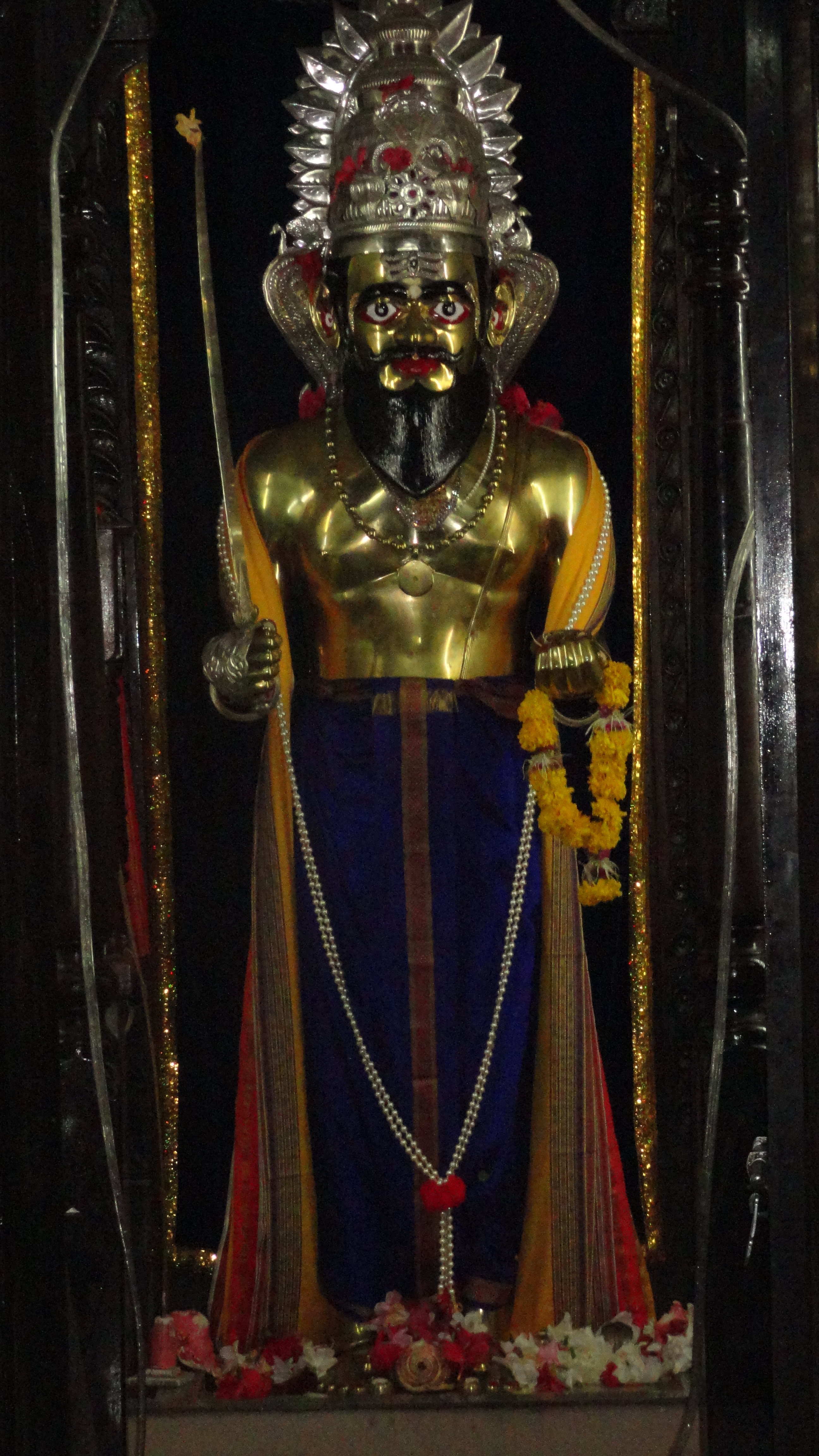
Shree Betal temple
Shree Betal temple in Amona, Goa, is an ancient shrine dedicated to Betal, a fierce warrior form of Shiva worshipped as the village guardian deity. The temple is renowned for it…

Saptakoteshwar Temple
Saptakoteshwar Temple in Narve, Goa is an ancient Shaivite shrine dedicated to Lord Shiva, with origins tracing to the Kadamba dynasty (1148–1179 CE). Destroyed during Portugues…
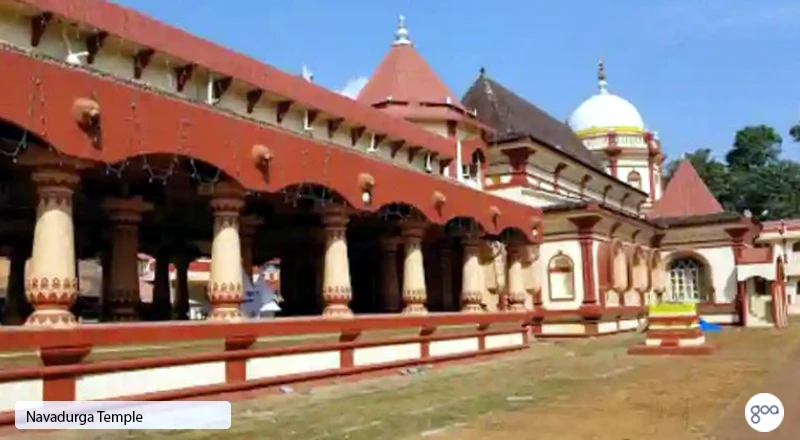
Navdurga Temple, Kundaim
The Navdurga Temple in Kundaim, Goa is a Hindu shrine dedicated to Goddess Navdurga, established by Gaud Saraswat Brahmin families who migrated from Verna village to create a ne…
Navdurga Temple, Madkai
Shree Navdurga Temple in Madkai, Goa is an ancient shrine dedicated to Goddess Navdurga in her fierce Mahishasuramardini form, venerated across North Goa for nearly five centuries.
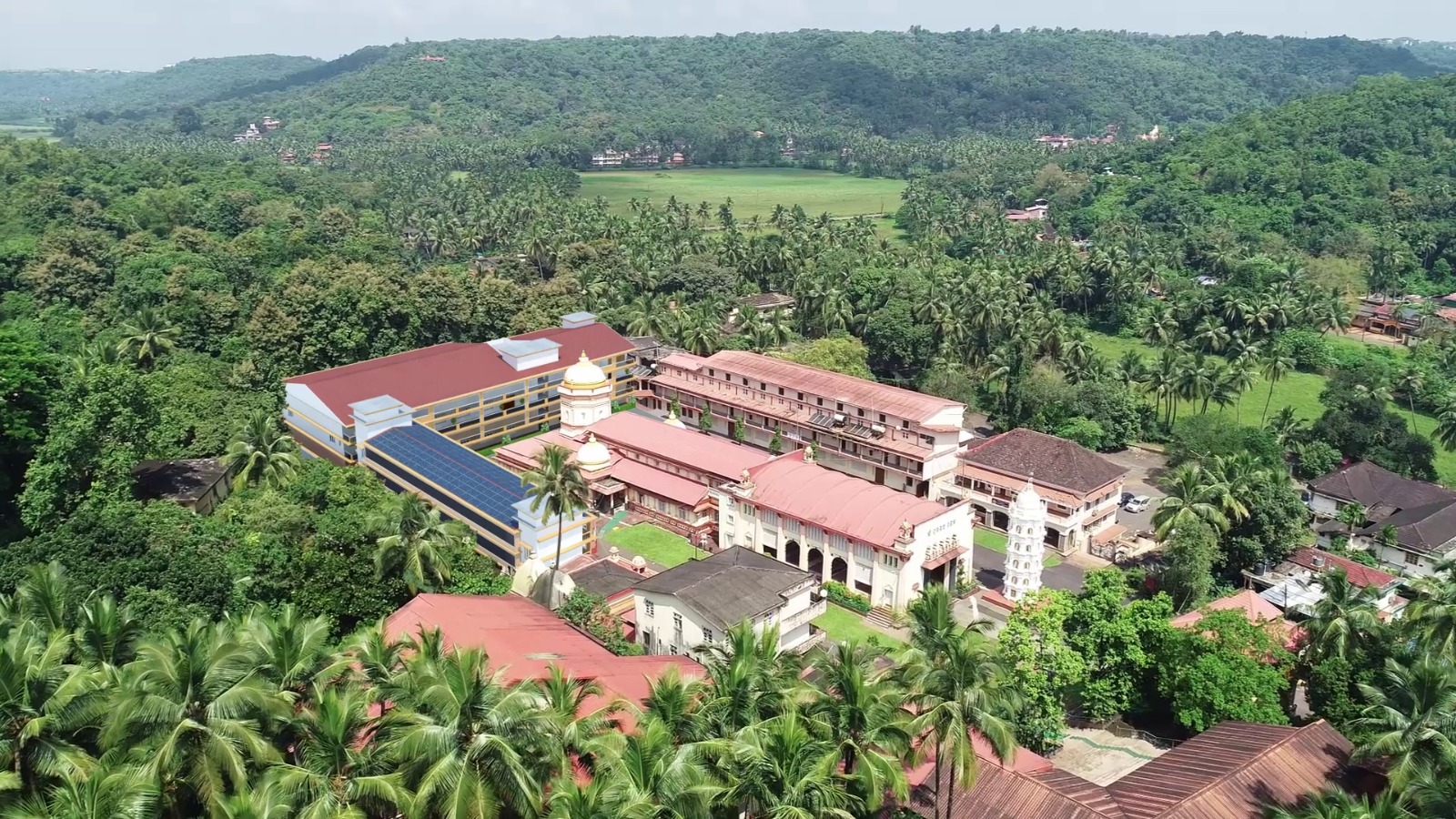
Ramnathi
Shree Ramnath Devasthan in Goa is a sacred shrine representing the divine unity of Vishnu and Shiva, housing multiple deities including Shree Laxminarayan, Shree Shanteri, and S…