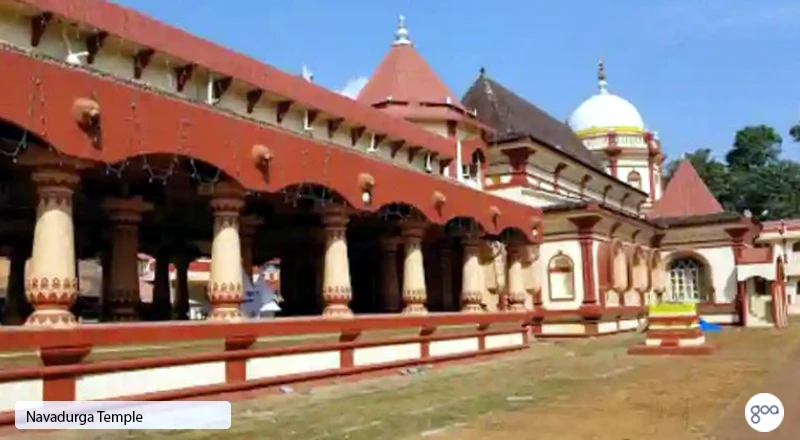
Navdurga Temple, Kundaim
About Navdurga Temple, Kundaim
The temple's establishment followed a separation from the Madkai temple of the same name, marking an important moment in the religious life of Kundaim. This division reflects patterns common in Hindu temple history, where growing communities or changing circumstances lead to the founding of new shrines while maintaining connections to earlier sacred sites.
The circumstances and exact timing of this separation are not recorded in available sources, but the temple now stands as an independent place of worship serving the local devotional community.
Architecture and Associated Shrines
The temple complex includes associated shrines alongside the main sanctum dedicated to Navdurga. These subsidiary shrines are typical of Hindu temple compounds, where multiple deities receive worship within the same sacred space. The architectural character of the temple reflects Goan Hindu temple traditions, though specific details of its design and construction phases are not documented in accessible sources.
The temple has undergone restorations over time, as is common for temples maintaining active worship over generations. These efforts have helped preserve the shrine for continued devotional use.
Worship and Rituals
Temples dedicated to Navdurga typically observe daily rituals centered on the goddess and her nine forms. Devotees visit for darshan—the sacred viewing of the deity—at times when the sanctum is open for worship. The specific timings of daily rituals and darshan hours should be confirmed directly with the temple, as these vary by season and local practice.
Offerings made at such temples commonly include flowers, fruits, and prepared foods, with many devotees bringing items for ritual presentation. The temple serves both regular worshippers from the surrounding community and visitors seeking the blessings of the goddess.
Festivals and Observances
The nine forms of Navdurga are particularly honored during Navaratri, the nine-night festival celebrated across Hindu communities. This period, falling in autumn, draws heightened devotional activity at temples dedicated to the goddess. The specific observances, rituals, and celebrations at this temple during Navaratri would be best learned by contacting the temple directly or visiting during the festival season.
Beyond Navaratri, the temple likely observes other significant dates in the Hindu calendar connected to the goddess, though detailed information about these observances is not available from current sources.
Visiting the Temple
The temple is located in Kundaim, in Goa's North Goa district, at coordinates 15.4464224°N, 73.9574896°E. Visitors should dress modestly when entering the sanctum, following the customary practice of Hindu temples—typically removing footwear before entering the inner shrine and covering shoulders and knees.
Before visiting, it is advisable to contact the temple to confirm current darshan hours and any specific practices or restrictions that may apply. This ensures a respectful and smooth visit. Visitors unfamiliar with temple customs should observe how other devotees conduct themselves and follow their example. Photography policies vary by temple and should be checked upon arrival.
Getting There
Kundaim is accessible by road from major towns in North Goa. The specific routes and transport options depend on your starting point within Goa. Local taxi services, auto-rickshaws, and buses serve the area. GPS coordinates can be used with navigation applications to locate the temple precisely. For those traveling from further afield, Goa's main transport hubs can provide onward connections to Kundaim.
How to reach
You may also visit
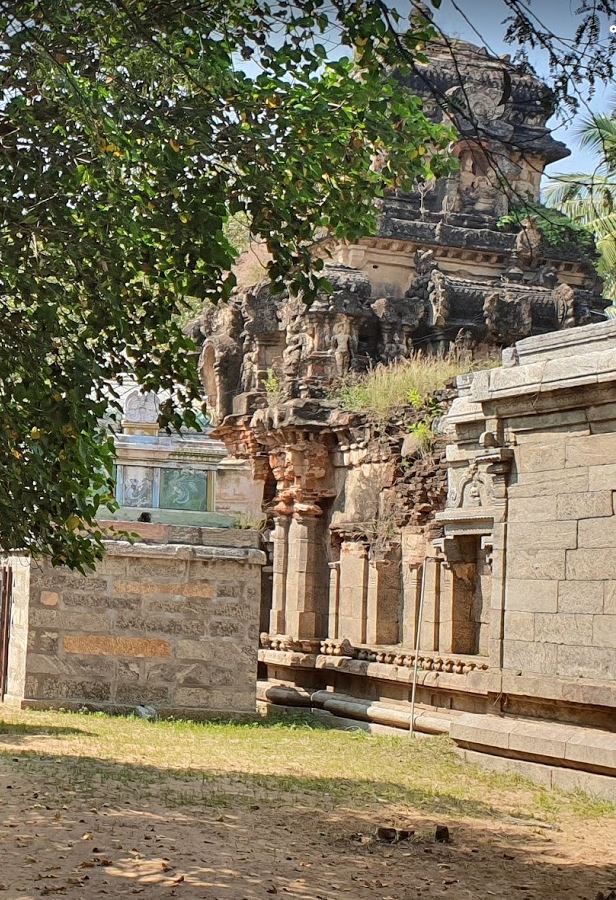
Agatheeswarar Temple, Karur
Agatheeswarar Temple in Thirumukkudalur, Karur district, is an ancient Hindu shrine dedicated to Shiva, situated at the sacred confluence of three rivers and believed to be over 1000 years old.
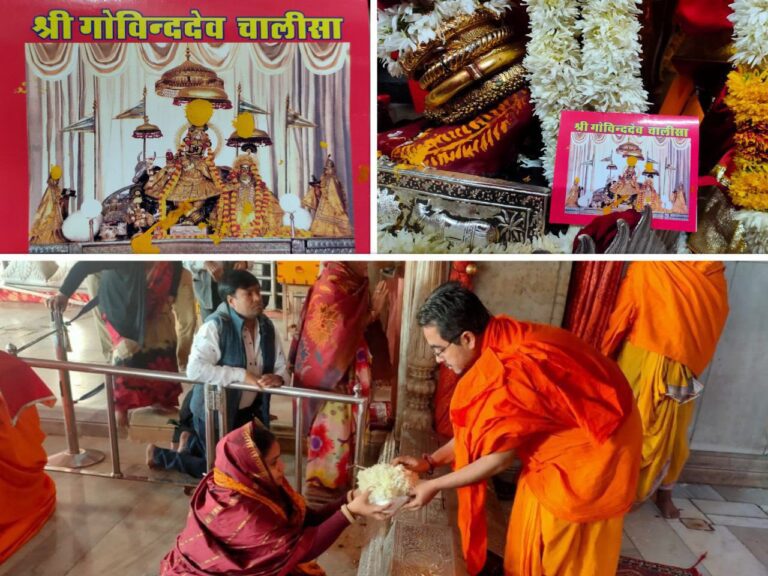
Kalyanji Temple
Kalyanji Temple in Jaipur's Chandpol Bazaar is an ancient Krishna shrine established in the 1820s, renowned for its seven daily aartis and special avatar darshan ceremonies during Akha Teej and Patottsav festivals.
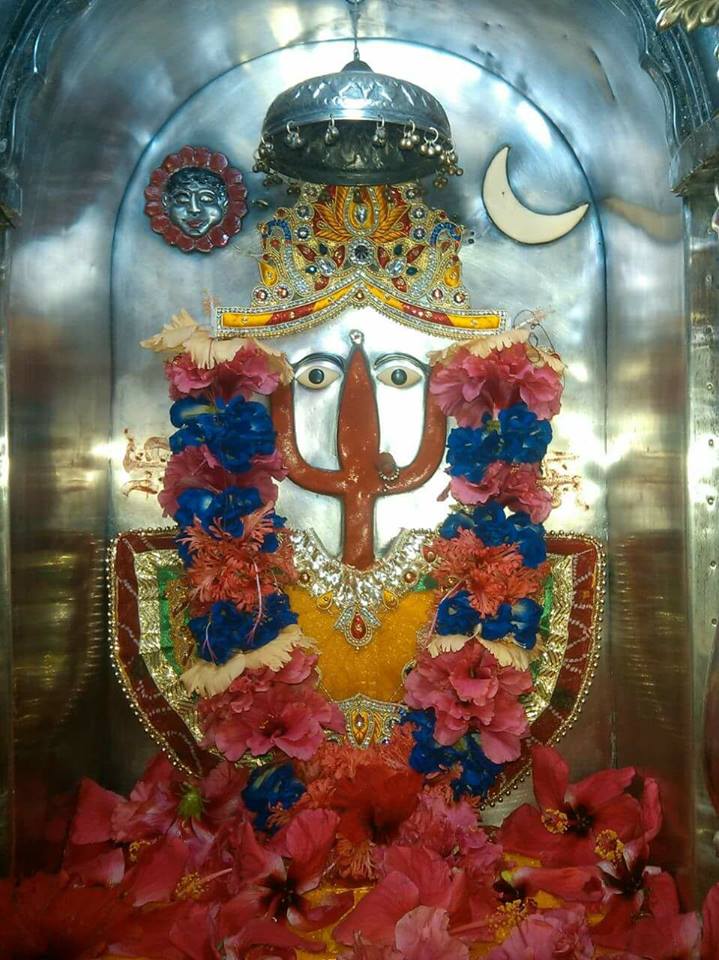
Rani Sati Mandir Mahuda
Rani Sati Mandir in Mahuda, Dhanbad District, is a Hindu temple established in 1992 that serves as a spiritual center for the local community and attracts devotees seeking blessings.