Shiva Temple ruins, Devgarh-Bhadwahi
About Shiva Temple ruins, Devgarh-Bhadwahi
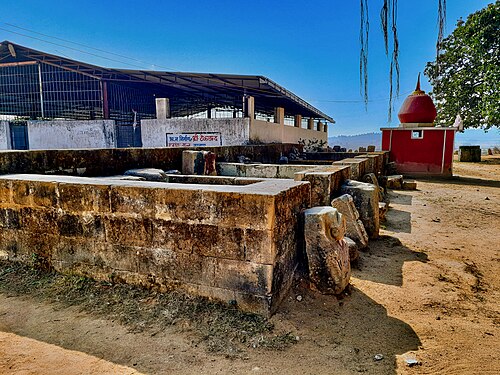
Devgarh occupies a distinctive position within Chhattisgarh's medieval religious geography. The site contains multiple mounds and scattered ruins distributed across the surrounding farmland, suggesting a settlement of considerable religious and possibly administrative importance. The Rihand river, which flows nearby, would have provided both practical resources and spiritual significance to the community that built and maintained these structures.
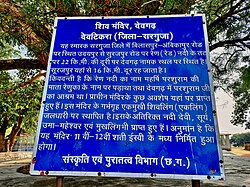
Local tradition connects the Devgarh–Bhadwahi region to Maharishi Parasurama, a figure prominent in Hindu Puranic literature. This legendary association may reflect the antiquity that local communities attribute to the site, though the surviving architectural remains date specifically to the medieval period.
Visiting the Ruins
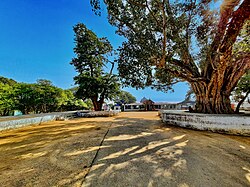
The temple ruins remain accessible to visitors and pilgrims. The site includes both the ancient structural remains and modern-era temple structures built nearby. Local Hindu devotees continue the practice of parikrama—ritual circumambulation—at both the ruins and the newer temples, maintaining a living connection to the sacred geography of the location.
Visitors should be prepared for a rural setting with limited facilities. The ruins are situated among farmland, and access may be affected by seasonal conditions and agricultural activity. Modest dress is appropriate when visiting sacred sites. There are no recorded formal darshan timings or entry fees for the ruins themselves, as the site functions as an open archaeological and devotional space rather than an organized temple institution.
What to See
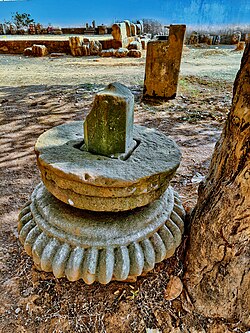
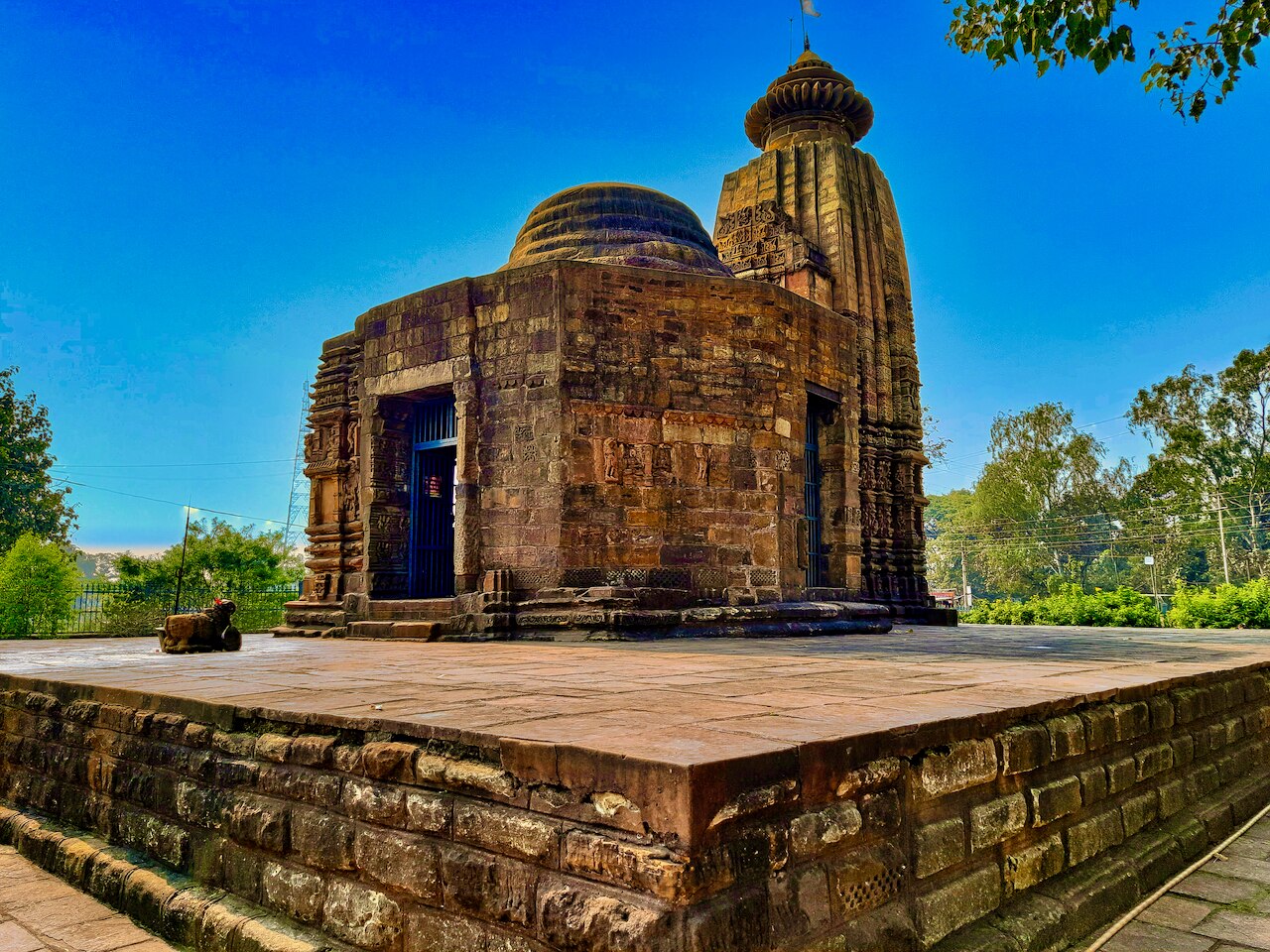
The surviving carved elements provide insight into medieval Hindu sculptural traditions. The mutilated artwork—damaged by time and weathering—includes representations of major deities and divine figures. These carvings offer evidence of the theological and artistic priorities of the temple's original builders and patrons. Photography of the ruins is generally permitted, though visitors should exercise sensitivity and care around fragile stone elements.
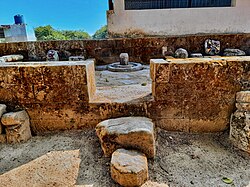
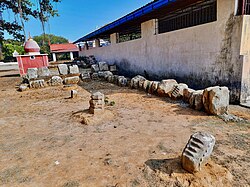
The juxtaposition of ancient ruins with modern temple structures creates a layered spiritual landscape. This coexistence reflects how sacred sites in India often accumulate devotional layers across centuries, with newer constructions sometimes rising adjacent to or incorporating older foundations.
Reaching Devgarh
The site is located in Surguja district, Surguja division, in the state of Chhattisgarh. The coordinates are 23.018177°N, 82.949231°E. Bhadwahi serves as the nearest reference point for navigation. The hamlet of Devgarh lies in a rural area, so visitors should plan travel accordingly and may benefit from local guidance once in the region. The nearest major city is Ambikapur, the district headquarters.
Practical Considerations
The ruins are an open-air archaeological site with no recorded visitor infrastructure such as guides, refreshment facilities, or formal accommodation on-site. Visitors should bring adequate water and sun protection. The best time to visit would be during the cooler months, as the site offers minimal shade. Local residents in the surrounding farmland may be able to provide directions and context.
This is a site for those interested in medieval Hindu architecture and archaeology as much as for devotional pilgrimage. The experience differs substantially from that of an active, staffed temple, requiring greater self-direction and preparation from visitors.
How to reach
Temples near Shiva Temple ruins, Devgarh-Bhadwahi
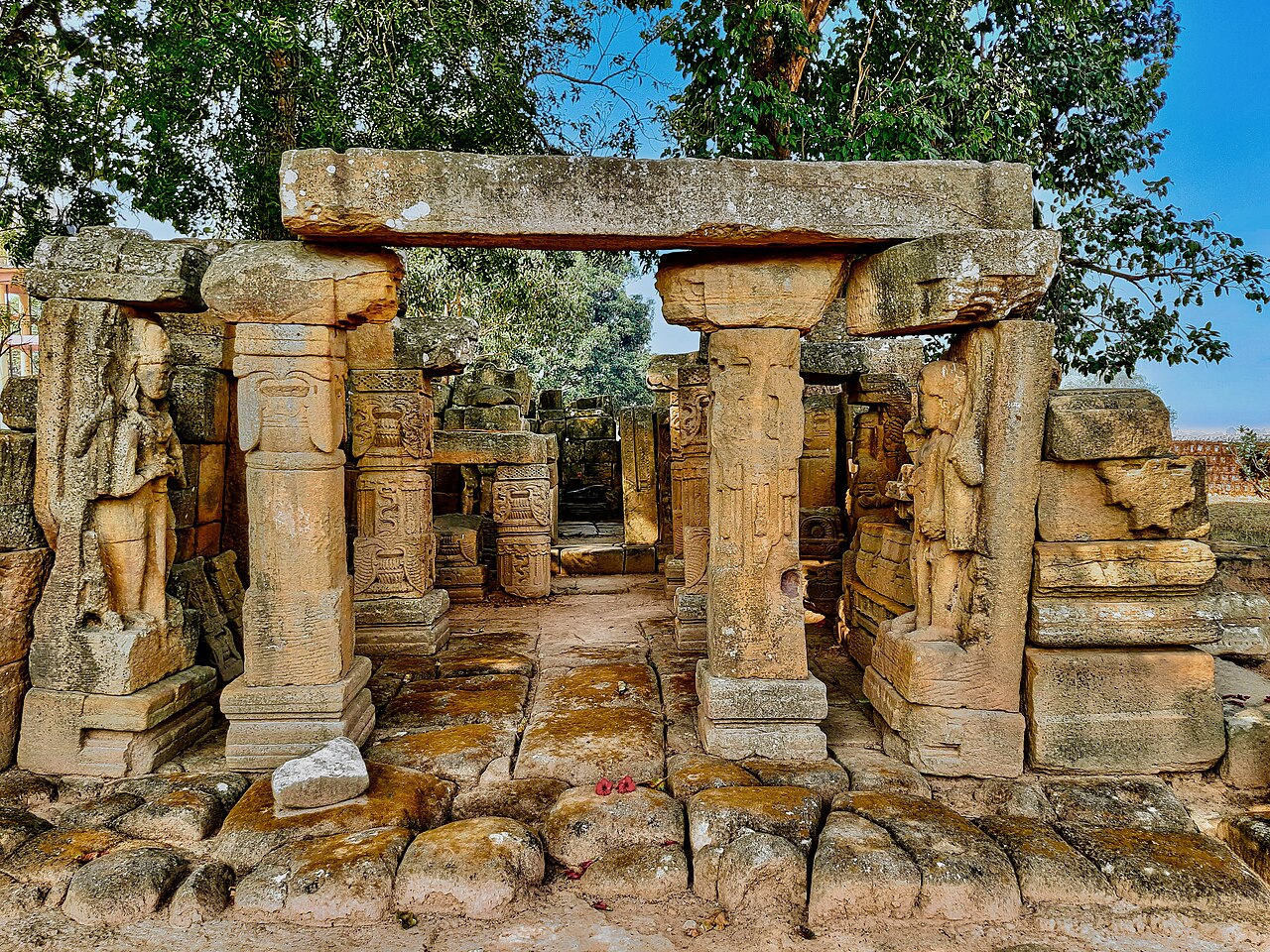
Cherka Deur Devi Temple ruins, Devgarh–Bhadwahi
Cherka Deur Devi Temple ruins are located in Devgarh–Bhadwahi within Surguja district, Chhattisgarh. The temple remains are part of the region's historical Hindu religious herit…
Satmahala Group of Temples, Kalcha-Bhadwahi
The Satmahala Group comprises seven ancient brick temples in Kalcha-Bhadwahi village, Surguja district, believed constructed during the 8th or 9th century and now in a dilapidat…
Shiva Temple Group, Harratoli Chhattisgarh
An ancient temple complex dedicated to Lord Shiva, believed to date from the 8th century CE and protected as a monument by the Archaeological Survey of India.
Ruined temple near Rani Talab, Dipadih Kusmi
A vast field of scattered temple ruins dating from the 8th to 13th centuries near Rani Talab in Dipadih, Chhattisgarh, containing at least seven temple foundations with fragment…
Mahisasur Mardini Temple, Chaiturgarh Korba
The Mahishasur Mardini Temple at Chaiturgarh is a historic 10th-century shrine dedicated to the goddess Mahishasur Mardini, situated atop a 3,060-foot hilltop fort near Pali in…
Pali Mahadev temple, Korba
The Pali Mahadev Temple in Korba, Chhattisgarh is an ancient Shiva shrine renowned for its sophisticated early medieval architecture and intricate stone carvings comparable to K…