Cherka Deur Devi Temple ruins, Devgarh–Bhadwahi
About Cherka Deur Devi Temple ruins, Devgarh–Bhadwahi
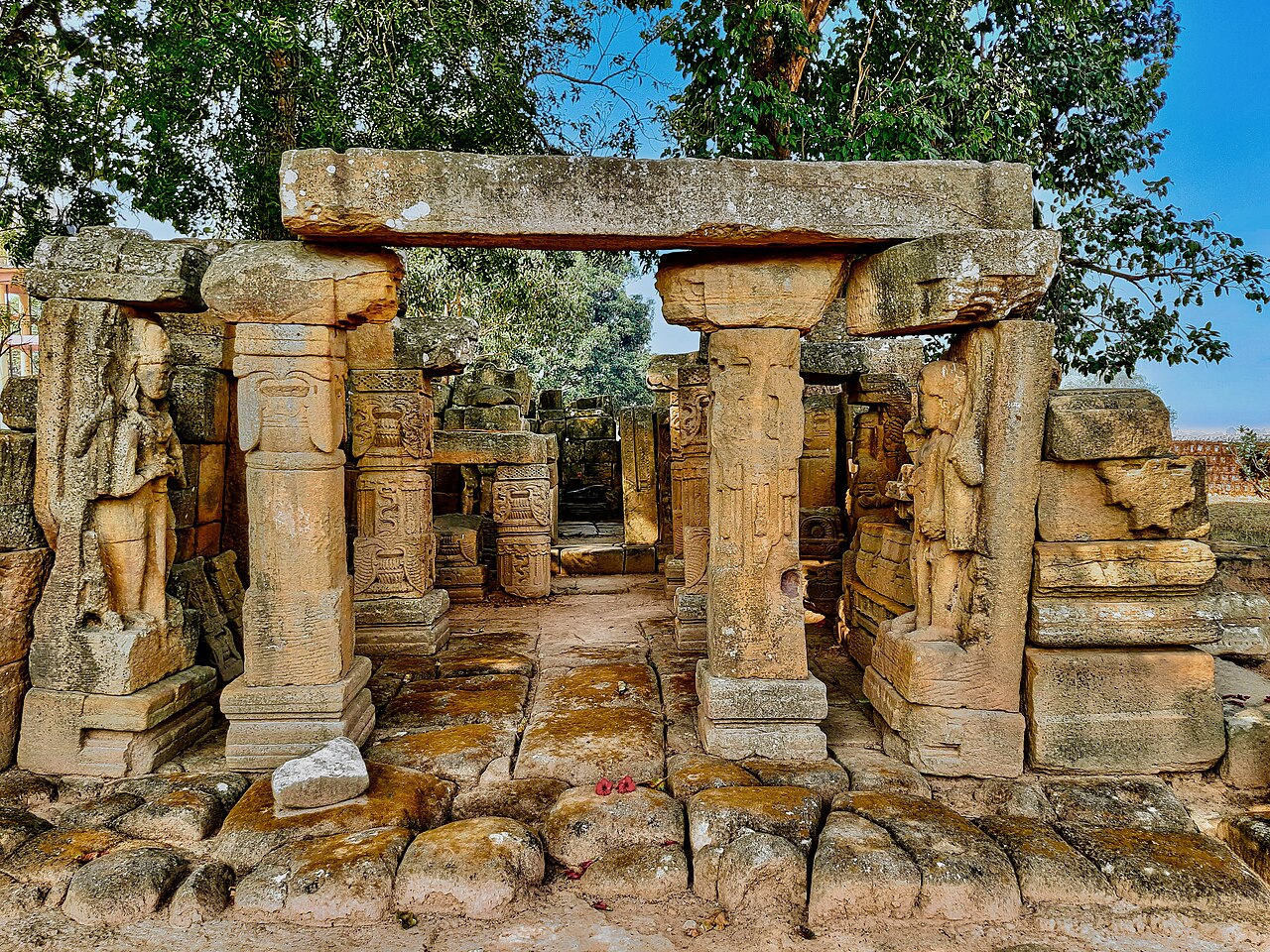
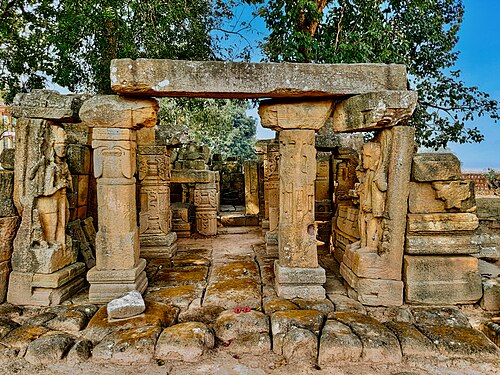
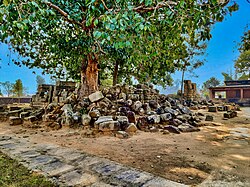
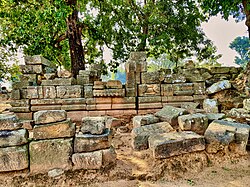
The temple platform and some pillars remain at their original locations, though much of the structure has been damaged or lost. Villagers have recovered scattered architectural pieces and restacked them, but this reassembly does not follow the proportions and principles outlined in classical Hindu temple texts. The result is a site where fragments tell their own story rather than a coherent whole.
The sculptural remains are notable. Carved figures include representations of Ganesha and Kartikeya mounted on a peacock. Among the most striking pieces is a statue of Ganga, the river goddess, shown with her traditional vahana (vehicle), the makara—a mythical aquatic creature. A partially finished Yamuna figure also survives. These mutilated artworks, though oddly positioned and incomplete, retain impressive detail and craftsmanship when examined individually. They offer glimpses into the iconographic programme that once adorned the temple.
Visiting the Site
The ruins lie approximately half a kilometre from another significant archaeological site: the Shiva temple ruins also located in Devgarh. The temple is situated in an active village landscape, with ruins scattered among farmland. Visitors should be prepared for an archaeological site rather than an active place of worship with established facilities or formal darshan hours.
Access to the site requires local knowledge or guidance, as it is not a major pilgrimage destination with published visiting information. Those planning a visit should make enquiries locally in Devgarh or Bhadwahi. The nearest city is Bhadwahi itself. Appropriate footwear for walking through farmland and uneven terrain is advisable. Respect for the site and for local residents whose land surrounds the ruins is essential.
The Broader Archaeological Context
Surguja district contains approximately 75 square kilometres of terrain around Bhadwahi marked by historic Hindu and Jain temple ruins and archaeological mounds. The largest of these sites is Satmahala, located west of Bhadwahi. Cherka Deur Devi Temple is one of several significant ruins in the Devgarh area, making the region valuable for understanding medieval religious architecture and practice in north Chhattisgarh.
The difficulty in precisely dating these ruins—and the reliance on official assessment rather than detailed archaeological study—reflects the challenges of working with fragmentary evidence. The site remains an open text for those interested in medieval temple construction and the history of goddess worship in central India.
Understanding the Devi Tradition
Temples dedicated to the Devi, or goddess, form a major strand of Hindu devotional practice. The goddess appears in many forms and names across regions and periods. Without specific records of which form was worshipped here, visitors can appreciate the site as evidence of the centrality of goddess veneration in this region's medieval religious life. The presence of river goddesses like Ganga in the sculptural programme suggests connections to broader patterns of sacred geography and water worship in Hindu tradition.
Practical Considerations
This is an archaeological site rather than an active temple with regular worship, priests, or visitor infrastructure. There are no published darshan timings, aarti schedules, or facilities such as shops or rest areas. Visitors should treat the site with the respect due to both a sacred place and an archaeological monument. Photography may be possible but should be undertaken with sensitivity to the site's significance.
The nearest substantial town is Bhadwahi. Those travelling from further afield should plan accordingly, as the site is remote and requires local access. The best approach is to contact local authorities or guides in Bhadwahi who can provide current information about access and conditions.
How to reach
Temples near Cherka Deur Devi Temple ruins, Devgarh–Bhadwahi
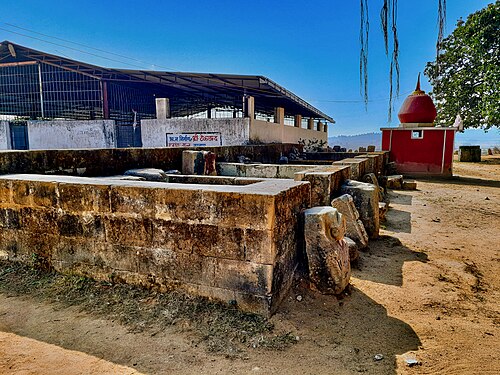
Shiva Temple ruins, Devgarh-Bhadwahi
The Shiva Temple ruins at Devgarh-Bhadwahi in Chhattisgarh represent a significant medieval Hindu temple site dating to the 11th–12th century, featuring mutilated artwork depict…
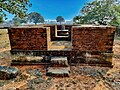
Satmahala Group of Temples, Kalcha-Bhadwahi
The Satmahala Group comprises seven ancient brick temples in Kalcha-Bhadwahi village, Surguja district, believed constructed during the 8th or 9th century and now in a dilapidat…
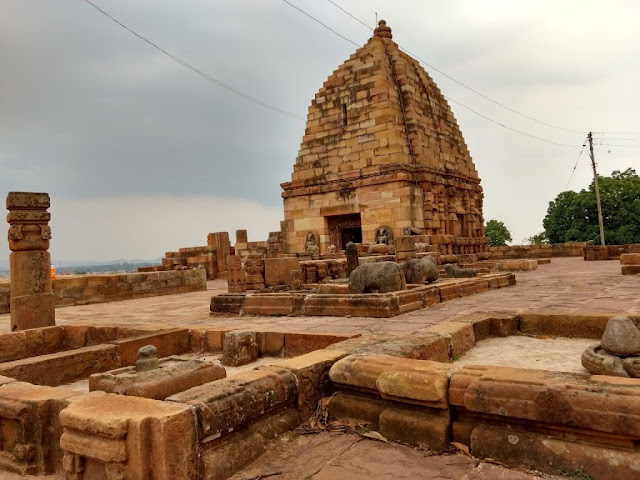
Shiva Temple Group, Harratoli Chhattisgarh
An ancient temple complex dedicated to Lord Shiva, believed to date from the 8th century CE and protected as a monument by the Archaeological Survey of India.
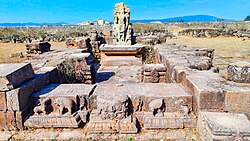
Ruined temple near Rani Talab, Dipadih Kusmi
A vast field of scattered temple ruins dating from the 8th to 13th centuries near Rani Talab in Dipadih, Chhattisgarh, containing at least seven temple foundations with fragment…
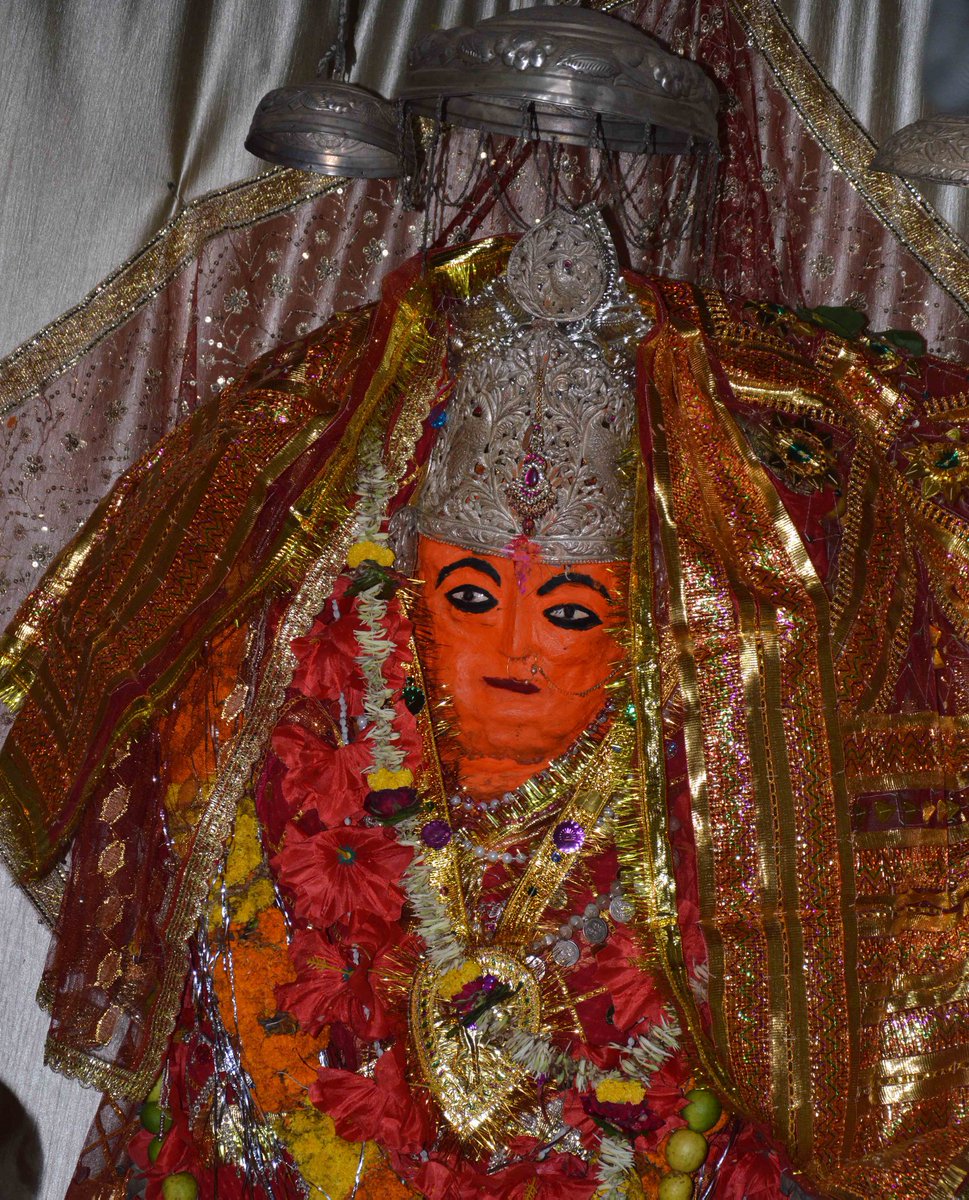
Mahisasur Mardini Temple, Chaiturgarh Korba
The Mahishasur Mardini Temple at Chaiturgarh is a historic 10th-century shrine dedicated to the goddess Mahishasur Mardini, situated atop a 3,060-foot hilltop fort near Pali in…
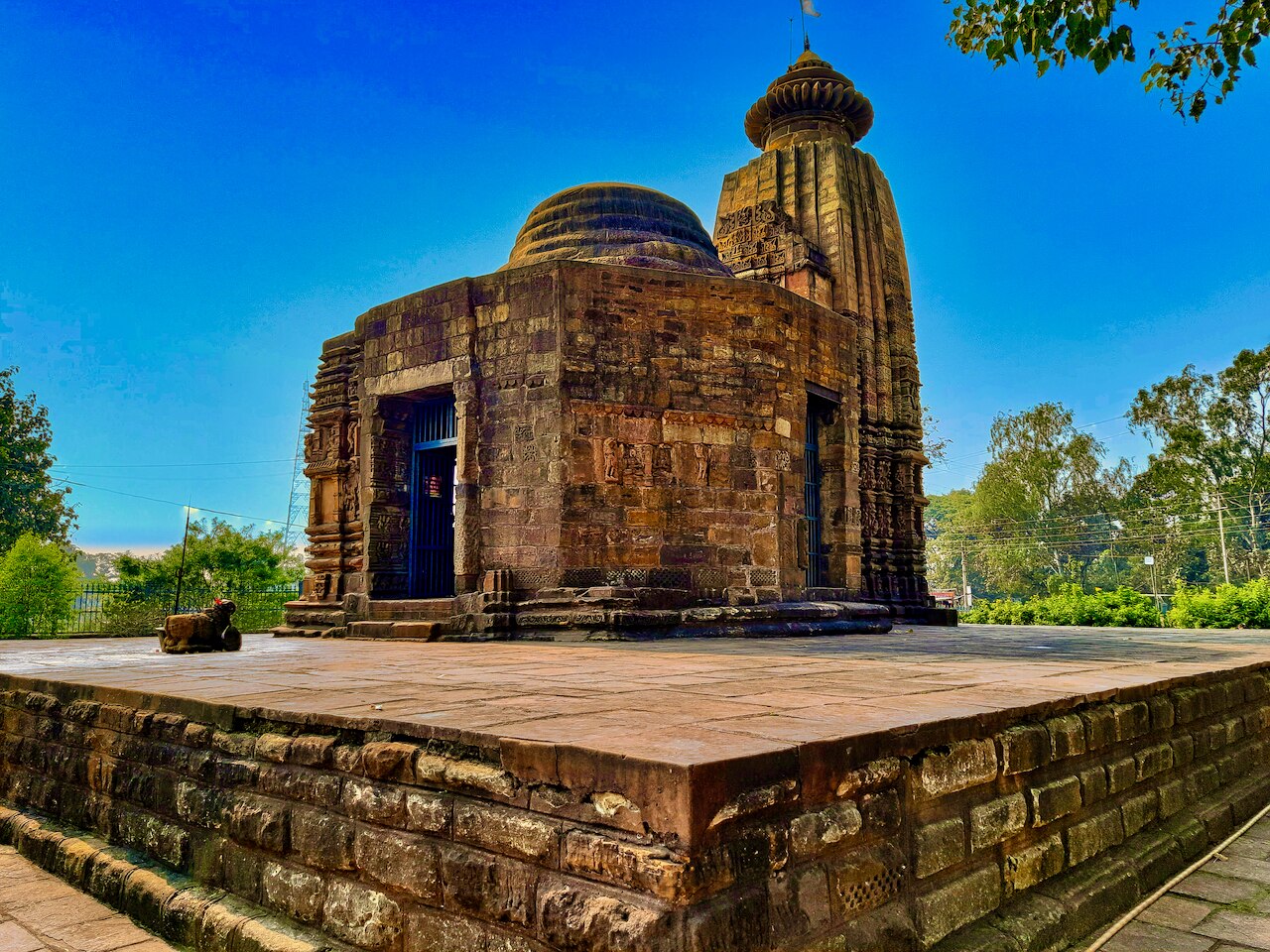
Pali Mahadev temple, Korba
The Pali Mahadev Temple in Korba, Chhattisgarh is an ancient Shiva shrine renowned for its sophisticated early medieval architecture and intricate stone carvings comparable to K…