Pali Mahadev temple, Korba
About Pali Mahadev temple, Korba
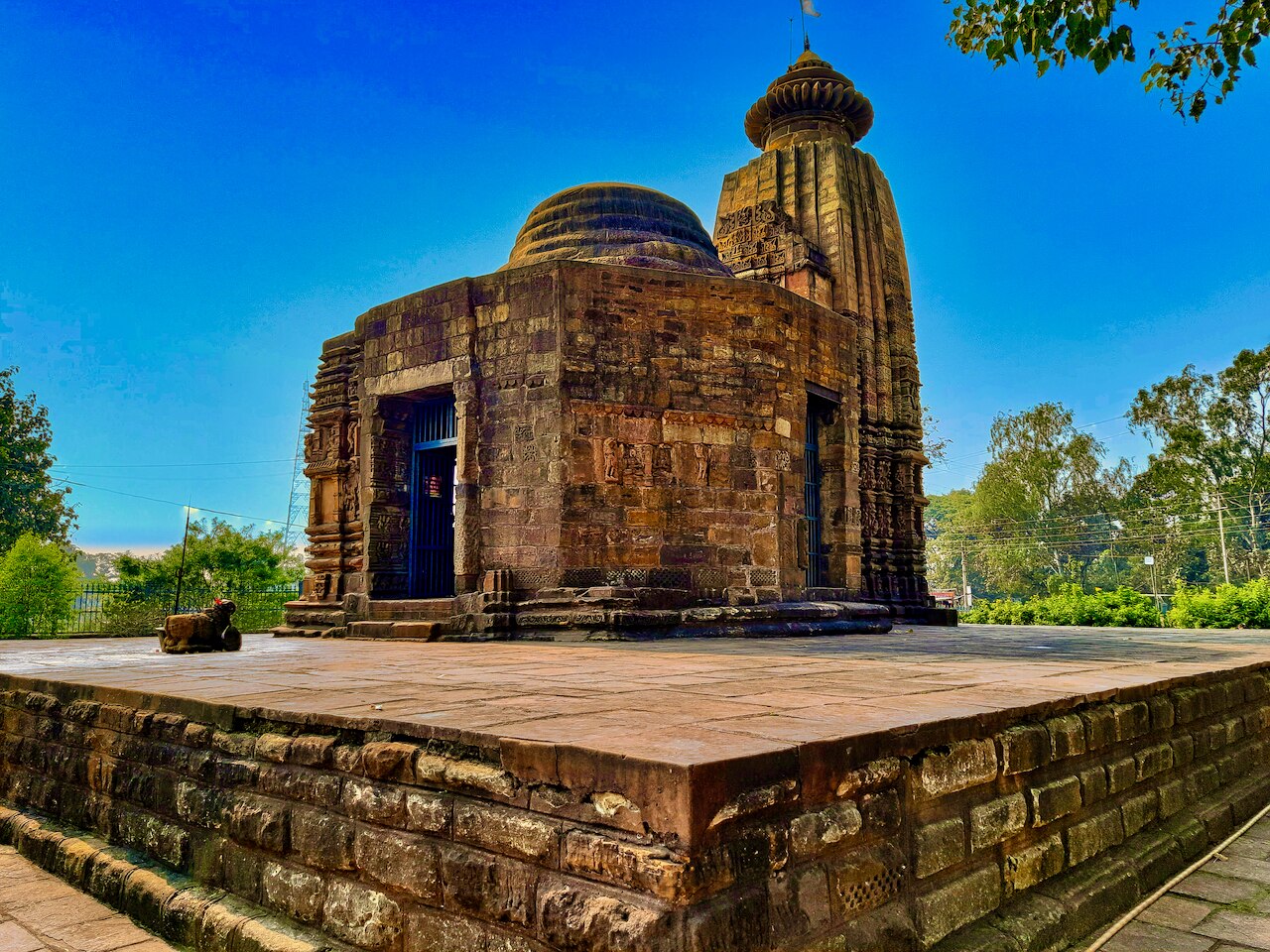
Historical records indicate the temple's origins trace to early regional rulers, with construction attributed to Vikramaditya (Jayameyu), son of Maha Mandaleswar Malldeo. The temple subsequently underwent significant restoration during the 11th and 12th centuries under Jajalladeva I of the Kalachuri dynasty. Inscriptions bearing his name remain visible on the temple structure, providing archaeological evidence of this medieval period of renewal and maintenance.
The temple's survival across more than a millennium reflects both the durability of its stone construction and the continuity of worship at the site. Through political transitions and environmental weathering, the structure has endured as a functioning religious centre and historical record of Central Indian temple traditions.
Architectural Character
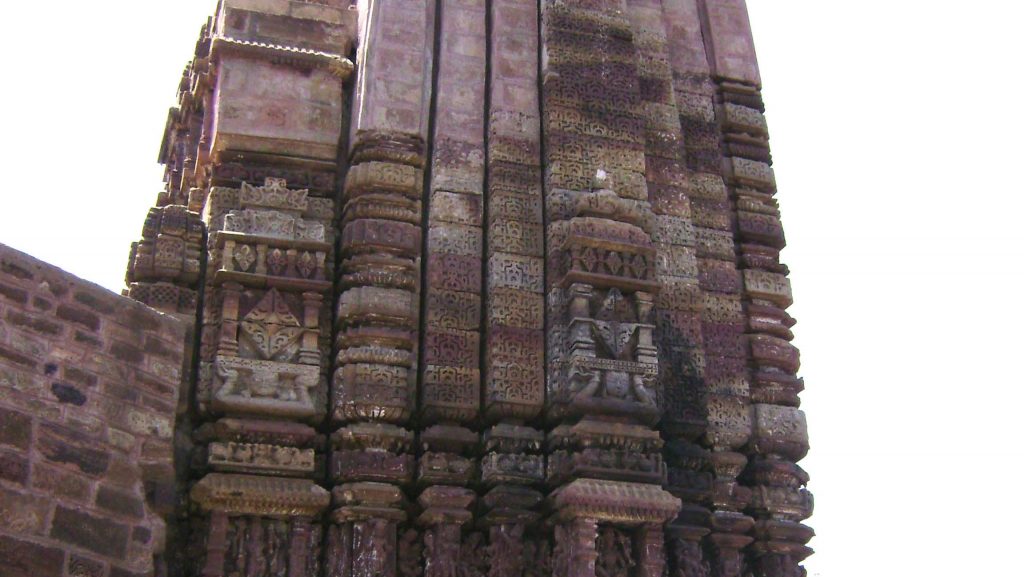
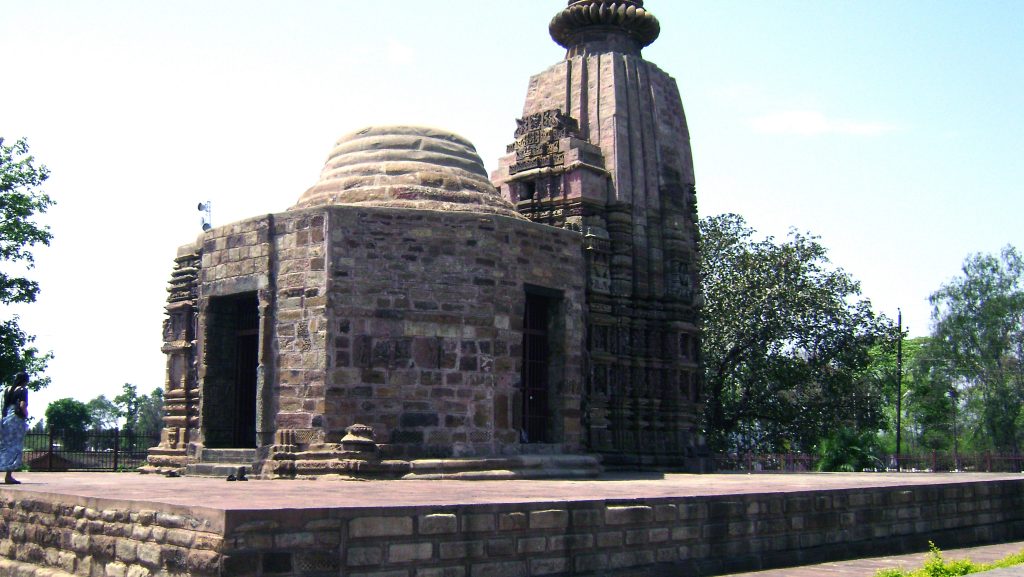
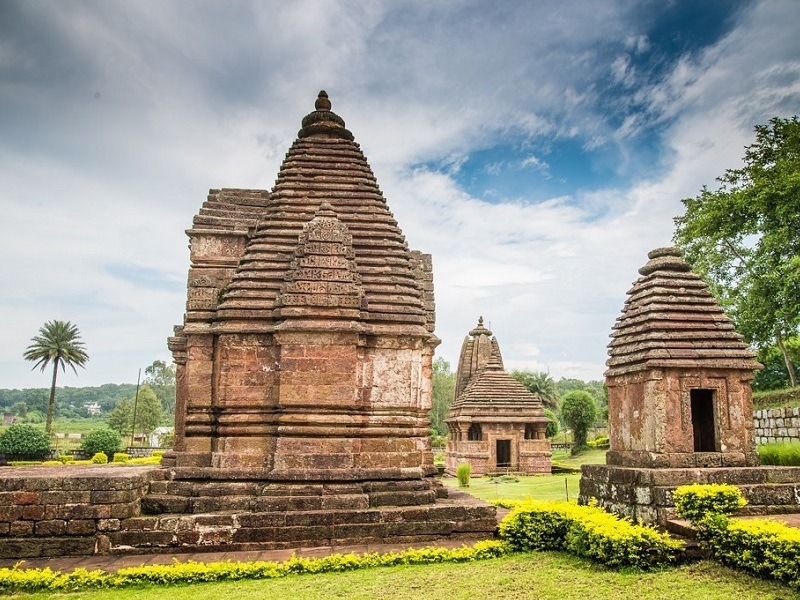
The temple exemplifies medieval Indian craftsmanship through its sophisticated design and detailed stone carving. Its sculptural style draws comparison to the renowned temples of Khajuraho, indicating a shared artistic vocabulary across regions during this period. The temple features an uncommon octagonal entrance, distinguishing it from more conventional temple designs, and rises on a raised platform constructed across five levels.
The stone carvings throughout the structure display religious themes executed with considerable technical skill. These decorative elements, combined with the temple's overall proportions and layout, demonstrate the architectural knowledge and aesthetic refinement of its builders and restorers. The integration of the sacred pond into the temple complex reflects traditional Hindu temple planning, where water features hold both practical and spiritual significance.
Visiting the Temple
The temple is situated on the Bilaspur Ambikapur Highway in Pali, Korba District, Chhattisgarh. Visitors should contact the temple directly to confirm current darshan timings, as these may vary on festival days. The site functions as both an active place of worship and an archaeological monument, so visitors should observe appropriate conduct and dress respectfully when entering the temple premises.
As a Shiva temple, standard etiquette for Hindu temples applies: removing footwear before entering sanctified areas, moving clockwise around the sanctum when permitted, and maintaining quiet reverence within the inner shrine. The temple's status as a national monument means the site may have specific guidelines for photography or access to certain areas; checking with temple staff upon arrival is advisable.
The Sacred Pond
The nine-cornered pond adjacent to the temple represents a significant feature of the complex. Maintained as a perennial water source, it serves both practical and ritual functions within the temple's religious life. In Hindu temple traditions, such ponds often feature in daily worship practices and seasonal observances, and devotees may perform ritual bathing or water-based offerings according to temple custom.
Reaching Pali Mahadev Temple
The temple is accessible via the Bilaspur Ambikapur Highway, located approximately 50 kilometres from Korba city. Visitors travelling from Korba should follow the highway toward Bilaspur; the temple's position in Pali town makes it a recognisable landmark on this route. Those without private transport may enquire locally about bus services connecting Korba to Pali, though advance planning is recommended given the temple's location outside major urban centres.
The site's designation as a Monument of National Importance reflects its value to both religious communities and those interested in Indian architectural and archaeological heritage. Visitors combining pilgrimage with cultural tourism will find the temple's combination of active worship space and historical significance rewarding.
How to reach
Temples near Pali Mahadev temple, Korba
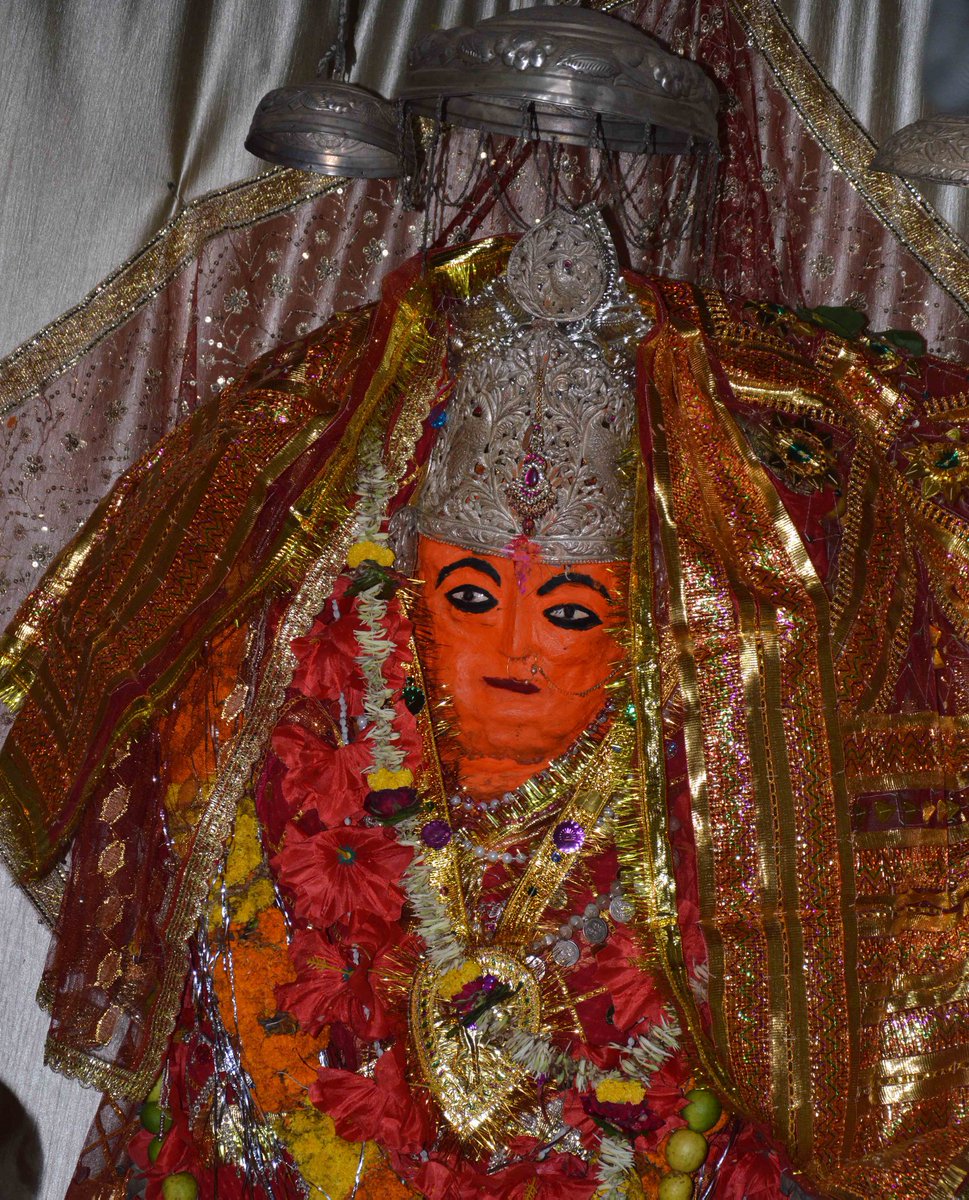
Mahisasur Mardini Temple, Chaiturgarh Korba
The Mahishasur Mardini Temple at Chaiturgarh is a historic 10th-century shrine dedicated to the goddess Mahishasur Mardini, situated atop a 3,060-foot hilltop fort near Pali in…
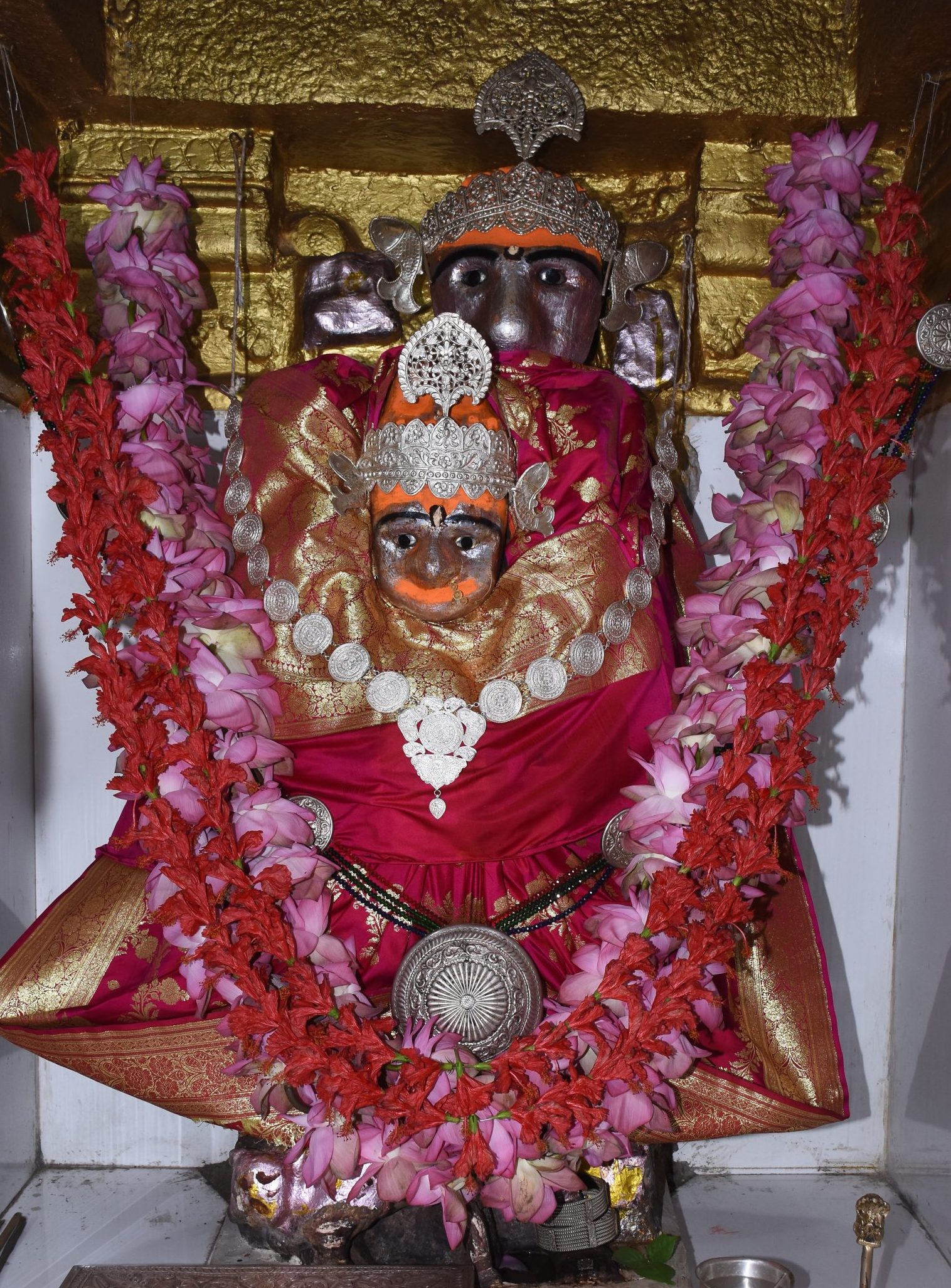
Mahamaya Temple
Mahamaya Temple in Ratanpur is a revered Shakta pitha dedicated to Goddess Durga in her forms as Mahamaya and Mahalakshmi, representing one of India's 52 sacred feminine power s…
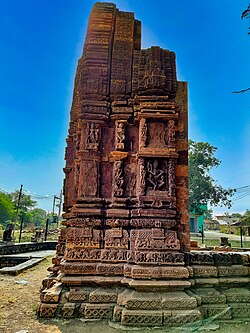
Deokirari Shiv temple, Kirari Godi, Chhattisgarh
The Deokirari Shiv temple is an 11th-century Kalachuri-era shrine near Kirari Godhi village in Bilaspur district, Chhattisgarh. Though largely ruined, its remaining platform and…
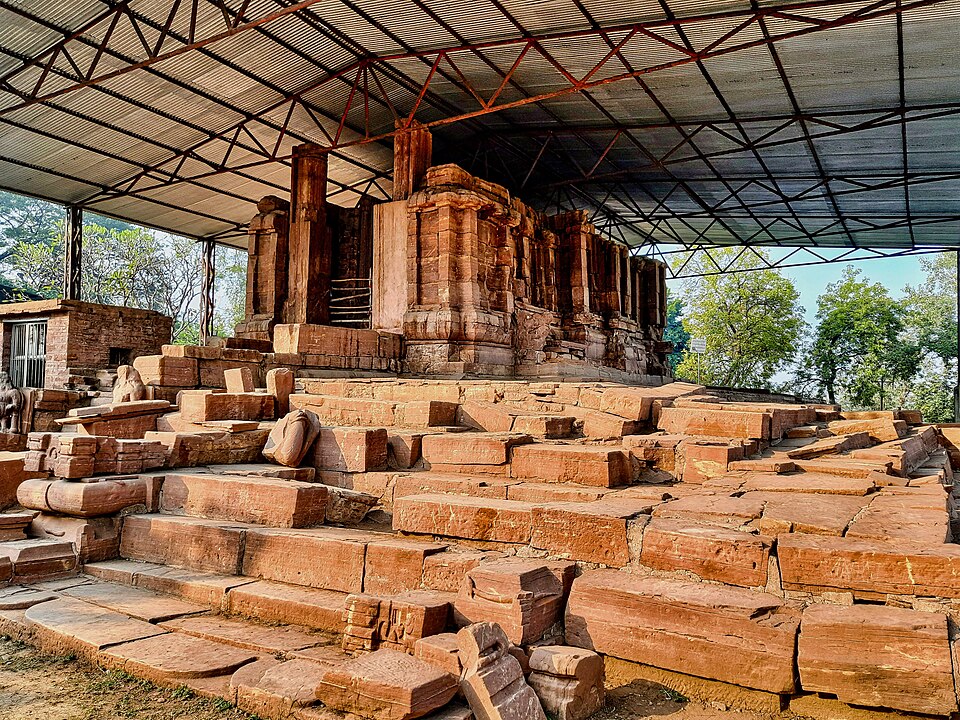
Devrani Jethani Temple Complex
The Devrani Jethani Temple Complex in Tala, Chhattisgarh comprises two ancient stone temples dating to the 5th-6th centuries, renowned for a unique seven-foot Rudra Shiva statue…
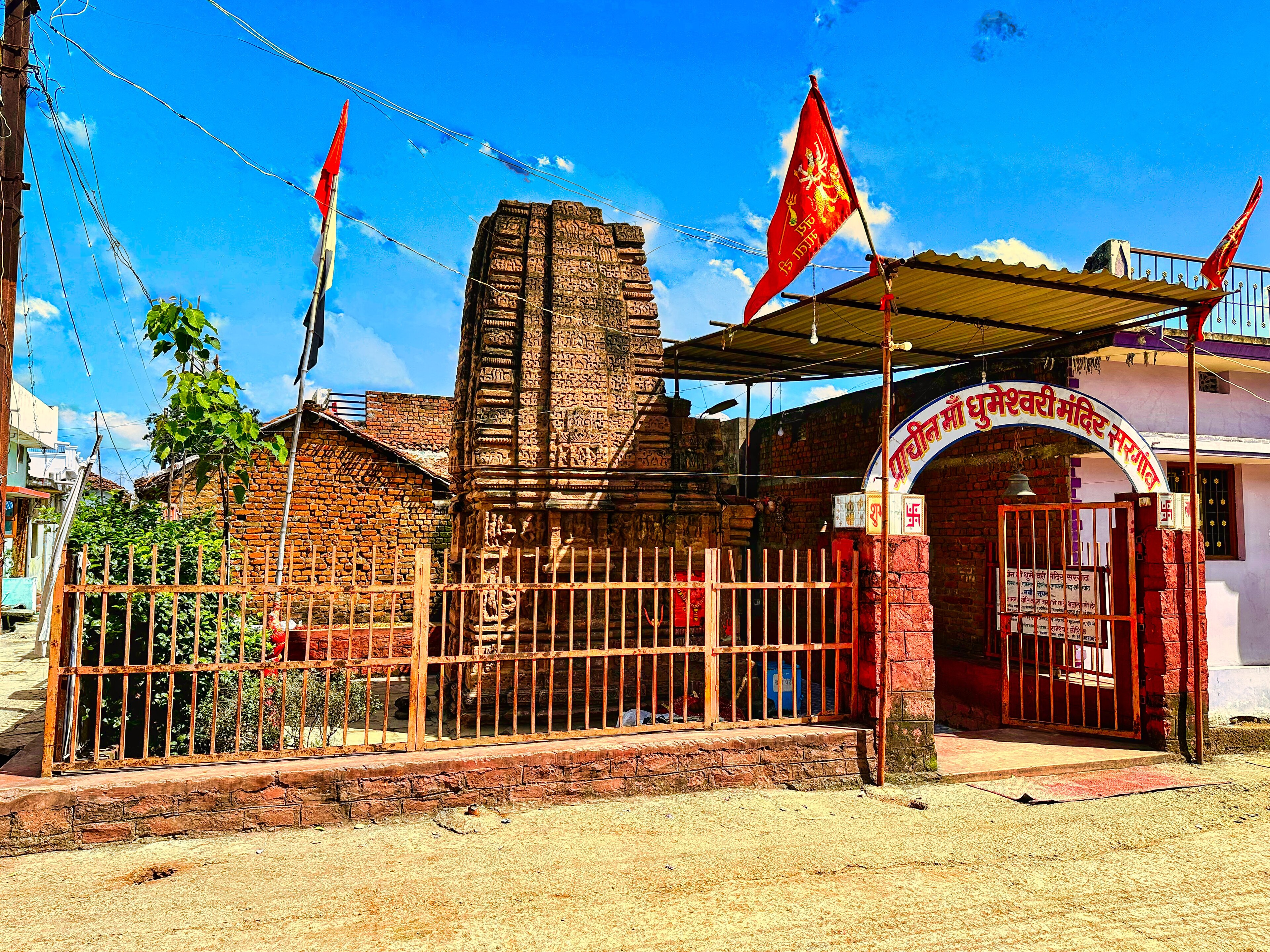
Dhumnath Temple
Dhumnath Temple is a Shiva temple located in Sargaon village, Chhattisgarh, built during the Kalachuri period and protected as a state monument.
Kalachuri Group of Temples, Amarkantak
The Kalachuri Group of Temples in Amarkantak is a complex of six temples constructed during the 11th century CE under King Lakshmikarna, showcasing brilliant Kalachuri architect…