Shiva Temple
About Shiva Temple
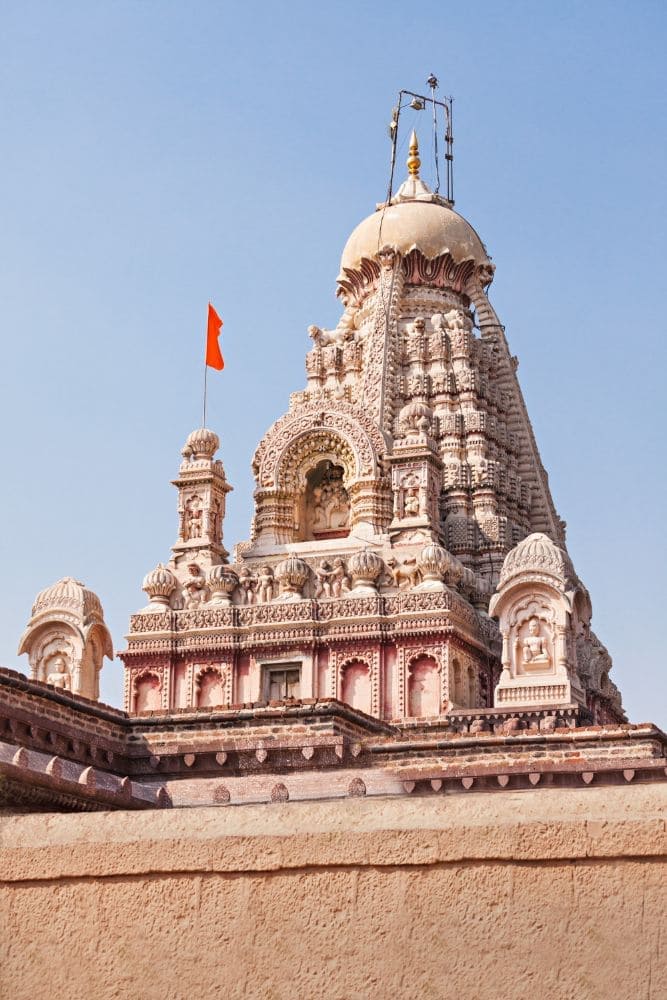
The temple's present form reflects centuries of devotion and royal patronage. The structure was first rebuilt in the sixteenth century by Maloji Bhosale, grandfather of the Marathi warrior-king Chhatrapati Shivaji Maharaj. Later, in the eighteenth century, Queen Ahilyabai Holkar undertook a complete reconstruction, establishing the temple in the form that stands today. This layered history connects the site to significant figures in Maharashtra's past.
According to tradition preserved in the Shiv Puran, the temple's origins trace to the devotion of a woman named Ghusma, who worshipped Lord Shiva by immersing 101 Shivalingas in a pond. When tragedy struck her family, her unwavering faith moved Lord Shiva to intervene, and he agreed to reside at the site in the form of a Deosthan—a sacred dwelling place of the deity.
Architecture and Layout
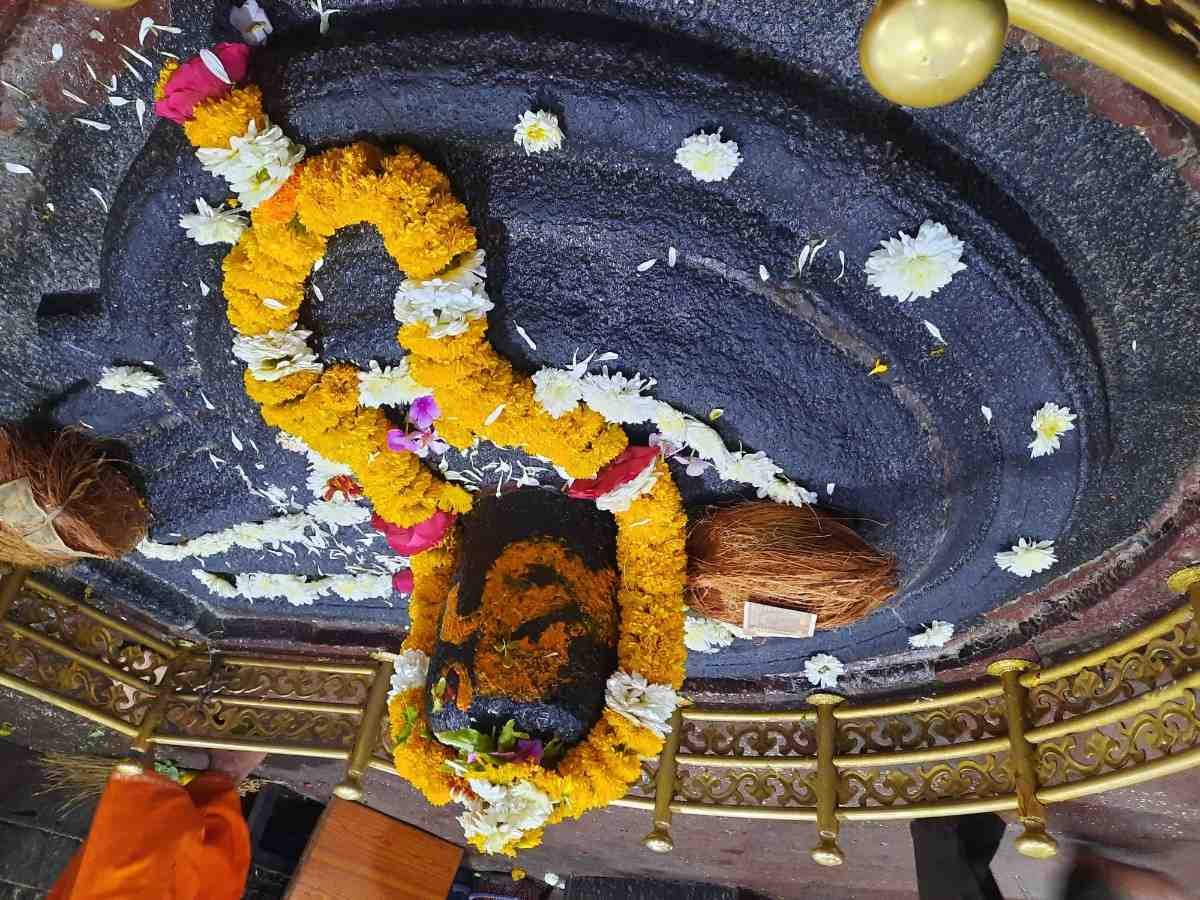
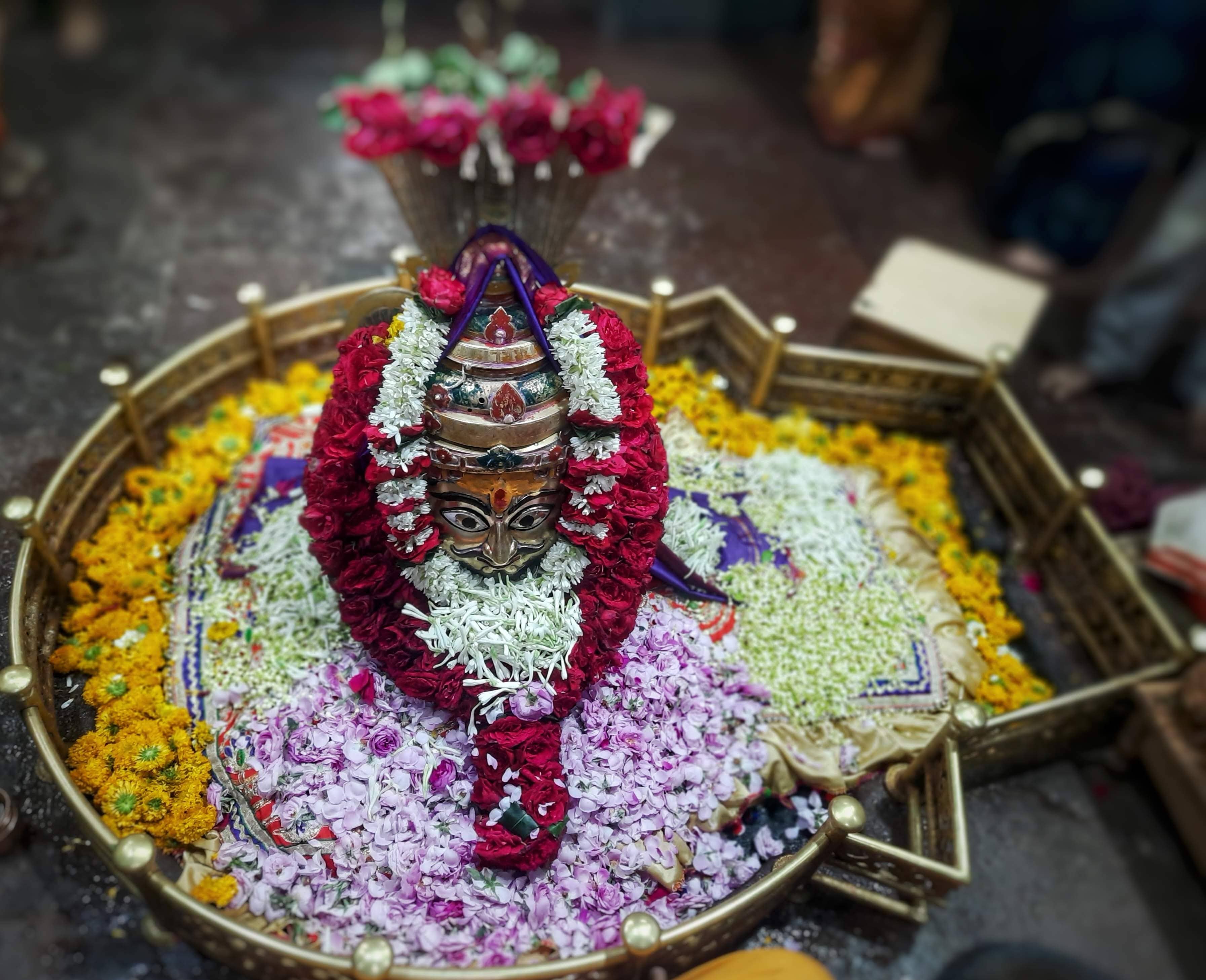
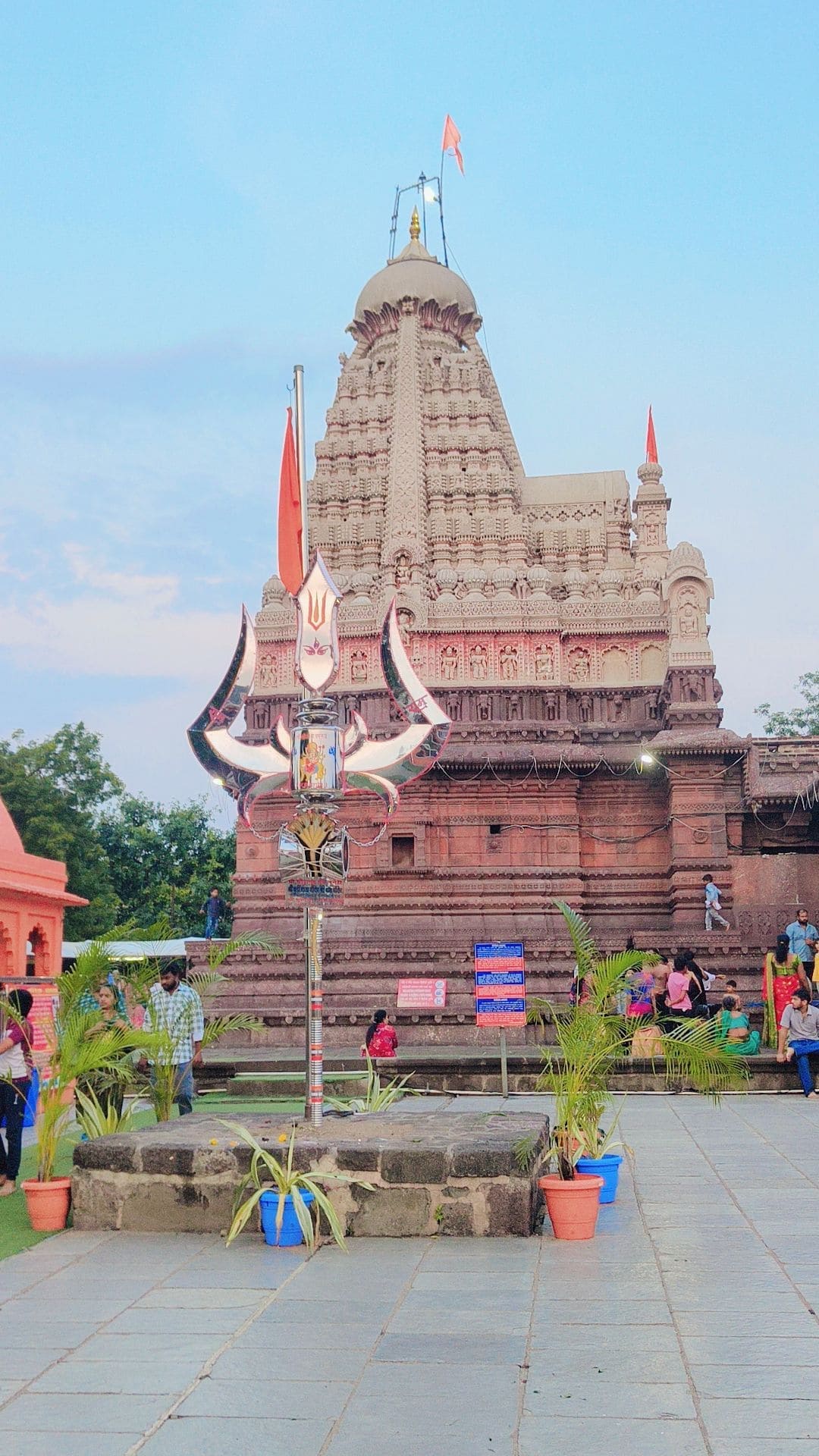
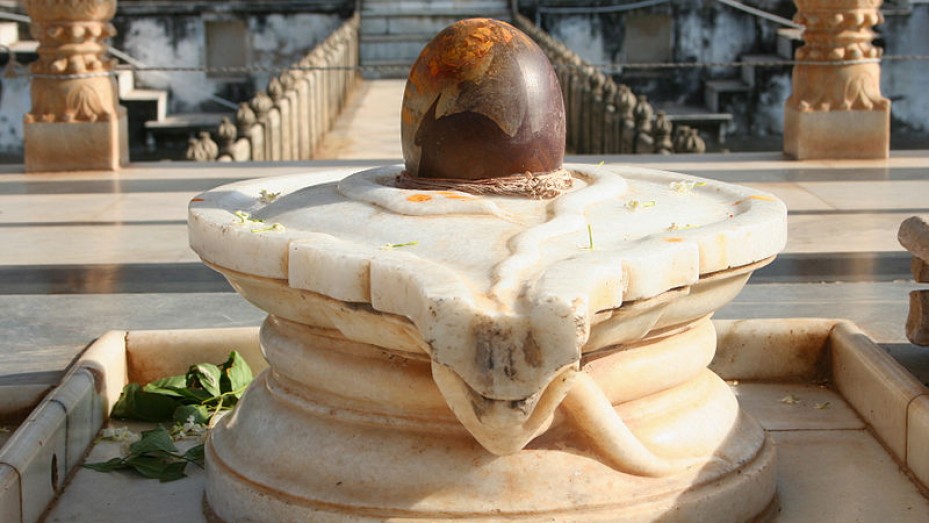
The temple is constructed from red stone across an area of 44,000 square feet, employing South Indian architectural style—a distinctive choice in Maharashtra. The structure features golden finishing alongside the red stone, creating a visually striking appearance. Within the inner sanctum, or Garbhagriha, the sacred Shivling is installed. At the entrance stands a Nandi statue, the sacred bull associated with Lord Shiva. The walls and pillars bear carved representations of Lord Shiva, Goddess Parvati, and other figures, reflecting the artistic traditions of the period.
Daily Darshan and Rituals
The temple maintains consistent daily schedules for devotees. Morning darshan opens at 5:30 AM and continues until noon, with an afternoon break from 12:00 PM to 1:00 PM. Evening darshan resumes at 1:00 PM and extends until 9:00 PM. Three principal aartis—ritual offerings of light and prayer—structure the day: the morning aarti at 5:00 AM, the Bhog Aarti at noon, and the evening aarti at 8:00 PM. Puja services are available during morning hours (6:00 AM to 11:30 AM) and afternoon hours (2:00 PM to 7:00 PM), allowing devotees to participate in formal worship.
Early morning hours offer the most peaceful experience, with lighter crowds and cooler temperatures. The temple also provides live darshan streaming, allowing remote devotees to connect with the sacred space from home.
Pilgrimage Seasons and Observances
Mahashivratri and the month of Shravan represent significant pilgrimage periods when devotees gather in larger numbers. These traditional observance times draw worshippers seeking deeper spiritual connection with Lord Shiva. The temple's festival calendar reflects the broader Hindu devotional calendar, though specific festival dates and celebrations are best confirmed through the temple's official channels.
Visiting Information and Nearby Attractions
The temple's location near Verul village places it within reach of several important sites. The Ellora Caves lie just 2 kilometers away, a UNESCO World Heritage Site of considerable archaeological and artistic significance. Other nearby attractions include Bhadra Maruti Temple (5.1 km), Daulatabad Fort (13.9 km), and the Aurangabad Caves (25 km). This clustering of heritage sites makes the temple a natural stop within a broader exploration of the region's spiritual and historical landscape.
Visitors should plan their visit according to the darshan timings and consider the climate of the region. Standard temple etiquette applies: removing footwear before entering, maintaining respectful behavior within the sanctum, and dressing modestly. The temple's official website and live darshan service provide current information for planning your visit.
How to reach
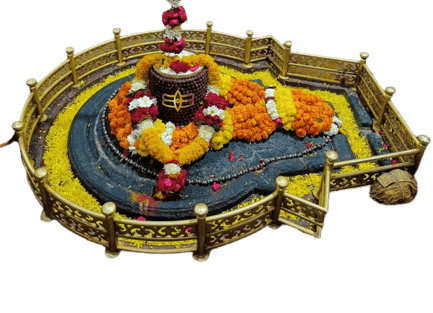
Temples near Shiva Temple
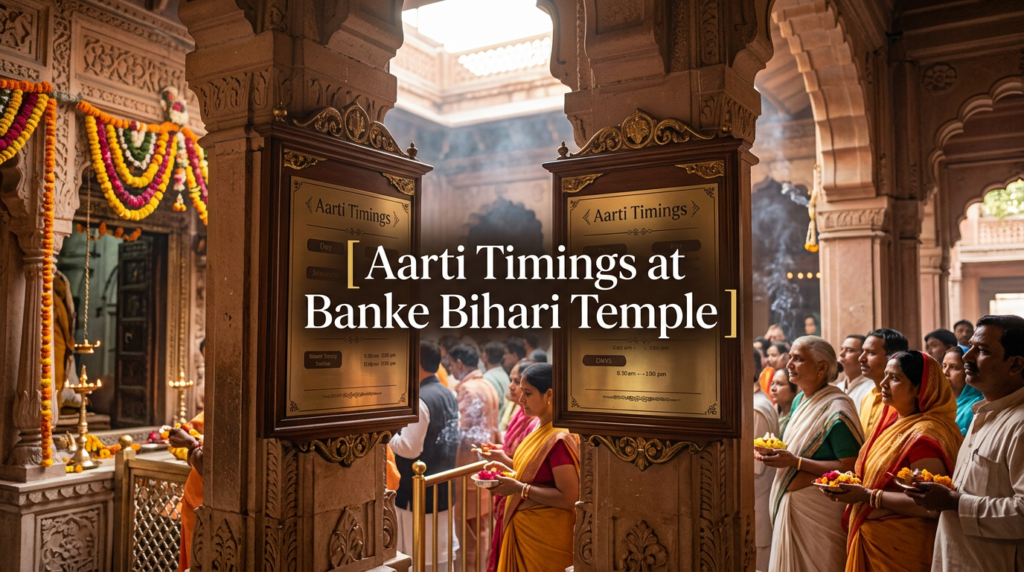
Radhika Bihari Temple
Shri Banke Bihari Mandir in Vrindavan houses a sacred black idol believed to have been divinely granted to Swami Haridas by Krishna and Radha themselves. The temple, located in…
Chaturbhuj Temple, Orchha
Chaturbhuj Temple in Orchha is a 16th-century Hindu shrine dedicated to Vishnu, notable for its four-armed deity representation and unique architectural blend of temple, fort, a…
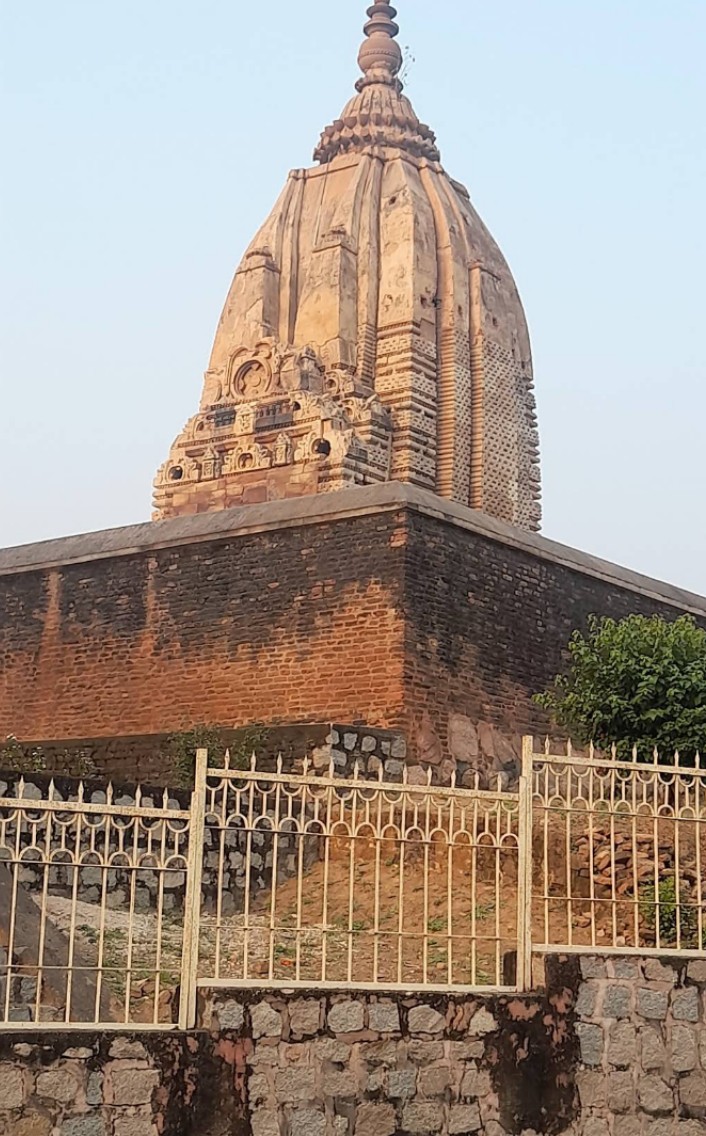
Jarai-ka-Math
Jarai-ka-Math is an ancient stone temple near Barua Sagar in Jhansi, Uttar Pradesh, dedicated to Shiva and Parvati. Built during the 9th century under Pratihara patronage, it fe…

Sun Temple, Madkhera
The Sun Temple in Madkhera is a 9th-century Pratihara dynasty sanctuary dedicated to Surya, located in Tikamgarh district, Madhya Pradesh, and protected as a state monument.
Mahua Shiva temple number 2, Shivpuri district
Mahua Shiva Temple is an ancient complex of three Shiva temples in Shivpuri district, Madhya Pradesh, featuring exemplary Nagara architecture from the 6th-7th century CE with in…
Ratangarh Mata Temple
Ratangarh Mata Temple is a Hindu shrine dedicated to Shakti located in the forests near Datia, Madhya Pradesh. The temple holds historical significance and attracts millions of…