
Jarai-ka-Math
About Jarai-ka-Math
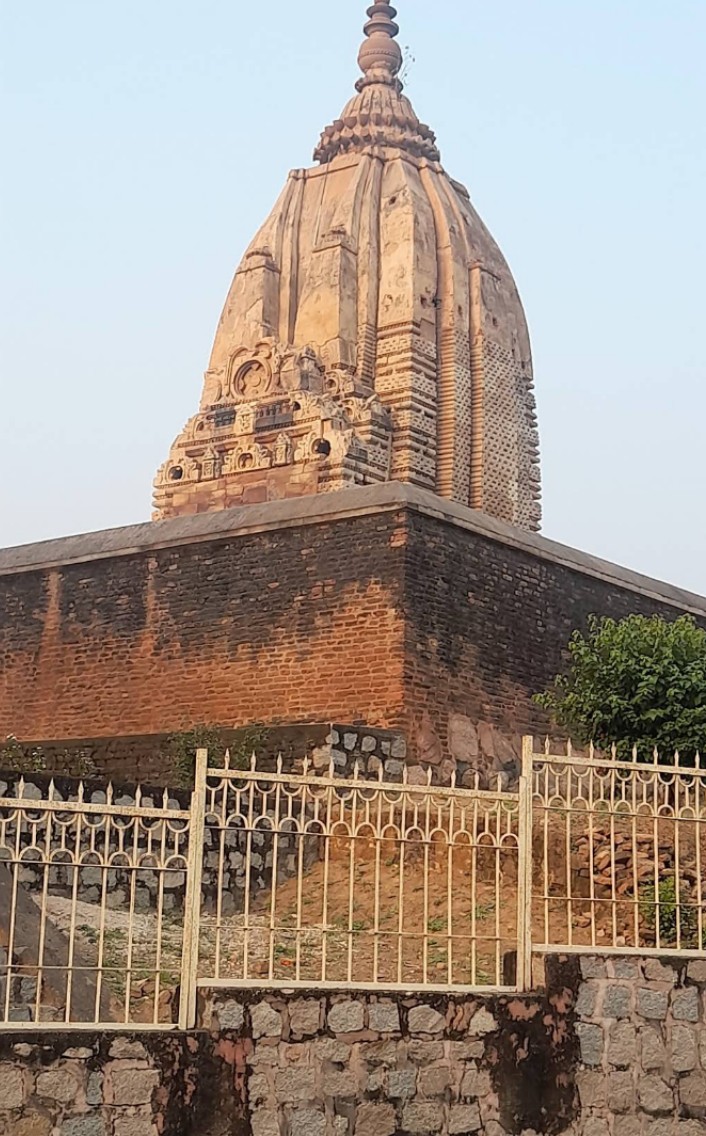
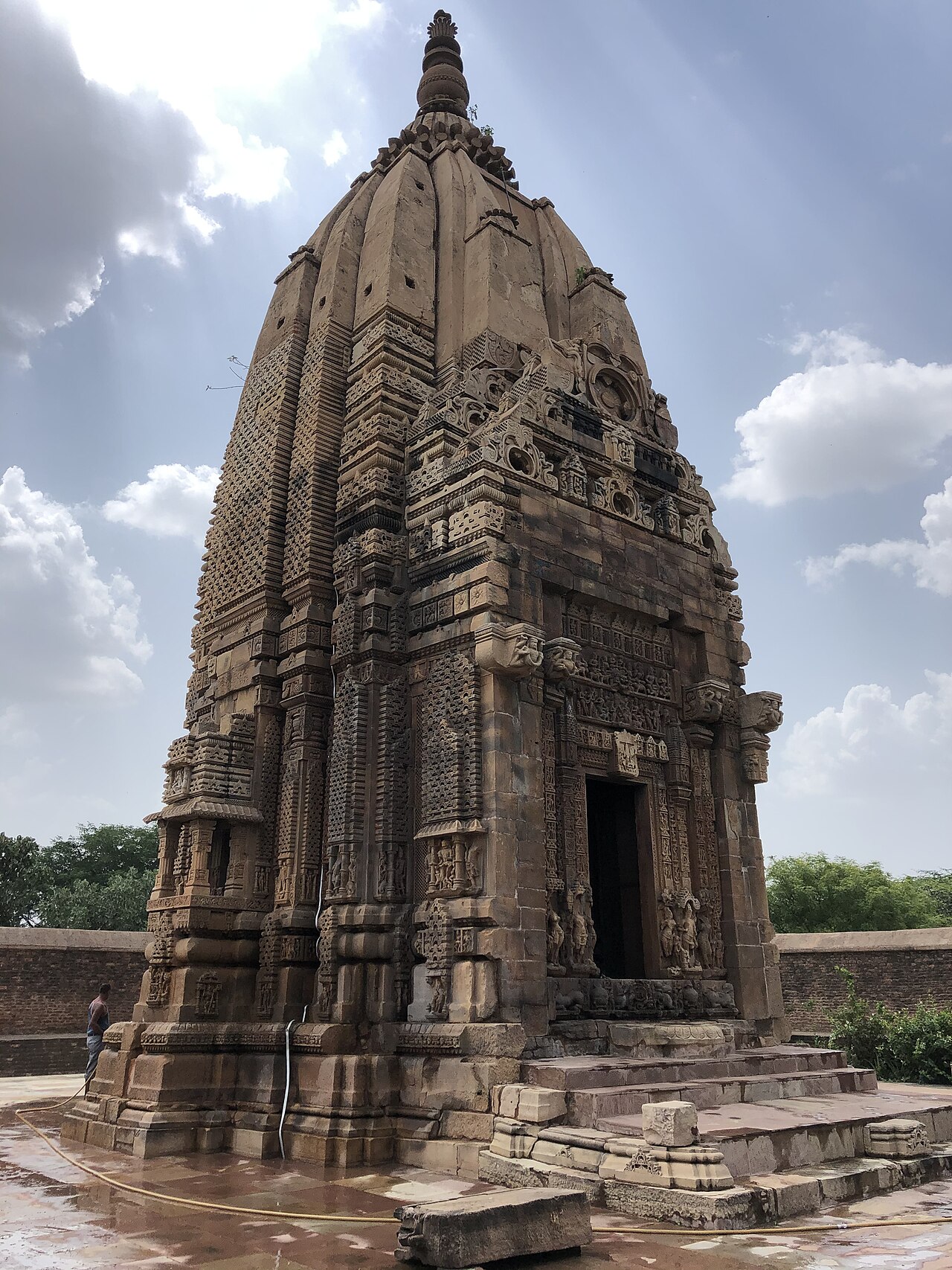
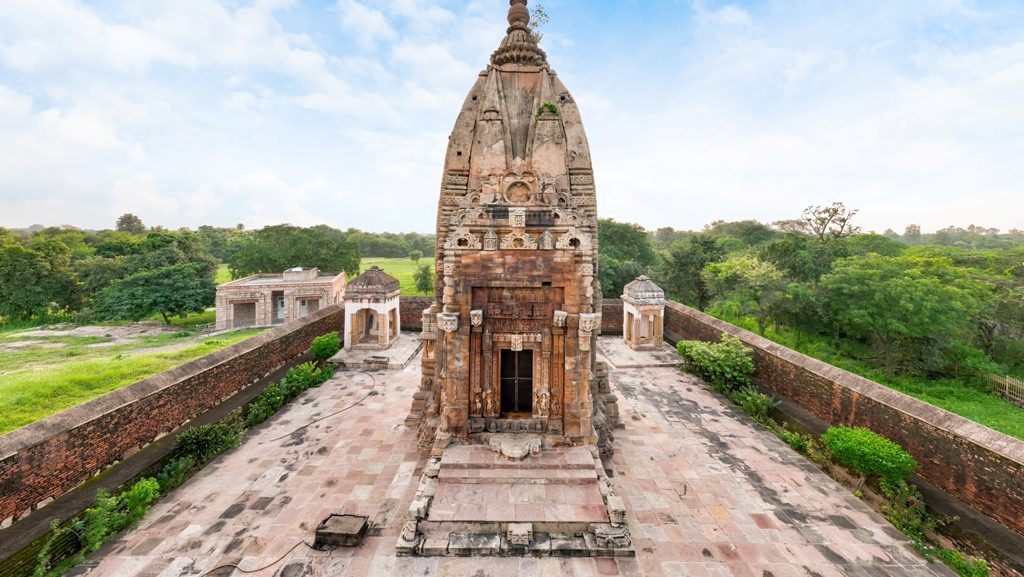
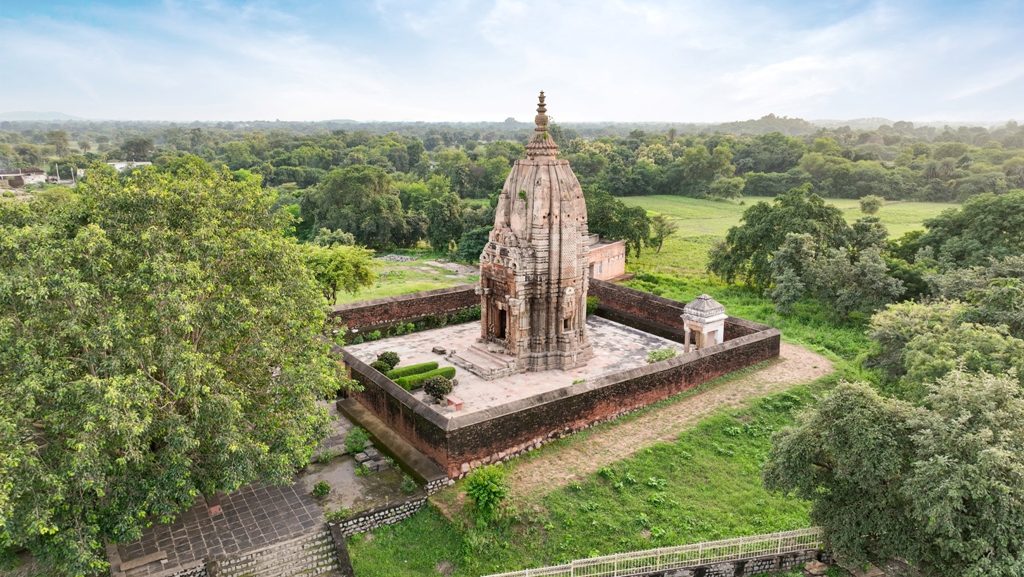
The temple was established around 860 AD under the patronage of Mihira Bhoja, a ruler of the Gurjara-Pratihara dynasty. This period marked a significant phase of temple construction across northern India, and Jarai-ka-Math represents the architectural sophistication of that era. The structure is built from red sandstone, meticulously carved to showcase the craftsmanship and artistic vision of 9th-century artisans. The walls and pillars bear carved figures and decorative elements that reflect the religious and cultural values of the Gurjara-Pratihara period. The temple's location near National Highway NH39 makes it accessible, though signage in the area is minimal—local residents can provide directions to those seeking the shrine.
The Sacred Lingam
Within the sanctum of Jarai-ka-Math resides a Shiva lingam that holds particular reverence among devotees. According to local belief, this lingam is considered to possess a unique quality, believed by worshippers to increase in size over time. This belief connects the physical form to the infinite and eternal nature of Lord Shiva as understood in Hindu philosophy. The lingam serves as the focal point for daily worship and meditation within the temple.
Visiting Hours and Best Times
The temple is open daily from 9:00 AM to 5:00 PM for darshan. The winter months from October through February offer the most comfortable conditions for visiting, as the weather is cooler and more suitable for exploration of the temple grounds. Beyond the regular visiting season, certain periods hold particular spiritual significance: Shivratri, the festival dedicated to Lord Shiva, draws devotees to the temple. Additionally, Mondays during the Hindu months of Kartik and Magha are considered auspicious times for worship here. Visitor traffic at the temple remains relatively light, allowing for a peaceful darshan experience without extended waiting periods.
Practical Information for Visitors
Parking is available at the temple site. The roads leading to Jarai-ka-Math are well-paved, though those with mobility challenges may find the final approach somewhat demanding. Visitors are advised to carry water and wear comfortable footwear, as the serene setting invites leisurely exploration of the temple grounds. Early morning and late afternoon hours offer particularly pleasant conditions, when the sandstone architecture is illuminated by soft natural light. The temple's tranquil location provides a retreat from urban activity, making it suitable for those seeking a contemplative spiritual experience. The local community is generally helpful in assisting visitors who may have difficulty locating the temple despite sparse directional signage.
Worship and Observance
Temples dedicated to Lakshmi typically emphasize rituals of devotion focused on prosperity, well-being, and divine grace. Daily puja and darshan form the core of worship at Jarai-ka-Math. The temple's association with Shiva adds another dimension to its spiritual practice, as Mondays are traditionally significant days for Shiva worship across Hindu tradition. Visitors should observe standard temple etiquette: removing footwear before entering the sanctum, maintaining respectful behavior, and following any specific instructions provided by temple priests or staff regarding ritual participation.
How to reach
You may also visit
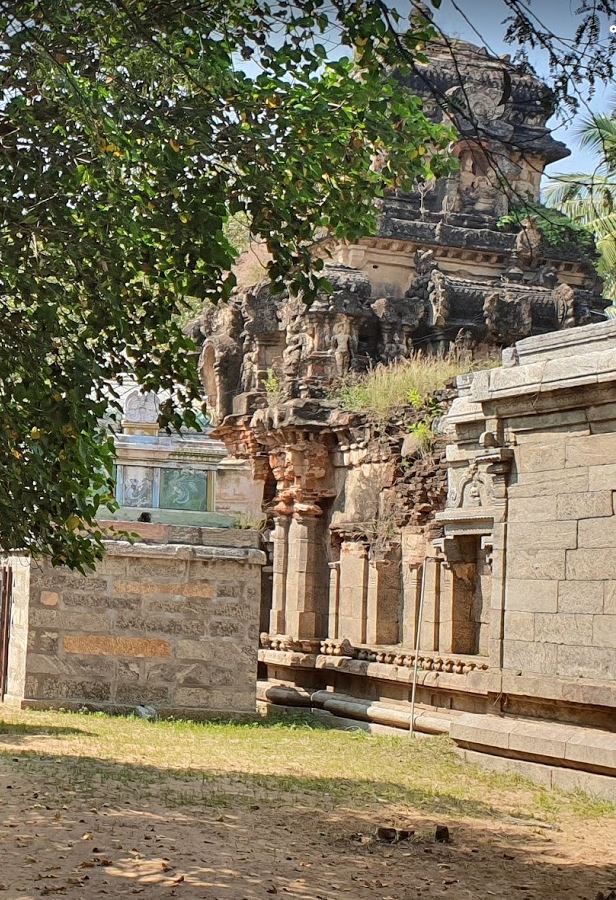
Agatheeswarar Temple, Karur
Agatheeswarar Temple in Thirumukkudalur, Karur district, is an ancient Hindu shrine dedicated to Shiva, situated at the sacred confluence of three rivers and believed to be over 1000 years old.
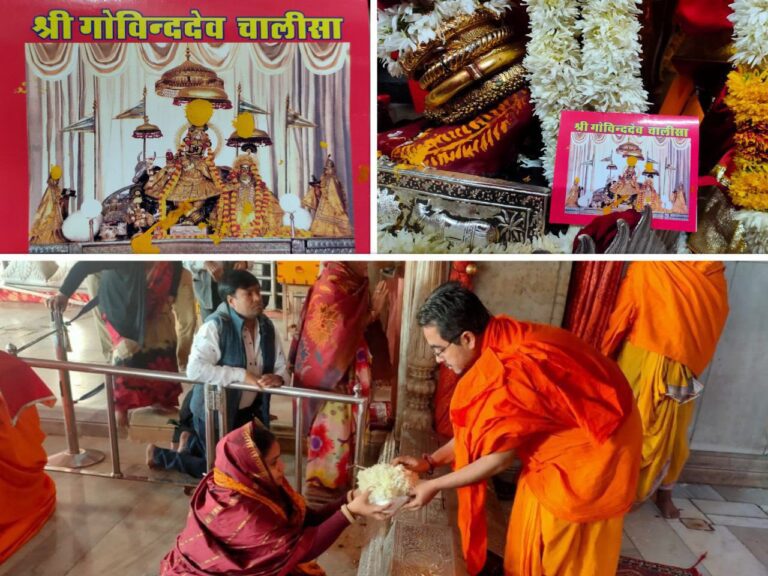
Kalyanji Temple
Kalyanji Temple in Jaipur's Chandpol Bazaar is an ancient Krishna shrine established in the 1820s, renowned for its seven daily aartis and special avatar darshan ceremonies during Akha Teej and Patottsav festivals.
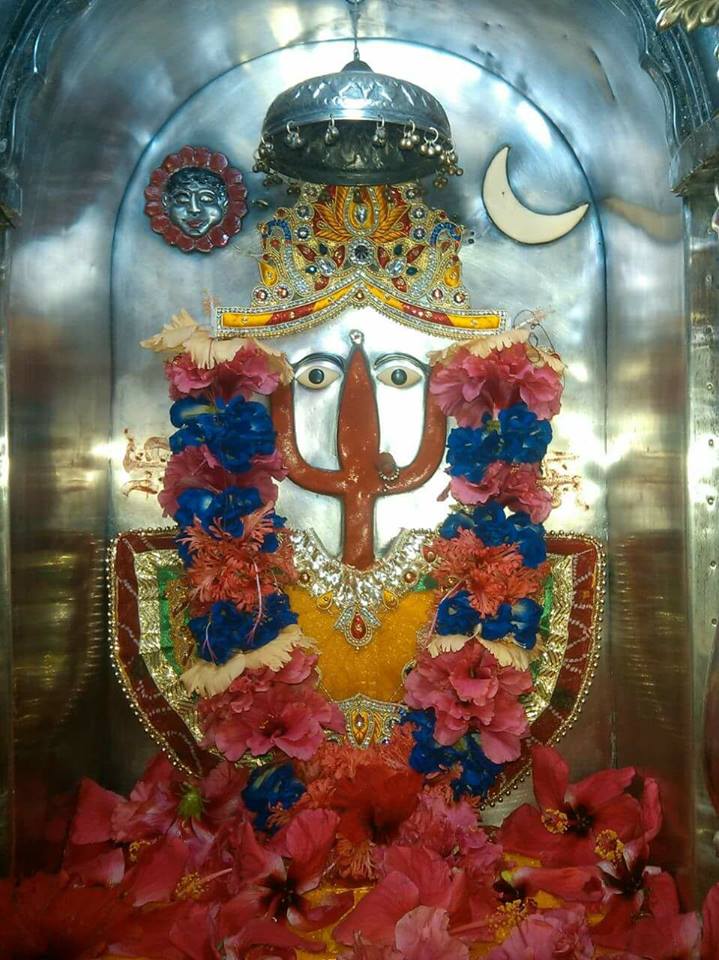
Rani Sati Mandir Mahuda
Rani Sati Mandir in Mahuda, Dhanbad District, is a Hindu temple established in 1992 that serves as a spiritual center for the local community and attracts devotees seeking blessings.