Shiva Mandir Johi
About Shiva Mandir Johi
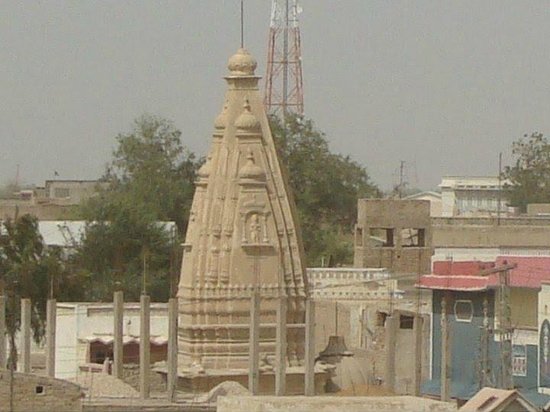
The temple was built during the 1850s, a period of significant temple construction across the Indian subcontinent. While detailed architectural documentation is limited, the temple is noted for its distinctive design, which departs from more typical temple layouts of the period. The specific architectural features and materials used in its construction are not extensively documented in available sources, though visitors interested in the temple's design are encouraged to observe its structure firsthand or seek information from temple authorities.
The 1850s construction date places the temple within a broader era of Hindu religious building and community establishment in Sindh, reflecting the devotional commitments of the region's Hindu population during that time.
Daily Worship and Darshan
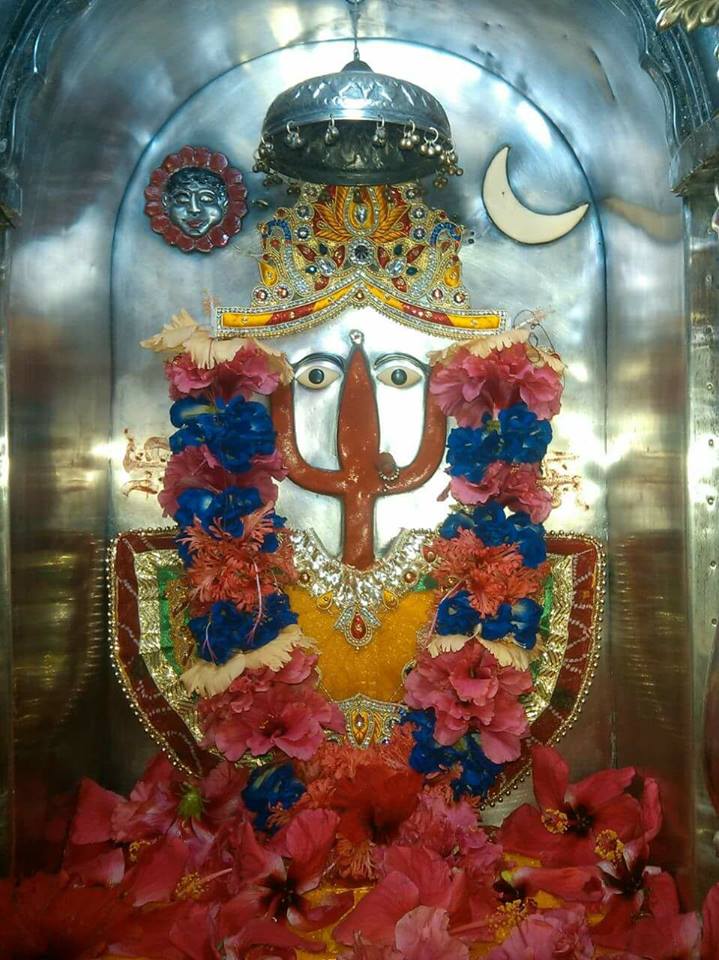
Worship at Shiva Mandir Johi follows the practices typical of Shiva temples, centered on the veneration of the Shivling through daily offerings, prayers, and meditation. Devotees visit to perform darshan—the viewing and honoring of the deity—as part of their spiritual practice. The specific timings for darshan and the schedule of ritual practices at this temple are not documented in readily available sources.
Visitors planning to visit should make direct contact with temple authorities or local inquiries to confirm current darshan hours, as these may vary according to the temple's management and seasonal considerations. Temple staff can provide information about the best times to visit and any special practices observed at the shrine.
Visiting Etiquette and Preparation
Visitors to Shiva temples are expected to observe certain customs as a mark of respect. Shoes should be removed before entering the inner sanctum, and modest dress is appropriate when visiting the temple. These practices reflect the reverent atmosphere maintained in Hindu places of worship and help ensure a respectful experience for all who visit.
The temple's current operational status and available facilities are best confirmed through direct contact with temple authorities or local inquiry, as detailed visitor information is not readily available through standard sources. Those planning a visit should also be prepared for the temple's location in Pakistan and ensure they have appropriate travel documentation and are aware of current border crossing procedures.
Location and Travel
Shiva Mandir Johi is situated in Johi, Sindh, Pakistan, at coordinates 26.689527777778, 67.611083333333. The temple's location in Pakistan requires visitors from India or other countries to be aware of travel documentation requirements and current border crossing procedures. Those planning a visit should check relevant travel advisories and consult with local authorities regarding access and any restrictions that may apply.
Visitors should arrange travel to Johi through available transportation options and confirm accessibility with local contacts before undertaking the journey. The remote location and international border considerations make advance planning essential for any pilgrimage to this site.
Before You Visit
Detailed information about facilities, accommodation, and services near the temple is not extensively documented. Visitors should contact temple authorities directly to inquire about available amenities and to confirm the temple's current operational status. Local residents and temple staff can provide guidance on nearby lodging, food options, and other practical considerations for a visit.
It is advisable to plan your visit during daylight hours and to allow time for local inquiries upon arrival, as standard visitor information is limited. Bringing water and sun protection is recommended, and visitors should be prepared for the climate and terrain of the Sindh region.
How to reach
You may also visit
Sureshwari Devi Temple
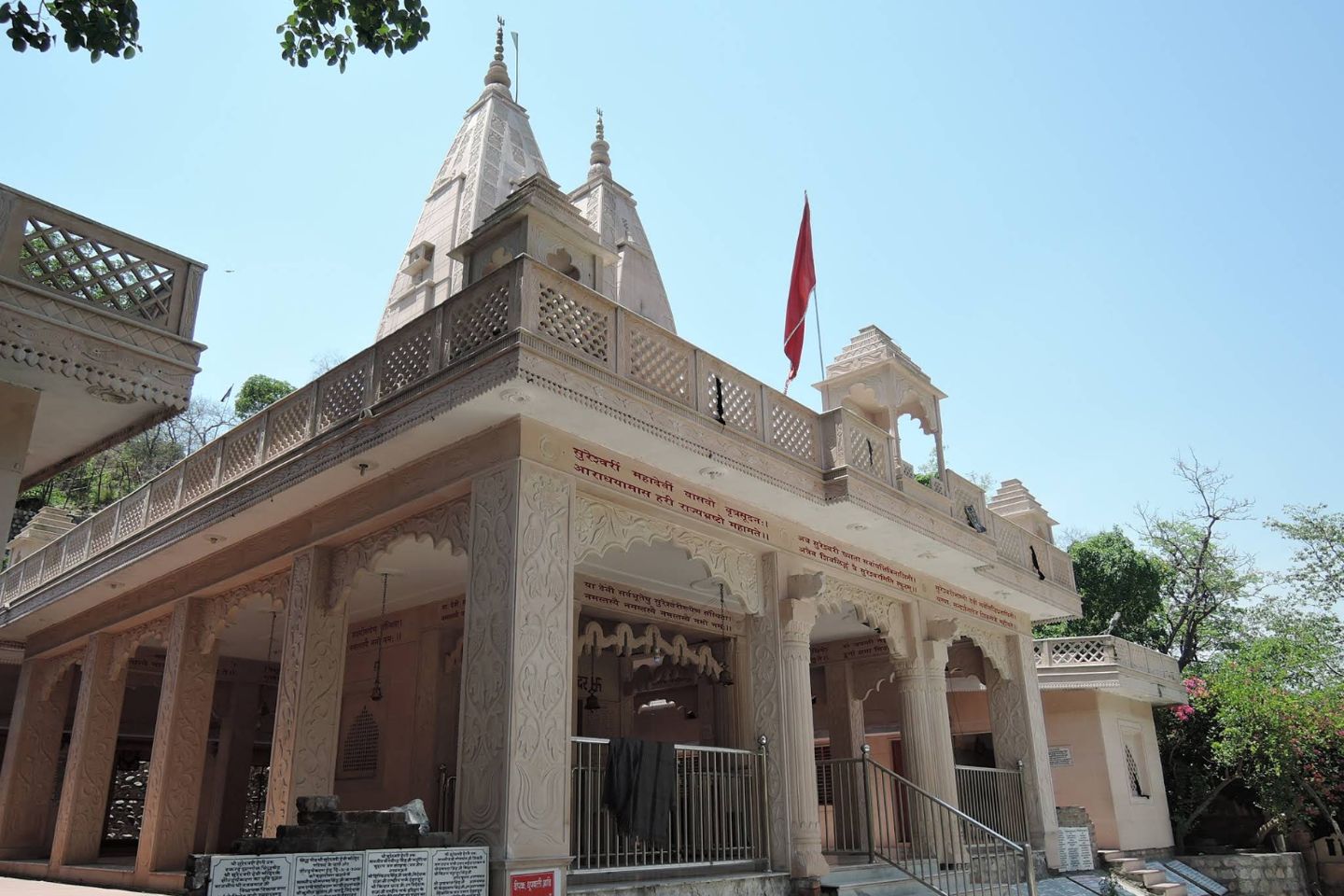
Sureshwari Devi Temple in Haridwar is a forest shrine dedicated to the goddess, situated within the Ranipur Range area near Rajaji National Park, offering a secluded spiritual e…
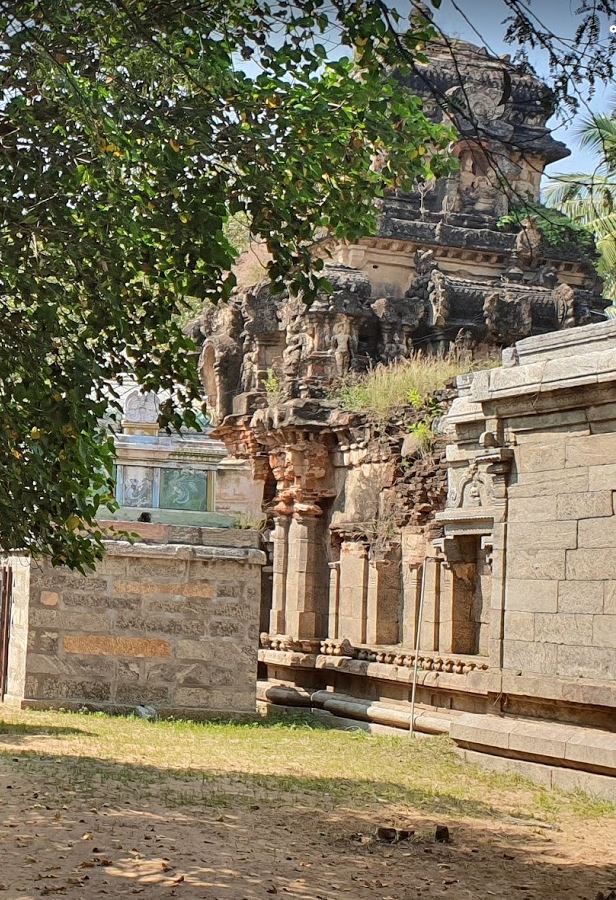
Agatheeswarar Temple, Karur
Agatheeswarar Temple in Thirumukkudalur, Karur district, is an ancient Hindu shrine dedicated to Shiva, situated at the sacred confluence of three rivers and believed to be over…

Shani Shingnapur
Shani Shingnapur is a renowned temple in Maharashtra dedicated to Lord Shani, featuring a self-emerged black stone idol worshipped under open sky. The temple is located in a uni…
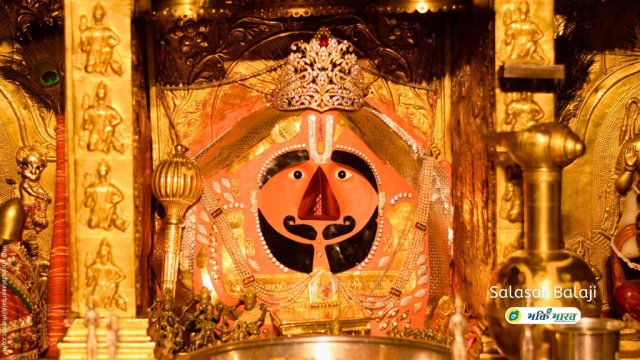
Salasar Balaji Temple
Salasar Balaji Temple in Churu district, Rajasthan, is a revered shrine dedicated to Lord Hanuman, distinguished by its unique depiction of the deity with a round face, beard, a…
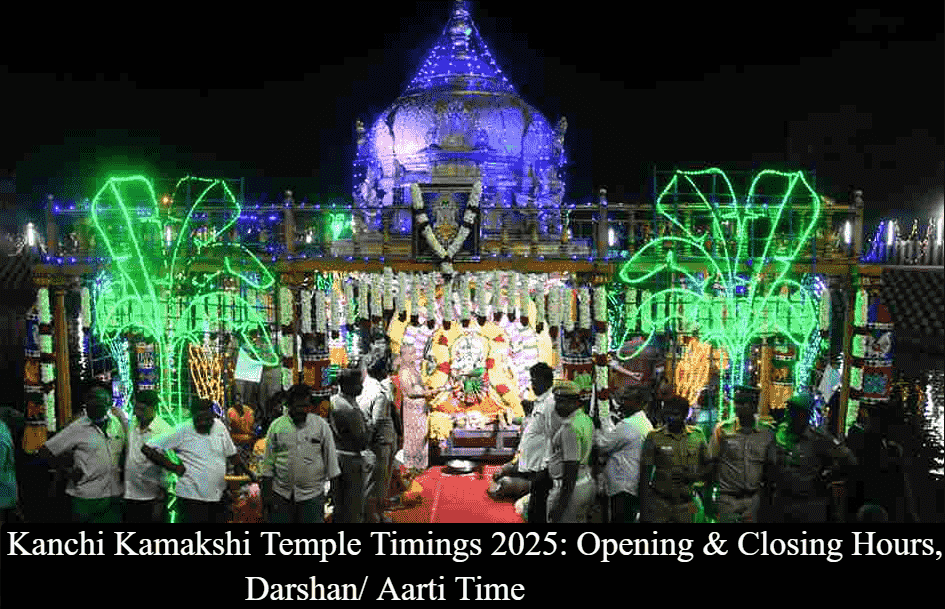
Kamaksha
Arulmigu Kamakshi Amman Temple in Mangadu, near Chennai, is dedicated to the goddess Kamakshi, an aspect of Adi Parashakti. According to legend, the goddess performed austeritie…
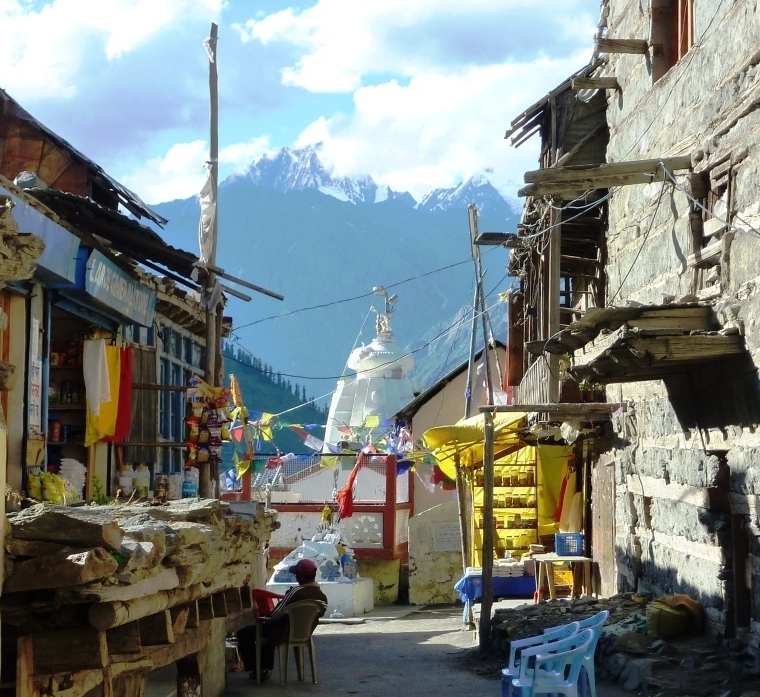
Trilokinath Temple at Tunde
The Trilokinath Temple in Tunde is an ancient shrine venerated by both Hindus and Buddhists, situated at 2,760 metres in the Lahul and Spiti District of Himachal Pradesh. Hindus…