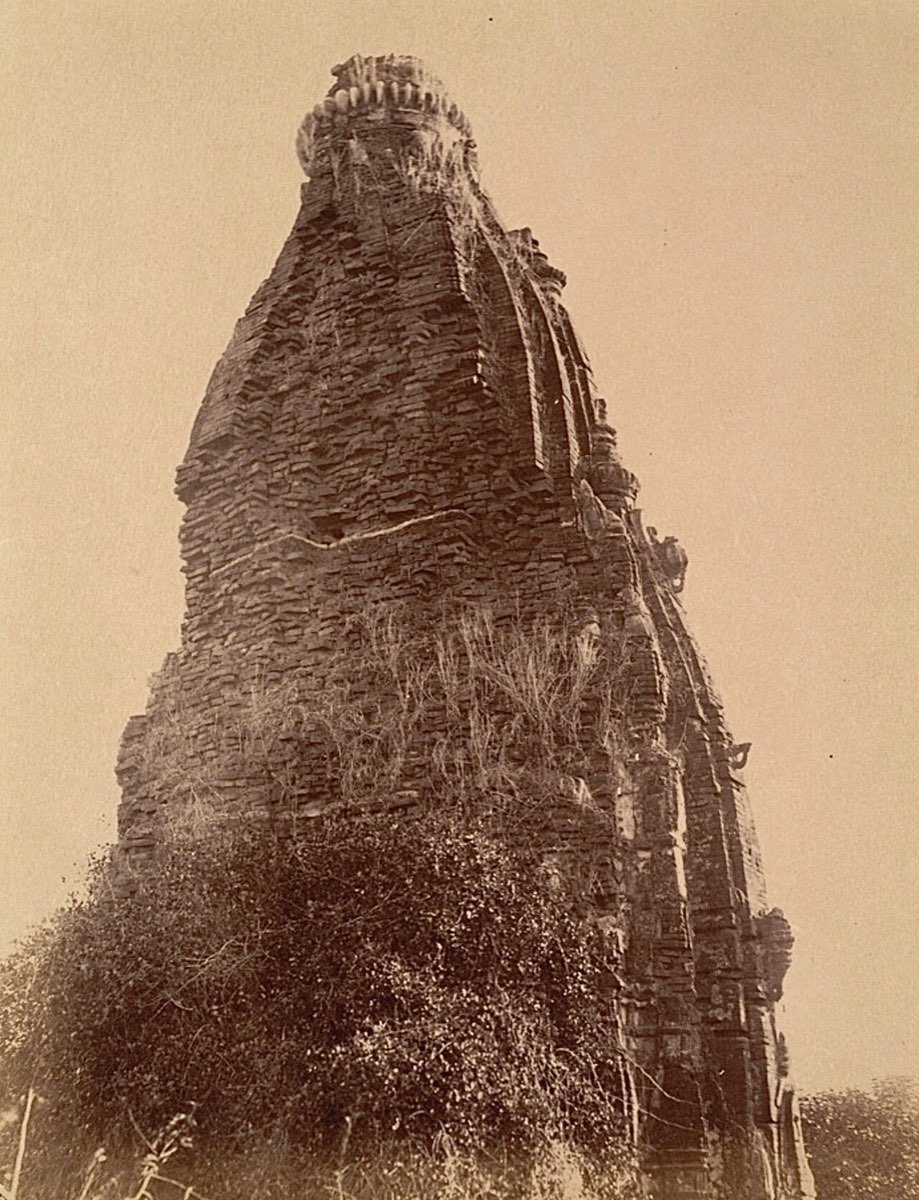
Sheorinarayana Temple and compound
About Sheorinarayana Temple and compound
The temple observes Pradosham as a significant ritual occasion. Pradosham, observed on specific lunar days, is a time when devotees gather for special worship and when temple alankara (decoration and adornment) is typically enhanced. On these days, the community worship intensifies, drawing larger numbers of pilgrims to participate in collective devotion.
Temples dedicated to Shiva typically follow established patterns of daily worship, though specific timings and aarti schedules should be confirmed directly with the temple trust or at the site itself. Visitors should expect that customs around dress, queuing for darshan, receiving prasadam (blessed food), and performing parikrama (circumambulation) will be posted by the temple authorities. These practices vary by region and temple tradition, and following posted guidelines shows respect for the living community that maintains the shrine.
Maha Shivaratri and Festival Observance
Maha Shivaratri, the great night dedicated to Lord Shiva, is observed at this temple with special significance. This festival draws increased numbers of devotees and typically involves processions, enhanced decoration of the deity, and community feeding. The festival intensifies the spiritual atmosphere of the site and represents a peak time for pilgrimage, though it also means larger crowds and the need for advance planning.
For those planning to visit during festival periods, booking accommodation well in advance is essential. Temple-trust guest houses and dharamshalas (pilgrim hostels) fill quickly during major observances. The festival experience offers insight into how local communities practice their faith, though visitors should be prepared for crowded conditions and should follow all posted instructions regarding movement and participation.
Planning Your Visit
The best season to visit Shivrinarayan is October through March, when the climate of central India's plains is most comfortable for pilgrimage. Summers are hot, and the monsoon arrives mid-year, making these months less suitable for travel. Visitors should carry a sun cap and light cotton clothing appropriate to the heat, along with water, modest dress for temple entry, identification proof, and offline maps as a precaution.
The nearest railway station is at Champa, and the nearest airport is at Raipur. Hindi and Chhattisgarhi are the local languages; English is limited outside city areas. Accommodation options include dharamshalas, temple-trust guest houses, and private hotels in the vicinity. Simple vegetarian thalis and prasadam are available near the temple; wider food options can be found in the nearest town. Alcohol and non-vegetarian food should be kept away from temple precincts, as posted by temple authorities.
Nearby Sites for Extended Pilgrimage
Visitors with time to explore the region will find other significant sites within reasonable distance. Chandrahasini Devi Temple lies approximately 28 kilometers away, while Giraudpuri Dham is about 39 kilometers distant. The Lakshmana Temple at Sirpur, roughly 63 kilometers away, offers another important stop for those undertaking a broader pilgrimage circuit through Chhattisgarh. These sites can be combined into a multi-day journey for those seeking a deeper engagement with the region's sacred geography.
Visitor Etiquette and Practical Notes
Approach the temple with the understanding that this is an active place of worship for a living community. Dress modestly, remove footwear as directed, and maintain quiet respect in prayer areas. Photography policies vary; check with temple staff before photographing. Prasadam offered at the temple should be accepted respectfully. If you have specific questions about rituals, timing, or customs, the temple priests and trust staff are the authoritative source—local guidance is always preferable to assumptions based on general practice.
How to reach
Temples near Sheorinarayana Temple and compound
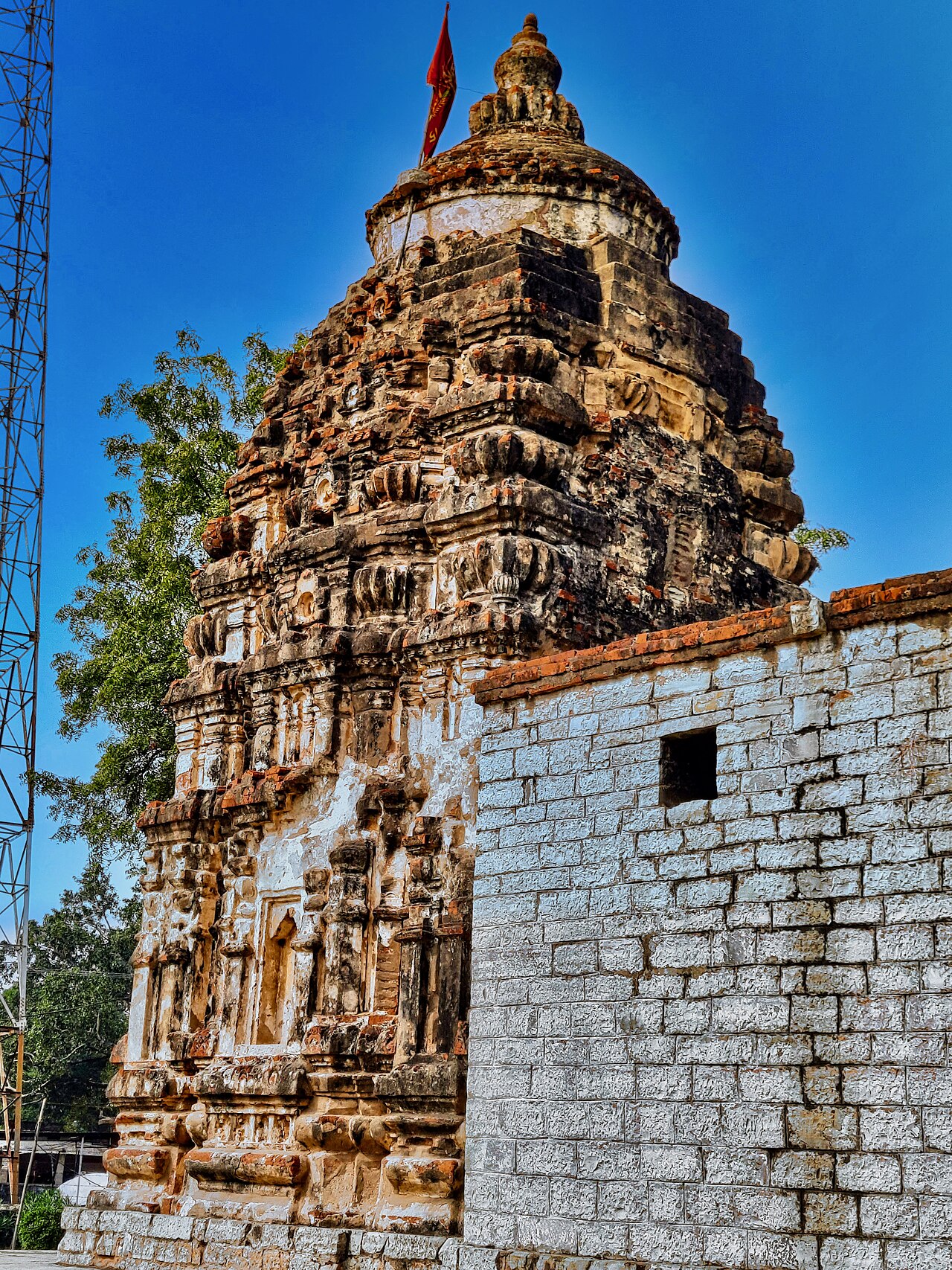
Shabari temple, Kharod
Shabari Temple in Kharod, Chhattisgarh is an ancient Hindu shrine dedicated to Maa Shabari, an 8th-century sacred site in central India.

Indal Deul Temple
Indal Deul Temple in Kharod, Chhattisgarh is an early medieval brick temple dating to 650–675 CE, representing a significant example of seventh-century Hindu temple architecture…
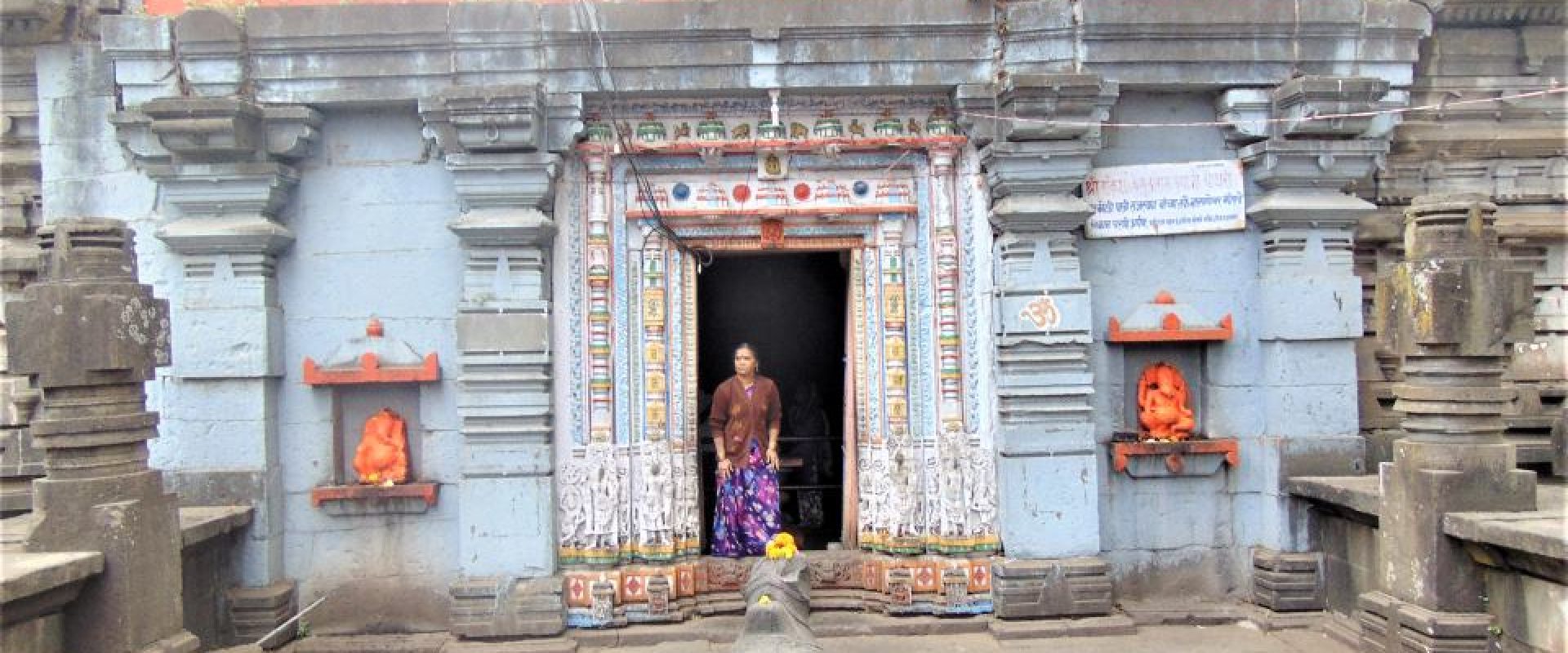
Narayanpur Mahadev Temple
Narayanpur Mahadev Temple, located in Purandar, Pune, is an ancient shrine dedicated to Lord Shiva with intricate stone carvings believed to date from the Yadav era. The temple…
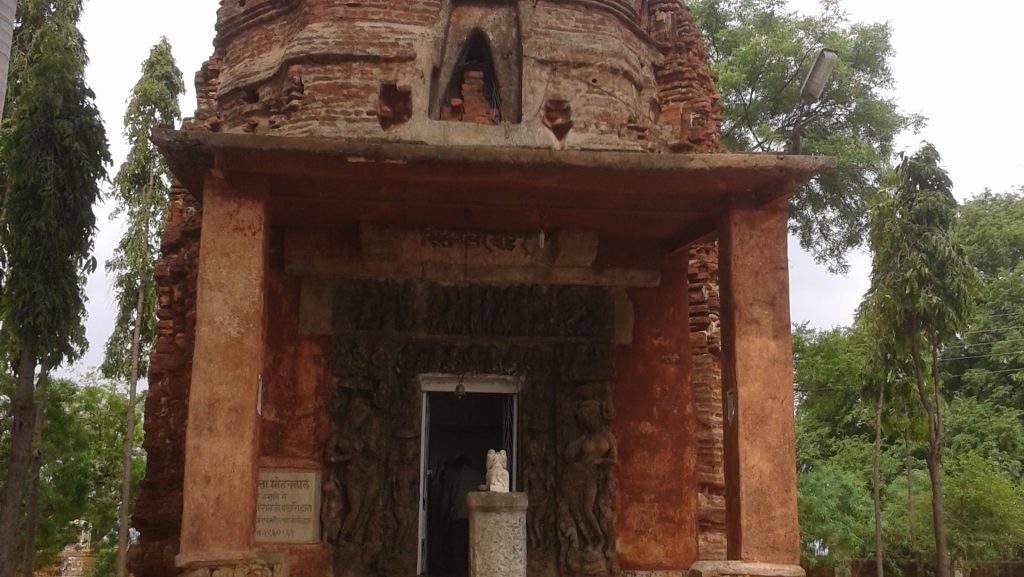
Siddheshwar Mandir, Palari
Siddheshwar Mandir in Palari is an ancient brick-built Shiva temple from the 7th–8th century, situated on the embankment of Balasamund pond in Chhattisgarh's Balodabazar district.
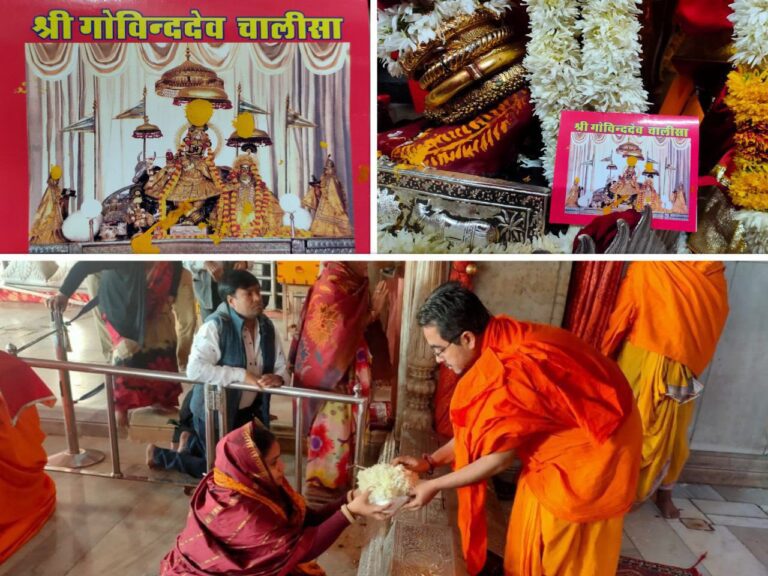
Ashtabhuji Temple
Ashtabhuji Temple is a Shaivist shrine dedicated to Lord Shiva, situated in Adbhar village within Janjgir-Champa district, Chhattisgarh. The temple draws devotees throughout the…
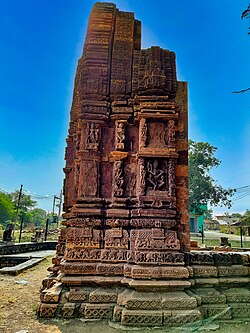
Deokirari Shiv temple, Kirari Godi, Chhattisgarh
The Deokirari Shiv temple is an 11th-century Kalachuri-era shrine near Kirari Godhi village in Bilaspur district, Chhattisgarh. Though largely ruined, its remaining platform and…