
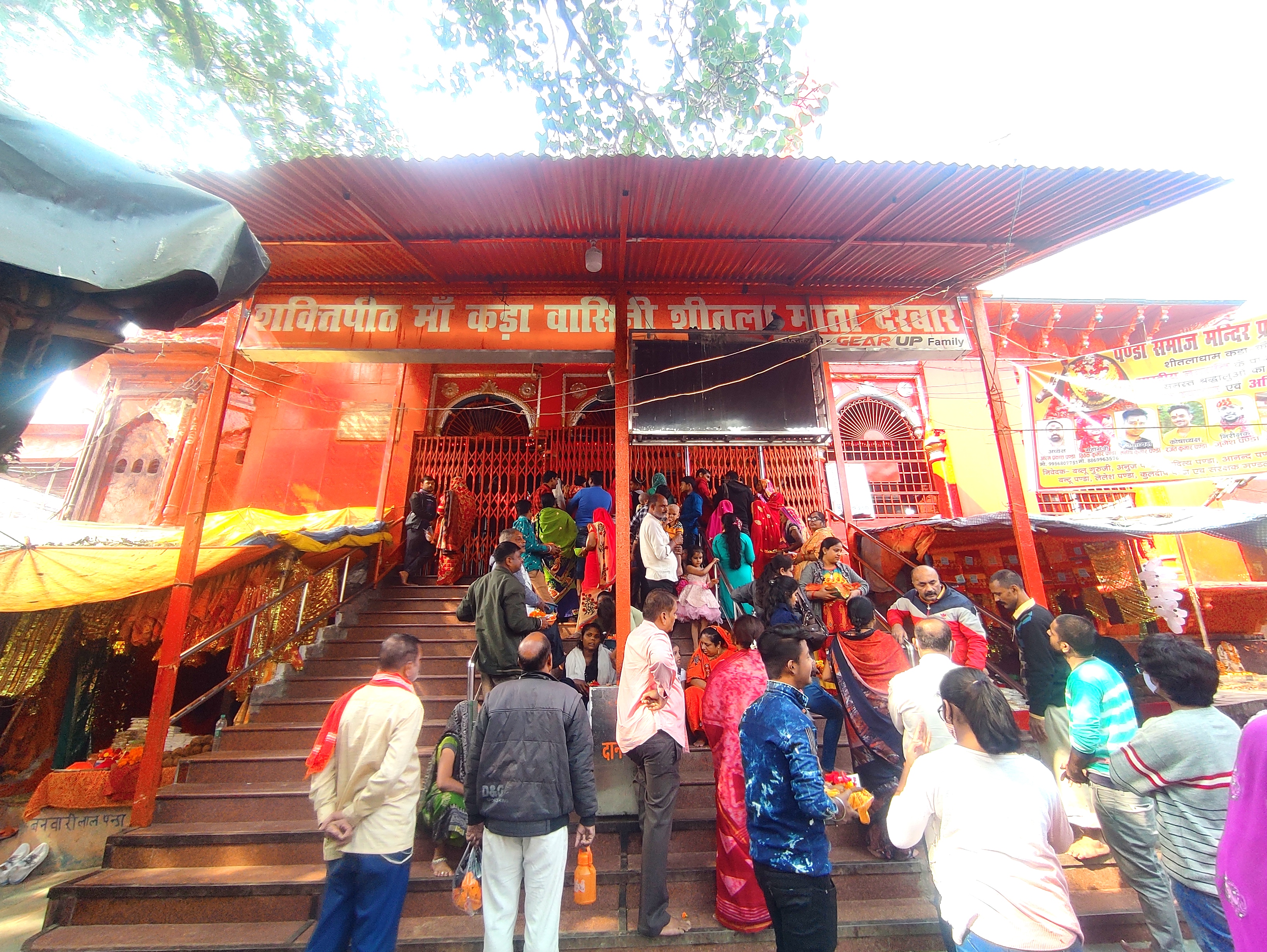
Sheetla Devi Temple
About Sheetla Devi Temple
The temple opens at 3:00 AM and remains accessible until 8:00 PM daily, accommodating both early morning and evening visitors. Two formal aartis—the ritual of worship with light—structure the day: the morning aarti at 6:00 AM and the evening aarti at 6:00 PM. These ceremonies mark moments of heightened spiritual activity when the community gathers to offer prayers.
Visitors planning to attend the aartis should arrive with sufficient time before the scheduled hours. The extended opening hours reflect the temple's accessibility to those with varying schedules, whether pilgrims making early morning visits or those coming after daily work.
Festivals and Seasonal Observances
The temple's primary annual celebration is the Maa Sheetla Krupa Mahotsav, held each January and February to commemorate the birth anniversary of Mata Sheetla. This festival draws between 9,000 and 10,000 devotees and features a grand feast (bhandara). The event includes performances by established singers and artists, along with the presence of saints, spiritual leaders, and storytellers who contribute to the spiritual atmosphere.
Navratri, the nine-day festival honoring the Divine Mother in her various forms, also brings heightened devotional activity to the temple. During this period, worship practices intensify across Hindu communities, making it an especially vibrant time to visit. Those planning to attend during these seasons should anticipate larger gatherings and adjust expectations for crowds accordingly.
Community Service and Social Mission
The temple operates under the Maa Sheetla Charitable Trust, which extends the spiritual mission into practical community work. The trust organizes annual food donation programs (Ann Daan) offering meals to those in need, as well as to saints and ascetics. Beyond the temple grounds, the trust conducts free medical camps providing examinations and treatment guidance for various illnesses, and undertakes tree plantation initiatives for environmental conservation. This integration of worship with social welfare reflects a traditional understanding of temple life as encompassing both devotion and service to the broader community.
Best Times to Visit
The months of January and February are optimal for experiencing the temple during the Maa Sheetla Krupa Mahotsav festival. For those seeking pleasant weather and fewer crowds, October through March offers comfortable conditions for temple visits. The cooler season in northern India makes extended time at the temple more comfortable for most visitors.
Practical Information for Visitors
The temple is located in Gurugram, Haryana, and operates year-round, open 365 days. Visitors should plan to arrive during the stated timings (3:00 AM to 8:00 PM) and may wish to time their visit around the morning or evening aartis for a fuller experience of temple worship. Standard temple etiquette applies: removing footwear before entering the sanctum, maintaining respectful behavior during rituals, and following any guidance offered by temple staff. The temple's association with the Maa Sheetla Charitable Trust suggests that donations toward community service programs may be welcomed, though specific donation practices should be confirmed upon arrival.
How to reach
You may also visit
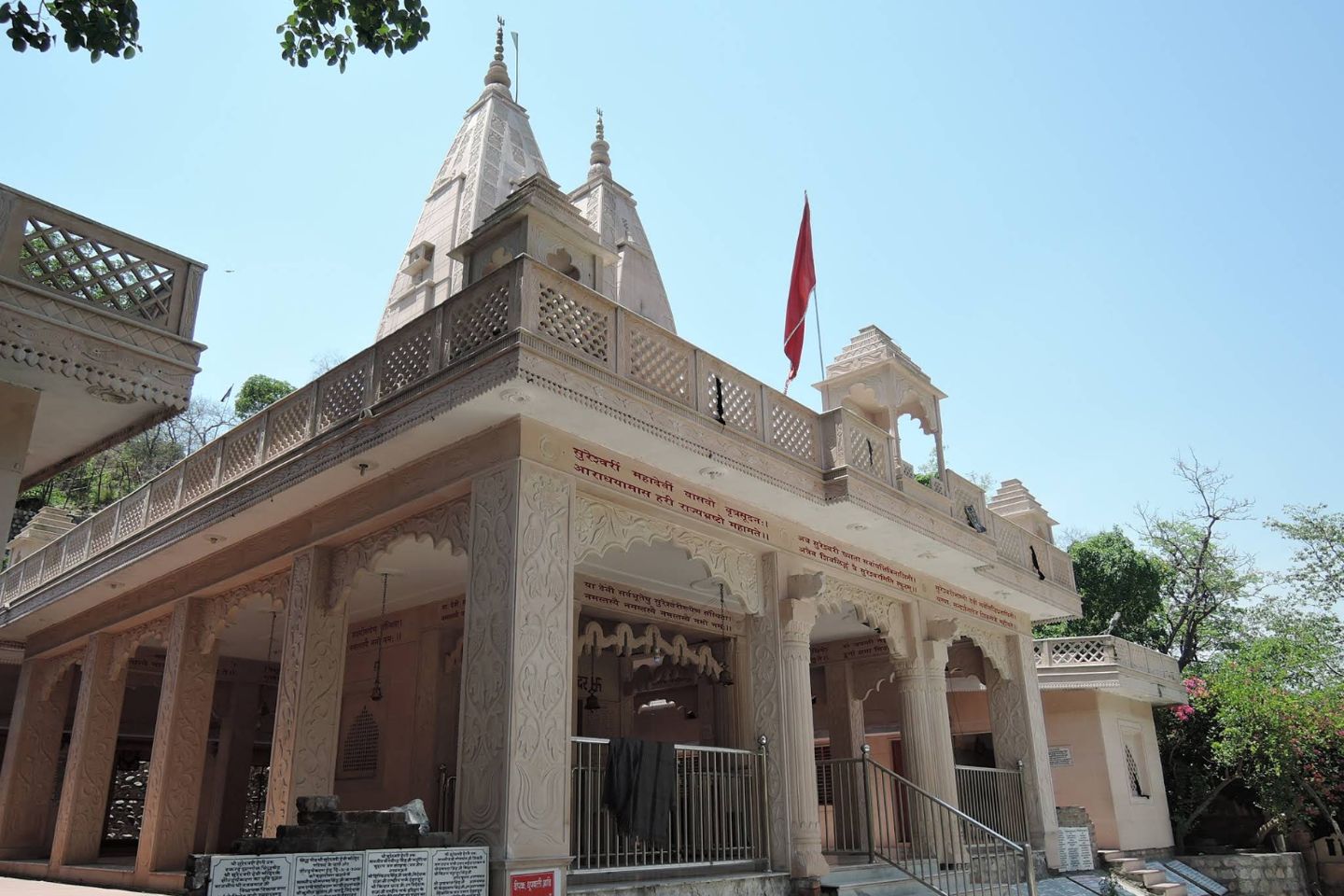
Sureshwari Devi Temple
Sureshwari Devi Temple in Haridwar is a forest shrine dedicated to the goddess, situated within the Ranipur Range area near Rajaji National Park, offering a secluded spiritual e…
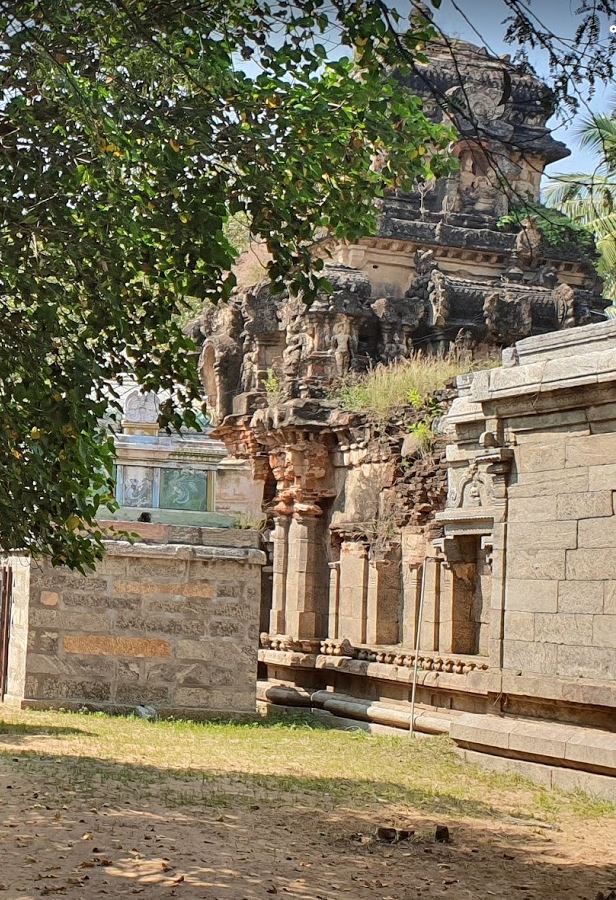
Agatheeswarar Temple, Karur
Agatheeswarar Temple in Thirumukkudalur, Karur district, is an ancient Hindu shrine dedicated to Shiva, situated at the sacred confluence of three rivers and believed to be over…

Shani Shingnapur
Shani Shingnapur is a renowned temple in Maharashtra dedicated to Lord Shani, featuring a self-emerged black stone idol worshipped under open sky. The temple is located in a uni…
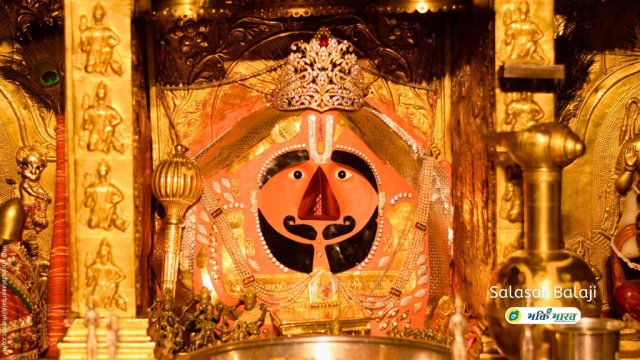
Salasar Balaji Temple
Salasar Balaji Temple in Churu district, Rajasthan, is a revered shrine dedicated to Lord Hanuman, distinguished by its unique depiction of the deity with a round face, beard, a…
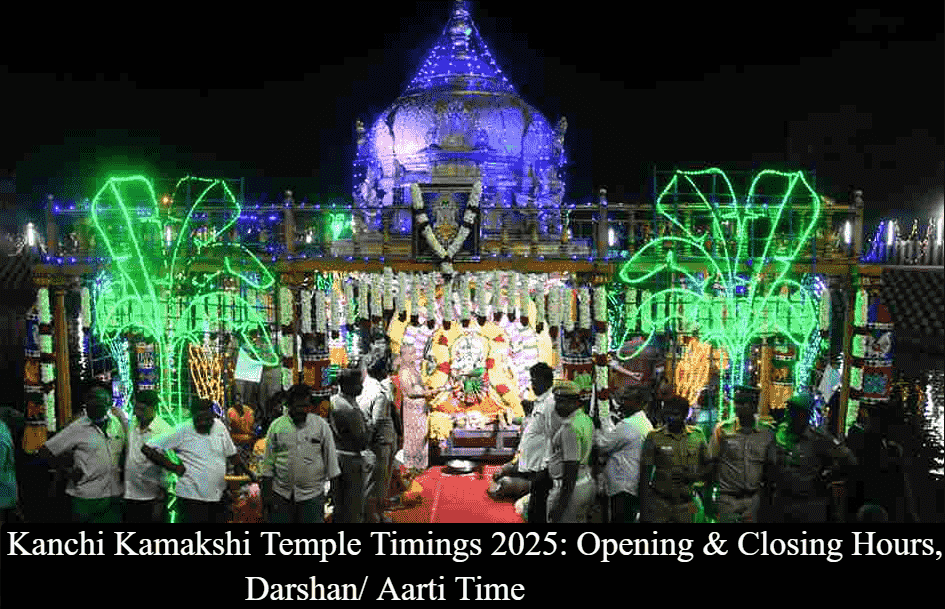
Kamaksha
Arulmigu Kamakshi Amman Temple in Mangadu, near Chennai, is dedicated to the goddess Kamakshi, an aspect of Adi Parashakti. According to legend, the goddess performed austeritie…
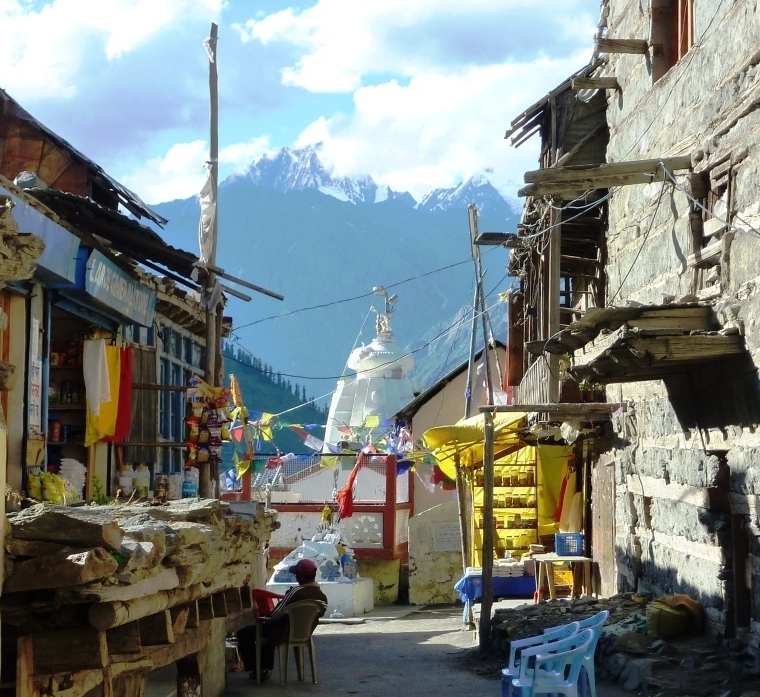
Trilokinath Temple at Tunde
The Trilokinath Temple in Tunde is an ancient shrine venerated by both Hindus and Buddhists, situated at 2,760 metres in the Lahul and Spiti District of Himachal Pradesh. Hindus…