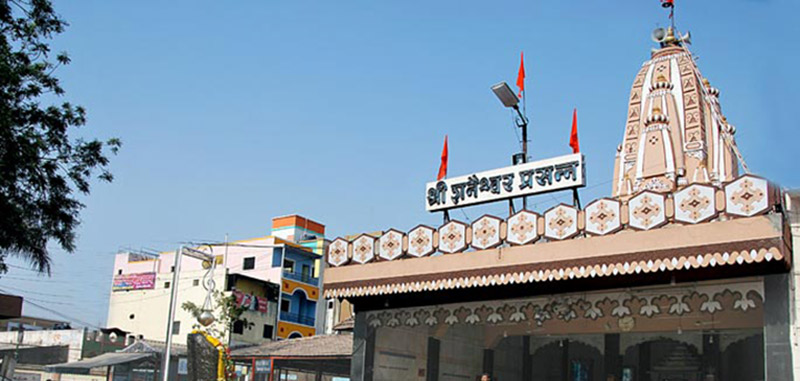
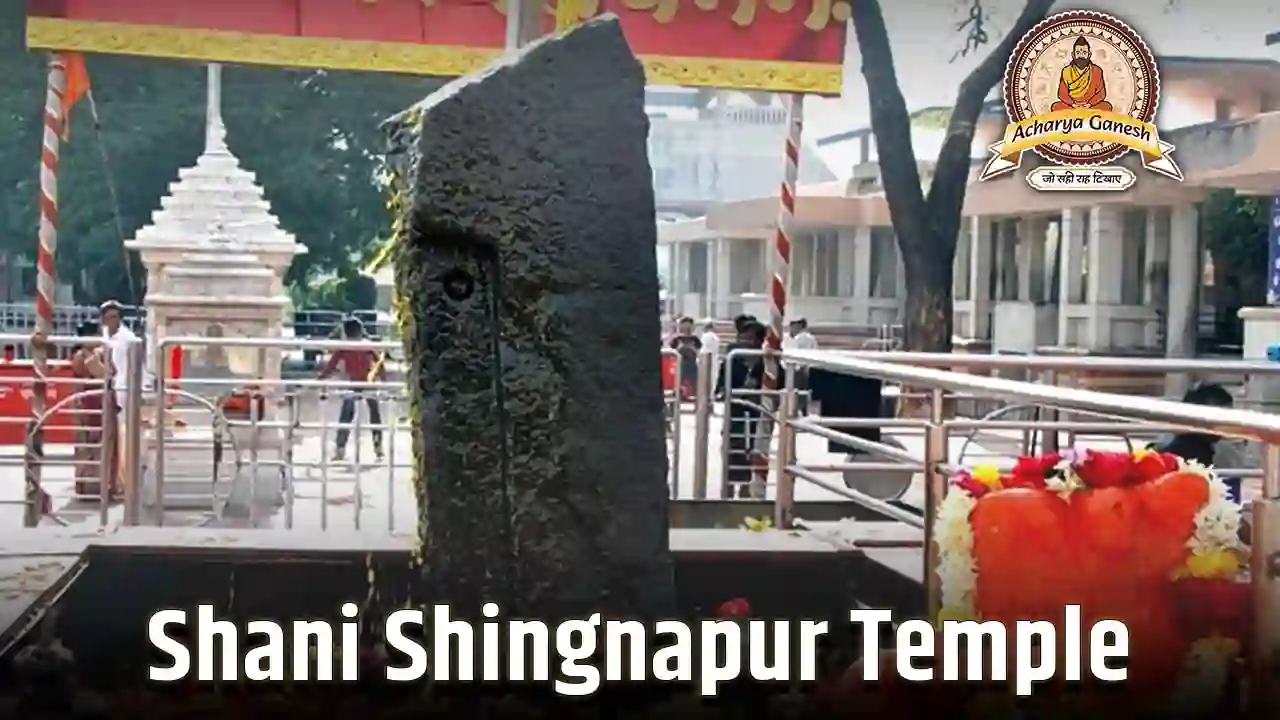
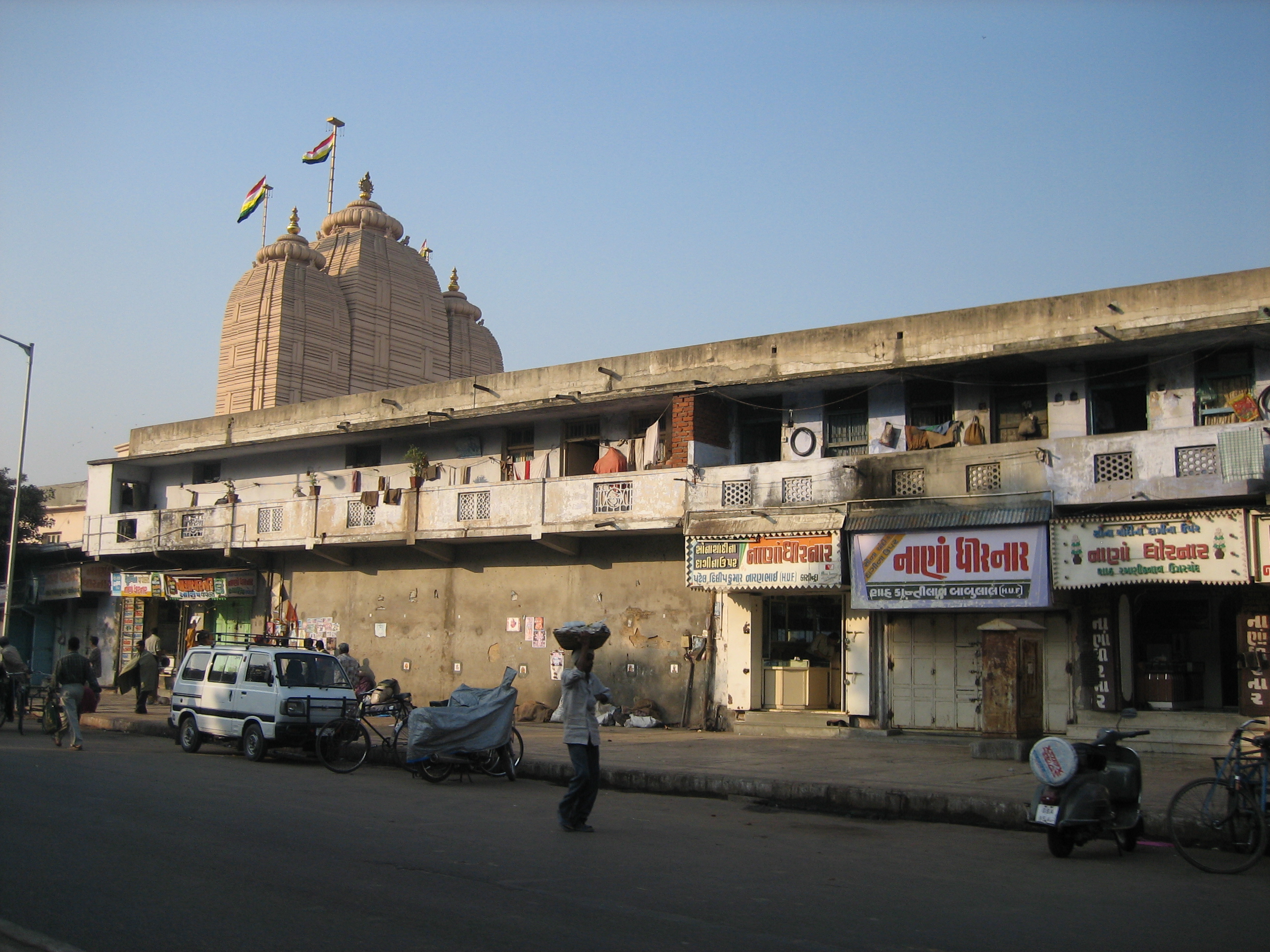
Shani Temple
About Shani Temple
The temple operates daily from 4:00 AM to 10:30 PM, providing extended access for both early morning and evening worship. Two principal aartis structure the devotional day: the morning aarti at 5:30 AM and the evening aarti at 7:00 PM. These ceremonies involve devotional hymns and ritual offerings, creating moments of collective worship that accommodate both regular devotees and visiting pilgrims.
Visitors may participate in these aartis or perform individual darshan—viewing of the deity—during the temple's open hours. Early morning hours are generally considered most peaceful for darshan, allowing for quieter personal worship before the day's crowds gather. The specific rituals and puja procedures available to visitors may vary; it is advisable to confirm current practices directly with temple staff upon arrival.
Auspicious Occasions for Worship
Shani Jayanti, the birthday of Lord Shani, is celebrated as a major festival at temples dedicated to this deity, typically drawing increased numbers of devotees and involving special rituals and prayers. The specific dates for these celebrations follow the lunar calendar and vary year to year, so confirmation with temple authorities is necessary for planning a visit around this observance.
Shani Amavasya—the new moon day in the lunar month associated with Shani—is considered particularly auspicious for Shani worship. Devotees often visit temples on this day to offer special prayers and seek the deity's blessings. Both occasions represent significant times for those wishing to deepen their spiritual engagement with Shani worship.
Visitor Conduct and Etiquette
As with most Hindu temples, visitors should dress modestly and respectfully. Shoes are typically removed before entering the inner sanctum. Photography policies vary; it is advisable to ask permission before photographing the deity or rituals. Menstruating women may face restrictions in some Hindu temples, though practices differ—visitors uncertain about their eligibility should inquire respectfully with temple staff.
Prasad (blessed food offering) may be available; accepting it is customary, though not obligatory. The temple's exact facilities—such as ablution areas, seating, or prasad distribution—are not detailed in available sources and should be confirmed directly with the temple or through local inquiry upon arrival.
Reaching the Temple
The Shani Temple is located in Puri, Odisha, at coordinates 19.8127°N, 85.8260°E. Puri is well-connected by rail and road to major cities across India. Visitors arriving in Puri can reach the temple by local transport—auto-rickshaws, taxis, or on foot depending on proximity to their accommodation. The temple's exact address and directions from major landmarks in Puri should be confirmed with local guides or temple staff upon arrival in the city. The temple office can be contacted at +91 2427 238110 for specific directions and current information.
Planning Your Visit
Timings may vary on festival days, so confirmation with the temple before travelling is recommended. Visitors should plan to arrive during daylight hours if unfamiliar with the location, though the temple's late closing time allows for evening darshan as well. The extended operating hours accommodate both early risers and those visiting in the evening, making the temple accessible to pilgrims with varying schedules.
How to reach


Temples near Shani Temple
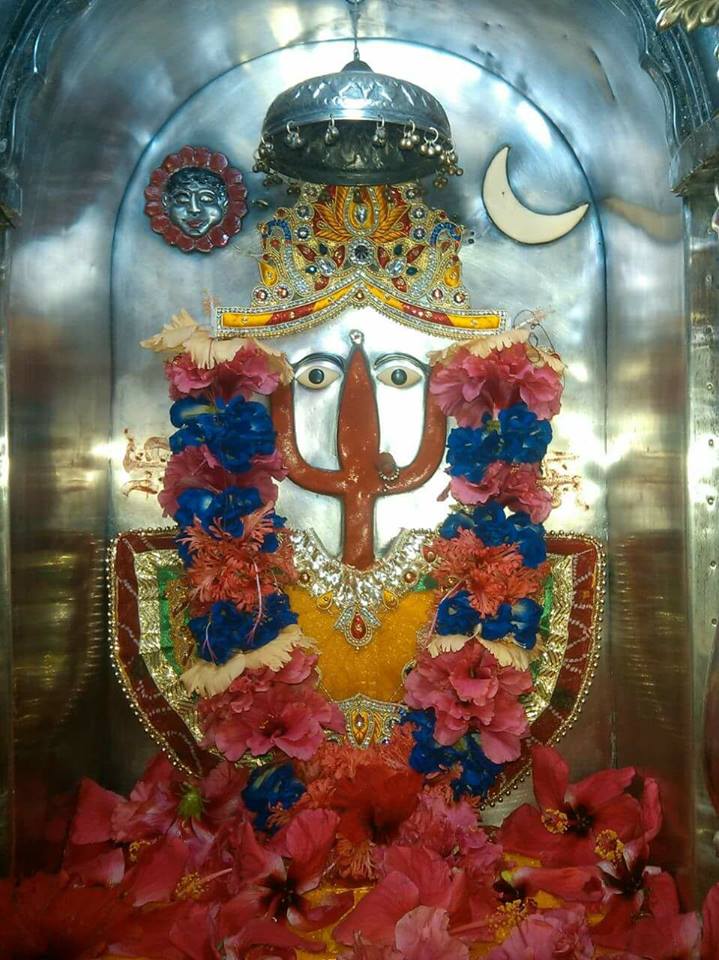
Shree Chaitanya Gaudiya Math
Shree Chaitanya Gaudiya Math in Puri is a Gaudiya Vaishnava ashram dedicated to the teachings of Sri Chaitanya Mahaprabhu, serving as an active spiritual community for devotiona…

Markandeya Temple
Markandeya Temple in Puri is a 12th-century Shiva shrine located on Brahmagiri Road, offering free darshan with extended daily hours and a principal Sandhya Aarti at 7:00 PM.
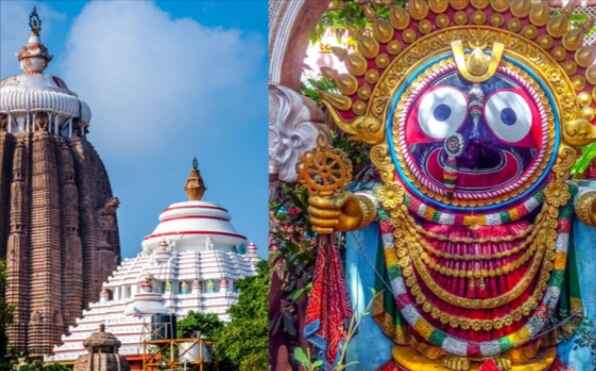
Jagannath Puri
Jagannath Temple in Puri is one of the four sacred Char Dhams of Hinduism, housing the divine trinity of Lord Jagannath, Balabhadra, and Subhadra. Revered as the eternal abode o…
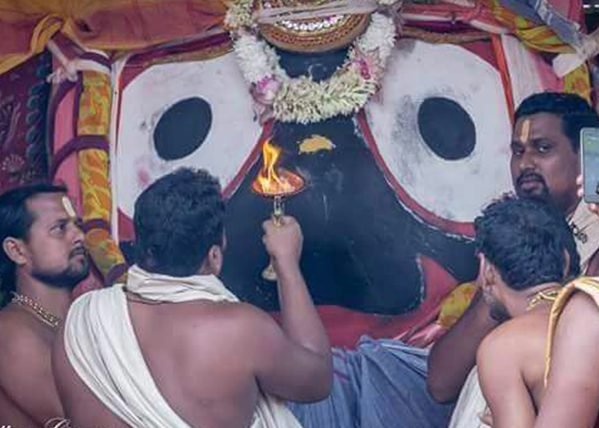
Shveta-Ganga
The Shree Jagannatha Temple in Puri is an ancient shrine dedicated to Lord Jagannatha, revered as the Supreme God of the Universe. It maintains centuries-old rituals and daily c…
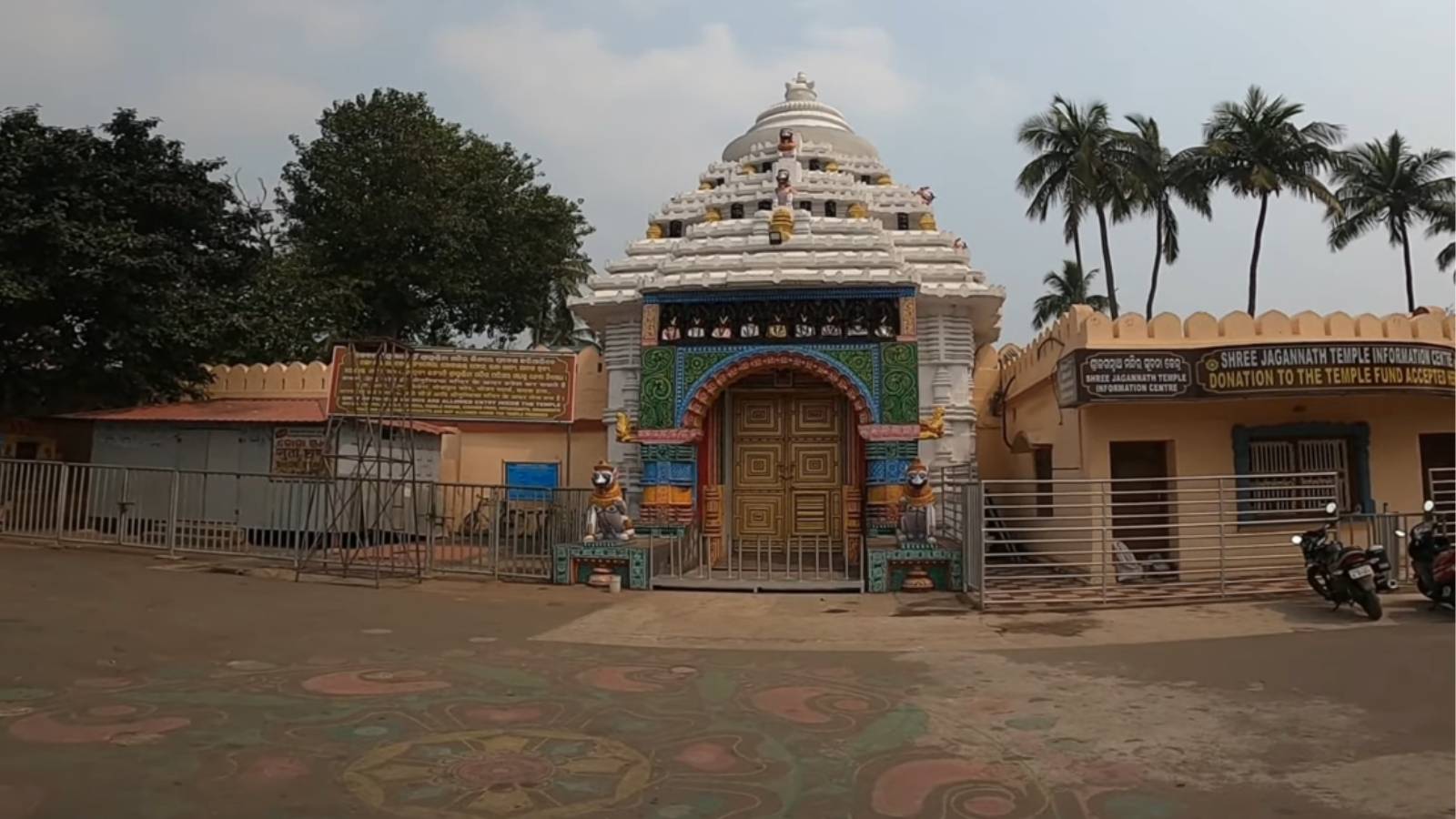
Shri Gundicha Mandir
Gundicha Mandir in Puri is the sacred destination of the annual Rath Yatra festival, serving as the temporary residence of Lord Jagannath, Balabhadra, and Subhadra for seven day…

Barahi Temple
Barahi Temple, situated on an island in Phewa Lake, is Pokhara's most significant religious monument dedicated to the goddess Barahi, accessible only by boat.