


Barahi Temple
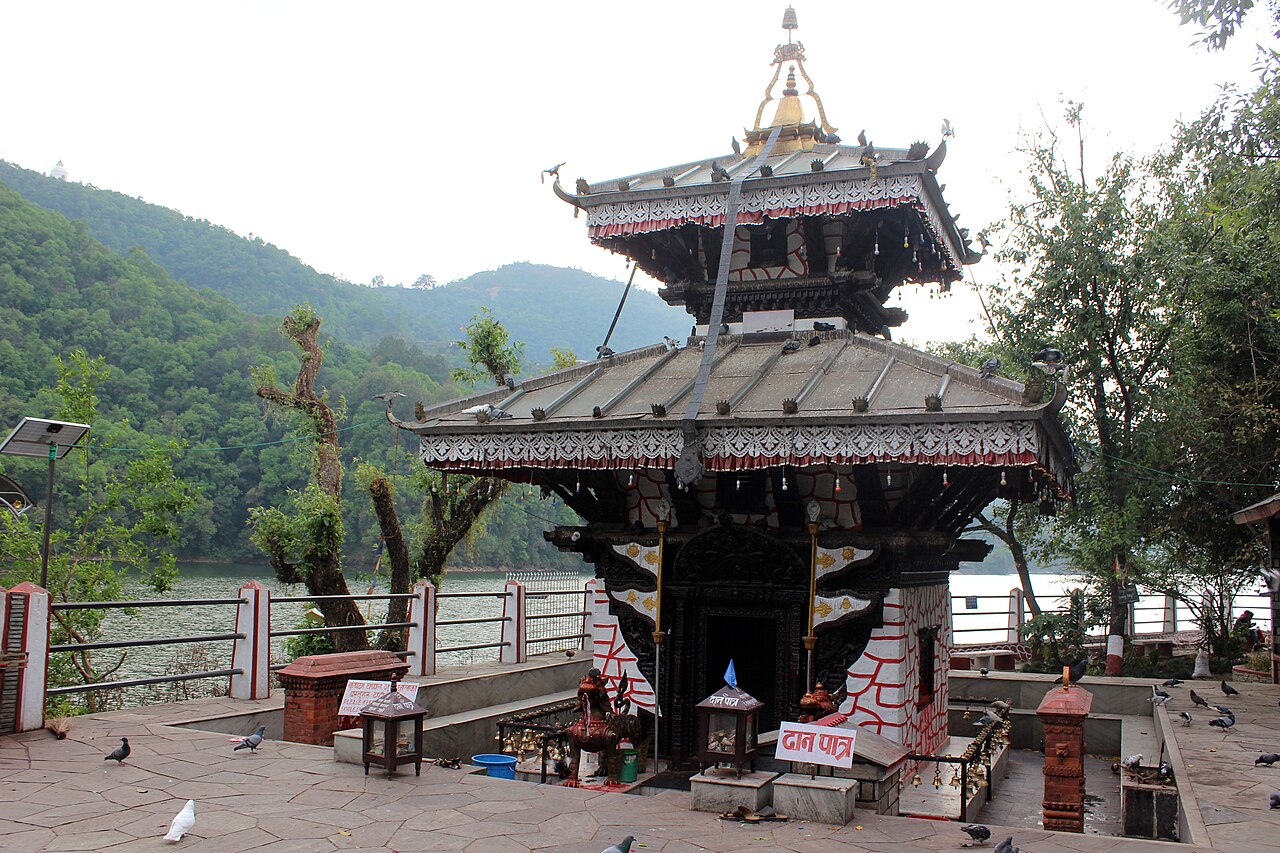
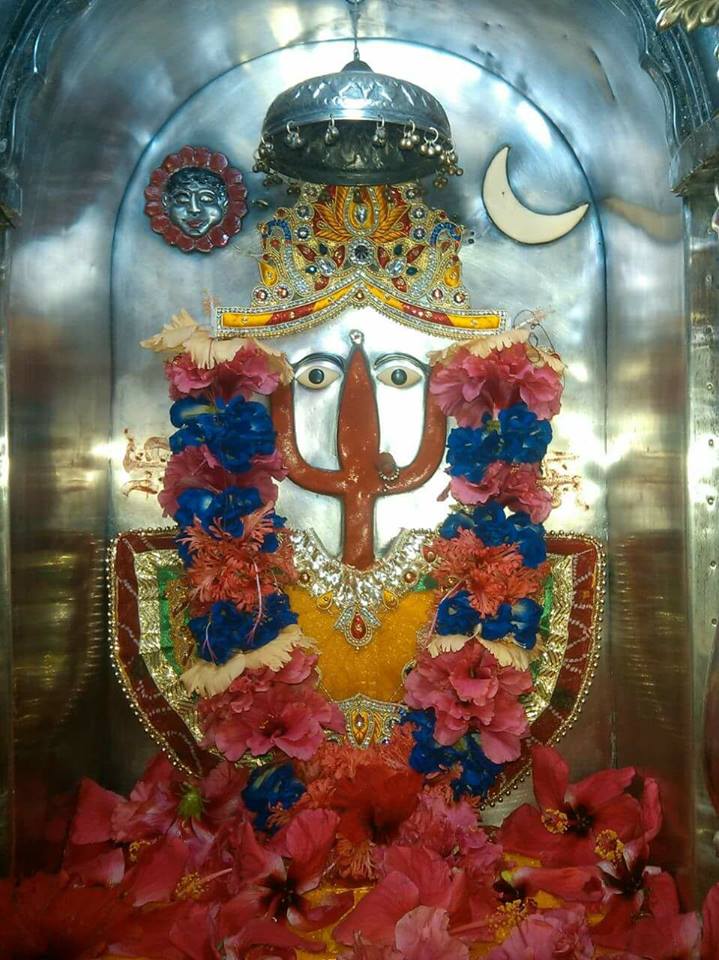
About Barahi Temple
Reaching Barahi Temple requires arranging boat transport across Phewa Lake from Pokhara. Visitors should plan their journey accordingly, as the temple's island location means there is no direct land access. The boat crossing itself is brief, but visitors should allow time for arranging transportation and waiting for suitable conditions.
The temple welcomes devotees year-round, though two periods stand out as particularly auspicious for pilgrimage. The Nepalese months of Baisakh (April–May) and Kartik (November–December) draw increased numbers of worshippers. These seasons align with favorable weather and traditional observance patterns in the Hindu calendar. Visitors planning their trip should consider these peak periods if they wish to experience the temple during times of heightened religious activity, while understanding that crowds will be correspondingly larger.
Seasonal Observance and Pilgrimage Patterns
The concentration of pilgrimage during Baisakh and Kartik reflects the rhythms of the Hindu calendar and the agricultural cycles of Nepal. These months hold particular significance for goddess worship across the region. Devotees time their visits to coincide with these auspicious periods, making them optimal times to witness the temple's religious life and the devotion of worshippers.
Outside these peak seasons, the temple remains accessible to visitors and pilgrims. The quieter months may offer a more contemplative experience for those seeking solitude or a less crowded darshan, though the temple's significance ensures regular visitation throughout the year.
The Sacred Landscape of Phewa Lake
The setting of Barahi Temple within Phewa Lake contributes fundamentally to its spiritual character. The water surrounding the shrine creates a natural boundary between the sacred space and the secular world beyond. This geographical separation has long been understood in Hindu tradition as enhancing the sanctity of a place of worship.
The lake itself forms part of the devotional landscape. Pokhara's residents and visitors encounter the temple visually from the lake's shores, a constant reminder of the goddess's presence at the heart of the city's spiritual life. The journey by boat to reach the shrine emphasizes the intentionality of pilgrimage—this is not a temple one passes casually, but one that requires deliberate effort to approach.
What Visitors Should Know
Visitors planning to visit Barahi Temple should dress modestly, as is customary at Hindu places of worship. Respectful behavior within the shrine is expected, including removing footwear as directed and following any instructions from temple attendants.
The boat journey to the temple means visitors should be comfortable with water travel and check weather conditions before planning their visit. During monsoon seasons, lake conditions may affect access. It is advisable to inquire locally about current conditions and boat availability before making the journey. Visitors should also carry sufficient time in their schedule, as the combination of travel to the lake, boat crossing, and time at the temple requires several hours.
Location and Coordinates
Barahi Temple is situated on Phewa Lake in Pokhara, Nepal, at coordinates 19.8009982, 85.8159632. Pokhara itself is accessible by road and air from Kathmandu and other major Nepalese cities. Once in Pokhara, visitors can arrange boat transport to the temple from various points along the lake's shore. Local guides and boatmen are familiar with the route and can assist visitors in reaching the shrine.
How to reach


Temples near Barahi Temple
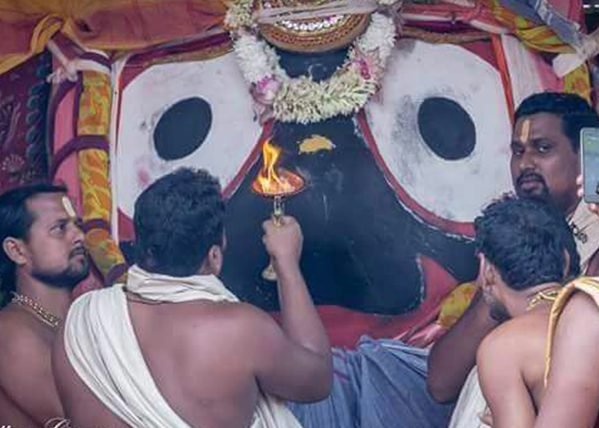
Shveta-Ganga
The Shree Jagannatha Temple in Puri is an ancient shrine dedicated to Lord Jagannatha, revered as the Supreme God of the Universe. It maintains centuries-old rituals and daily c…
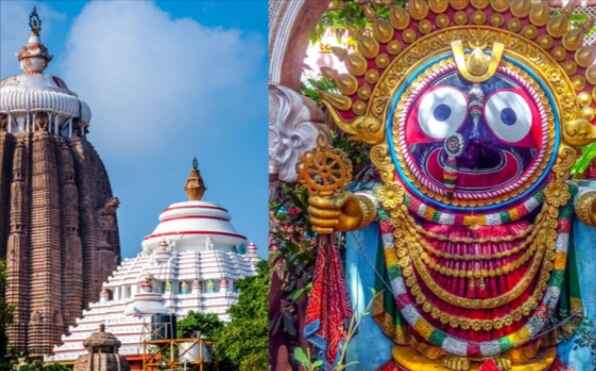
Jagannath Puri
Jagannath Temple in Puri is one of the four sacred Char Dhams of Hinduism, housing the divine trinity of Lord Jagannath, Balabhadra, and Subhadra. Revered as the eternal abode o…
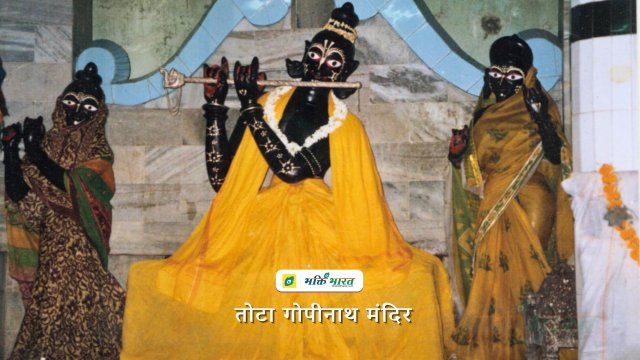
Tota Gopinatha Temple
Tota Gopinatha Temple in Puri is a serene Vaishnav shrine dedicated to Lord Krishna in his unique seated form, deeply connected to Sri Chaitanya Mahaprabhu and Gadadhara Pandit'…
ISKCON TEMPLE PURI
ISKCON Jagannath Puri is India's second-largest ISKCON temple, a sprawling 22-acre complex dedicated to Lord Jagannath built in traditional Kalinga architectural style.

Markandeya Temple
Markandeya Temple in Puri is a 12th-century Shiva shrine located on Brahmagiri Road, offering free darshan with extended daily hours and a principal Sandhya Aarti at 7:00 PM.
Shree Chaitanya Gaudiya Math
Shree Chaitanya Gaudiya Math in Puri is a Gaudiya Vaishnava ashram dedicated to the teachings of Sri Chaitanya Mahaprabhu, serving as an active spiritual community for devotiona…