Sdok Kok Thom
About Sdok Kok Thom
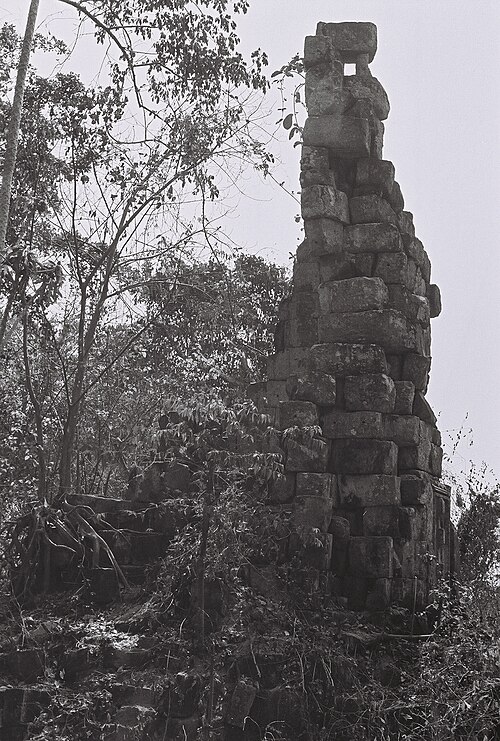
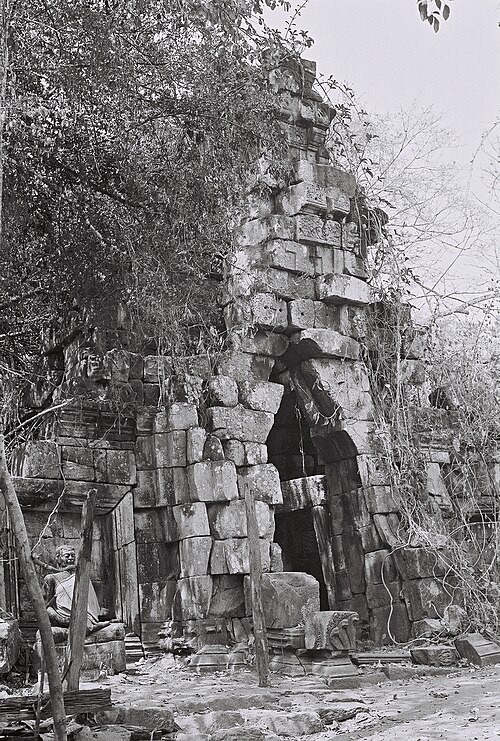
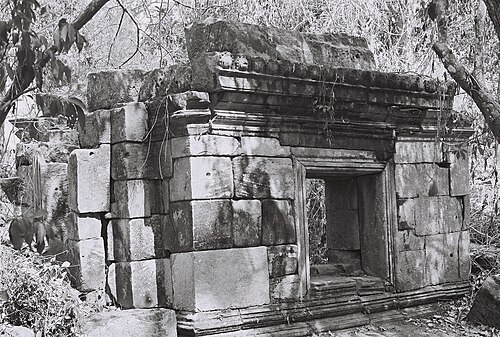
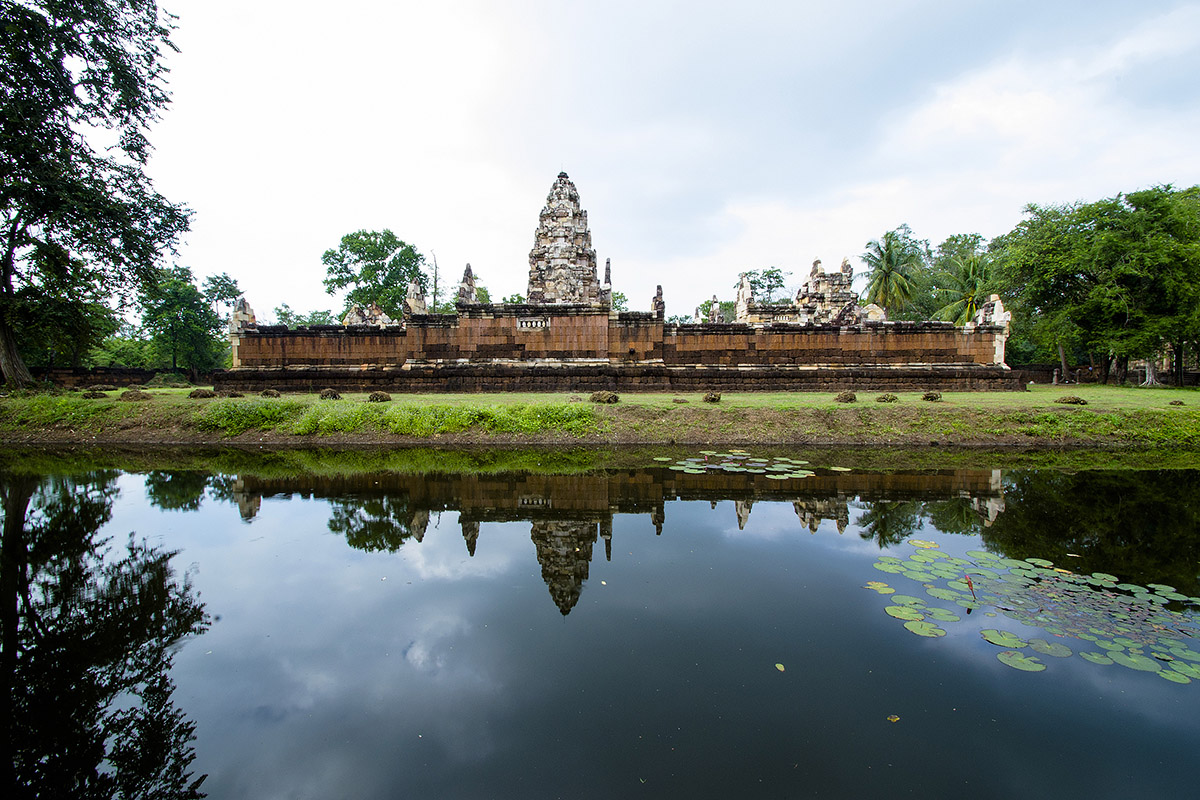
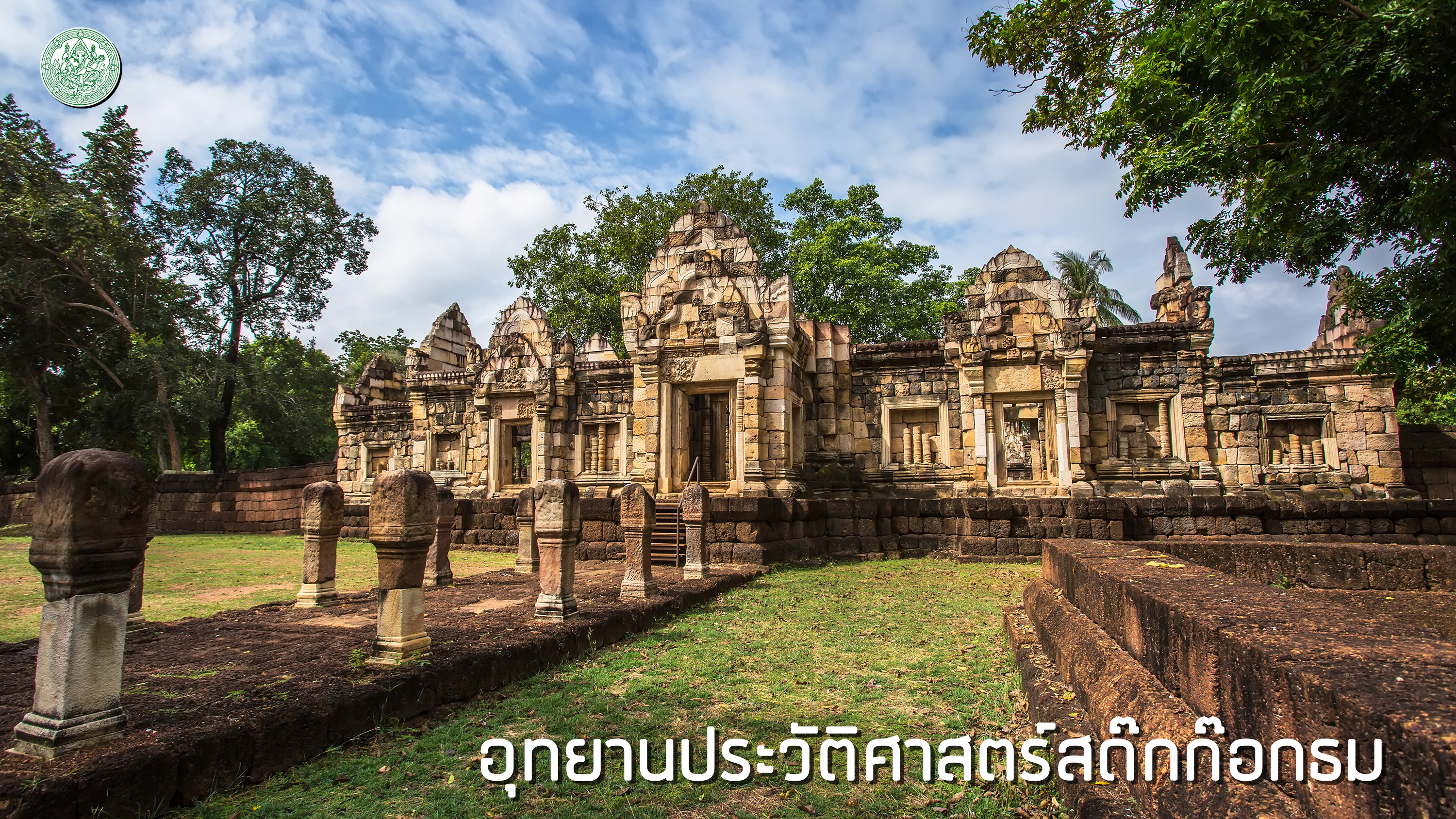
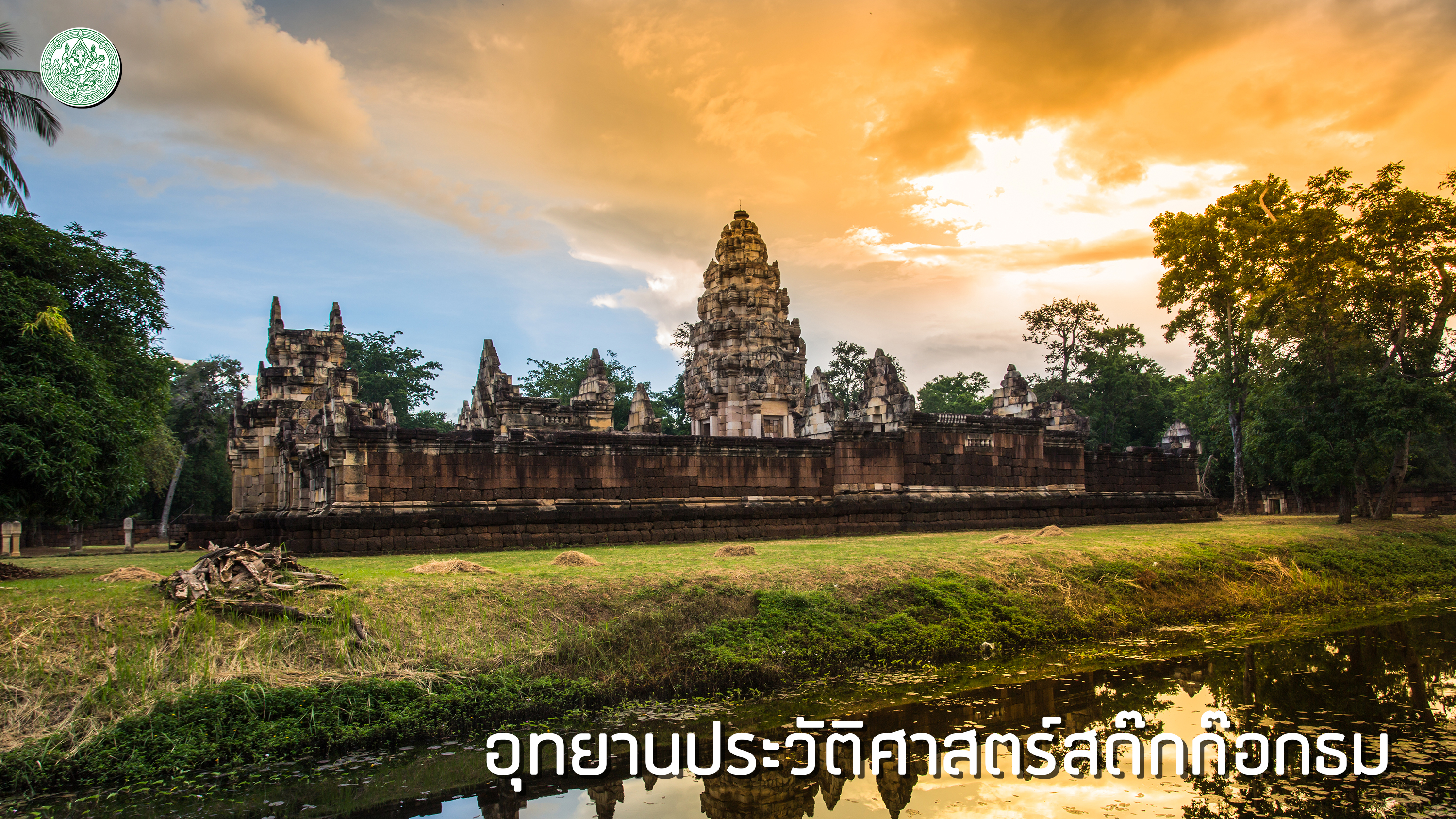
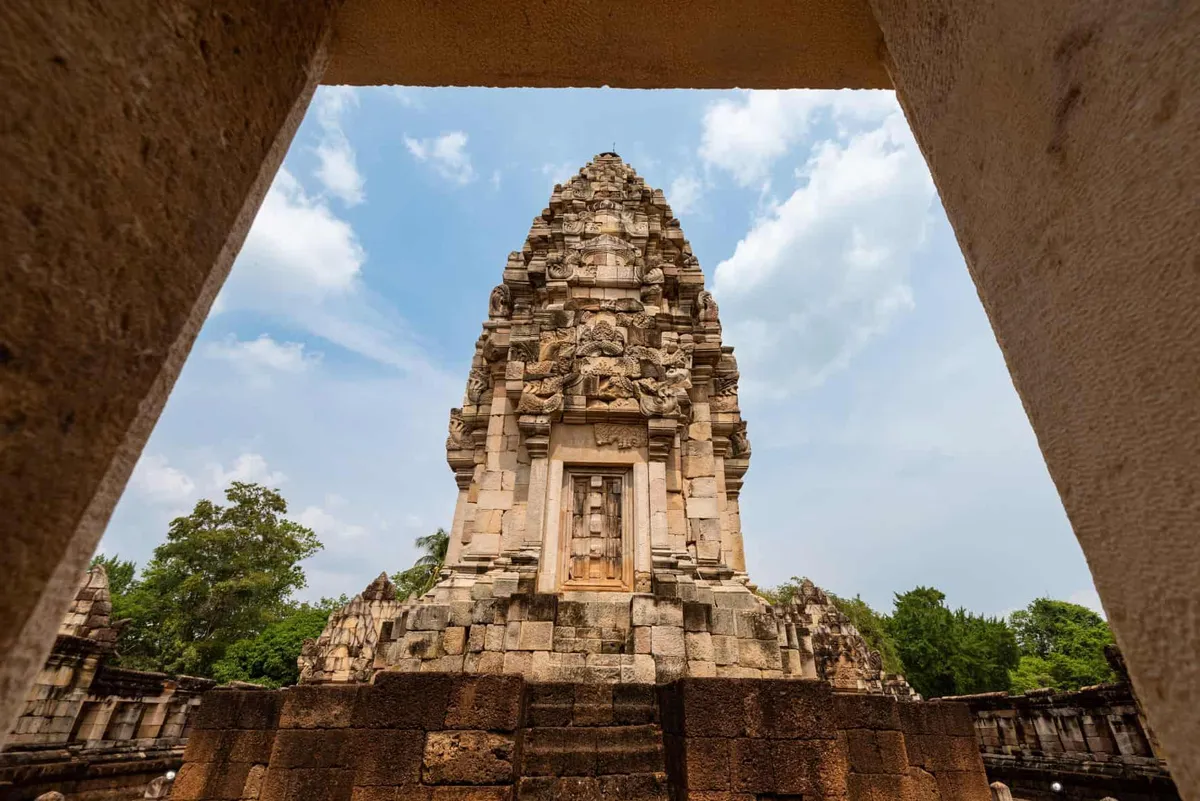
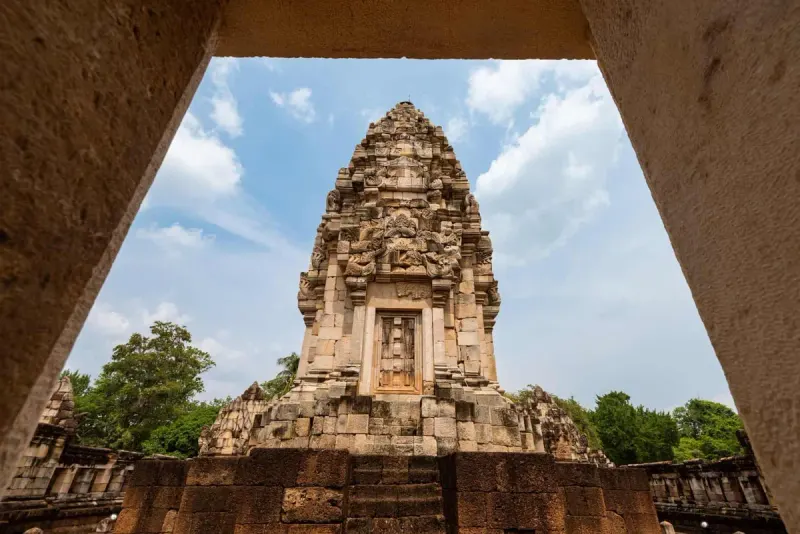
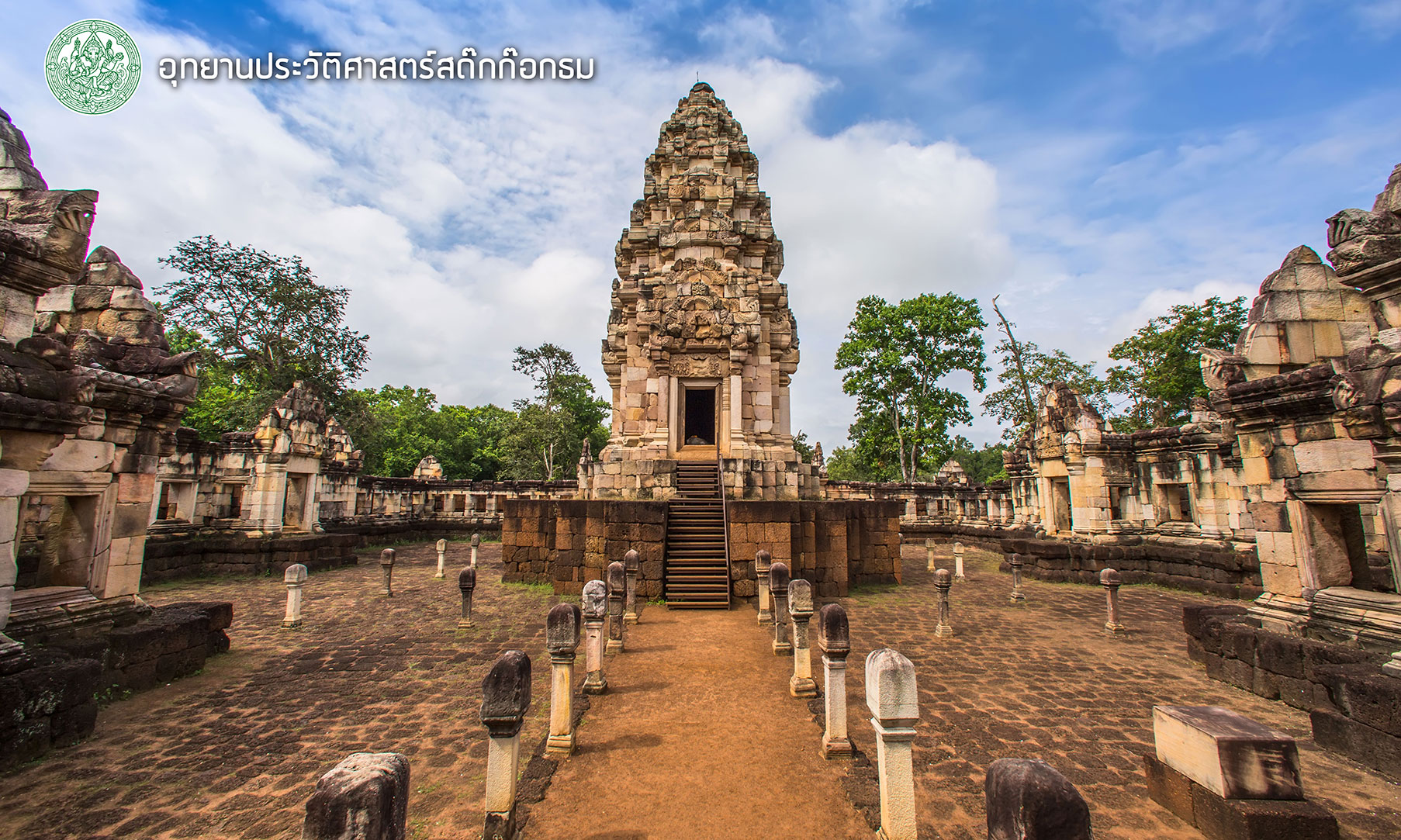
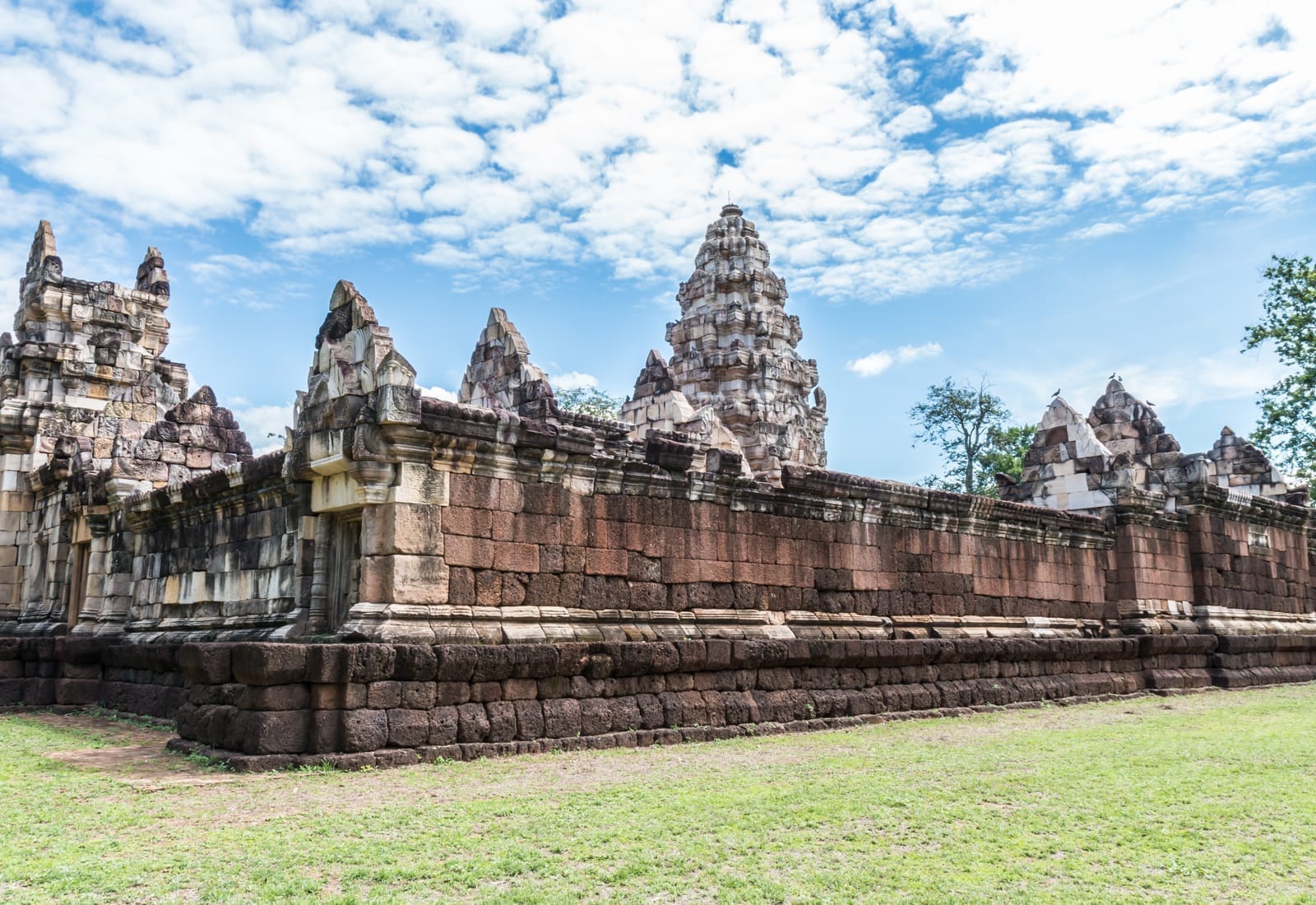
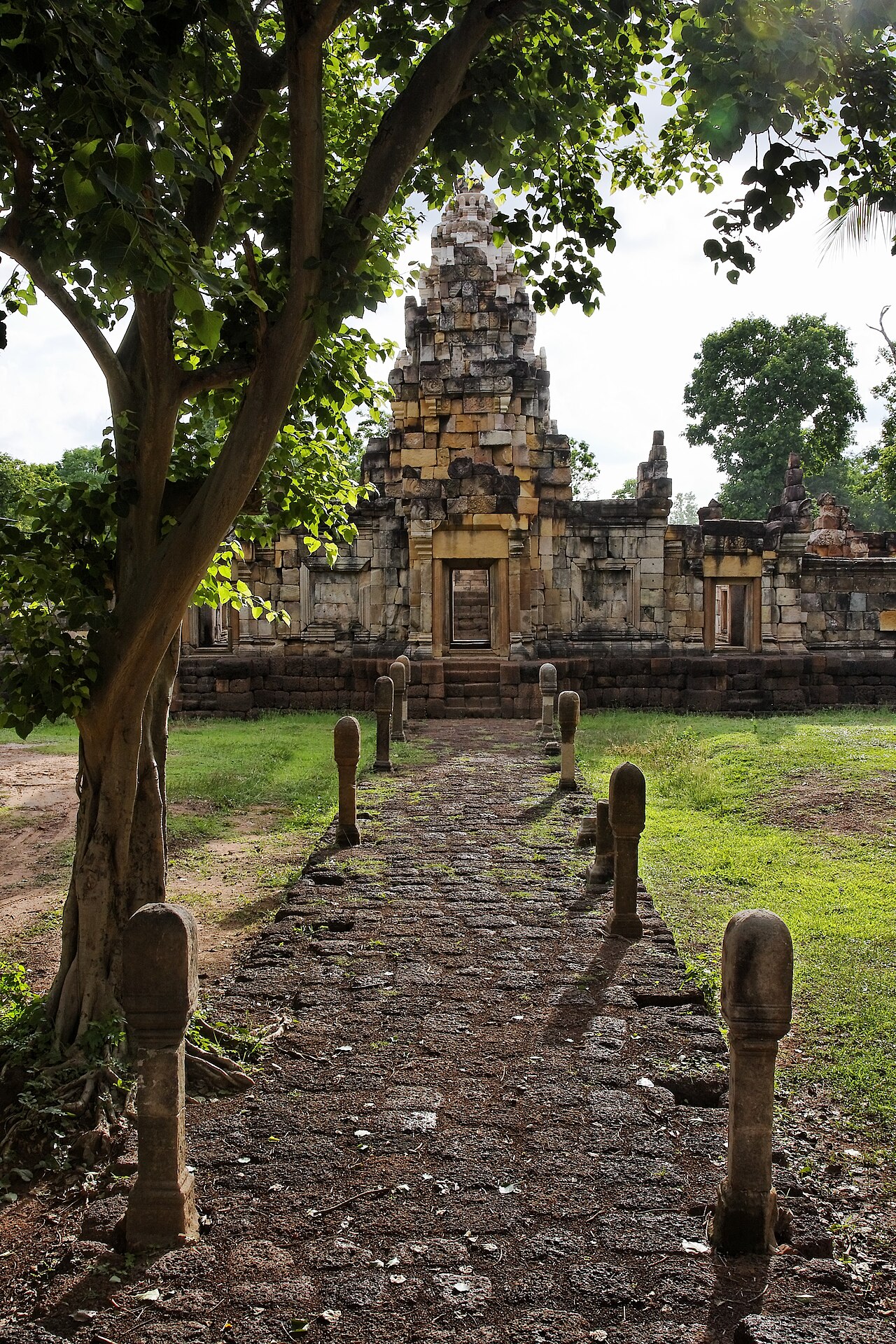
The temple occupies a rectangular courtyard measuring approximately 42 by 36 meters, enclosed by galleries and stone walls. At its center stands the main sanctuary, a sandstone prang (tower) oriented toward the east, constructed from sandstone and laterite blocks. This central structure forms the visual and spiritual heart of the complex. Flanking the sanctuary on either side are two library buildings, also built in sandstone, distinguished by arched windows that once housed sacred texts and remain among the site's most photographed architectural features.
The eastern gopura, or gateway, marks the temple's primary entrance and carries carved naga motifs along with a sculpted lintel accessible for close inspection. Beyond the main temple precinct lies a baray—a sacred reservoir—situated approximately 200 meters to the east, part of the water management system integral to Khmer temple design. The restoration work has preserved these elements in their reconstructed state, allowing visitors to grasp the spatial relationships and architectural sophistication of 11th-century Khmer building practice.
The Sdok Kok Thom Inscription
The temple's greatest historical significance rests with the inscription discovered at the site, which scholars regard as among the most important documentary records the Khmer empire produced. This text records a royal genealogy extending back more than 250 years to Jayavarman II, traditionally recognized as the founder of the Khmer empire. Beyond its genealogical content, the inscription provides detailed description of the devaraja rite—the ceremonial practice that positioned the reigning king as a divine incarnation, a concept that anchored the entire structure of Khmer political and religious authority.
An on-site center dedicated to Khmer civilization provides context for understanding both the inscription and the broader cultural world it represents. This facility helps visitors grasp the historical and religious significance of what they are viewing, making the temple more than an architectural monument but a window into how the Khmer understood kingship, divinity, and their place in the cosmos.
Visiting Practicalities
Sdok Kok Thom is located at Ban Nong Ya Kaeo in Khok Sung sub-district, Khok Sung district, Sa Kaeo province, positioned roughly one kilometer from the Thai-Cambodian border. The site remains relatively uncrowded compared to more famous Khmer temples elsewhere in Thailand, allowing for unhurried exploration and photography.
For photography, morning hours between 8 and 10 am offer optimal conditions. The east-facing orientation of the main sanctuary means that early light strikes the temple front directly, creating crisp shadows and warm stone tones ideal for capturing architectural detail. Later in the afternoon, the sun swings to the rear, offering alternative lighting for those seeking different photographic moods. Visitors should plan accordingly if photography is a primary goal.
Getting There
The temple sits on a single road approach in a remote border region. While specific transportation details are not detailed in available sources, visitors should anticipate that reaching Sa Kaeo province requires planning, as it lies in eastern Thailand away from major tourist centers. Online booking platforms may offer tour options and skip-the-line entry arrangements for those preferring organized visits.
How to reach

Temples near Sdok Kok Thom
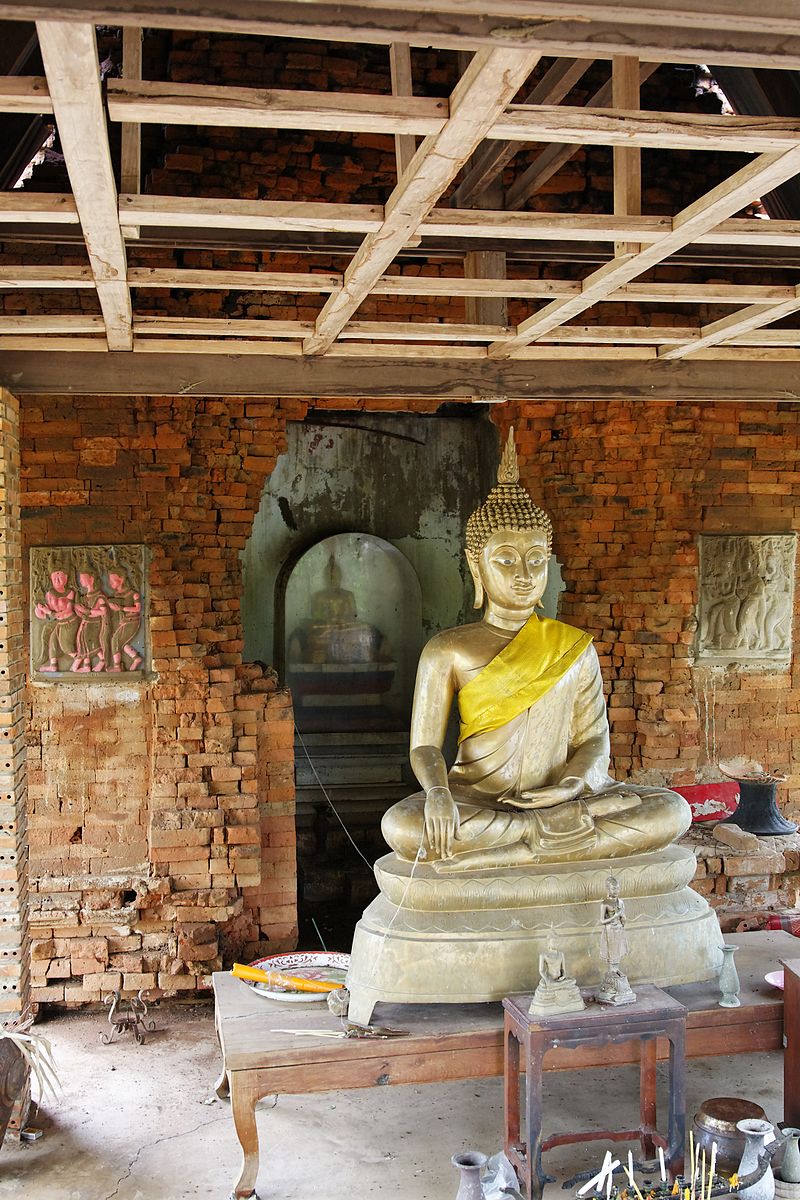
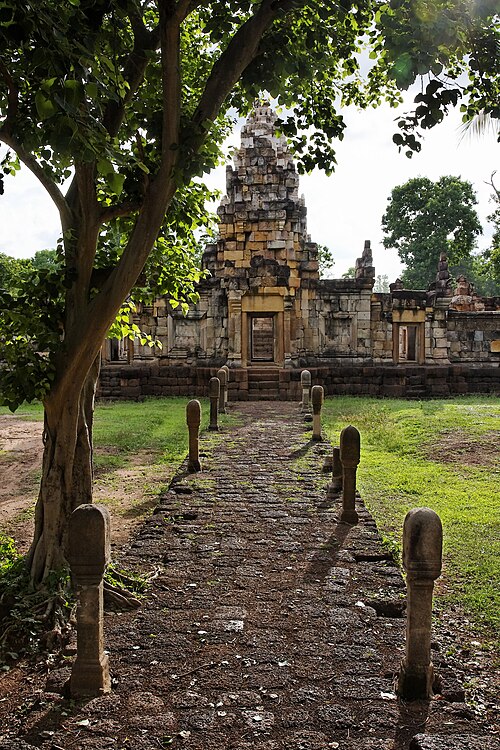
Prasat Khao Lon
Prasat Khao Lon is a registered historic Hindu temple located in Sa Kaeo Province in eastern Thailand, situated in the Thap Rat district near the Cambodian border.
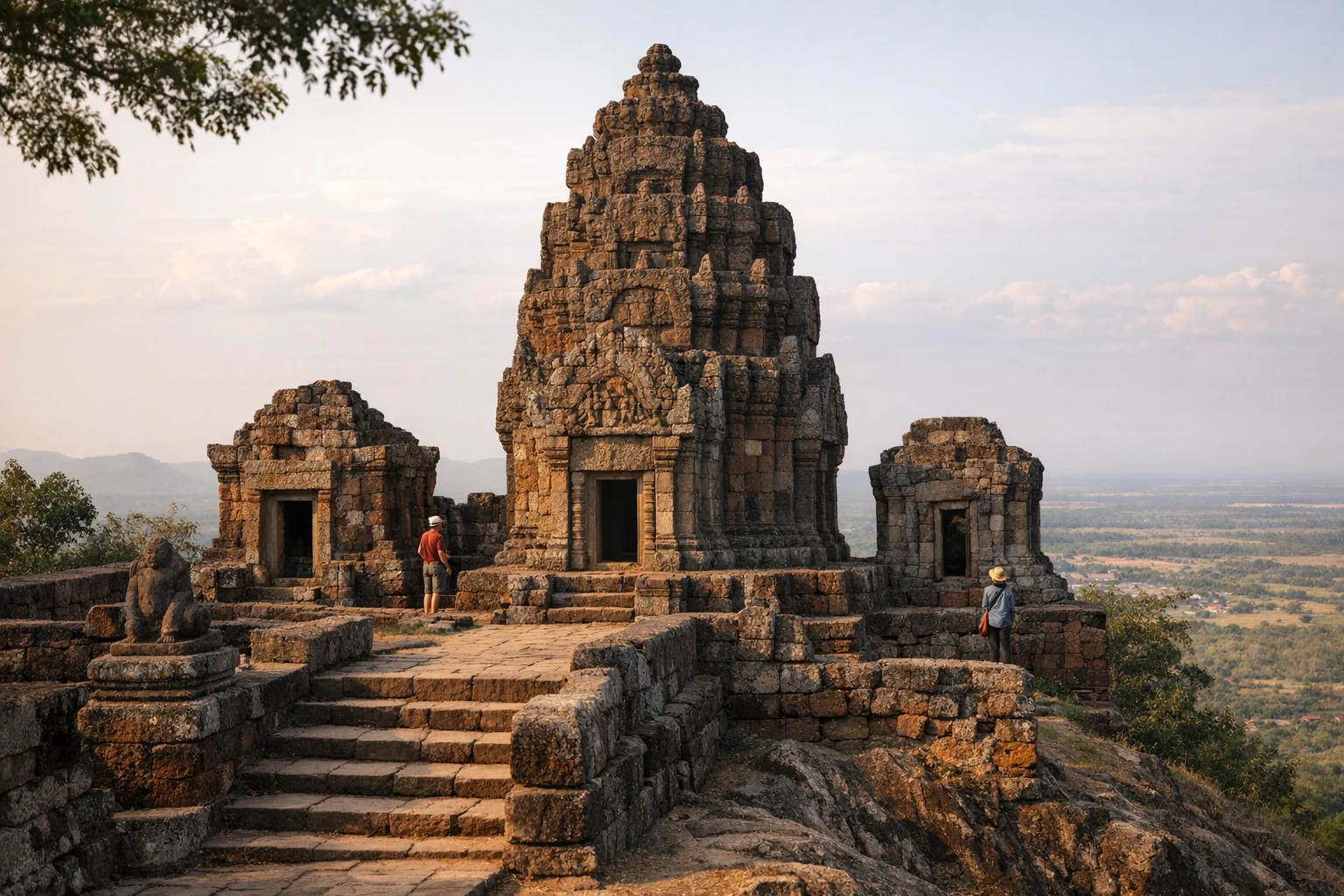
Prasat Khao Noi
Prasat Khao Noi is an ancient Khmer hilltop sanctuary in Sa Kaeo Province, Thailand, dating to the 10th–11th centuries CE and originally dedicated to Hindu worship, likely Shiva.
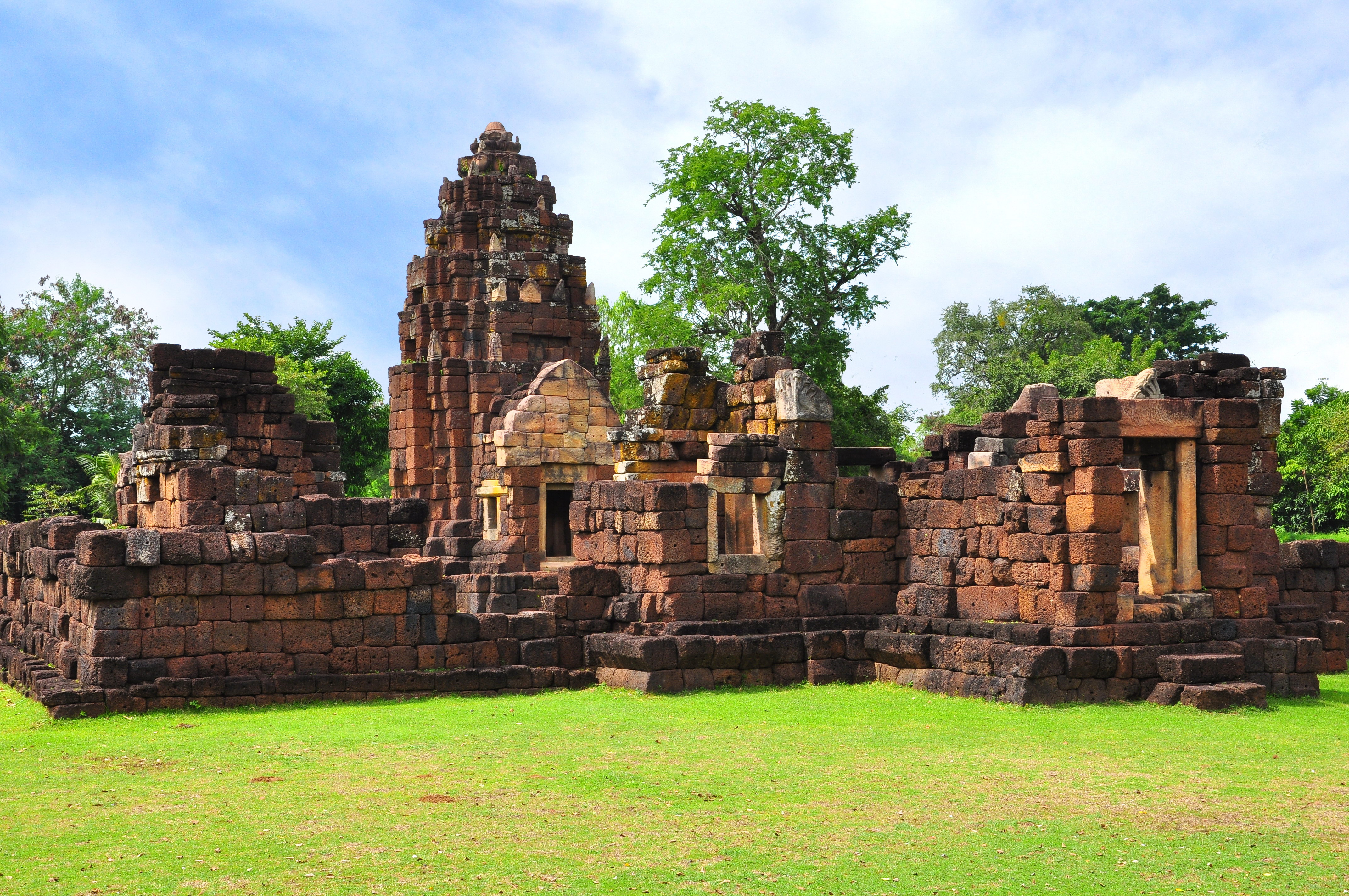
Kuti Ruesi - 2
Kuti Ruesi - 2 is a Hindu temple located in Chorakhe Mak, Buri Ram Province, Thailand, serving the local Hindu community with observance of major festivals throughout the year.
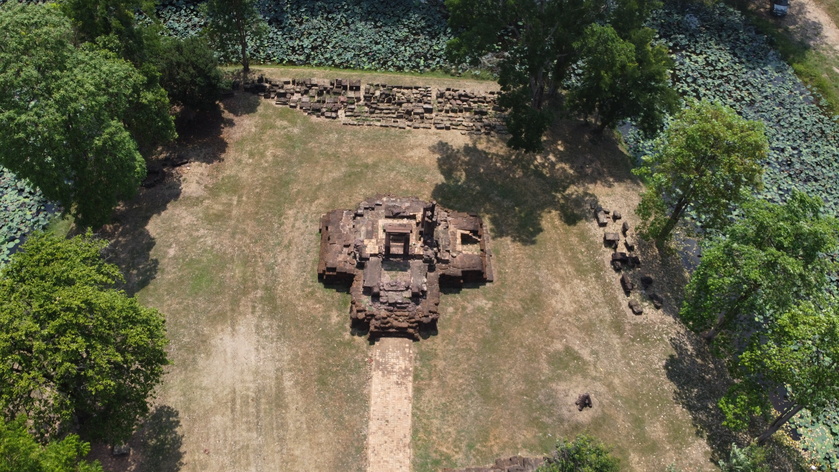
Prang Pha Kho
An 11th-century Khmer-era prang located in rural Chok Chai District, Nakhon Ratchasima, featuring a T-shaped main shrine with carved sandstone elements and library structures en…
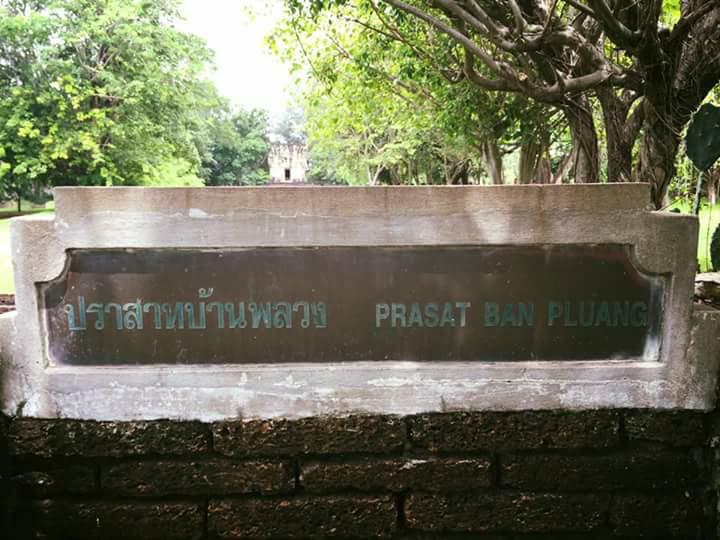
Prasat Ban Phluang
Prasat Ban Phluang is a small Khmer-style sanctuary located in Ban Phluang village, Surin Province, northeastern Thailand, featuring a single modest shrine structure oriented to…