Prasat Khao Noi
About Prasat Khao Noi
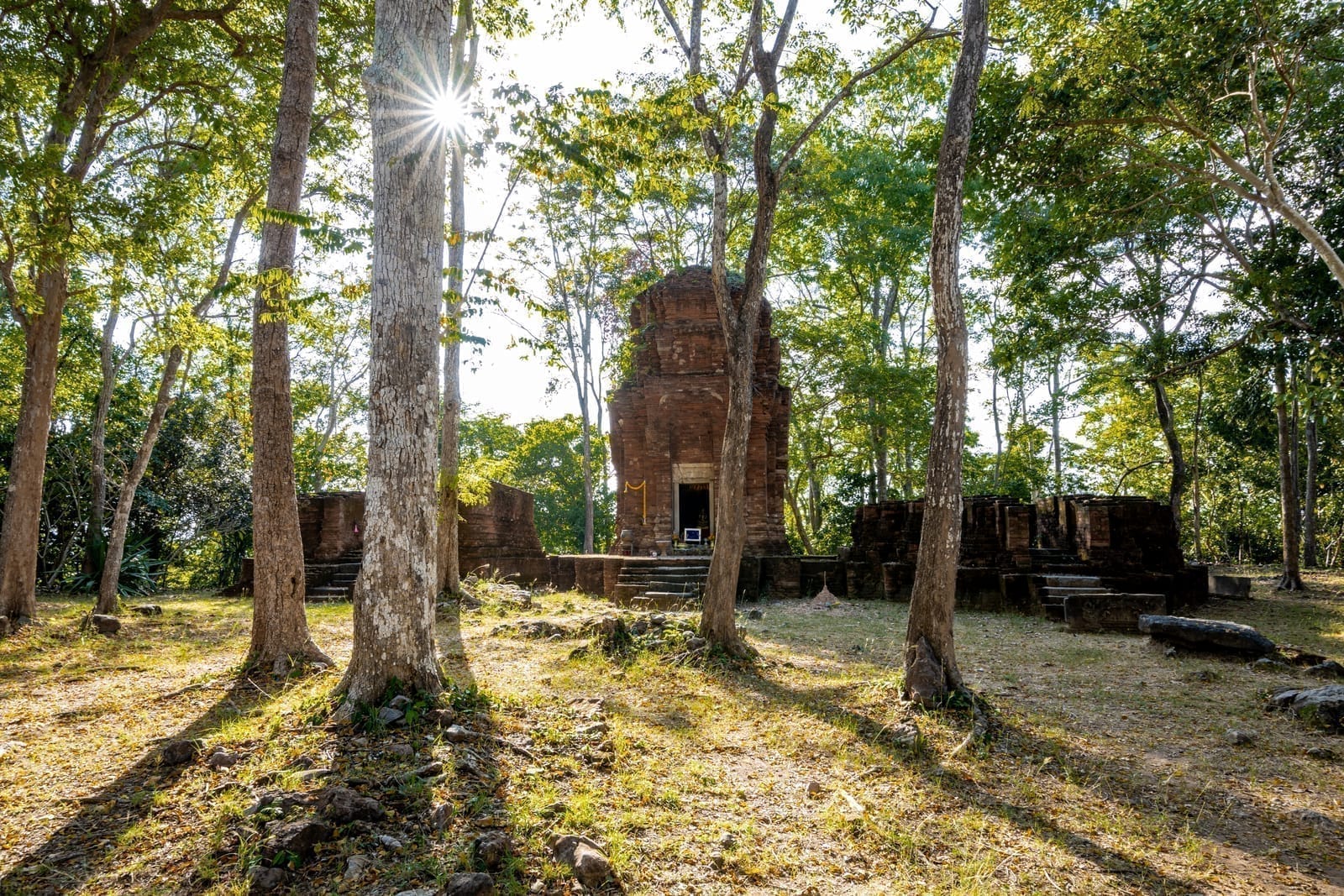
Prasat Khao Noi was established around the 10th century CE, though some sources suggest earlier construction during the Chenla–Dvaravati period, with later restoration in the 10th century. The temple likely served as a religious centre for a local community connected to regional administrators or landholding elites. Its original cult was probably Hindu, possibly centred on Shiva worship, which was common in early Khmer state temples and provincial shrines of this era.
The sanctuary would have functioned as a place of ritual maintenance and seasonal observance, with priests and specialists conducting offerings and rites before the sacred image or linga housed within the brick tower. The hilltop location carried both ritual and political significance, visually marking authority in the landscape while invoking the sacred mountain symbolism central to Hindu religious thought.
Architecture and Materials
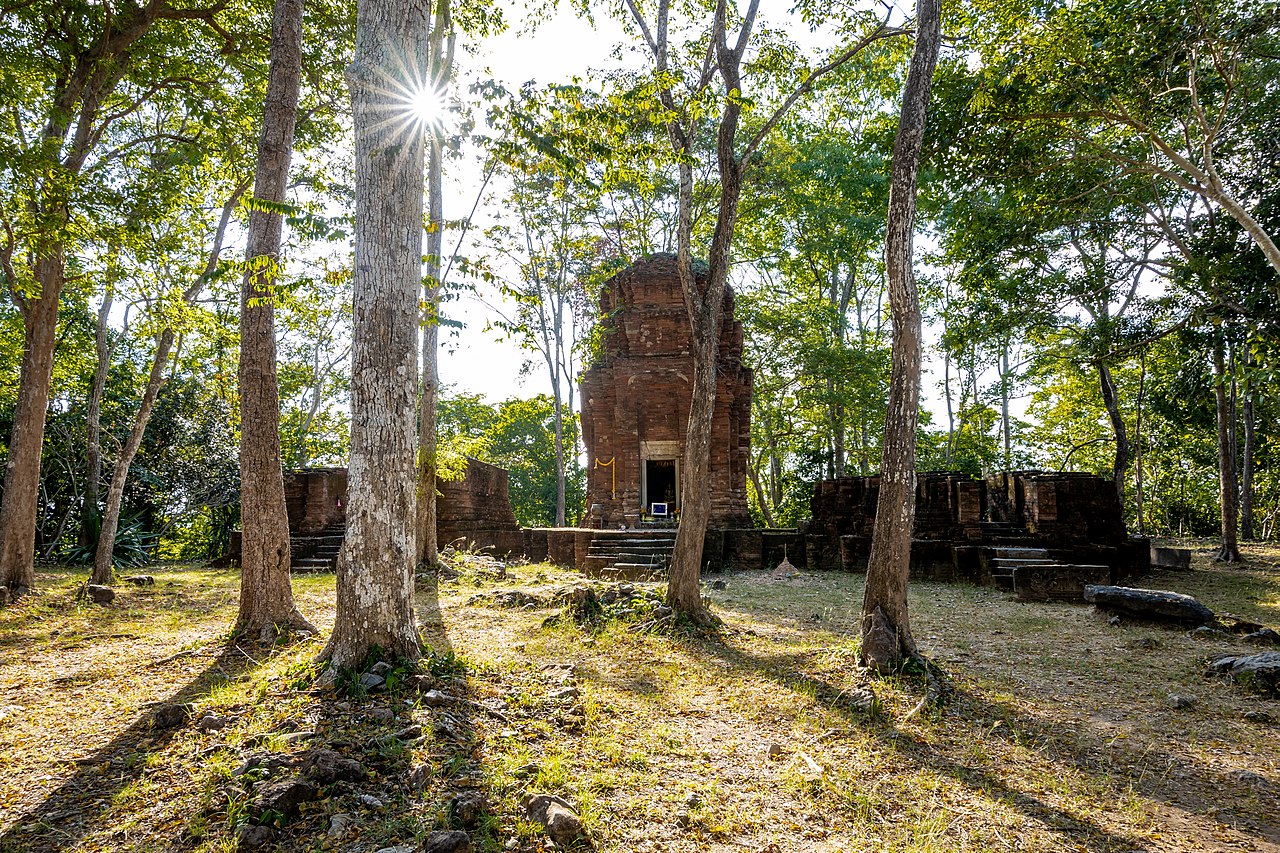
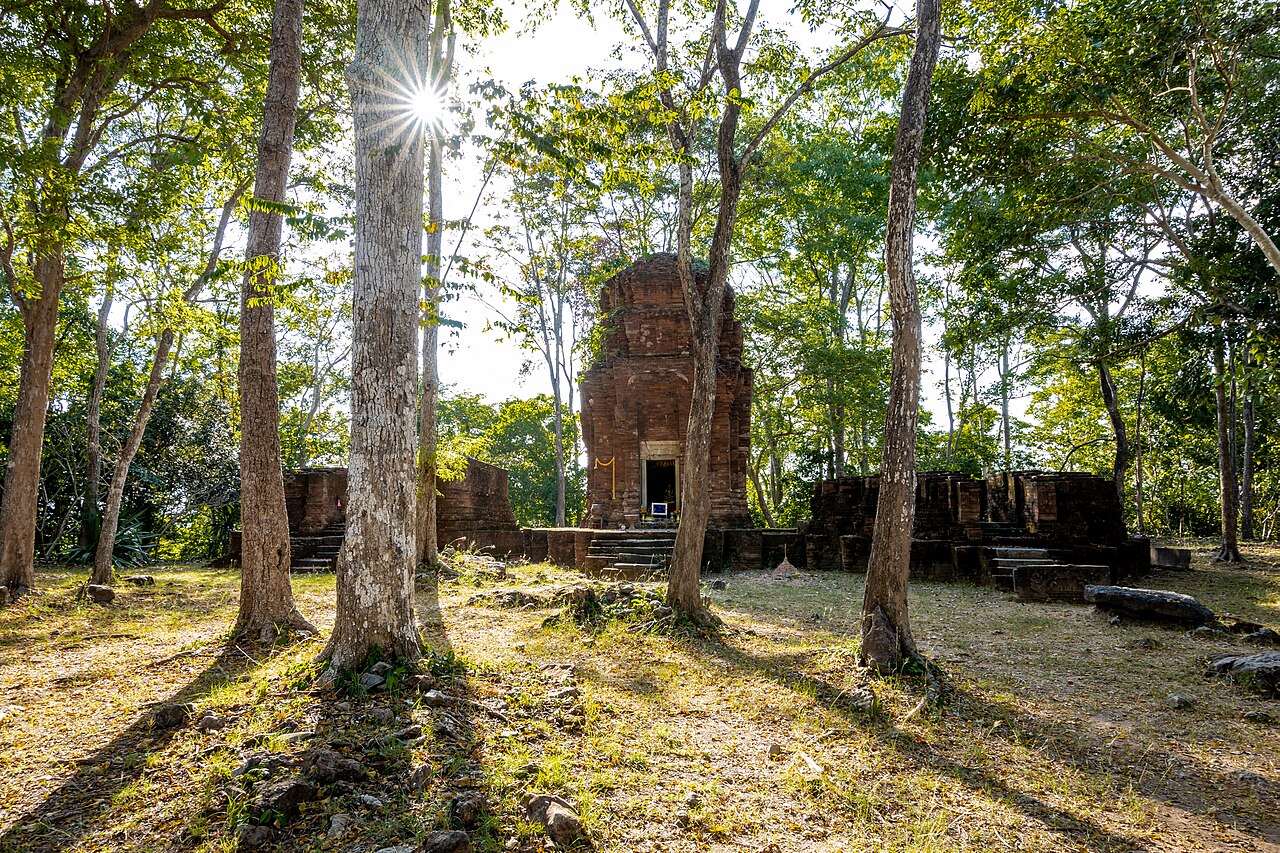
The temple comprises a compact brick sanctuary, characteristic of earlier Khmer architectural phases before the later development of larger sandstone complexes. Brick towers of this type typically housed a central cult image, and the surviving masonry at Prasat Khao Noi, along with fragments of carved stone, testify to skilled construction and artistic attention despite the site's modest scale.
The materials—brick and laterite—have weathered centuries of exposure. Rather than presenting an overwhelming display of grandeur, the ruins convey intimacy and endurance. The weathered state of the stonework and the open sky framing the remains invite visitors to engage imaginatively with the sanctuary's past, when it drew worshippers and maintained active ritual life.
Visiting the Temple
Access to the sanctuary requires climbing 254 steps to reach the hilltop. The ascent is of easy to moderate difficulty and typically takes 2–4 hours for a full visit, including time to explore the ruins and absorb the setting. Early morning or late afternoon are the best times to visit, when light is favourable and temperatures are cooler.
Visitors should wear sturdy footwear suitable for climbing and uneven ground. Modest dress is respectful at any active or historically significant Hindu site. Bring water, as the hilltop offers limited shelter. The site appears to operate without formal ticketing barriers, though it is advisable to check current conditions before visiting. The atmosphere is quiet and uncrowded, making it suitable for those seeking contemplative engagement with ancient architecture rather than busy tourist facilities.
Significance for Travellers
Prasat Khao Noi rewards close attention from those interested in how Khmer religious architecture adapted to regional contexts and how sacred geography functioned in medieval Southeast Asia. The site demonstrates that significance in ancient temple networks was not determined by scale alone; a modest brick sanctuary on a hill could hold considerable ritual and political meaning.
For visitors exploring eastern Thailand's ancient sites, the temple offers an encounter with an older sacred landscape that remains distinctly present. The ruins carry an atmosphere of historical continuity, where the traces of masonry and carved stone speak to endurance across more than a thousand years.
Practical Information
The temple is located at coordinates 13.58241624543, 102.52830794048 in Khlong Nam Sai sub-district, Aranyaprathet. It lies in Sa Kaeo Province, accessible from the provincial capital and nearby towns. Visitors should confirm current access conditions and any local guidance before arrival. The site's proximity to the Thai–Cambodian border means it sits within a region of ongoing historical and cultural significance, where the landscape itself reflects centuries of movement, exchange, and settlement across what are now international boundaries.
How to reach
Temples near Prasat Khao Noi
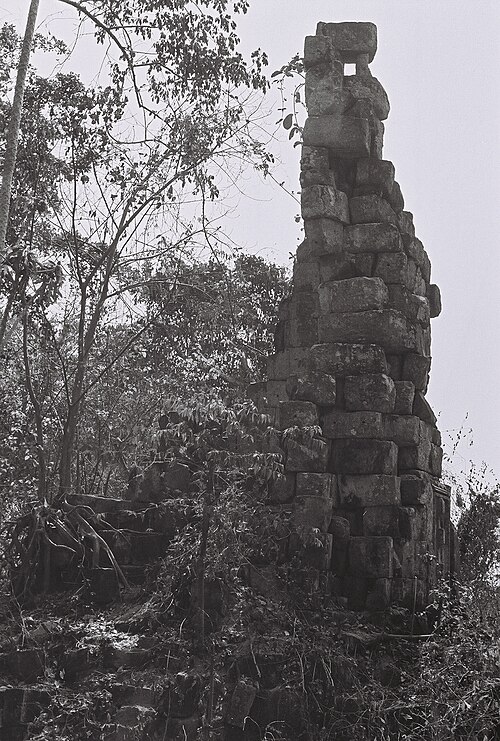
Sdok Kok Thom
Sdok Kok Thom is the largest Khmer temple in eastern Thailand, built around the 11th century during King Udayadityavarman II's reign. It houses one of the most significant inscr…
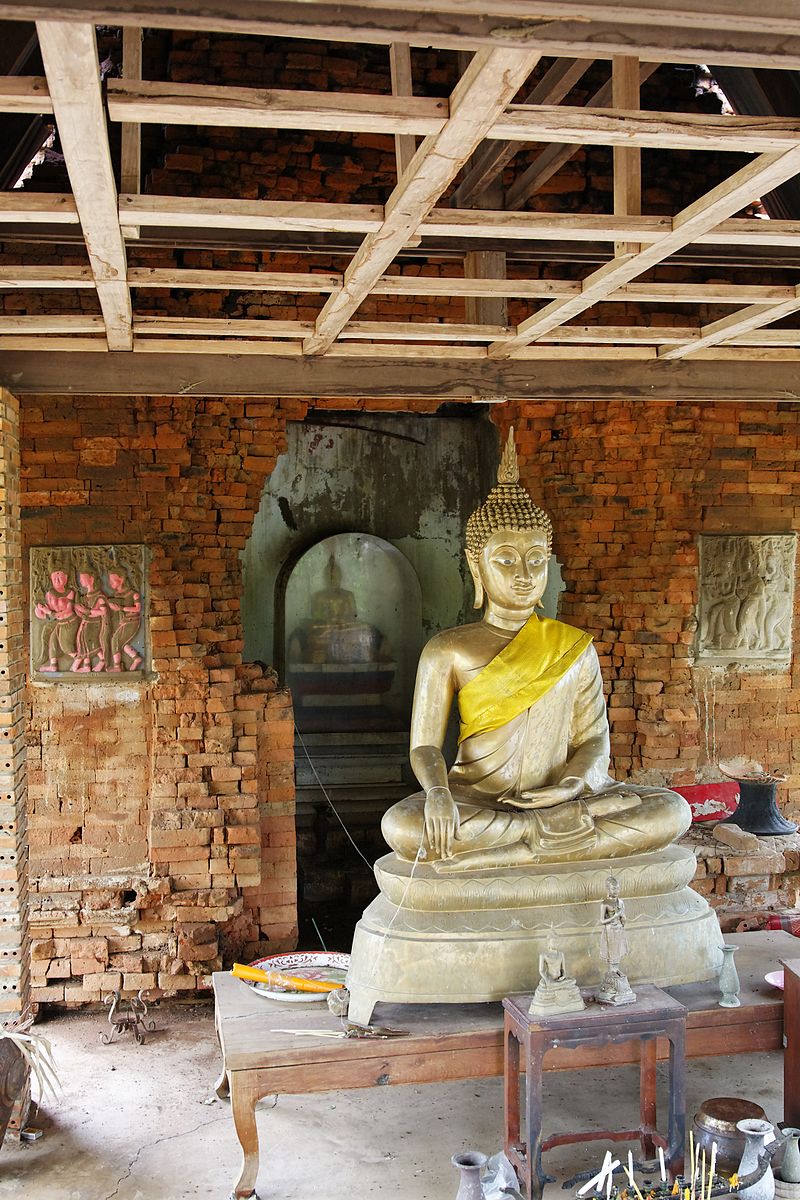
Prasat Khao Lon
Prasat Khao Lon is a registered historic Hindu temple located in Sa Kaeo Province in eastern Thailand, situated in the Thap Rat district near the Cambodian border.
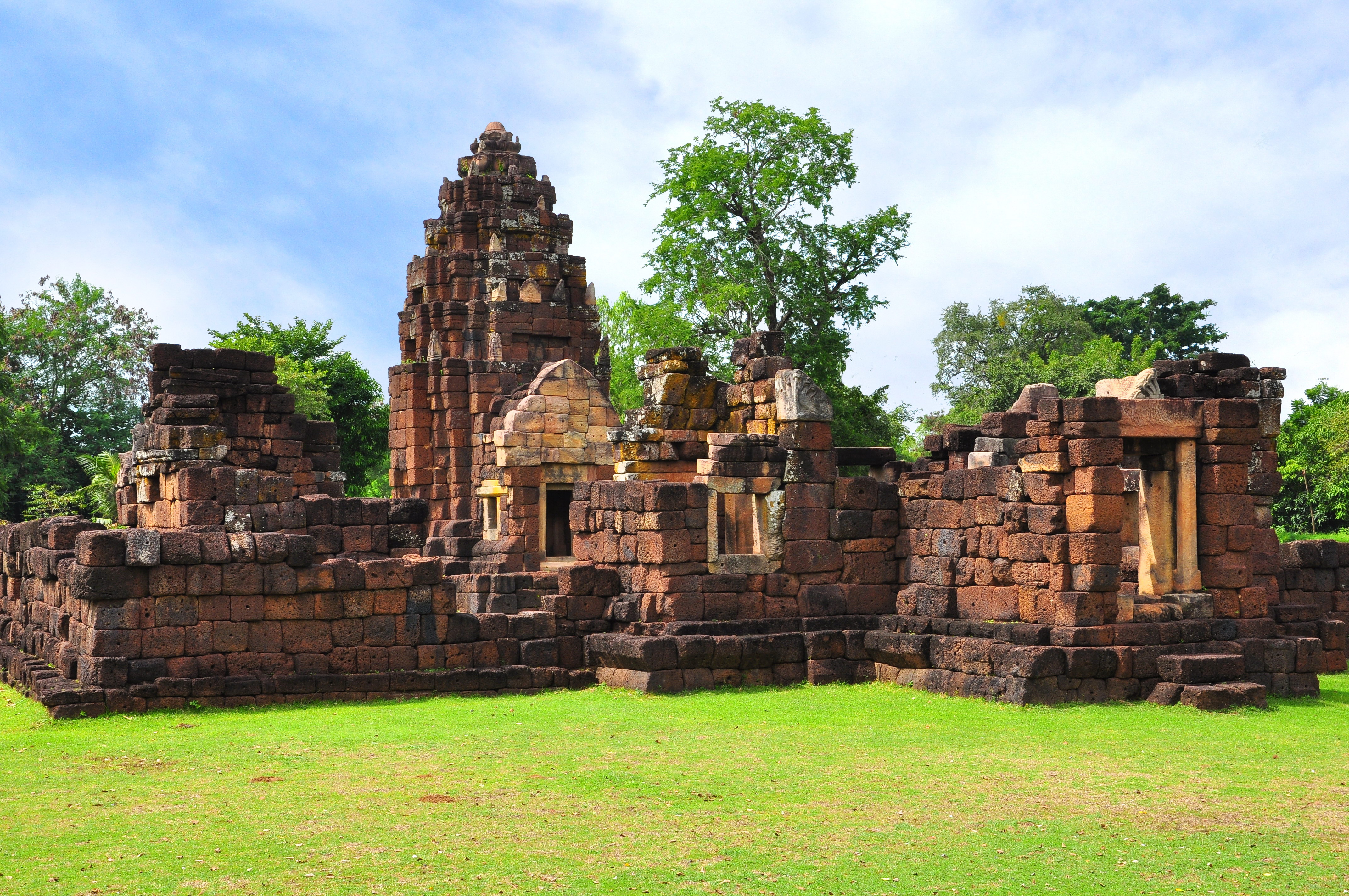
Kuti Ruesi - 2
Kuti Ruesi - 2 is a Hindu temple located in Chorakhe Mak, Buri Ram Province, Thailand, serving the local Hindu community with observance of major festivals throughout the year.
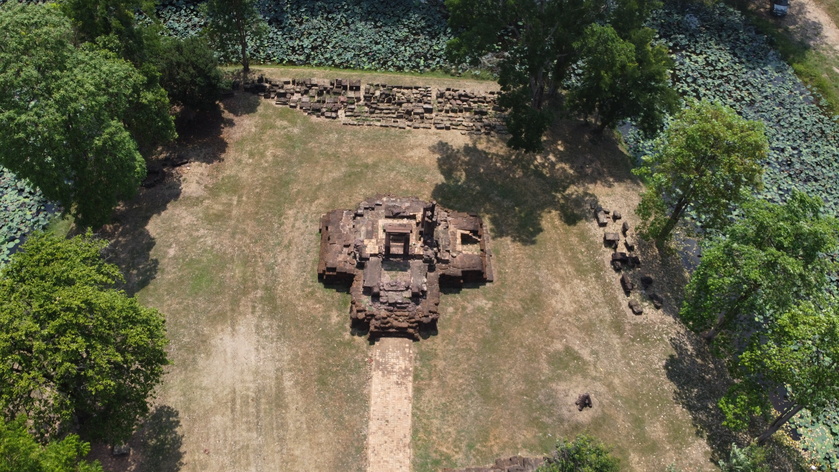
Prang Pha Kho
An 11th-century Khmer-era prang located in rural Chok Chai District, Nakhon Ratchasima, featuring a T-shaped main shrine with carved sandstone elements and library structures en…
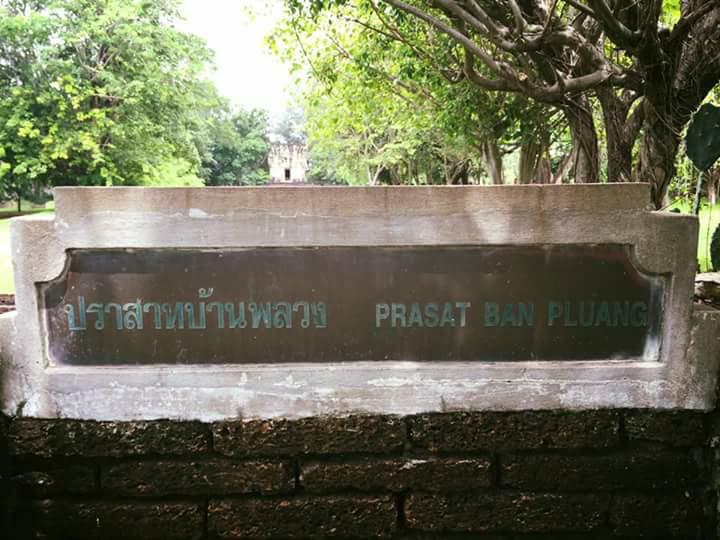
Prasat Ban Phluang
Prasat Ban Phluang is a small Khmer-style sanctuary located in Ban Phluang village, Surin Province, northeastern Thailand, featuring a single modest shrine structure oriented to…