Satyawati temple
About Satyawati temple
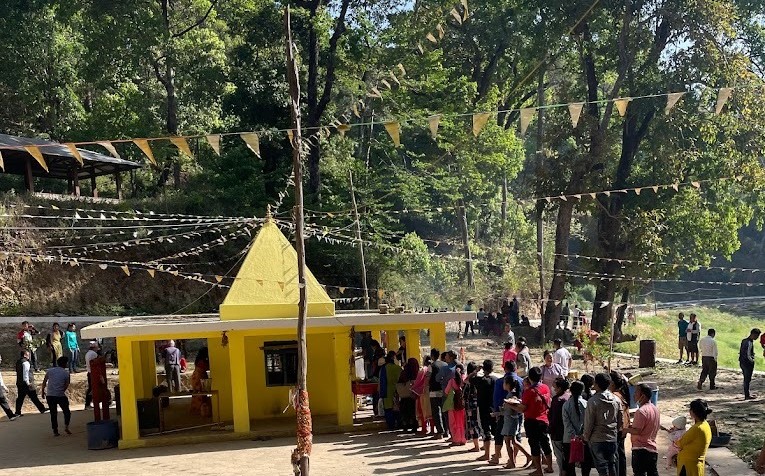
Worship at Satyawati Temple follows distinctive practices shaped by local tradition. Pilgrims pray aloud to the goddess, as local belief holds that Satyawati is hard of hearing—visitors will encounter fervent vocal prayers throughout the site. Devotees petition the goddess for specific blessings: the birth of children, financial prosperity, success in legal matters, military recruitment, overseas employment visas, educational success, and victory over adversaries. Animal and bird sacrifices form a central part of devotional practice, offered as a means of demonstrating sincerity and strengthening petitions. This wish-fulfillment dimension defines the pilgrimage experience.
When to Visit
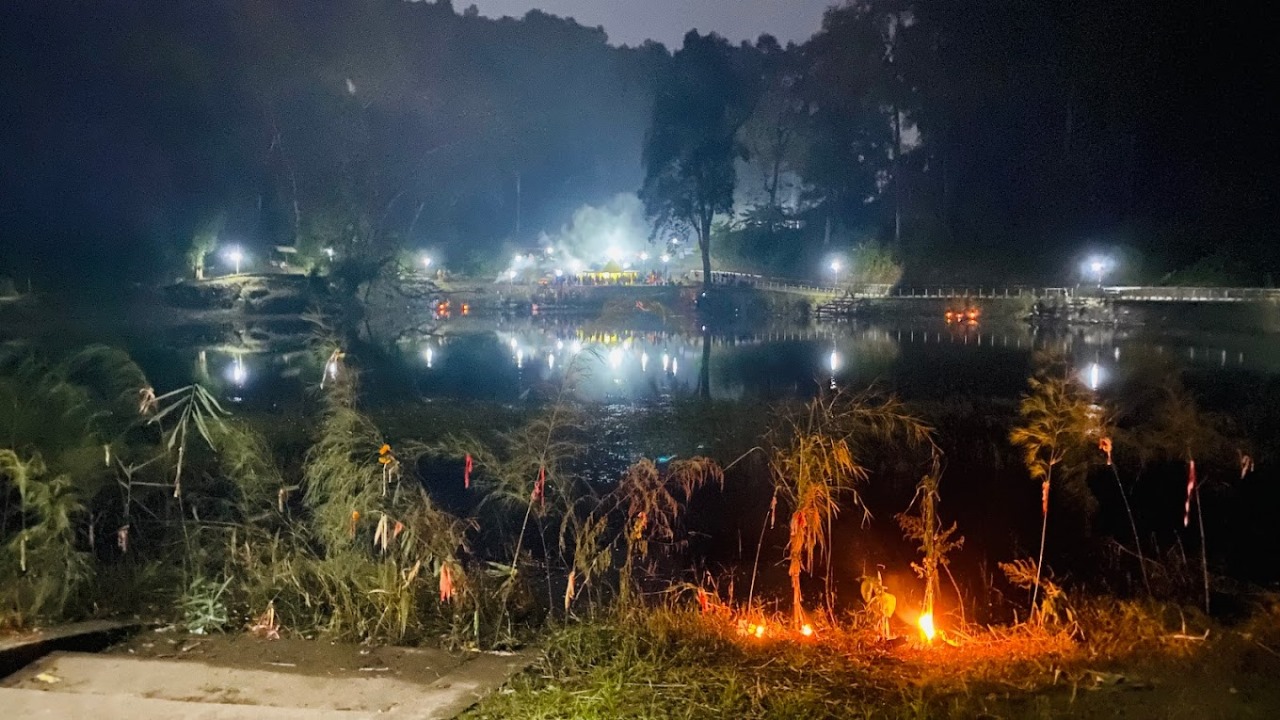
Daily worship occurs at the temple, though attendance fluctuates considerably. The largest historical gatherings have centred on Kartike Purnima, the full moon festival. In current practice, notably larger crowds assemble on Saturdays, public holidays, and during full moon nights (Purnima). Visitors seeking communal worship should plan around these times; those preferring quieter conditions should visit on other days. The dry seasons offer optimal conditions for the forest walk, as the foot trail becomes more manageable when rainfall is minimal. Monsoon and heavy rain periods can render forest paths difficult and should be avoided.
The Journey to the Temple
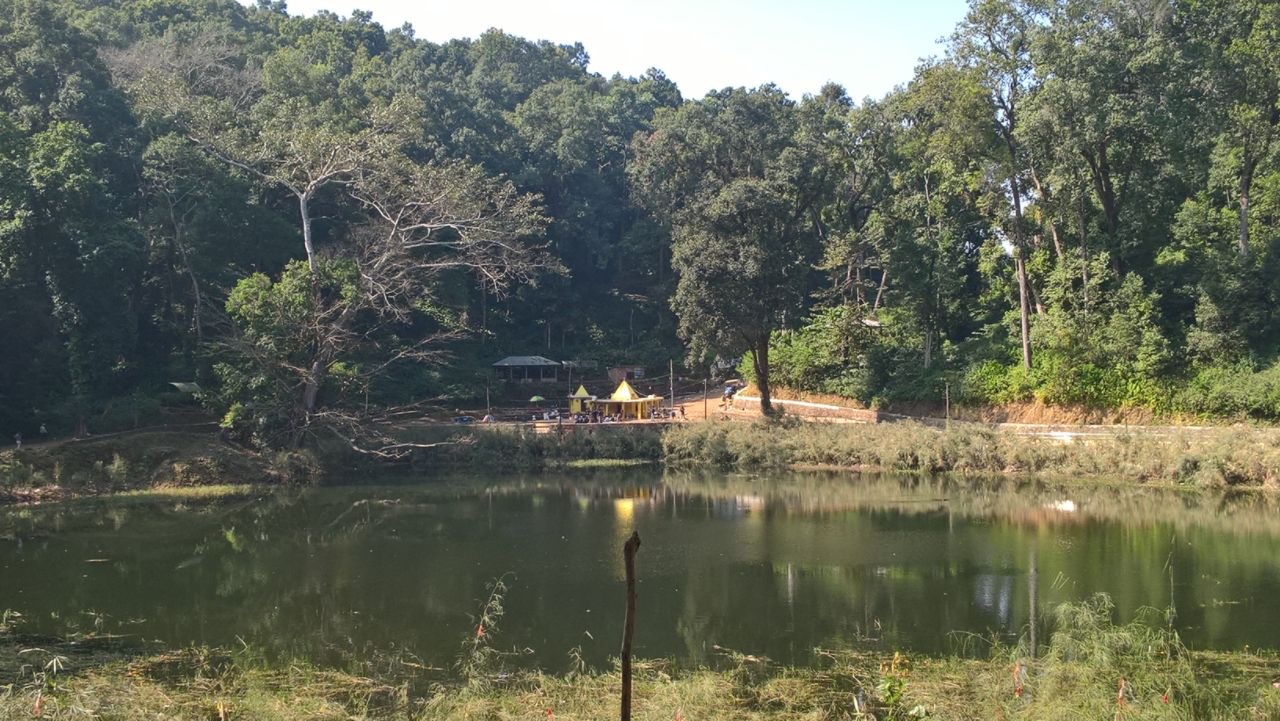
The temple is reached exclusively by foot trail. The main path begins at the Jhumsa bridge on the Siddhartha Highway, approximately 30 kilometres south of Tansen and 19 kilometres north of Butwal. The walk from the bridge to the temple takes about two hours along forested terrain. Visitors should wear sturdy footwear suitable for uneven ground and carry water for the journey. A cable car project is under development but remains incomplete; the foot trail is currently the only established means of access. Plan for a full day's outing given the two-hour walk each way and time spent at the temple itself. Before travelling, confirm current trail conditions, particularly during or after heavy rainfall.
Practical Information for Visitors
The temple is located in Satyawati Village, Tinau Rural Municipality, Wards 4 and 5, Palpa District (coordinates 27.7598°N, 83.5357°E). Modest dress is customary at Hindu pilgrimage sites and should be observed. Respect the devotional atmosphere, particularly during peak times when crowds are larger and worship is active. Local food is available in the village, including traditional dishes such as Batuk and Chukauni. The forest setting makes the site appealing for those interested in both pilgrimage and nature observation. Visitors should confirm current darshan and aarti timings with the temple office (075-000000) before travelling, as timings may vary on festival days. The temple office can also provide guidance on current accessibility and conditions.
Kartike Purnima and Festival Observance
Kartike Purnima, the full moon festival in the month of Kartik, has historically drawn the largest gatherings of worshippers to Satyawati Temple. This festival remains significant in the temple's annual cycle, though specific dates and observances should be confirmed directly with the temple, as festival practices may vary. Full moon nights (Purnima) throughout the year continue to attract increased numbers of devotees, making these dates important for experiencing the temple's communal worship dimension.
How to reach
Temples near Satyawati temple
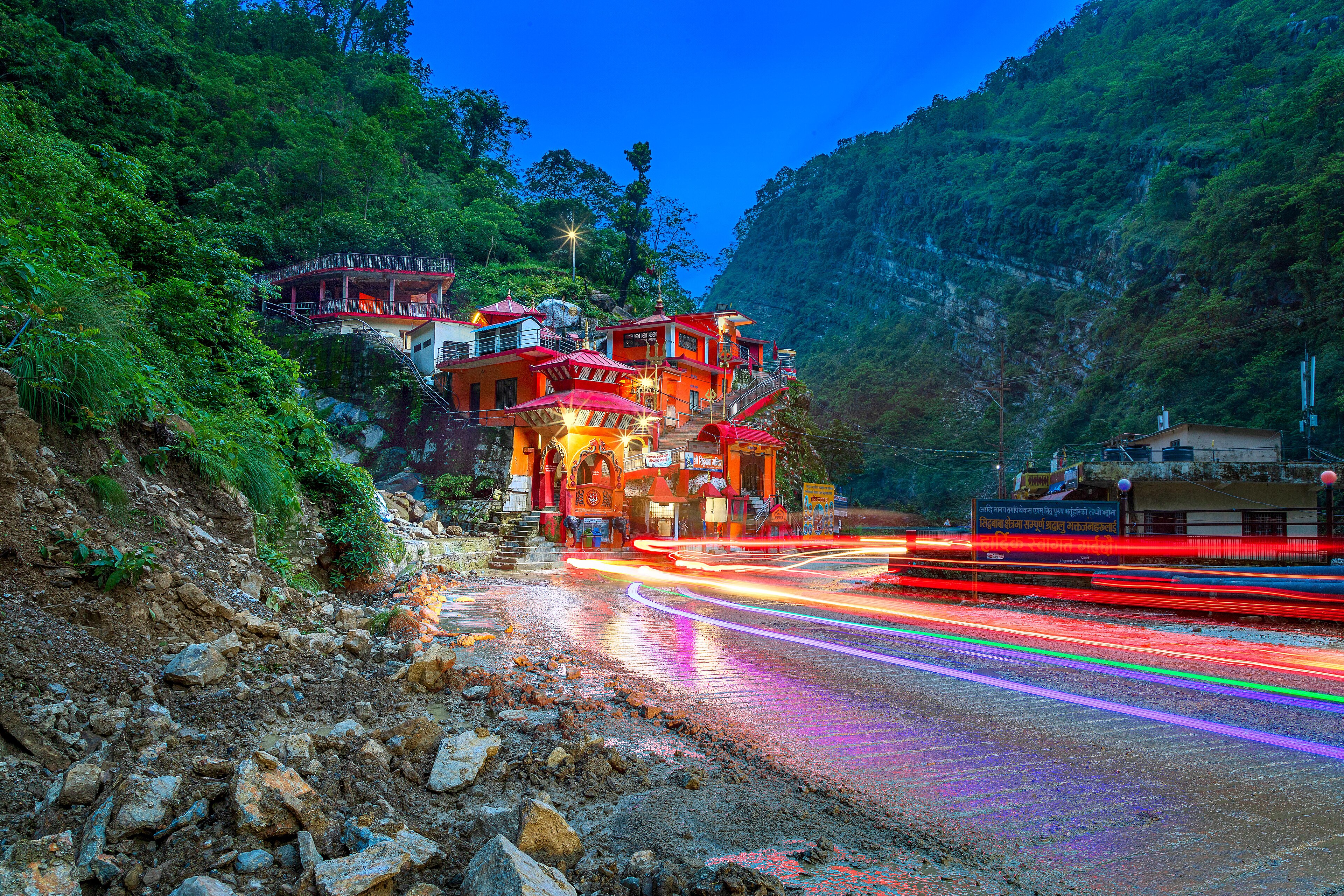
Siddha Baba Temple
Siddha Baba Temple is a Hindu shrine dedicated to Shiva located in Dobhan, Palpa district, Nepal, revered by devotees across the region for fulfilling wishes.
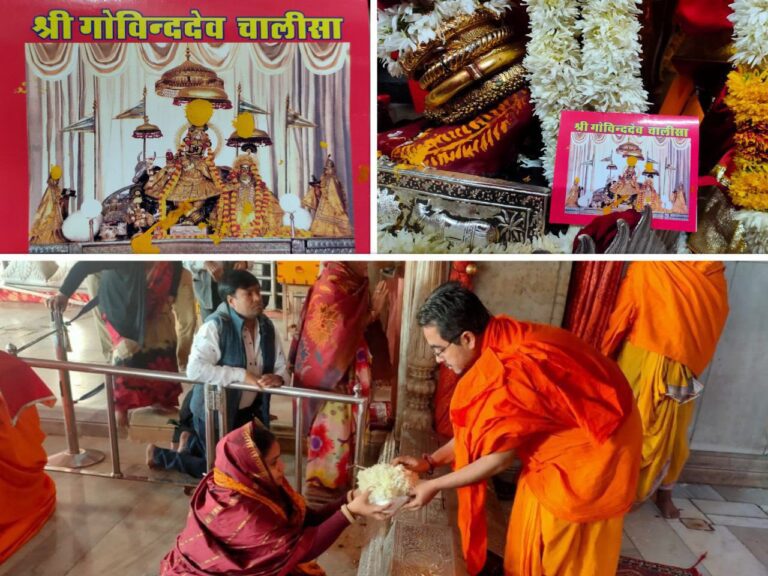
Mandavya Temple
Sri Mandavya Narayana Swamy Temple is a historic Hindu shrine dedicated to Vishnu located in Samarlakota, Kakinada district, Andhra Pradesh, drawing devotees particularly during…
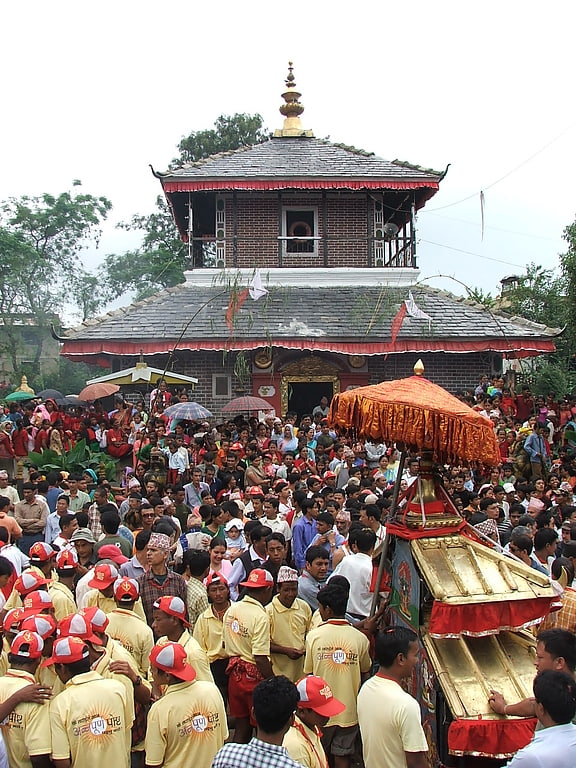
Rana Ujeshwori Bhagwati temple
The Rana Ujeshwori Bhagwati temple in Tansen, Palpa district, was constructed by Ujir Singh Thapa to honor Goddess Bhagwati following Nepal's victory in the Anglo-Nepali War. Th…
Bhairabsthan Temple
Bhairabsthan Temple is a Hindu shrine dedicated to Bhairav located 9 km northwest of Tansen in Palpa district, Nepal, established during the Sena dynasty period and renowned for…

Rishikesh Temple
Bharat Mandir in Rishikesh is the oldest temple dedicated to Lord Vishnu, traditionally consecrated by Adi Shankaracharya, serving as a major spiritual destination in Uttarakhand.
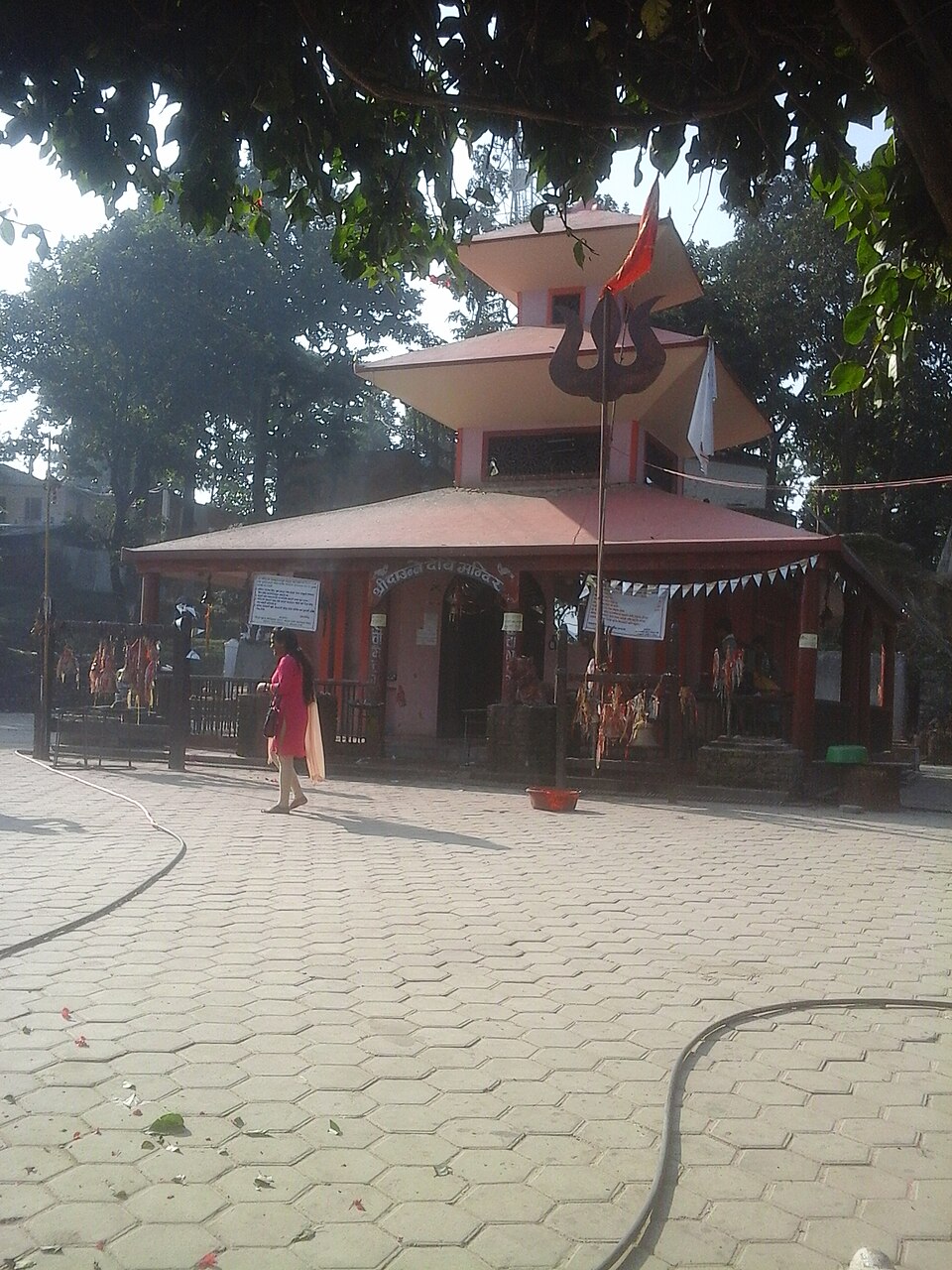
Daunne Devi Temple
Daunne Devi Temple is a Hindu shrine dedicated to Durga located at 1,033 meters elevation in Nawalparasi district, Nepal, established in the 19th century and revered as a pilgri…