Sarvamangala temple
About Sarvamangala temple
The temple's ritual calendar intensifies during periods dedicated to goddess worship. Navratri celebrations honoring Sarvamangala Devi occur during the Ashwayuja month, when devotional intensity peaks across Hindu communities. During Sravana month, special archana ceremonies with kumkum (vermillion powder) reflect seasonal patterns of worship common to goddess temples in South and East India. The month of Kartik brings daily abhisekam and Rudra homam (fire rituals) as part of the observance cycle.
The temple also marks other significant dates in the Hindu calendar, including Guru Purnima and occasions such as Adishankara Jayanthi with appropriate ceremonies and special sevas. These observances follow the rhythms of Hindu devotional life, with the temple serving as a focal point for community worship during these periods.
Visiting the Temple: Practical Information
The temple is located in Purba Bardhaman district, West Bengal, and operates on a regular schedule: mornings from 6:00 AM to 12:00 PM and evenings from 4:00 PM to 8:00 PM. The evening aarti occurs at 6:30 PM. Visitors should note that timings may vary on festival days, and it is advisable to confirm current hours before traveling, particularly if planning to participate in specific rituals or sevas that have set times and may require advance notice.
Standard protocols for Hindu temples apply here. Modest dress is customary—clothing that covers shoulders and knees shows respect for the sacred space. Footwear is typically removed before entering the inner sanctum, though this should be confirmed upon arrival. Those planning to participate in specific ritual services should inquire locally or contact the temple directly regarding requirements and procedures.
Reaching the Temple
Purba Bardhaman district is accessible by road from major cities in West Bengal. The nearest significant urban center is Bardhaman, which has rail connections and road access. From Bardhaman, local transportation can be arranged to reach the temple. Visitors should allow time for travel within the district and may benefit from seeking local guidance, as temple locations in rural areas are not always prominently marked on standard maps. Planning ahead and confirming directions locally will help ensure a smooth journey.
How to reach
You may also visit
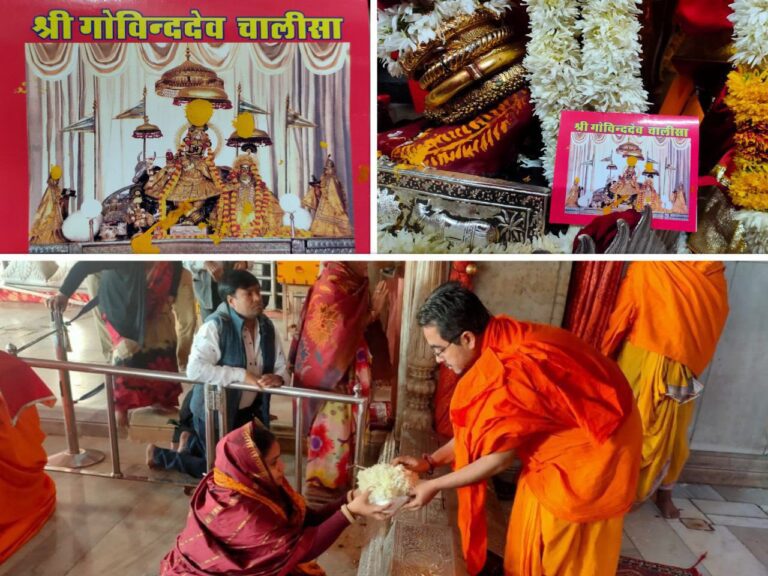
Kalyanji Temple
Kalyanji Temple in Jaipur's Chandpol Bazaar is approximately two centuries old and renowned for displaying the twenty-four avatars of Krishna, visible only twice yearly during Akha Teej and Patottsav festival.
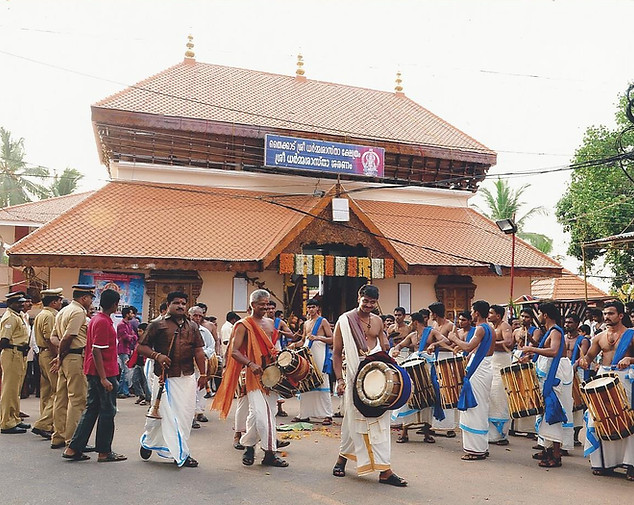
Sastha (Ayyappan) Temple
Sree Dharma Sastha Temple in Thycaud, Thiruvananthapuram, is a centuries-old shrine where the deity manifests as Dhanwanthari, the divine healer, holding the sacred blue lotus.
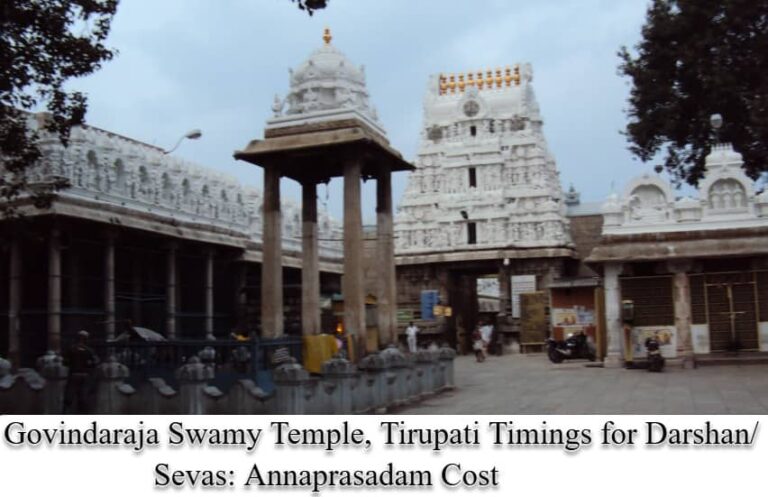
Govindarajaswamy Temple
Sri Govindarajaswamy Temple in Tirupati is an ancient Vaishnavaite shrine consecrated in 1130 AD by Saint Ramanuja, where the presiding deity rests in eternal Yoga Nidra on the serpent Adisesha.