

Ram Janmabhoomi
About Ram Janmabhoomi
The temple maintains a structured daily rhythm centered on ritual worship. Four principal aartis mark the day: Mangal Aarti begins at 4:00 AM, Shringar Aarti at 6:00 AM, Bhog Aarti at noon, and Shayan Aarti at 10:00 PM. Each aarti requires a pass, which the Trust provides without charge. Between these ceremonies, the temple opens for public darshan across seven designated time slots running from 7:00 AM through 9:00 PM. The Bhog Aarti at midday pauses darshan temporarily, with gates reopening by 1:00 PM. This schedule allows devotees flexibility in planning their visit according to personal preference and availability.
Planning Your Visit: Timing and Practicalities
Weekday mornings between 7:00 and 9:00 AM, or evenings from 7:00 to 9:00 PM, typically see shorter queues, particularly outside school holiday periods. Tuesdays and Saturdays tend to draw larger crowds, as do major festivals such as Ram Navami and Diwali—times best avoided if a quieter experience is preferred. The temple closes at 9:15 PM, with final entry at 9:00 PM. Free timed-slot passes for general darshan can be reserved online through the official Trust portal, which helps manage wait times without requiring visitors to skip the sanctum queue. Confirming current timings with the official Trust website before travel is advisable, as schedules adjust for festivals and seasonal changes.
Architecture and Sacred Space
The temple complex follows Nagara architectural tradition, the classical North Indian style associated with Hindu temple design. The structure houses the sanctum where Ramlalla is worshipped. The broader complex, known as Shri Ram Janmabhoomi Teerth Kshetra, encompasses grounds designed to accommodate large numbers of pilgrims while maintaining the sanctity of worship spaces. The layout reflects careful planning to facilitate orderly darshan and ritual observance.
Visiting Etiquette and Practical Information
Darshan at Hindu temples typically requires modest dress and respectful behavior within the sanctum precincts. Visitors should remove footwear before entering worship areas, as is customary in temples of this tradition. The Trust offers voluntary seva opportunities for those wishing to participate in temple service. Donations to the temple are accepted and can be made through multiple channels; the Trust is registered under the Foreign Contribution Regulation Act, permitting contributions from overseas donors. Instant donation receipts are available for those depositing funds through designated bank accounts.
Reaching Ayodhya
The temple is located at coordinates 26.7956, 82.1947 in Ayodhya, Uttar Pradesh. The official Trust website provides detailed travel guidance and information about accommodation options in the city. Ayodhya is well-connected by road and rail to major cities across North India, making it accessible to pilgrims from across the country and abroad.
Seva and Participation
The temple invites devoted individuals to contribute through voluntary seva within the temple complex. Those interested in participating in temple service can contact the Trust directly for details on available opportunities. This reflects the broader Hindu practice of offering service as a form of spiritual practice and devotion.
How to reach


Temples near Ram Janmabhoomi

Naya Anand Bhawan Temple
The Naya Anand Bhawan Temple in Ayodhya is not clearly documented in the provided sources, which primarily reference the Shri Ram Janmbhoomi Teerth Kshetra.
Ayodhya Shwetambar Jain Temple
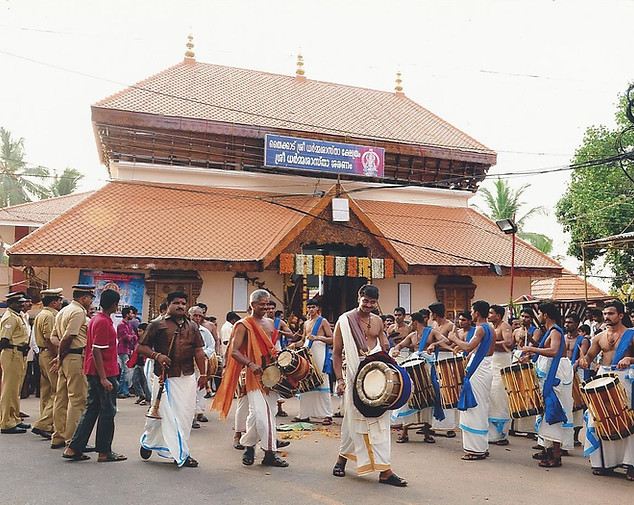
The Ayodhya Shwetambar Jain Temple, located in Raiganj, is a Digamber Jain shrine dedicated to Rishabhdev (Adinath), the first Tirthankar, featuring a striking 31-foot marble st…

Kanak Bihari Temple
Kanak Bihari Temple in Ayodhya's Ramkot area enshrines golden idols of Rama and Sita within an ornately decorated sanctum, rebuilt in the 19th century by Orchha queens on a site…
Hanuman Garhi Temple
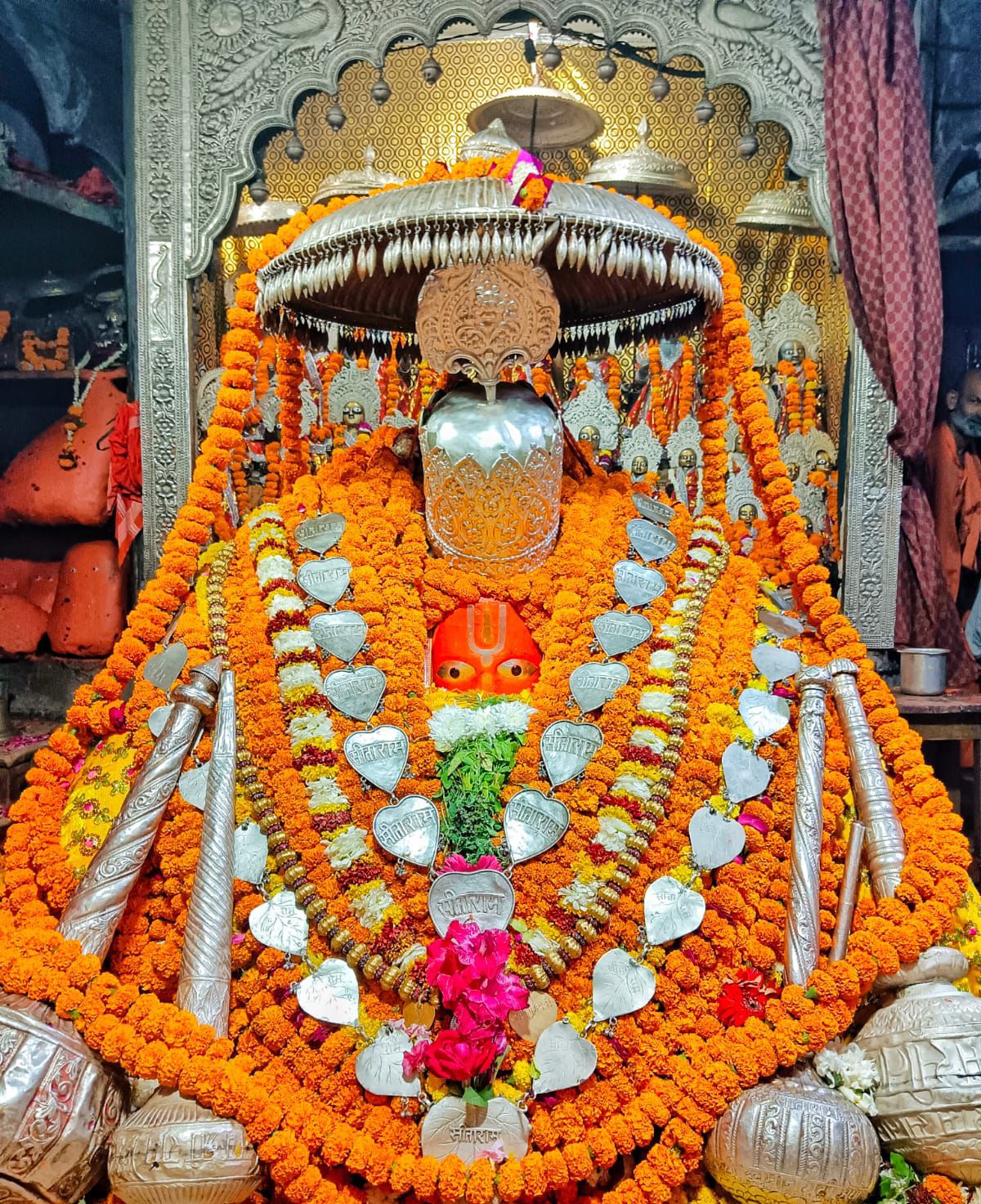
Hanuman Garhi is a 10th-century hilltop fortress temple in Ayodhya dedicated to Lord Hanuman, traditionally visited before Ram Mandir as part of the sacred pilgrimage sequence.
Jagadishpur Mandir
Jagadishpur Mandir in Ayodhya is not documented in the provided sources. The sources exclusively reference Shri Ram Janmabhoomi Teerth Kshetra (Ram Mandir), a different temple.
Saket Bhawan Temple
Saket Bhawan Temple is not identified in the provided sources. The sources exclusively document Shri Ram Janmabhoomi Teerth Kshetra (Ram Mandir) in Ayodhya.