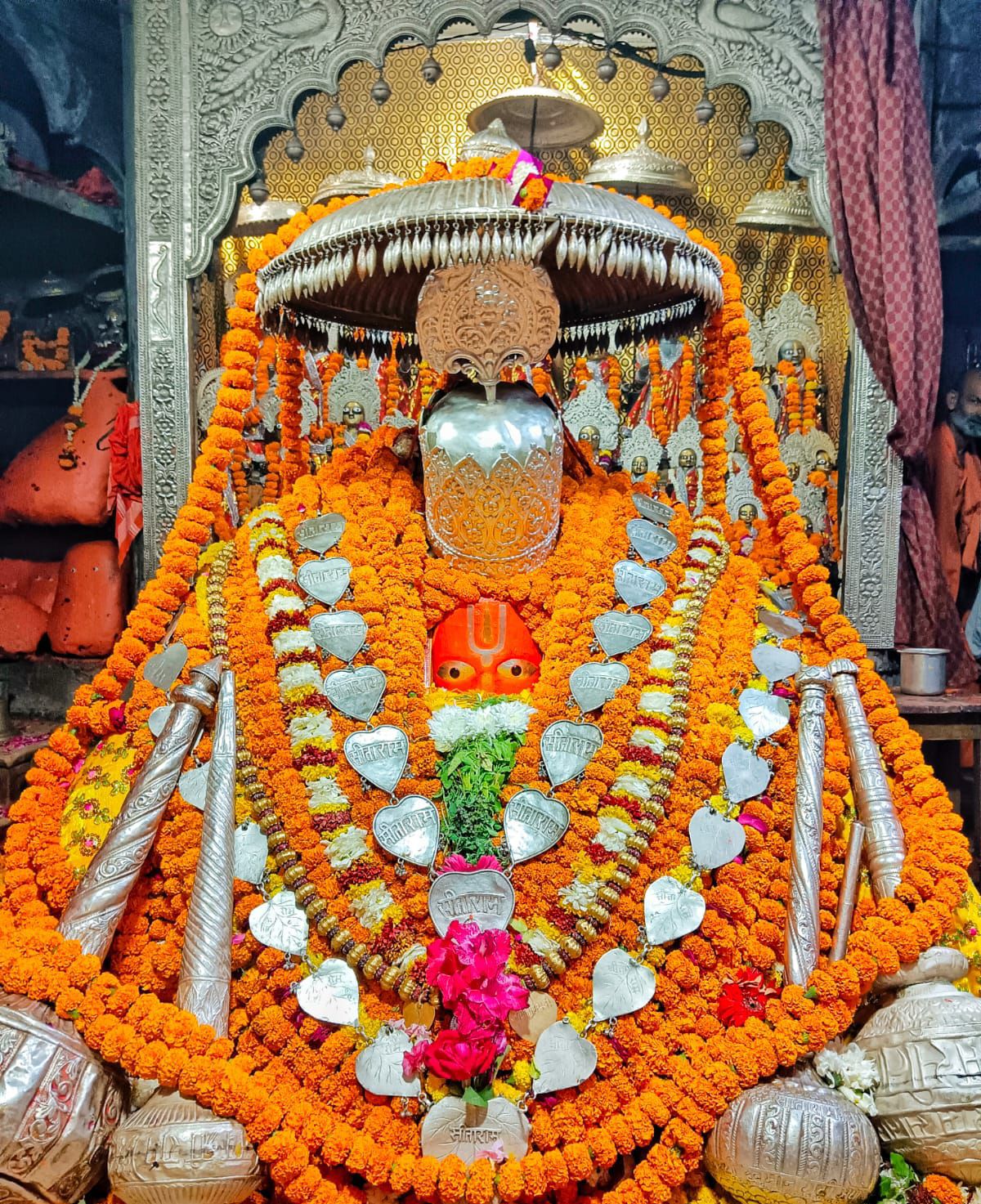


Hanuman Garhi Temple
About Hanuman Garhi Temple
The temple dates to the 10th century, making it among Ayodhya's older structures. Its most distinctive architectural feature is its hilltop fortress setting—the name "Garhi" itself refers to a fortified position. Access to the sanctum requires ascending 76 stone steps, a climb that forms part of the pilgrimage experience itself. For elderly or mobility-limited visitors, a palanquin (paalki) service operates at the base of the steps, allowing those unable to climb to reach the inner shrine.
The hilltop location provides both practical and symbolic advantages. Historically, such elevated positions offered defensive advantages; spiritually, the ascent mirrors the inner journey of devotion. The physical effort of climbing, modest though it may be, has become woven into the temple's character as a place where pilgrims engage their bodies as well as their faith.
Daily Darshan and Worship
The temple opens at 5:00 AM and closes at 12:00 PM in the morning session, then reopens at 4:00 PM until 9:00 PM in the evening. These timings allow for both early-morning visits by those beginning their Ayodhya pilgrimage and evening darshan for those with other commitments during the day. Entry is free, with no admission fees charged to visitors.
The specific timing of aartis (ritual worship ceremonies) and other daily observances follows the temple's established schedule, though detailed information about these ceremonies is not documented in available sources. Visitors should plan their visit within the published hours and be prepared for the 76-step ascent, which typically takes 10-15 minutes depending on pace and physical condition.
Visiting Practicalities
Hanuman Garhi lies within Ayodhya's central sacred zone, making it accessible from most parts of the city. The temple's proximity to Ram Mandir—a short walk of roughly 500 metres—means that visitors can easily incorporate both sites into a single morning or afternoon. Many pilgrims structure their day by visiting Hanuman Garhi first, then proceeding to Ram Mandir after a brief rest.
Visitors should wear modest clothing appropriate to a Hindu temple, covering shoulders and knees. The stone steps can be steep and uneven, so sturdy footwear is advisable. The climb itself is not strenuous for most visitors, but those with knee or joint concerns should consider using the palanquin service. The temple grounds can become crowded during peak pilgrimage seasons and festival periods, so arriving early in the morning often provides a calmer experience.
The Ramanandi Tradition
The temple's association with the Ramanandi Sampradaya places it within a lineage of devotional practice centered on Rama worship. This tradition, which emerged in medieval India, emphasizes bhakti (devotion) and the accessibility of the divine to all devotees regardless of caste or social status. Temples under Ramanandi administration typically maintain rigorous daily worship schedules and welcome pilgrims from all backgrounds.
The presence of the Nirvani Akhara—a monastic order—indicates an active community of renunciates who dedicate themselves to the temple's maintenance and the spiritual welfare of visitors. Such akharas have historically played important roles in preserving temple traditions and managing pilgrimage sites.
Planning Your Visit
The best time to visit is during the cooler months from October through March, when the climate is more comfortable for the climb and outdoor walking. The early morning hours (5:00-7:00 AM) typically offer the calmest atmosphere, with fewer crowds and cooler temperatures. If visiting as part of a broader Ayodhya pilgrimage, plan to spend 30-45 minutes at Hanuman Garhi, including the climb, darshan, and a brief period for personal prayer or reflection.
Visitors arriving by train should head toward the temple's coordinates (26.7950782, 82.201681) or ask local directions, as signage within Ayodhya is generally clear for major pilgrimage sites. The temple's free entry and flexible morning and evening hours make it accessible to pilgrims with varying schedules and budgets.
How to reach




Temples near Hanuman Garhi Temple

Kanak Bihari Temple
Kanak Bihari Temple in Ayodhya's Ramkot area enshrines golden idols of Rama and Sita within an ornately decorated sanctum, rebuilt in the 19th century by Orchha queens on a site…

Naya Anand Bhawan Temple
The Naya Anand Bhawan Temple in Ayodhya is not clearly documented in the provided sources, which primarily reference the Shri Ram Janmbhoomi Teerth Kshetra.
Jagadishpur Mandir
Jagadishpur Mandir in Ayodhya is not documented in the provided sources. The sources exclusively reference Shri Ram Janmabhoomi Teerth Kshetra (Ram Mandir), a different temple.
Ram Janmabhoomi
Ram Janmabhoomi in Ayodhya is a newly constructed Nagara-style temple built in pink sandstone, dedicated to Lord Rama at his legendary birthplace. The temple operates under the…
Saket Bhawan Temple
Saket Bhawan Temple is not identified in the provided sources. The sources exclusively document Shri Ram Janmabhoomi Teerth Kshetra (Ram Mandir) in Ayodhya.
Ayodhya Shwetambar Jain Temple
The Ayodhya Shwetambar Jain Temple, located in Raiganj, is a Digamber Jain shrine dedicated to Rishabhdev (Adinath), the first Tirthankar, featuring a striking 31-foot marble st…