

Jagadishpur Mandir
About Jagadishpur Mandir
The temple maintains extended darshan hours throughout the day, with seven public viewing slots beginning at 7:00 AM and concluding at 9:00 PM. Each slot runs for approximately two hours, allowing devotees flexibility in planning their visit. No advance booking is required for general darshan—visitors arrive and join the queue directly at the temple entrance.
For those seeking a less crowded experience, the early morning slot from 7:00 to 9:00 AM or the evening slot from 7:00 to 9:00 PM on weekdays outside school holidays typically offer shorter wait times. The temple closes at 9:15 PM, with final entry permitted at 9:00 PM.
Ritual Schedule and Aartis
Four aartis structure the temple's daily worship cycle. Mangal Aarti begins at 4:00 AM, followed by Shringar Aarti at 6:00 AM. The midday Bhog Aarti occurs at 12:00 PM, during which general darshan pauses and the gate closes from 12:30 to 1:00 PM. Shayan Aarti, the evening ritual, takes place at 10:00 PM.
Free passes for Mangal, Shringar, and Shayan aartis are available through the official Trust portal at srjbtkshetra.org. These passes are released a few days in advance and have limited capacity. Devotees should carry either a printed or digital copy of their aarti pass along with a government-issued photo ID for verification at the entry gate.
What to Bring and What to Leave Behind
Visitors should carry a government photo ID in printed or digital form, particularly if attending aartis. Mobile phones are prohibited within the temple complex and must be left in the free cloakrooms located outside the parkota (boundary wall). Other items restricted from entry should be confirmed at the cloakroom facilities, which provide secure storage at no charge.
Modest dress is customary when visiting Hindu temples. Devotees typically wear clean, respectful clothing that covers shoulders and knees. Removing footwear before entering the inner sanctum is standard practice.
Voluntary Service and Contributions
The Shri Ram Janmbhoomi Teerth Kshetra Trust invites devoted individuals to participate in voluntary seva (service) activities within the temple complex. Those interested in contributing their time should contact the Trust directly for information on available opportunities.
Financial contributions to support the temple's operations and maintenance are accepted through multiple channels. The Trust is registered under the Foreign Contribution Regulation Act (2010), permitting donations from outside India. Donors can obtain instant receipts for contributions made through direct bank deposit by visiting the Trust's website and providing required details.
Planning Your Visit
Before travelling, confirm current darshan timings and schedules with the official Trust portal, as hours may change during festivals, seasonal variations, and special events. The temple operates year-round, but peak periods may see longer queues and modified arrangements.
Ayodhya's significance as a pilgrimage destination means the city attracts visitors throughout the year. Accommodation options exist within the city, and the Trust website provides guidance on lodging and local facilities. Allow adequate time for your visit—darshan queues can extend beyond the stated slot duration during busy periods, particularly on weekends and during religious observances.
How to reach


Temples near Jagadishpur Mandir
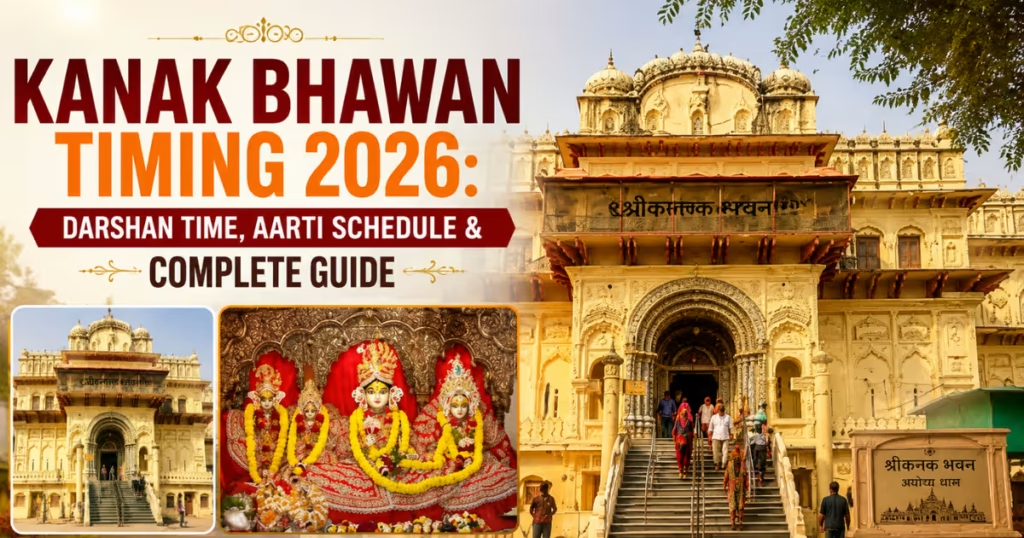
Kanak Bihari Temple
Kanak Bihari Temple in Ayodhya's Ramkot area enshrines golden idols of Rama and Sita within an ornately decorated sanctum, rebuilt in the 19th century by Orchha queens on a site…
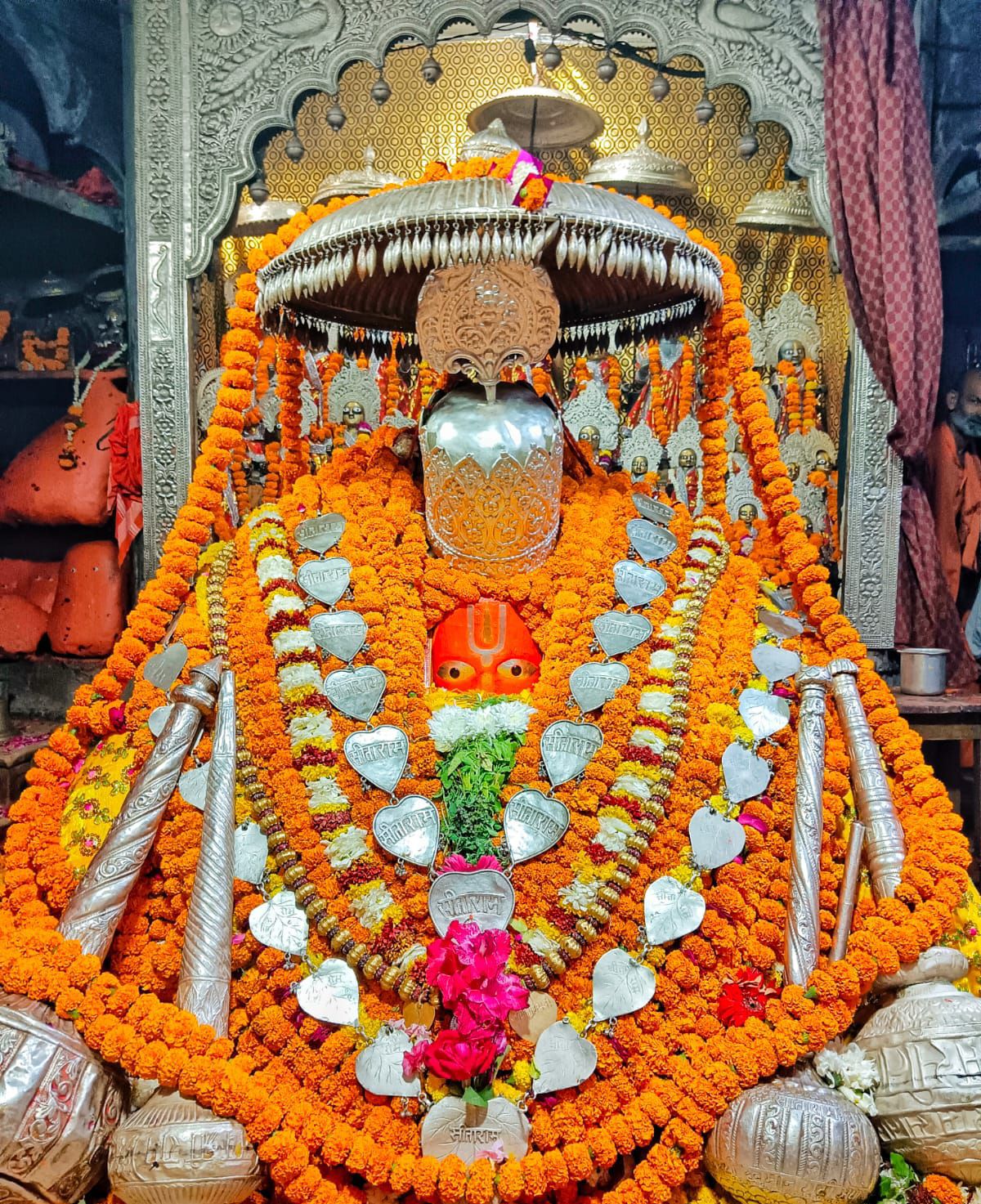
Hanuman Garhi Temple
Hanuman Garhi is a 10th-century hilltop fortress temple in Ayodhya dedicated to Lord Hanuman, traditionally visited before Ram Mandir as part of the sacred pilgrimage sequence.
Saket Bhawan Temple
Saket Bhawan Temple is not identified in the provided sources. The sources exclusively document Shri Ram Janmabhoomi Teerth Kshetra (Ram Mandir) in Ayodhya.

Naya Anand Bhawan Temple
The Naya Anand Bhawan Temple in Ayodhya is not clearly documented in the provided sources, which primarily reference the Shri Ram Janmbhoomi Teerth Kshetra.
Valmiki Ramayana Bhawan
Valmiki Ramayana Bhawan in Ayodhya is a spiritual retreat dedicated to Sage Valmiki, the legendary author of the Ramayana, serving as a space for meditation and reflection on th…
Ram Janmabhoomi
Ram Janmabhoomi in Ayodhya is a newly constructed Nagara-style temple built in pink sandstone, dedicated to Lord Rama at his legendary birthplace. The temple operates under the…