Ayodhya Shwetambar Jain Temple
About Ayodhya Shwetambar Jain Temple
The Jain Shwetamber Temple is a recently constructed shrine located in the Raiganj area of Ayodhya, within the Awas Vikas Colony. Its development has been guided by Acharya Ratna Deshbhushanji Maharaj and Aryika Gyanmati Mataji, spiritual figures who shaped the temple's creation as a place of reverence and devotion. The temple belongs to the Digamber Jain tradition, one of the two major branches of Jainism.
The most striking feature is a 31-foot-tall marble statue of Rishabhdev that dominates the sanctum, accompanied by additional deity representations on either side. This monumental sculpture serves as the focal point for worship and contemplation within the temple.
Architecture and Artistic Detail
The temple's design reflects traditional Jain architectural principles expressed through ornate carving and skilled craftsmanship. Intricately carved walls, detailed pillars, and sculptural elements throughout the structure demonstrate the work of artisans trained in classical temple design. The decorative elements carry spiritual significance beyond their visual appeal, with designs rooted in Jain philosophical concepts and iconography.
The overall aesthetic creates an environment intended to support both religious practice and aesthetic appreciation, welcoming visitors regardless of their background or faith tradition.
Daily Worship and Darshan
The temple opens early each morning at 5:00 a.m. and remains accessible until 8:00 p.m. daily, including weekends and holidays. This extended schedule accommodates both early morning devotees and those visiting in the evening. The primary ritual observed is the Sandhya Aarti, performed at 7:00 p.m., which marks the evening worship with light and chanting. Temples of the Jain tradition typically emphasize meditation, circumambulation of the deity, and participation in aartis as core devotional practices.
Entry to the temple is free for all visitors. The peaceful atmosphere and open access reflect Jain values of inclusivity and non-violence (ahimsa), welcoming pilgrims and visitors from all backgrounds.
Visiting Information and Etiquette
Visitors should plan to arrive between 5:00 a.m. and 8:00 p.m. on any day of the week. The Sandhya Aarti at 7:00 p.m. offers a structured moment of communal worship if you wish to participate in temple rituals. As with most Hindu and Jain temples, removing shoes before entering the sanctum is customary, and modest dress is respectful. Photography policies may vary; it is courteous to ask temple staff before photographing the deity or rituals.
The temple has no entry fee, making it accessible to all. No specific facilities information is documented, so visitors should come prepared with water and any personal necessities they may require during their visit.
How to Reach the Temple
The temple is located at Awas Vikas Colony in the Raiganj area of Ayodhya, Uttar Pradesh 224123. The precise coordinates are 26.7999°N, 82.1933°E, which can be entered into mapping applications for navigation. Ayodhya is well-connected by road and rail to major cities in Uttar Pradesh and beyond. Local transport options within Ayodhya—including auto-rickshaws and taxis—can bring you to the Awas Vikas Colony address. It is advisable to confirm current timings with the temple before travelling, as schedules may vary on festival days or during special observances.
How to reach
Temples near Ayodhya Shwetambar Jain Temple

Ram Janmabhoomi
Ram Janmabhoomi in Ayodhya is a newly constructed Nagara-style temple built in pink sandstone, dedicated to Lord Rama at his legendary birthplace. The temple operates under the…
Naya Anand Bhawan Temple
The Naya Anand Bhawan Temple in Ayodhya is not clearly documented in the provided sources, which primarily reference the Shri Ram Janmbhoomi Teerth Kshetra.

Kanak Bihari Temple
Kanak Bihari Temple in Ayodhya's Ramkot area enshrines golden idols of Rama and Sita within an ornately decorated sanctum, rebuilt in the 19th century by Orchha queens on a site…
Hanuman Garhi Temple
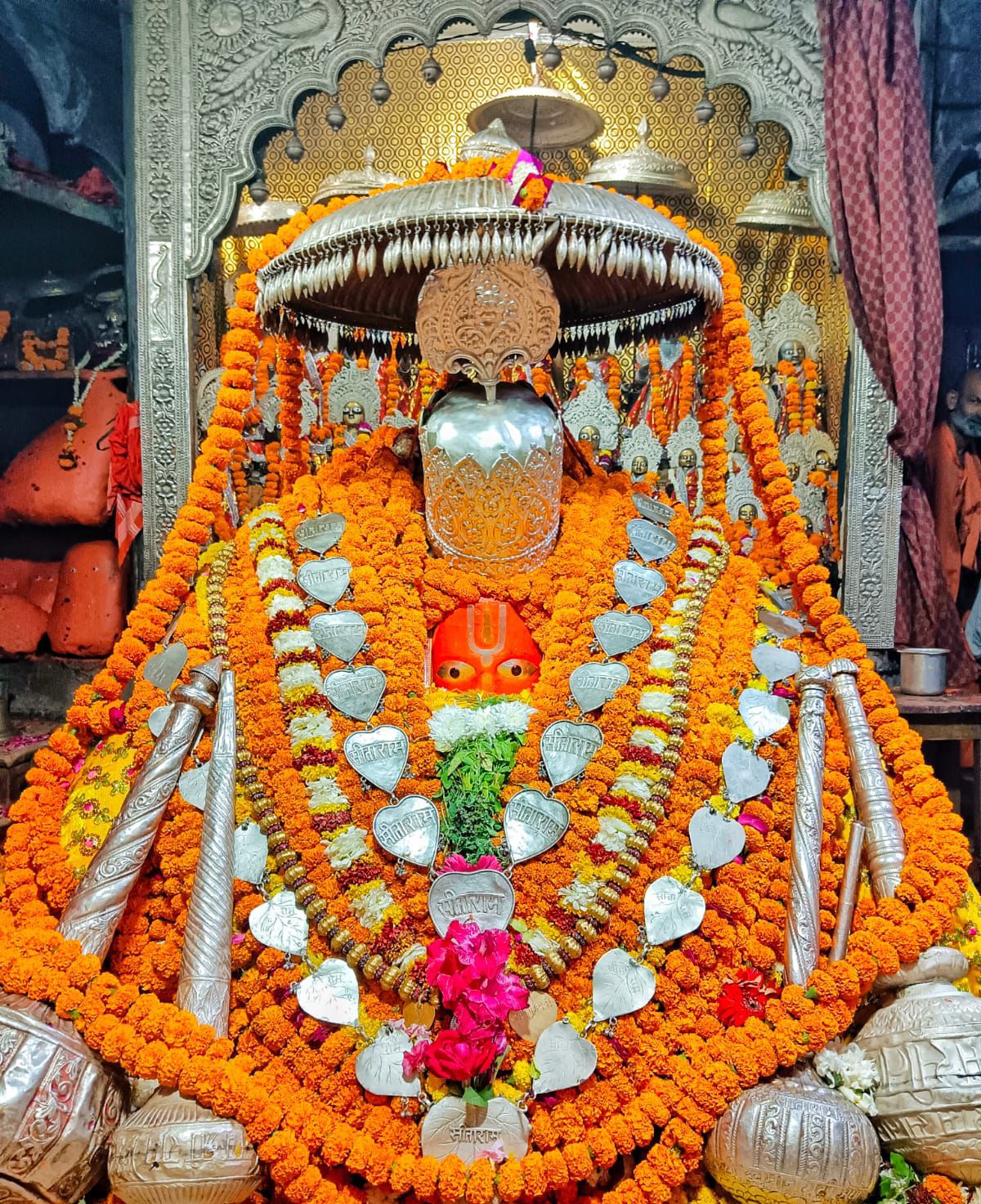
Hanuman Garhi is a 10th-century hilltop fortress temple in Ayodhya dedicated to Lord Hanuman, traditionally visited before Ram Mandir as part of the sacred pilgrimage sequence.
Jagadishpur Mandir
Jagadishpur Mandir in Ayodhya is not documented in the provided sources. The sources exclusively reference Shri Ram Janmabhoomi Teerth Kshetra (Ram Mandir), a different temple.
Saket Bhawan Temple
Saket Bhawan Temple is not identified in the provided sources. The sources exclusively document Shri Ram Janmabhoomi Teerth Kshetra (Ram Mandir) in Ayodhya.