Raghunath Temple, Devprayag
About Raghunath Temple, Devprayag
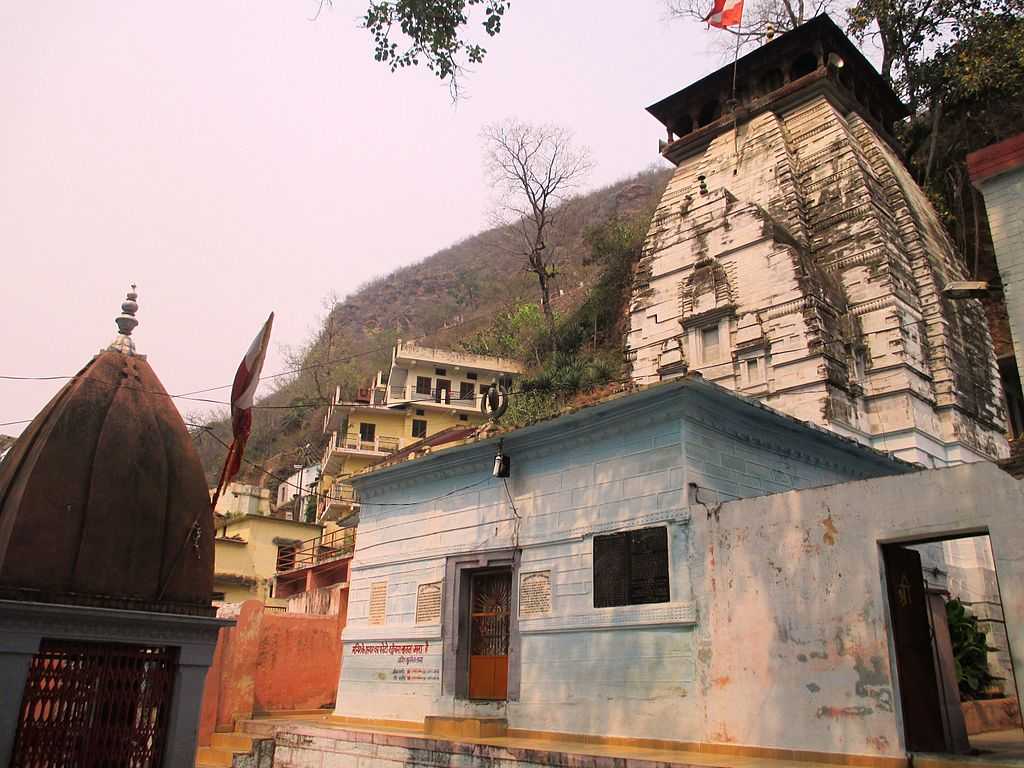
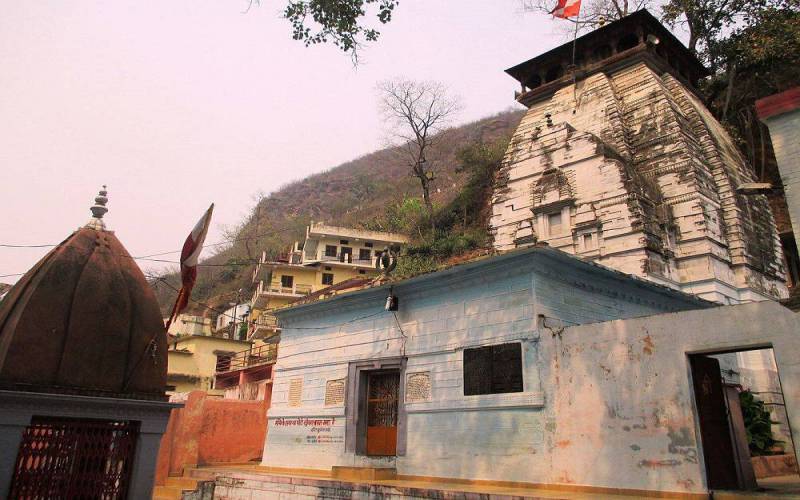
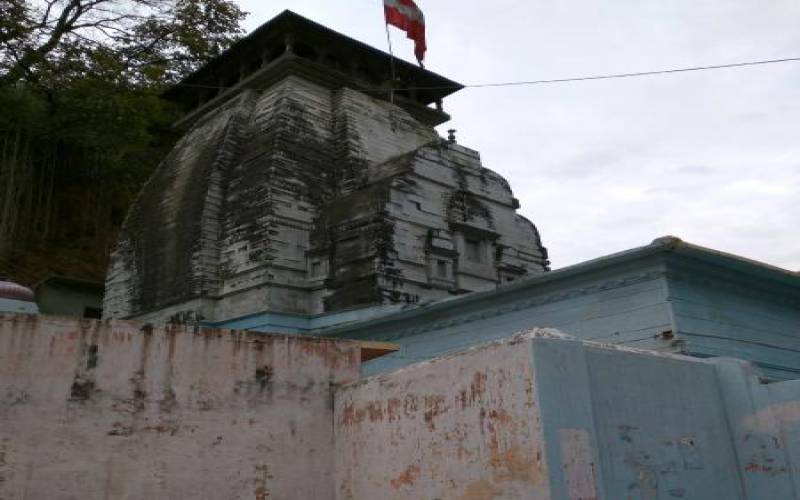
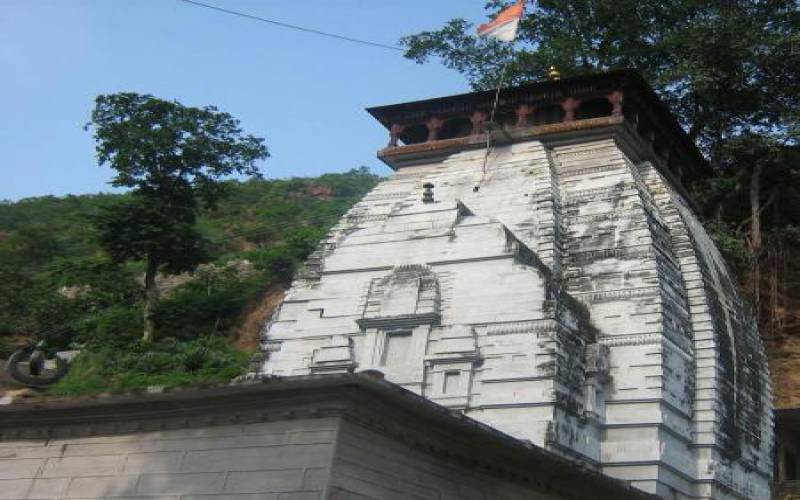
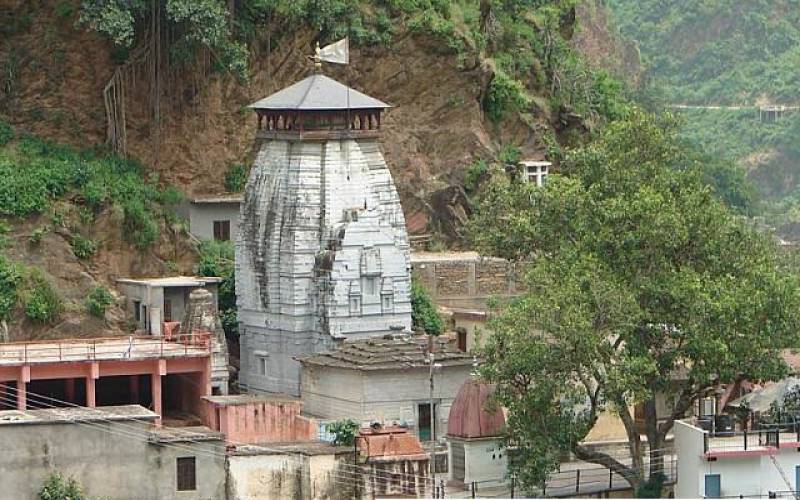
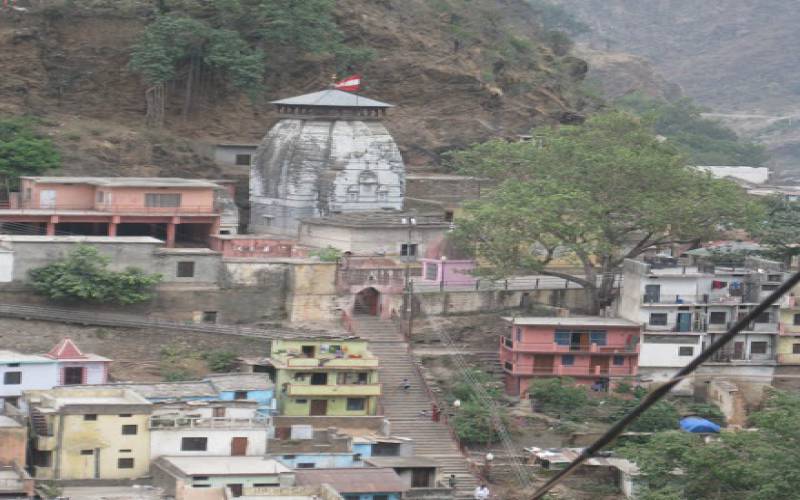
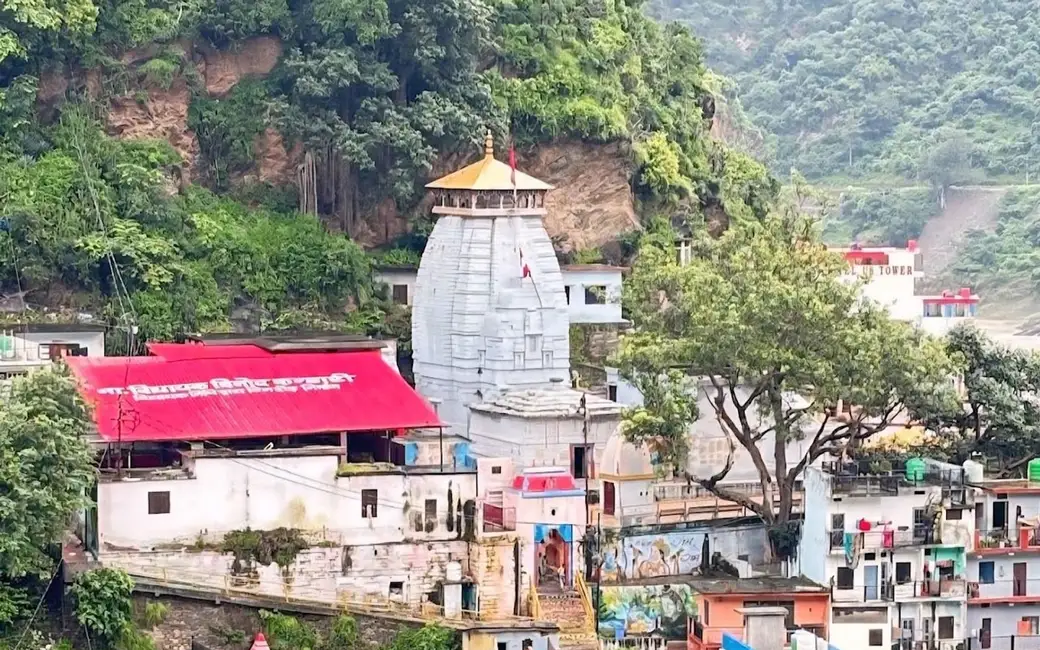
The temple's origins trace to the 8th or 9th century, with tradition attributing its re-consecration to Adi Shankaracharya, the philosopher-saint credited with revitalizing Hindu monastic and temple institutions across India during the medieval period. The temple employs the Deula architectural style, a design tradition associated with Hindu shrine construction in northern India. The structure itself rises on an elevated platform, requiring visitors to ascend steps to reach the main shrine—a physical climb that many pilgrims understand as integral to the spiritual approach to the deity.
The temple's longevity across more than a millennium reflects its enduring place in the religious life of the Garhwal region. Its inclusion in the Divyadesam canon suggests that its significance was recognized and documented by Tamil devotional poets centuries ago, indicating that the shrine's reputation extended well beyond its immediate geographical area.
Daily Worship and Darshan
The temple maintains a seasonal schedule adapted to Himalayan weather. From May through September, darshan opens at 5:00 AM and closes at 12:00 PM, reopening at 5:00 PM until 9:00 PM. From October through April, hours shift to 6:00 AM–12:00 PM and 4:00 PM–8:00 PM. A midday closure runs from 1:30 PM to 3:00 PM daily. Four aartis—ritual offerings of light and devotion—structure the day: Mangala Aarati at 6:30 AM, Bhog Aarati at 12:30 PM, Sandhya Aarati at 6:30 PM, and Shayan Aarati at 8:00 PM.
Early morning visits between 5:00 and 8:00 AM offer the quietest darshan experience. At this hour, crowds remain minimal, the mountain air is fresh, and visitors can witness or participate in the sunrise aarti in a contemplative atmosphere. During peak pilgrimage seasons, expect darshan wait times of 30 minutes to one hour. The temple provides parking for those arriving by vehicle.
Planning Your Visit
The most favorable months to visit are November through February, when weather is stable and skies are clear. The monsoon season (June–September) should be avoided due to landslide risk in the region and the convergence of heavy pilgrimage traffic. The temple sits 73 kilometers from Rishikesh along the Rishikesh–Badrinath highway, making it accessible to those traveling the major pilgrimage routes of Garhwal.
Visitors should dress conservatively, respecting the customs of this sacred site. The climb to the shrine, while moderate, requires reasonable physical fitness; rest points are available along the steps. Approach the ascent as part of the spiritual practice itself—a physical discipline that many pilgrims view as preparation for encountering the divine. Parking is available, though during peak seasons spaces may fill quickly.
Nearby Pilgrimage Sites
Devprayag's location within the Garhwal pilgrimage network means that visits can be combined with other sacred sites in the region. Rudraprayag, Haridwar, Rishikesh, and Sonprayag all lie within reasonable traveling distance, allowing pilgrims to structure multi-site journeys through the river valleys and foothills of the western Himalayas.
How to reach
Temples near Raghunath Temple, Devprayag
Ashram
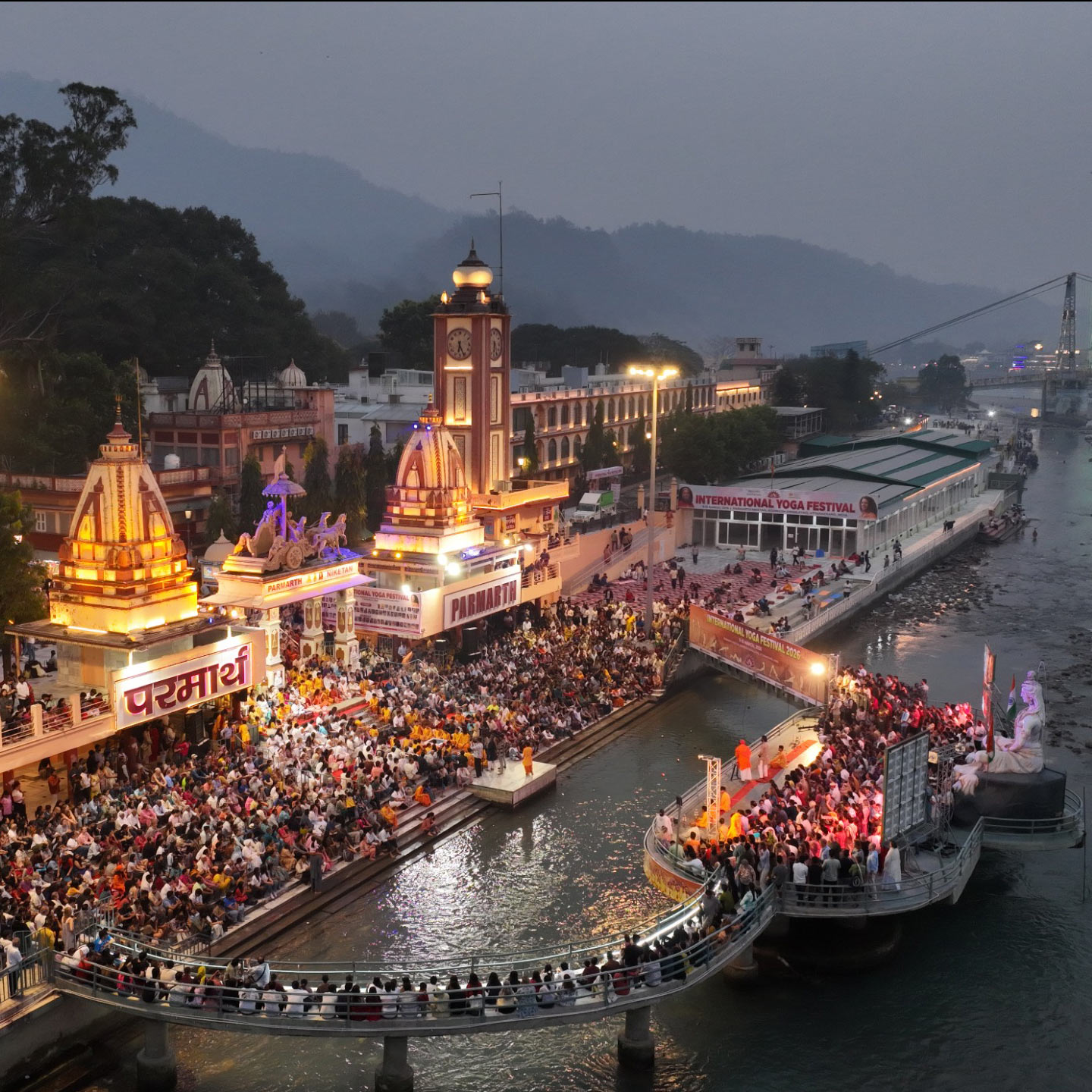
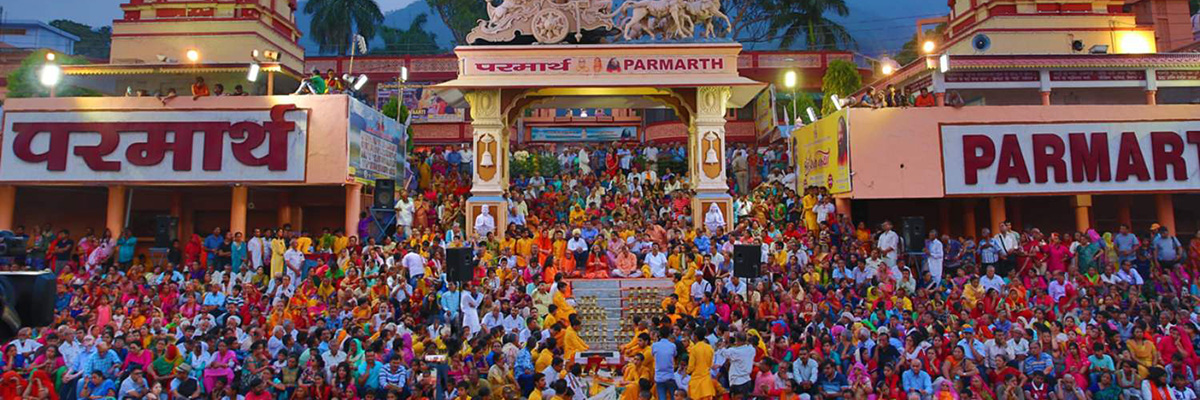
Parmarth Niketan is the largest ashram in Rishikesh, situated on the banks of the Ganges River in the Himalayas. It is dedicated to spiritual welfare and hosts the world-renowne…
Gujarati Temple
The Gujarati Temple in Rishikesh's Swargashram is a spiritual sanctuary on the banks of the Ganges River, renowned for its daily Ganga Aarti ceremonies that draw visitors from a…
Neelkanth Mahadev
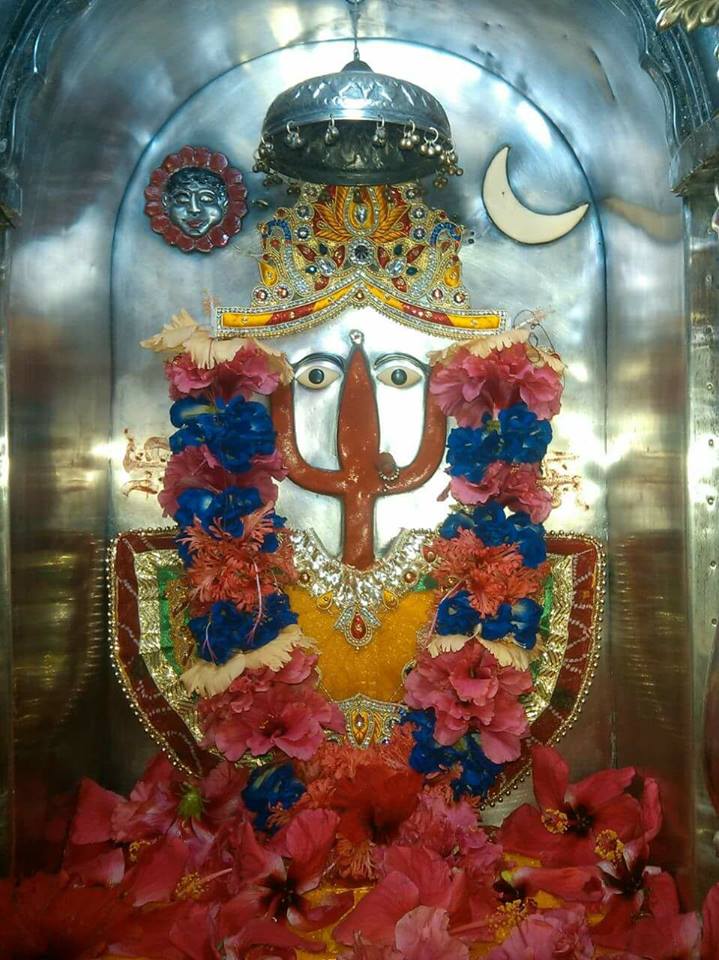
Neelkanth Mahadev Temple is a hilltop Shiva shrine in Rishikesh marking the sacred site where Lord Shiva consumed the poison from the ocean-churning (Samudra Manthan). This reve…

Sita Ram Dham
Rishikesh Yog Temple is a yoga teacher training school registered with Yoga Alliance USA, located in the spiritual city of Rishikesh. It offers residential yoga courses ranging…
Om Anand Swami ashram
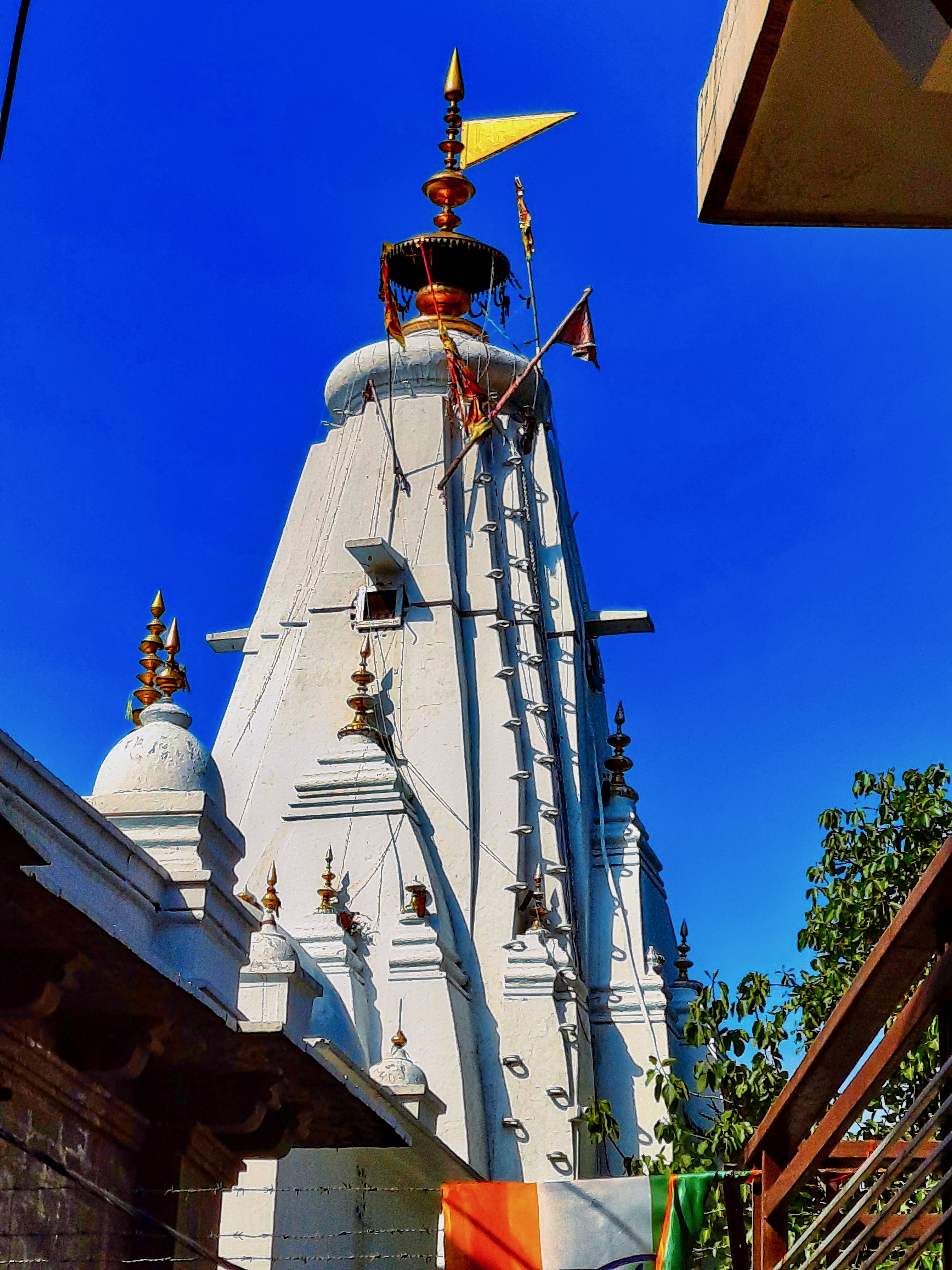
Om Anand Swami ashram is a spiritual retreat located in Swargashram on the banks of the Ganges River in Rishikesh, welcoming visitors for daily darshan and evening aarti rituals.
Shiva
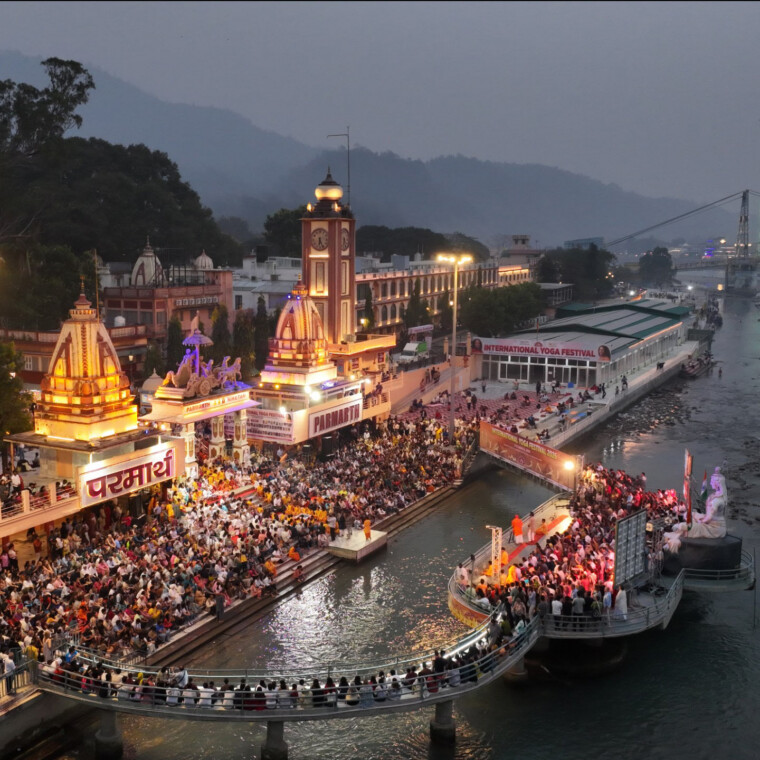
Neelkanth Mahadev Temple is a hilltop Shiva shrine in Rishikesh marking the sacred site where Lord Shiva consumed the poison from the ocean-churning. The temple draws devotees f…