Gujarati Temple
About Gujarati Temple
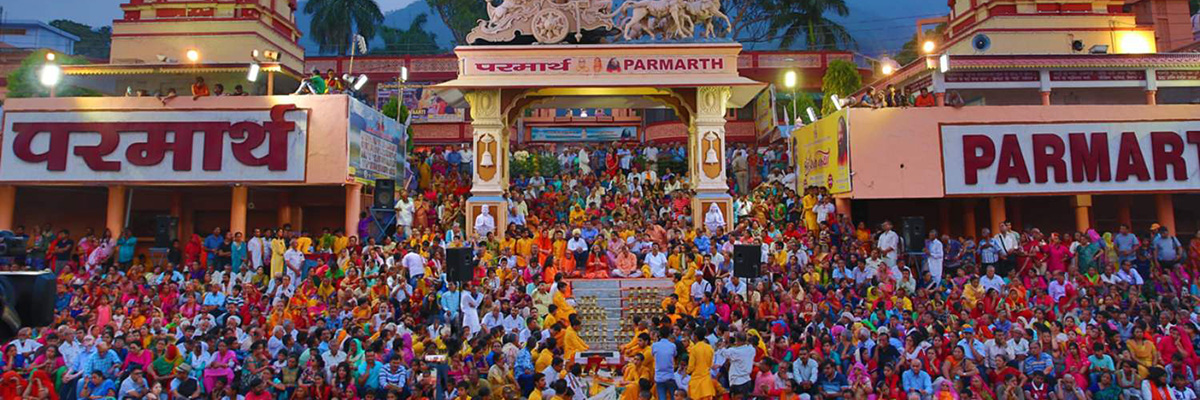
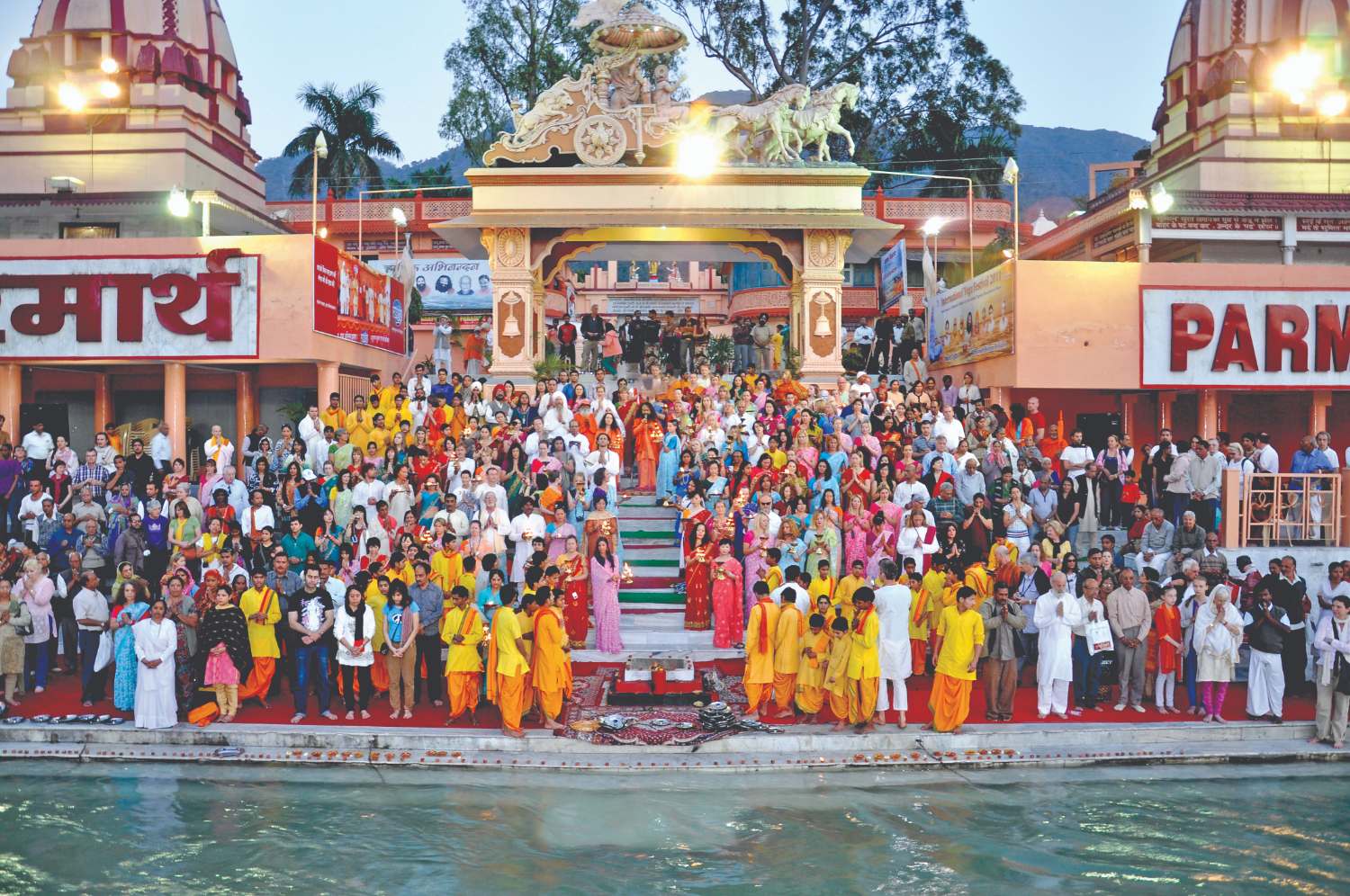
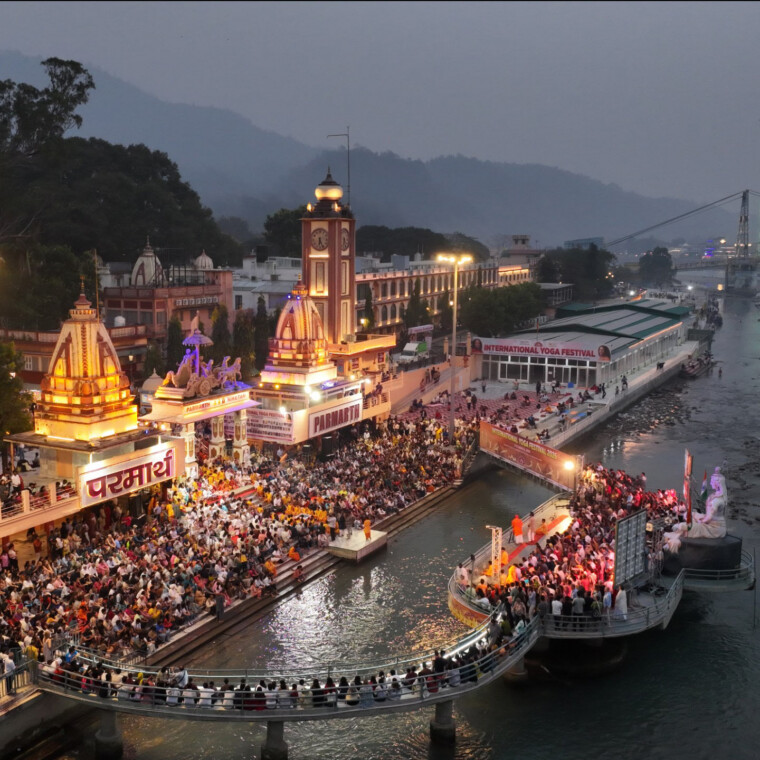
The temple occupies a significant position within Swargashram, one of Rishikesh's established spiritual quarters, situated directly on the banks of the Ganges River. This location places it within a landscape already dense with ashrams and temples, making it part of a broader spiritual geography that has drawn seekers for generations. The riverside setting provides both practical access to the river for ritual purposes and an environment naturally conducive to contemplative practice.
The coordinates for the temple are 30.1307277, 78.3315031, positioning it precisely within this sacred zone. The ashram environment in which the temple functions maintains an ethos of welcome, explicitly extending hospitality to visitors regardless of religious background, nationality, caste, or creed. This approach reflects a commitment to accessibility that characterizes many contemporary ashrams in the region.
When to Visit
October through March represents the optimal window for a visit. During these months, the weather remains pleasant for extended time at the temple and along the riverbank, and clear evening skies enhance the aarti experience. Within this broader period, February through April offers particular advantages: fewer crowds while temperatures remain comfortable. This combination allows visitors to engage more fully with the rituals and spiritual atmosphere without navigating peak-season congestion.
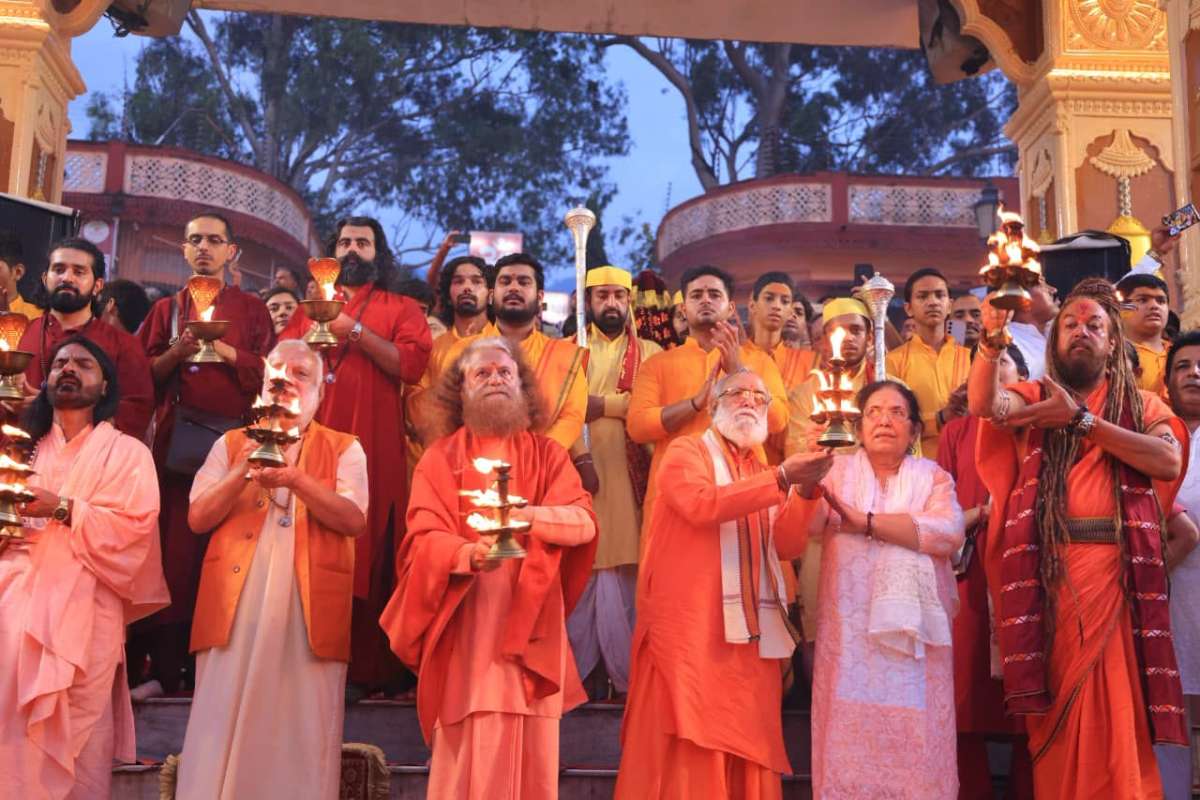
The morning aarti, available year-round, provides an alternative for those unable to visit during the optimal season, though the evening ceremony remains the more widely attended ritual. The cooler months make it feasible to spend extended periods at the temple without physical discomfort, an important consideration for those planning to remain for the full duration of the ceremony or to spend time in meditation or prayer afterward.
Ashram Ethos and Visitor Access
The temple functions within an ashram environment that welcomes visitors of all faiths and backgrounds. This inclusive approach does not diminish the sacred nature of the space; rather, it reflects a commitment to accessibility and the principle that spiritual practice transcends sectarian boundaries. Visitors are invited to observe and participate in the Ganga Aarti and other spiritual activities regardless of their own religious tradition or lack thereof.
This openness is characteristic of ashram culture in Rishikesh, where spiritual seekers from around the world gather. The temple's location within this broader ashram community means that visitors will encounter a genuinely international and multi-faith environment. The spiritual atmosphere remains intact while remaining accessible to all who approach with respect and genuine interest.
Practical Information for Visitors
The temple is located at Swargashram, Rishikesh, Uttarakhand, India. Visitors should plan to arrive before the scheduled aarti time, particularly for the evening ceremony, as the space fills with participants. The morning aarti begins at 05:45, requiring an early start for those wishing to attend. Appropriate dress for a temple setting is expected—modest clothing that covers shoulders and knees is standard practice at Hindu temples and ashrams.
Visitors should approach the sacred space with respect for its spiritual purpose. Photography policies may vary; it is advisable to observe what others are doing or to ask permission before photographing the ceremony. The ashram welcomes seekers from all traditions, but this welcome is predicated on respectful engagement with the space and its rituals. Silence and attentiveness during the aarti itself allow both participants and observers to engage fully with the ceremony.
Getting There
The temple's location in Swargashram places it within Rishikesh's central spiritual district, accessible from the main town. Rishikesh is well-connected by road and rail to other parts of Uttarakhand and northern India. Local transportation options, including auto-rickshaws and taxis, can bring visitors to Swargashram. The riverside location means the temple is situated along the main ghats (riverbank steps) where many of Rishikesh's spiritual activities take place, making it relatively straightforward to locate once in the area.
How to reach


Temples near Gujarati Temple

Sita Ram Dham
Rishikesh Yog Temple is a yoga teacher training school registered with Yoga Alliance USA, located in the spiritual city of Rishikesh. It offers residential yoga courses ranging…
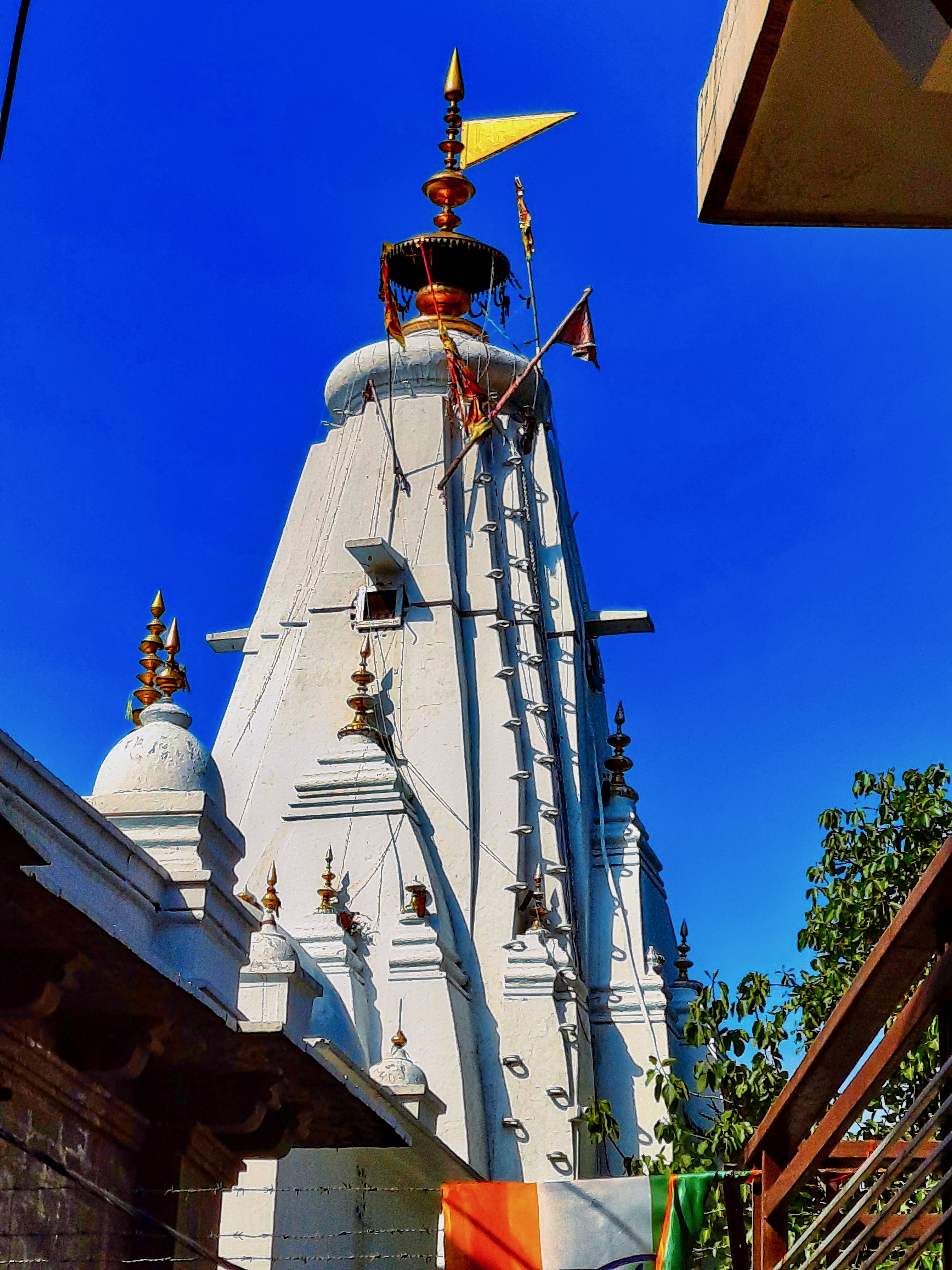
Om Anand Swami ashram
Om Anand Swami ashram is a spiritual retreat located in Swargashram on the banks of the Ganges River in Rishikesh, welcoming visitors for daily darshan and evening aarti rituals.
Shiva
Neelkanth Mahadev Temple is a hilltop Shiva shrine in Rishikesh marking the sacred site where Lord Shiva consumed the poison from the ocean-churning. The temple draws devotees f…
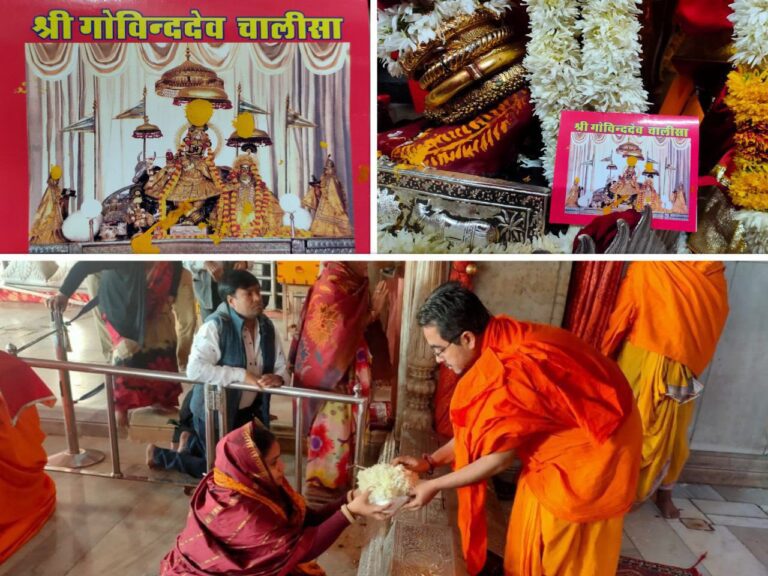
Radha Govinda Temple
Radha Govinda Temple in Rishikesh is an ISKCON shrine dedicated to Radha and Krishna, featuring a distinctive dome rising over 100 feet above the Madhuvan Ashram complex on Hari…
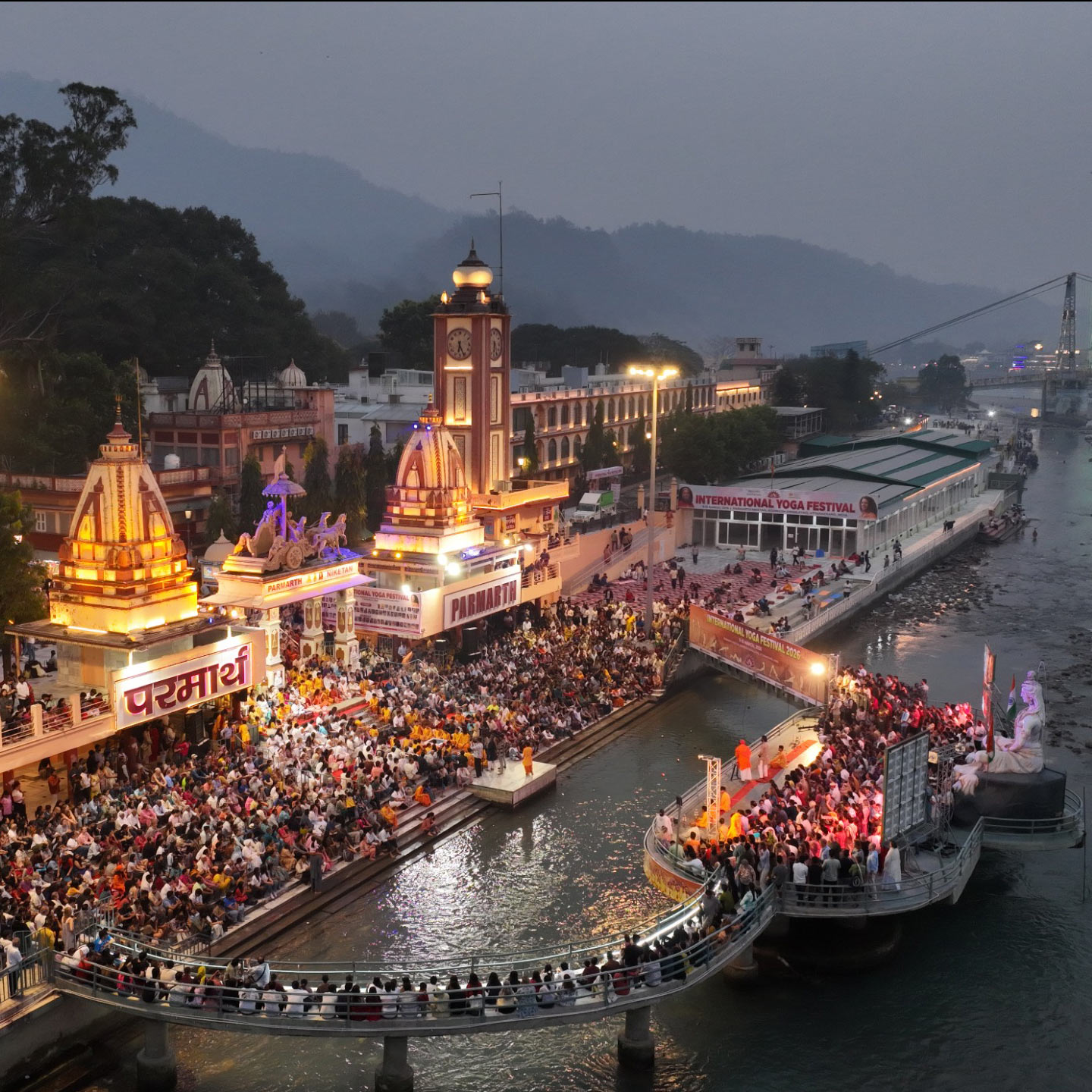
Ashram
Parmarth Niketan is the largest ashram in Rishikesh, situated on the banks of the Ganges River in the Himalayas. It is dedicated to spiritual welfare and hosts the world-renowne…
Sri Bharat Mandir
Sri Bharat Mandir is the most ancient and revered temple in Rishikesh, dedicated to Lord Vishnu in his Bharat avatar. According to tradition, Adi Shankaracharya reinstalled the…