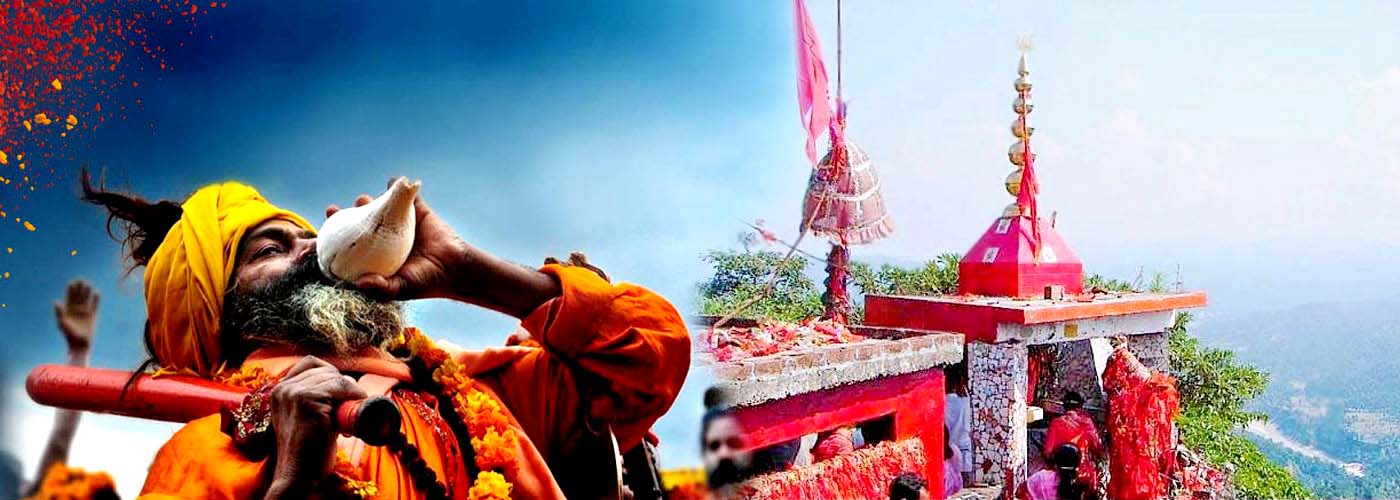
Purnagiri Temple
About Purnagiri Temple
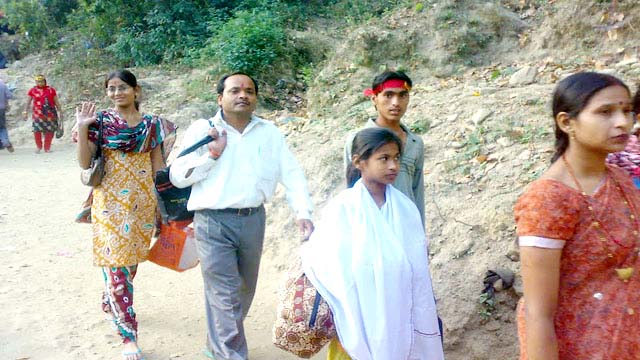
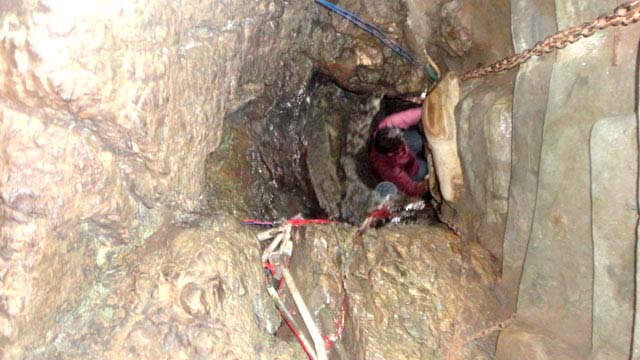
Reaching Purnagiri Temple requires a combination of motorised and foot travel. From Tanakpur, a motorable road extends to Thulligad, covering roughly 20 kilometres. From this point, pilgrims continue on foot via an approximately three-kilometre trek that ascends through easier pathways. The route passes through landmarks including Bans ki Charhai and Awalakhan (also known as Hanuman Chatti), allowing visitors to experience the gradual transition from lower elevations to the temple's mountain setting.
The trek itself forms part of the pilgrimage experience, with the physical ascent traditionally understood as preparation for darshan. Visitors should plan for the walking portion and dress appropriately for mountain conditions, particularly given that the best visiting season spans October through March, when weather in the Himalayan foothills remains more stable.
Daily Darshan and Rituals
The temple maintains two daily darshan periods: morning hours from 6:00 AM to 12:00 PM, and evening hours from 4:00 PM to 9:00 PM. Both morning and evening aartis—the ritual offerings of light and devotion—are performed, marking the primary moments of collective worship at the shrine. These timings may vary with festivals and seasonal changes, so confirmation upon arrival remains advisable.
Visitors should approach the temple with the respectful demeanour customary in Hindu sacred spaces. Standard etiquette includes removing footwear before entering the inner sanctum and maintaining quiet, meditative conduct during darshan. The temple's dual darshan schedule accommodates both early risers and those arriving later in the day, though the morning period often draws larger numbers of devotees.
Navratri and Seasonal Observances
The temple experiences heightened pilgrimage activity during Chaitra Navratri, the spring festival honouring the Goddess across nine days. This period draws significantly larger numbers of devotees to Purnagiri, reflecting the broader Hindu calendar's emphasis on goddess worship during this season. The Navratri observance aligns with the temple's identity as a Shakti Peeth, where the Devi receives special veneration during these sacred days.
The October-to-March window identified as the optimal visiting season corresponds with the post-monsoon and winter months, when mountain access is most reliable and weather conditions favour pilgrimage. Visitors planning to visit during Navratri should anticipate larger crowds and may wish to arrange accommodation and transport in advance.
Practical Information for Visitors
The temple's postal address is Purnagiri Temple, Tanakpur, Champawat district, Uttarakhand 262309. For enquiries regarding darshan arrangements, accommodation, or transport coordination, contact information is available through the temple's official channels. Several tour operators offer multi-day packages combining Purnagiri with nearby sacred sites in the region, such as Patal Bhubaneshwar and Pancheshwar Mahadev, allowing visitors to structure extended pilgrimages.
Visitors should carry adequate water and wear sturdy footwear suitable for mountain trekking. The three-kilometre ascent, while described as manageable, requires reasonable physical fitness. Those with mobility concerns should assess their capability before undertaking the trek. Basic amenities exist in Tanakpur, though facilities at the temple site itself are limited, making advance planning for meals and rest essential.
The Sacred Landscape
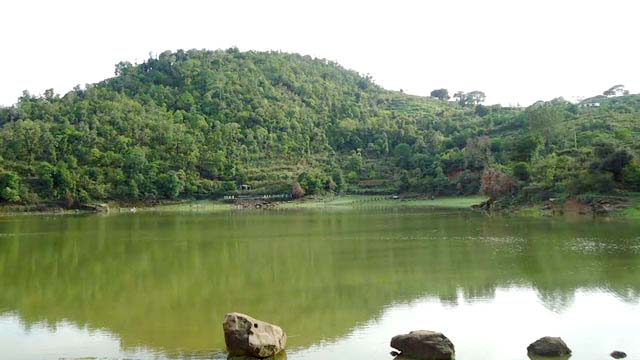
The temple's location within Uttarakhand's Himalayan region places it within a landscape dotted with other pilgrimage sites and natural features of spiritual significance. The mountainous setting itself—characteristic of many important Hindu shrines in northern India—contributes to the temple's atmosphere as a place of retreat and devotion. The proximity to the Nepal border adds to the region's distinctive character within Indian pilgrimage geography.
How to reach
You may also visit
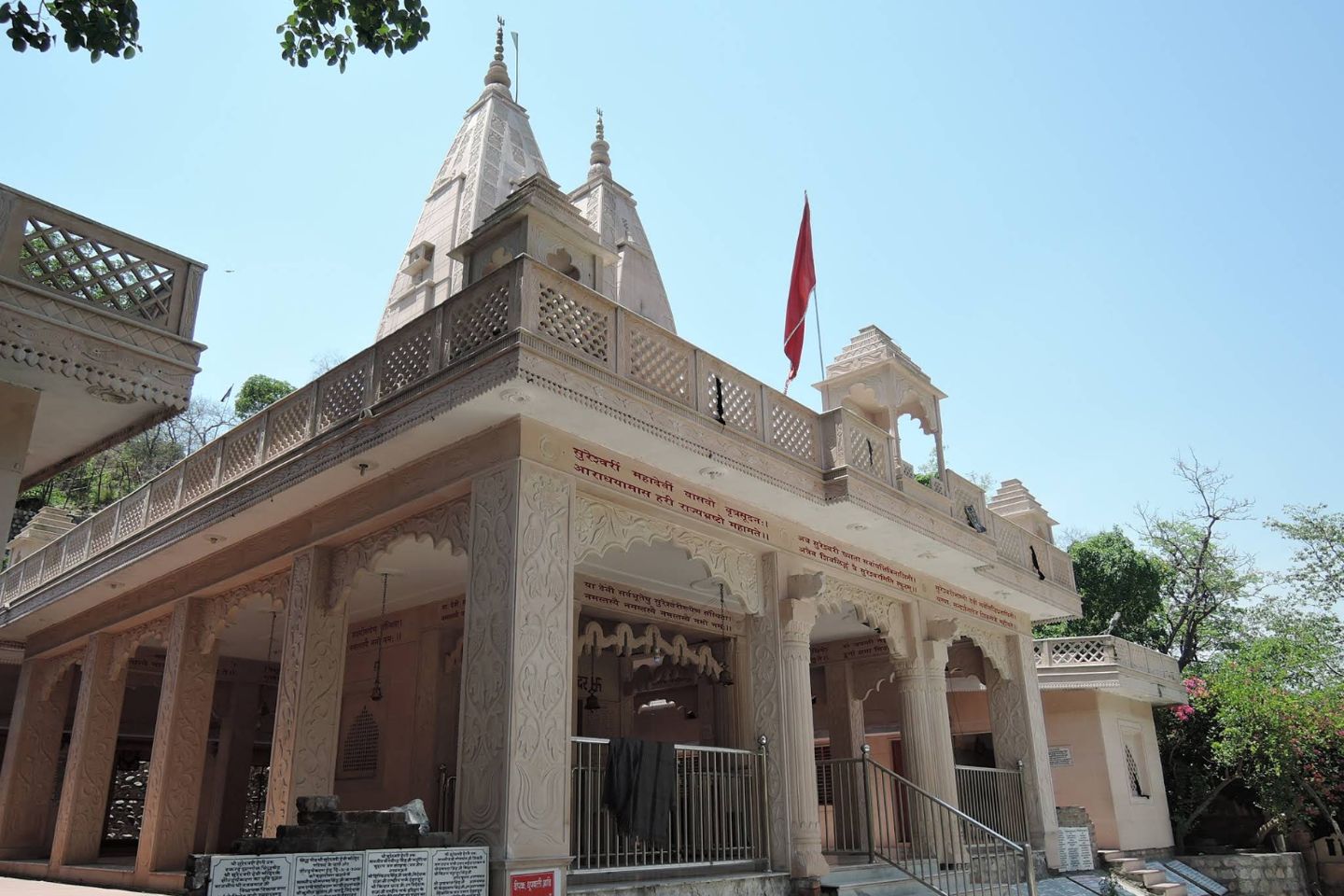
Sureshwari Devi Temple
Sureshwari Devi Temple in Haridwar is a forest shrine dedicated to the goddess, situated within the Ranipur Range area near Rajaji National Park, offering a secluded spiritual e…
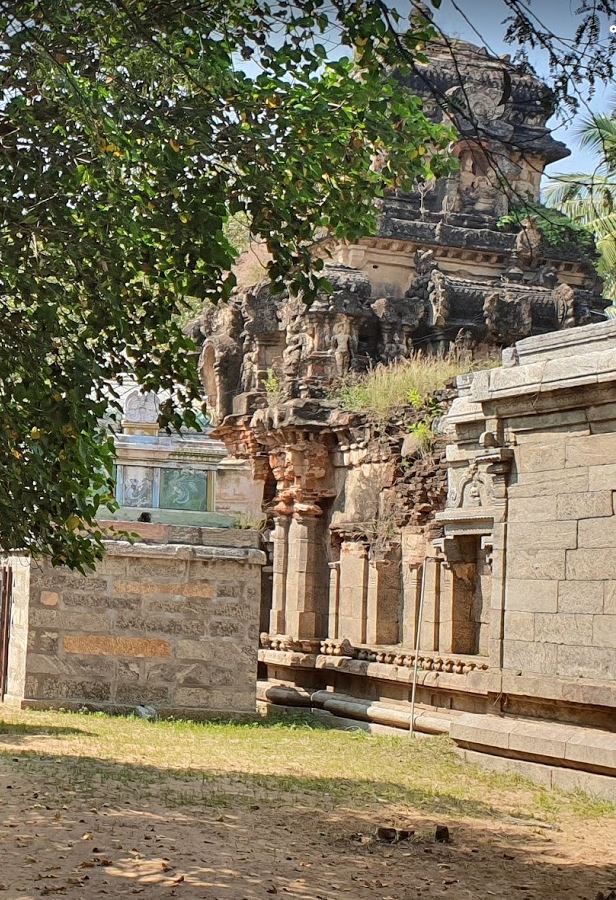
Agatheeswarar Temple, Karur
Agatheeswarar Temple in Thirumukkudalur, Karur district, is an ancient Hindu shrine dedicated to Shiva, situated at the sacred confluence of three rivers and believed to be over…

Shani Shingnapur
Shani Shingnapur is a renowned temple in Maharashtra dedicated to Lord Shani, featuring a self-emerged black stone idol worshipped under open sky. The temple is located in a uni…
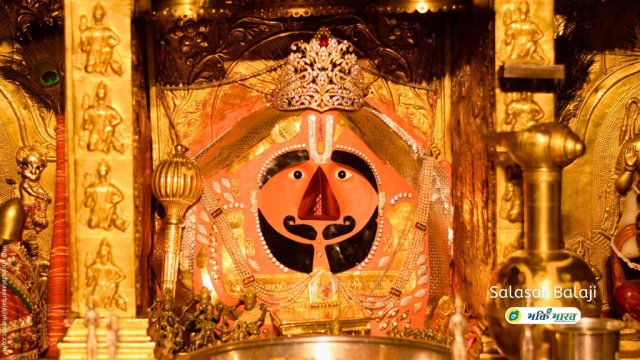
Salasar Balaji Temple
Salasar Balaji Temple in Churu district, Rajasthan, is a revered shrine dedicated to Lord Hanuman, distinguished by its unique depiction of the deity with a round face, beard, a…

Kamaksha
Arulmigu Kamakshi Amman Temple in Mangadu, near Chennai, is dedicated to the goddess Kamakshi, an aspect of Adi Parashakti. According to legend, the goddess performed austeritie…
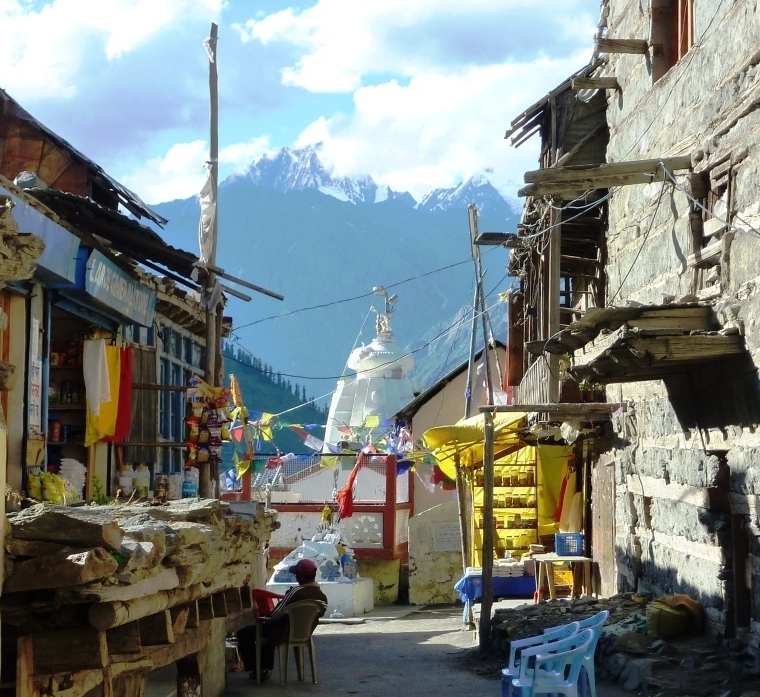
Trilokinath Temple at Tunde
The Trilokinath Temple in Tunde is an ancient shrine venerated by both Hindus and Buddhists, situated at 2,760 metres in the Lahul and Spiti District of Himachal Pradesh. Hindus…