Purandevi Mandir
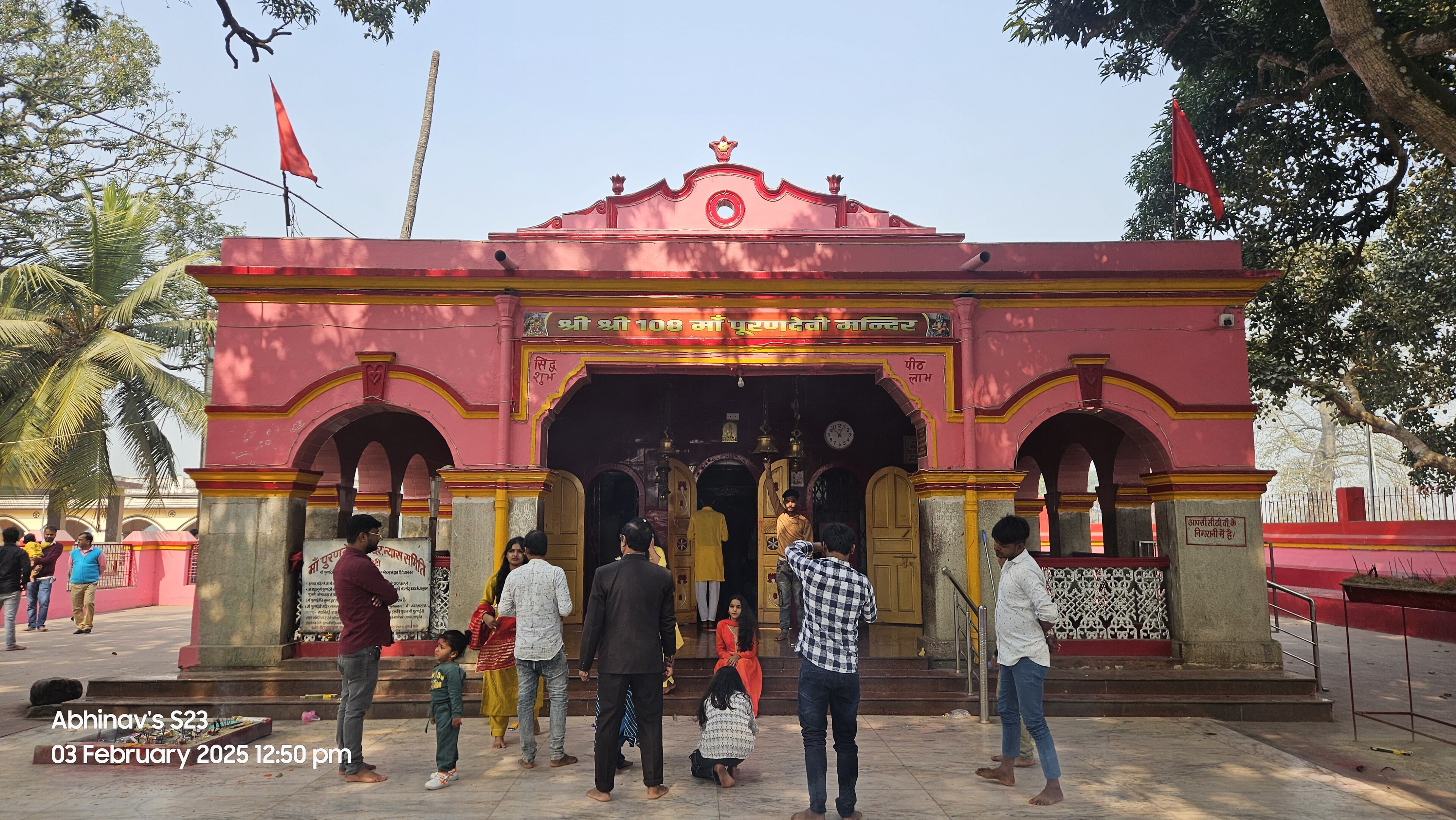
About Purandevi Mandir
Beyond daily worship, Purandevi Mandir serves as a significant venue for life rituals and family ceremonies. The temple is particularly known for hosting sanskar rituals—the sacred rites marking transitions in a person's life. Marriage ceremonies and mundan (the ritual tonsuring of a child's head) are among the principal occasions when families gather here to mark these milestones with spiritual significance.
The temple's role in these ceremonies reflects its standing as a place where the Goddess's blessings are sought for auspicious beginnings and transitions. Families planning such rituals at the temple should contact the shrine directly to understand procedures, availability, and any specific requirements or customs observed.
Principal Festivals and Pilgrimage Seasons
Three major festivals draw pilgrims to Purandevi Mandir and occasion elaborate decoration and heightened devotional activity. Sharad Navaratri, the nine-night festival honoring the Goddess, typically falls in September or October and represents the primary pilgrimage season. Raksha Bandhan, celebrated in August, marks the bond between siblings and is observed with significance at the shrine. Makar Sankranti in January, the harvest festival associated with the sun's transition into Capricorn, also brings worshippers to the temple.
During these festival periods, the temple receives particular adornment and the rhythm of worship intensifies. Darshan and aarti timings may shift on festival days, and visitors planning to attend should confirm the current schedule directly with the temple before traveling.
Daily Darshan and Worship
The temple maintains regular hours for darshan—the viewing and receiving of blessings from the deity. Specific timings should be confirmed with the temple, as these may vary seasonally or according to local observances. Aarti, the ritual offering of light to the deity, forms part of the daily worship cycle, though exact times are best verified in advance.
Visitors approaching the sanctum are expected to dress modestly and conduct themselves with respectful demeanor, as is customary in Hindu temples. Devotees typically arrive at various hours according to personal practice and convenience. Those unfamiliar with temple protocols are welcome to observe and follow the lead of other worshippers.
Visiting Information and Practical Considerations
Purandevi Mandir is located in Purnia, a city in Bihar. Visitors should plan their journey with attention to the festival calendar, as the three principal festivals—Sharad Navaratri, Raksha Bandhan, and Makar Sankranti—represent the busiest and most spiritually vibrant periods. Outside these seasons, the temple remains open for regular darshan, though crowds will be lighter.
Before traveling, it is advisable to contact the temple directly to confirm current darshan hours, aarti timings, and any special observances. This is particularly important if you are planning to perform a life ritual or ceremony at the shrine. Modest dress is expected; visitors should wear clothing that covers shoulders and knees as a mark of respect. Photography policies may vary, and it is courteous to ask before taking images within the sanctum or during worship.
How to reach
You may also visit
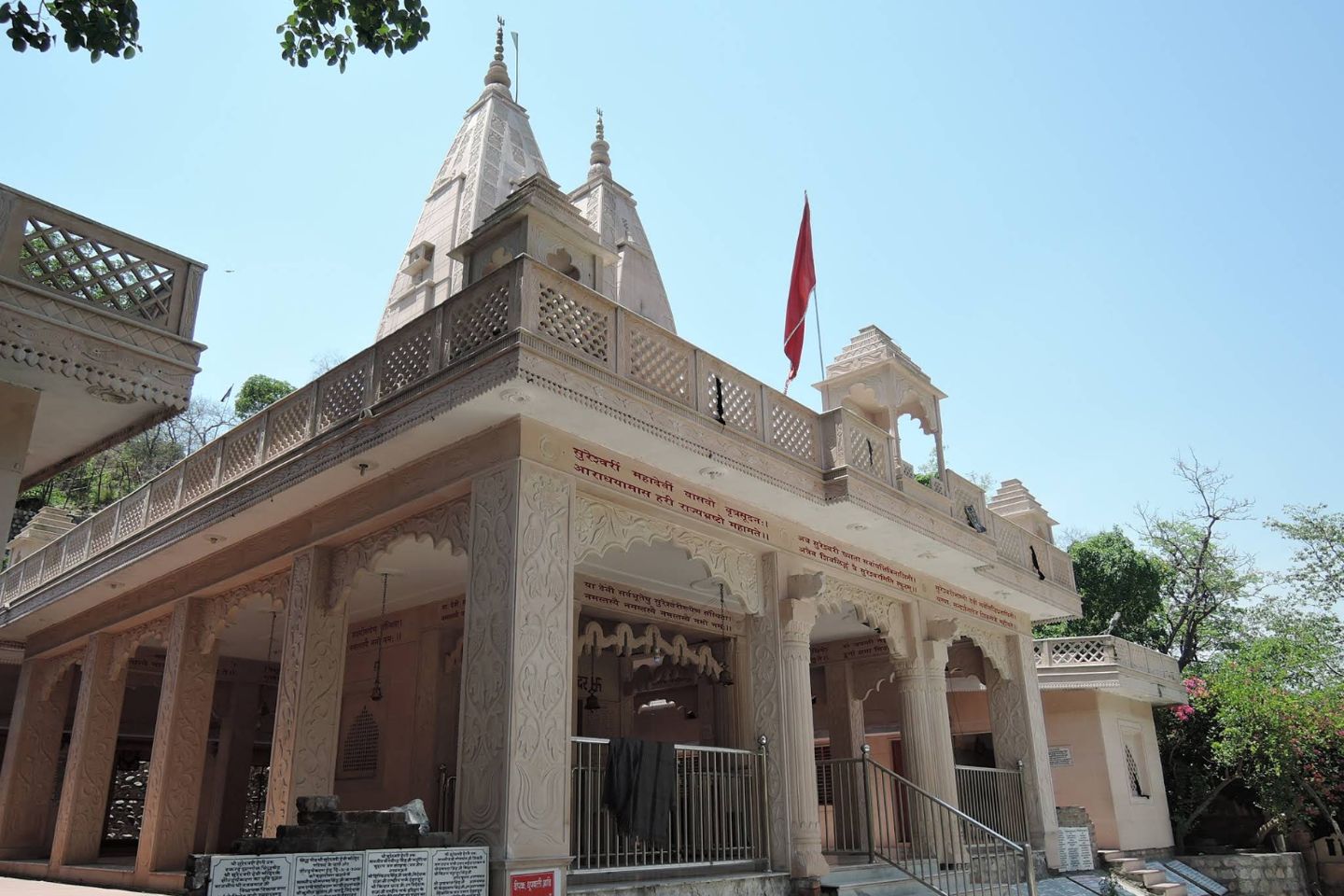
Sureshwari Devi Temple
Sureshwari Devi Temple in Haridwar is a forest shrine dedicated to the goddess, situated within the Ranipur Range area near Rajaji National Park, offering a secluded spiritual e…
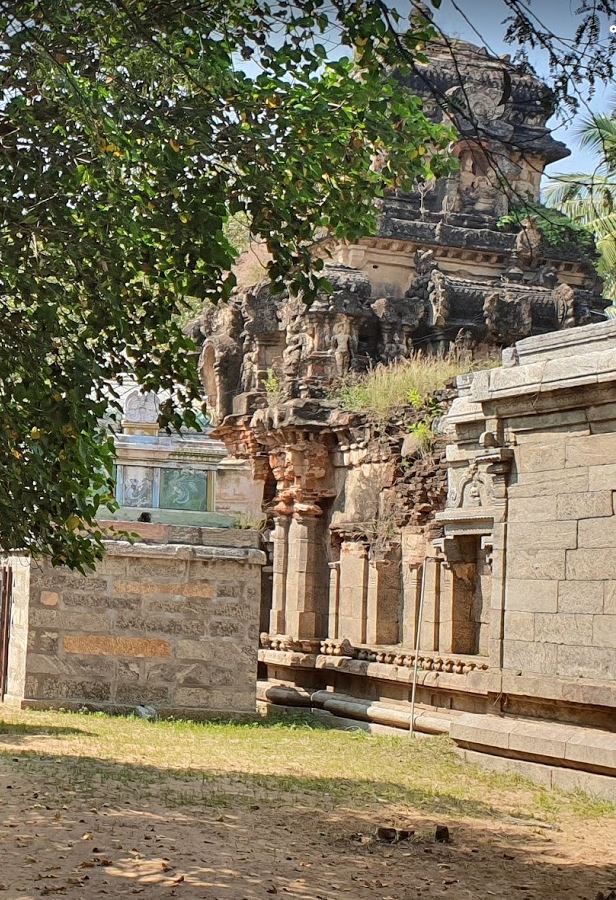
Agatheeswarar Temple, Karur
Agatheeswarar Temple in Thirumukkudalur, Karur district, is an ancient Hindu shrine dedicated to Shiva, situated at the sacred confluence of three rivers and believed to be over…

Shani Shingnapur
Shani Shingnapur is a renowned temple in Maharashtra dedicated to Lord Shani, featuring a self-emerged black stone idol worshipped under open sky. The temple is located in a uni…
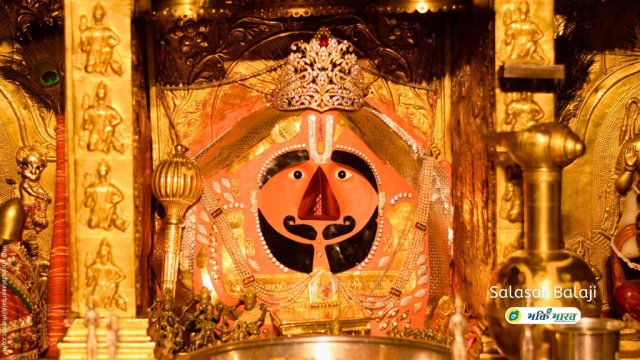
Salasar Balaji Temple
Salasar Balaji Temple in Churu district, Rajasthan, is a revered shrine dedicated to Lord Hanuman, distinguished by its unique depiction of the deity with a round face, beard, a…
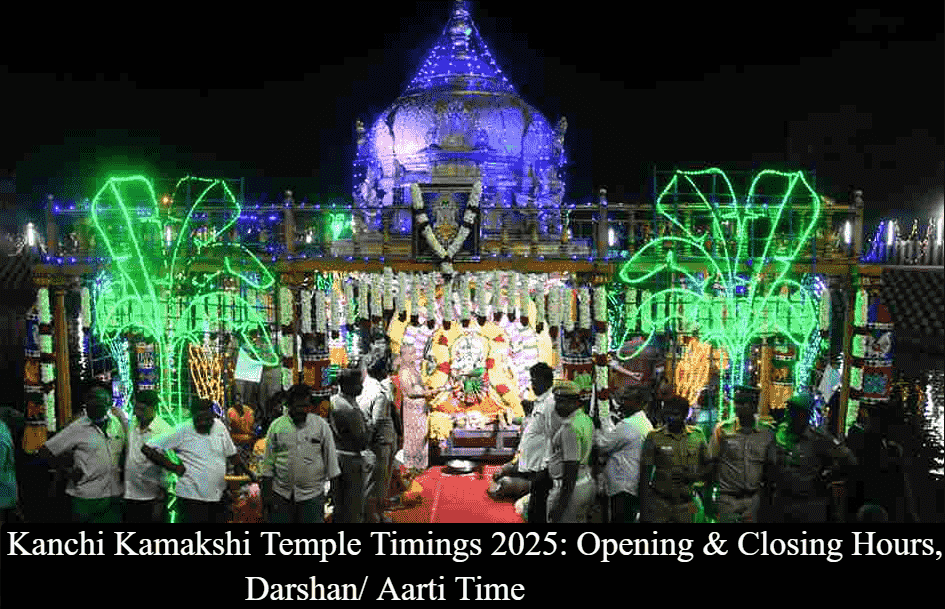
Kamaksha
Arulmigu Kamakshi Amman Temple in Mangadu, near Chennai, is dedicated to the goddess Kamakshi, an aspect of Adi Parashakti. According to legend, the goddess performed austeritie…
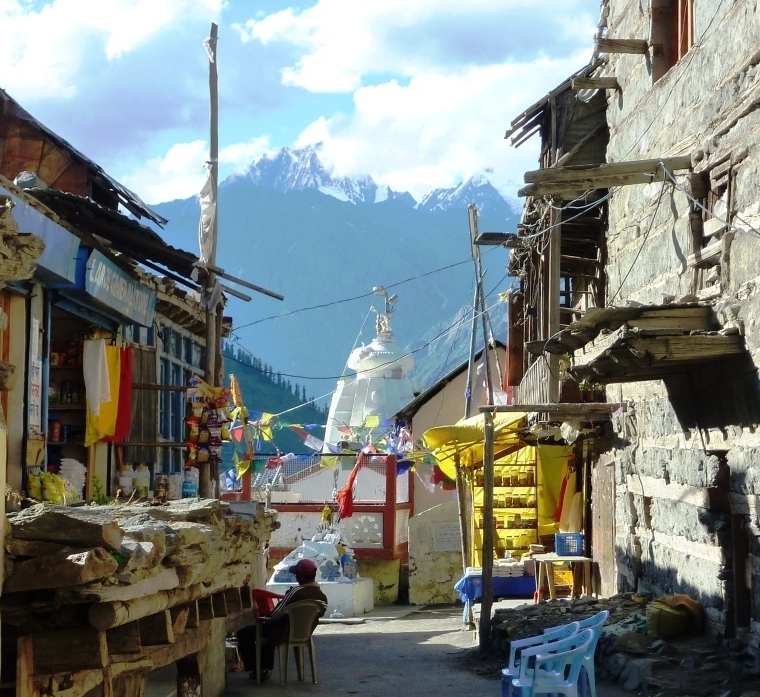
Trilokinath Temple at Tunde
The Trilokinath Temple in Tunde is an ancient shrine venerated by both Hindus and Buddhists, situated at 2,760 metres in the Lahul and Spiti District of Himachal Pradesh. Hindus…