Pura Dalem Sakenan
About Pura Dalem Sakenan
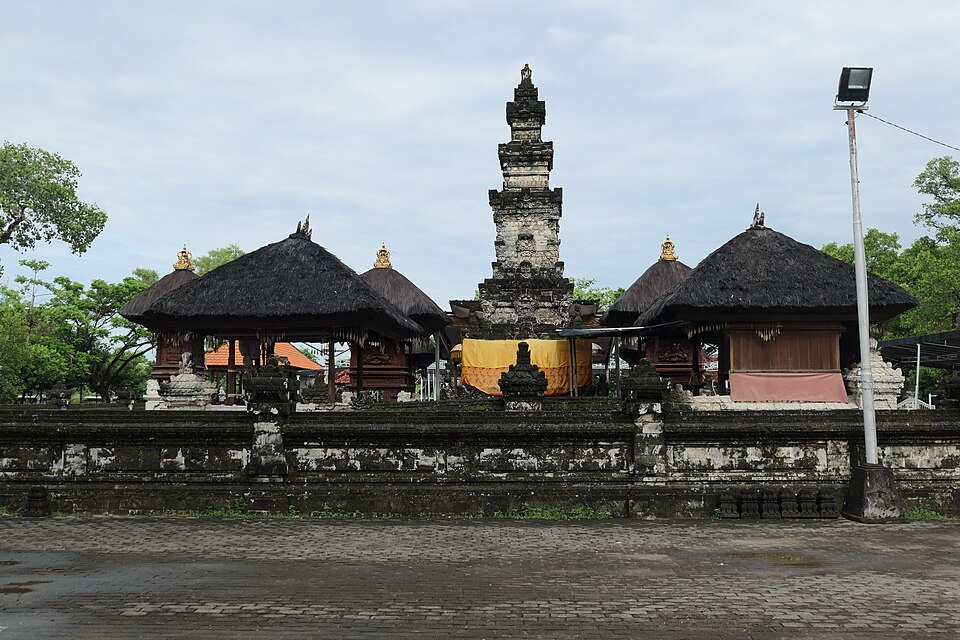
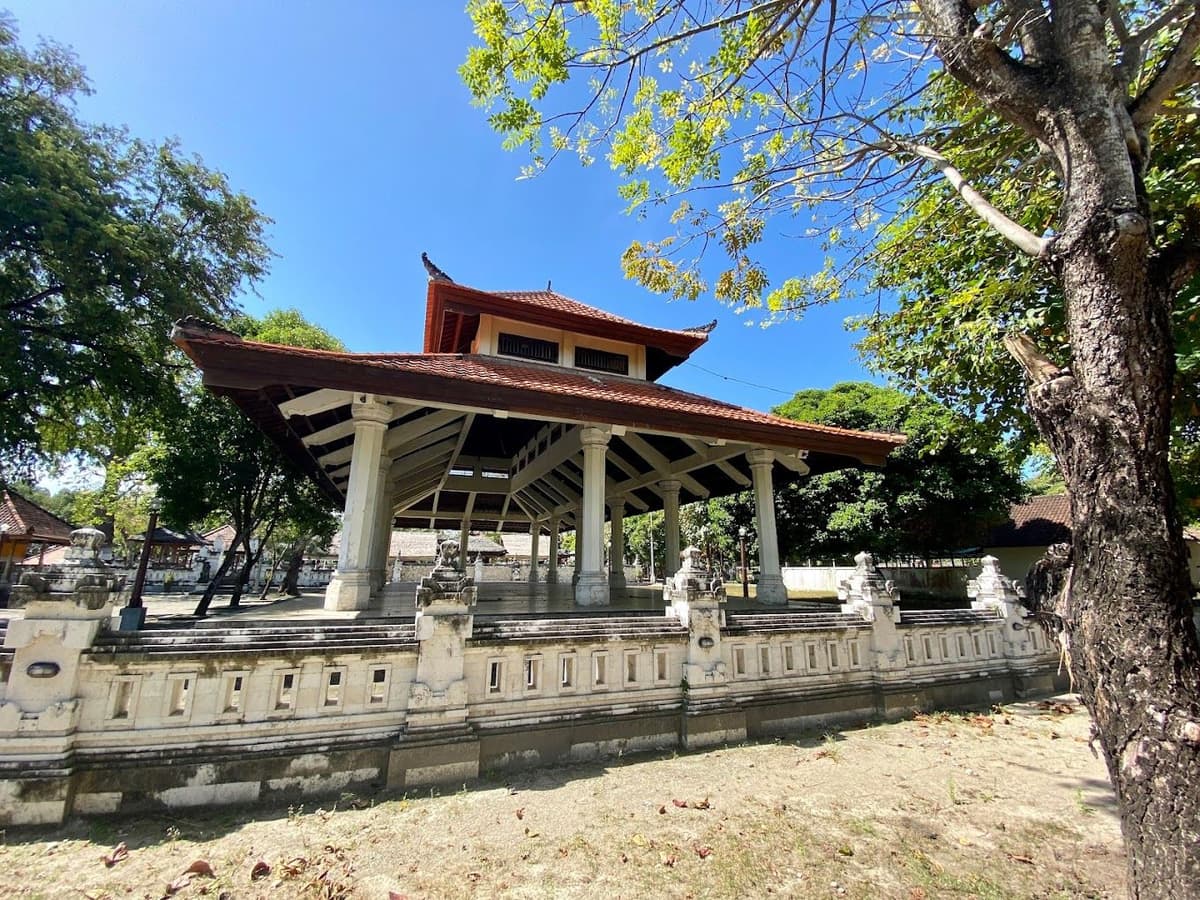
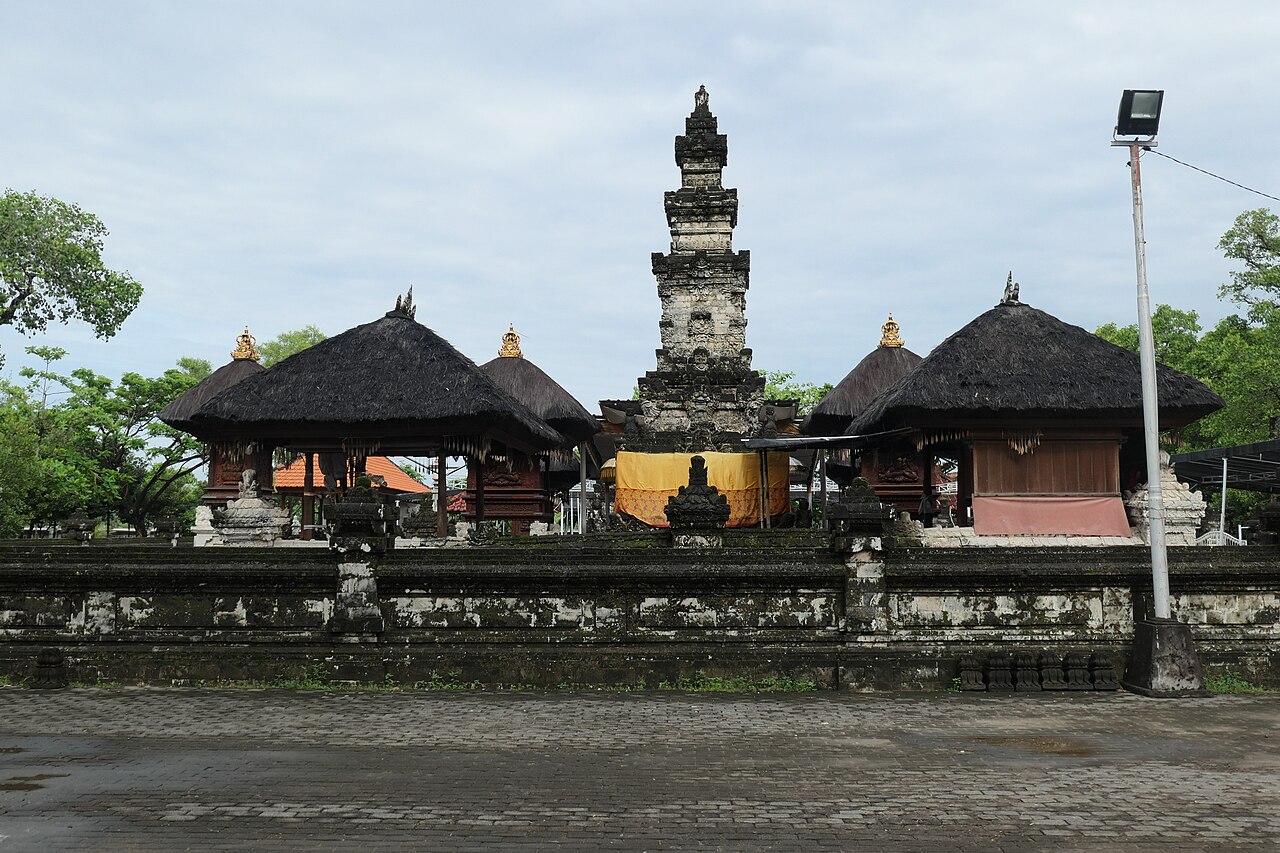
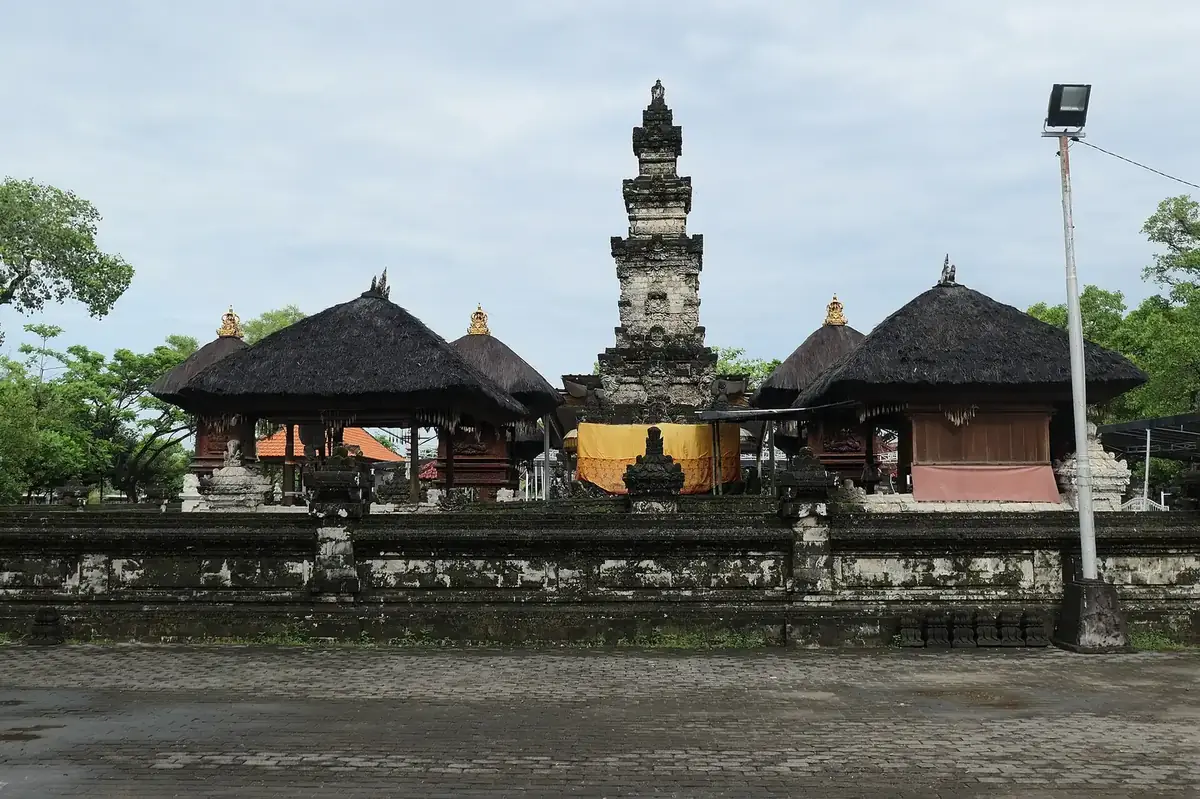
The temple complex houses four distinct shrines, each enclosed within a high brick wall. The central shrine occupies the eastern side of the temple, where offerings are traditionally made. This eastern shrine is dedicated to Lord Ganesh, believed to bring good fortune to worshippers.
To the south stands a shrine dedicated to the goddess Hariti, a protective deity associated with children and fertility. The northern shrine honours Baruna Tirtha Dewi, goddess of the sea. The western shrine is dedicated to the gods Parashurama and Shiva, alongside the goddess Uma. This arrangement reflects the Balinese Hindu practice of honouring multiple divine aspects within a single sacred space, each addressing different dimensions of spiritual life and natural forces.
Worship and Offerings
Worship at Pura Dalem Sakenan follows Balinese Hindu tradition. Devotees make daily prayers and present offerings of food, flowers, and monetary gifts to the deities. These offerings are often accompanied by the burning of incense and the recitation of mantras. Traditional Balinese musical instruments frequently accompany prayers, creating a multisensory spiritual environment.
Worshippers undertake special pilgrimages to participate in rituals and ceremonies held throughout the year. The temple welcomes visitors to observe and participate in these community events without restriction or discrimination, reflecting the inclusive nature of Balinese Hindu practice.
The Piodalan Festival
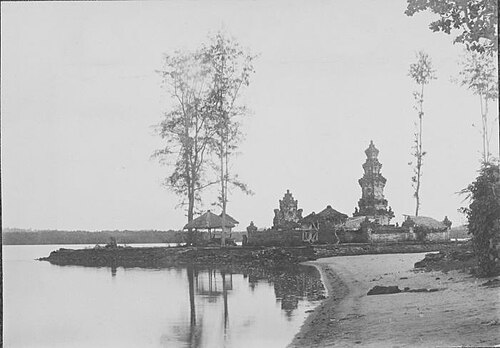
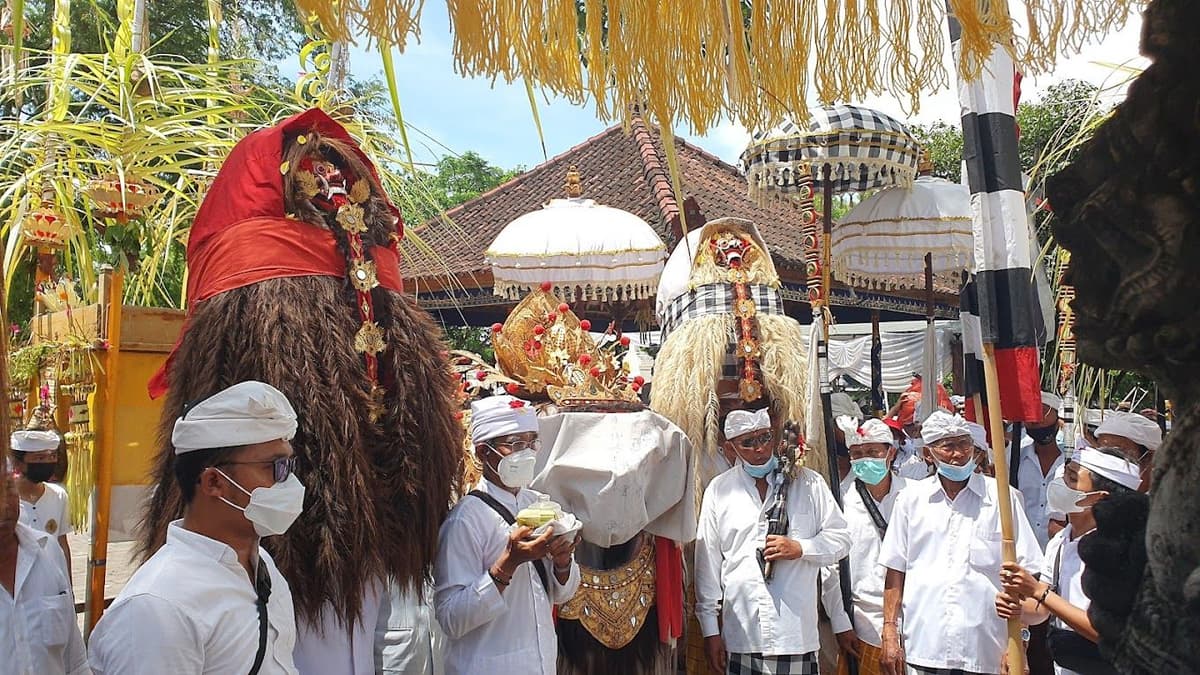
Every 210 days according to the Balinese calendar, the temple observes its major festival, known as Piodalan. During this significant occasion, devotees bring offerings of fruit and flowers to honour the temple's deities. Historically, pilgrims travelled to Serangan Island on foot or by traditional wooden boats called jukung, which were characteristically painted in bright colours. These processions formed an important part of the island's spiritual calendar.
The construction of a bridge connecting Serangan Island to mainland Bali, along with land reclamation projects, has altered the nature of these pilgrimages. While the traditional jukung journeys have largely ceased, the Piodalan festival remains a significant gathering that draws Balinese Hindus from across the island to participate in traditional dances, rituals, and ceremonies.
Visiting Information
The temple is open daily from 8:00 AM to 5:00 PM. Visitors should be aware that festival days may have different opening hours, and it is advisable to contact the temple in advance if planning a visit during Piodalan or other ceremonial occasions.
Modest dress is customary when visiting Hindu temples in Bali. Visitors should remove footwear before entering shrine areas and avoid pointing feet toward sacred objects or images. Photography may be restricted in certain areas during active worship or ceremonies. As an active place of worship, visitors should move respectfully through the temple grounds and avoid disturbing devotees engaged in prayer or ritual.
How to Reach
Pura Dalem Sakenan is located at Jl. Pulau Serangan, Serangan, in South Denpasar. The temple sits on Serangan Island, which is now accessible via a bridge from mainland Bali. Visitors can reach the temple by taxi or motorbike from Denpasar, travelling to the southern tip of Serangan Island. Many day tour operators in Bali offer trips to the temple as part of their itineraries. The journey from central Denpasar takes approximately 20–30 minutes depending on traffic and the specific starting point.
How to reach
Temples near Pura Dalem Sakenan
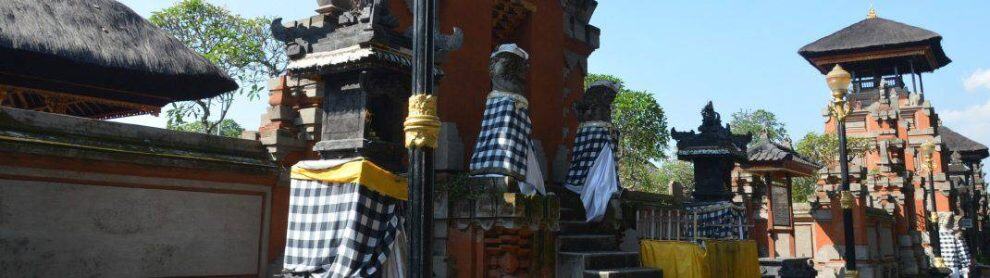
Pura Agung Jagatnatha Kota Denpasar
Pura Agung Jagatnatha is Denpasar's largest and most important Hindu temple, dedicated to Sang Hyang Widhi Wasa, the supreme god in Balinese Hinduism. Built as a unifying place…
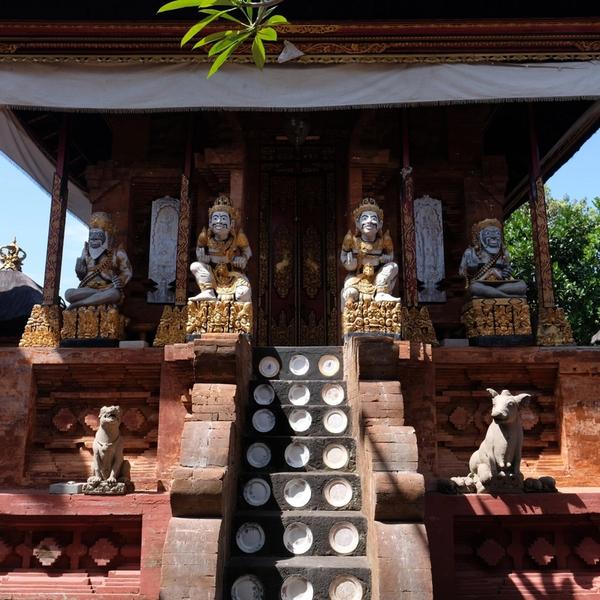
Tambang Badung temple
Tambang Badung temple is a Hindu mandir located in Pemecutan, Bali, dedicated to the worship of Hindu deities according to Balinese traditions.
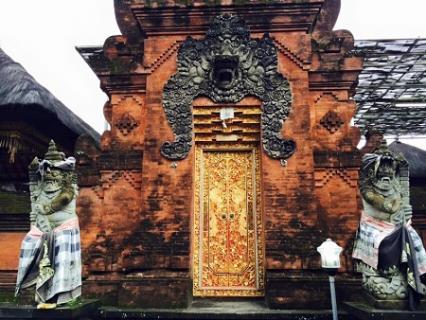
Pura Petitenget
Pura Petitenget is an ancient sea temple in Seminyak, Bali, established by Hindu priest Dang Hyang Nirartha to ward off dark spirits. Built with red brick and sandstone, it over…
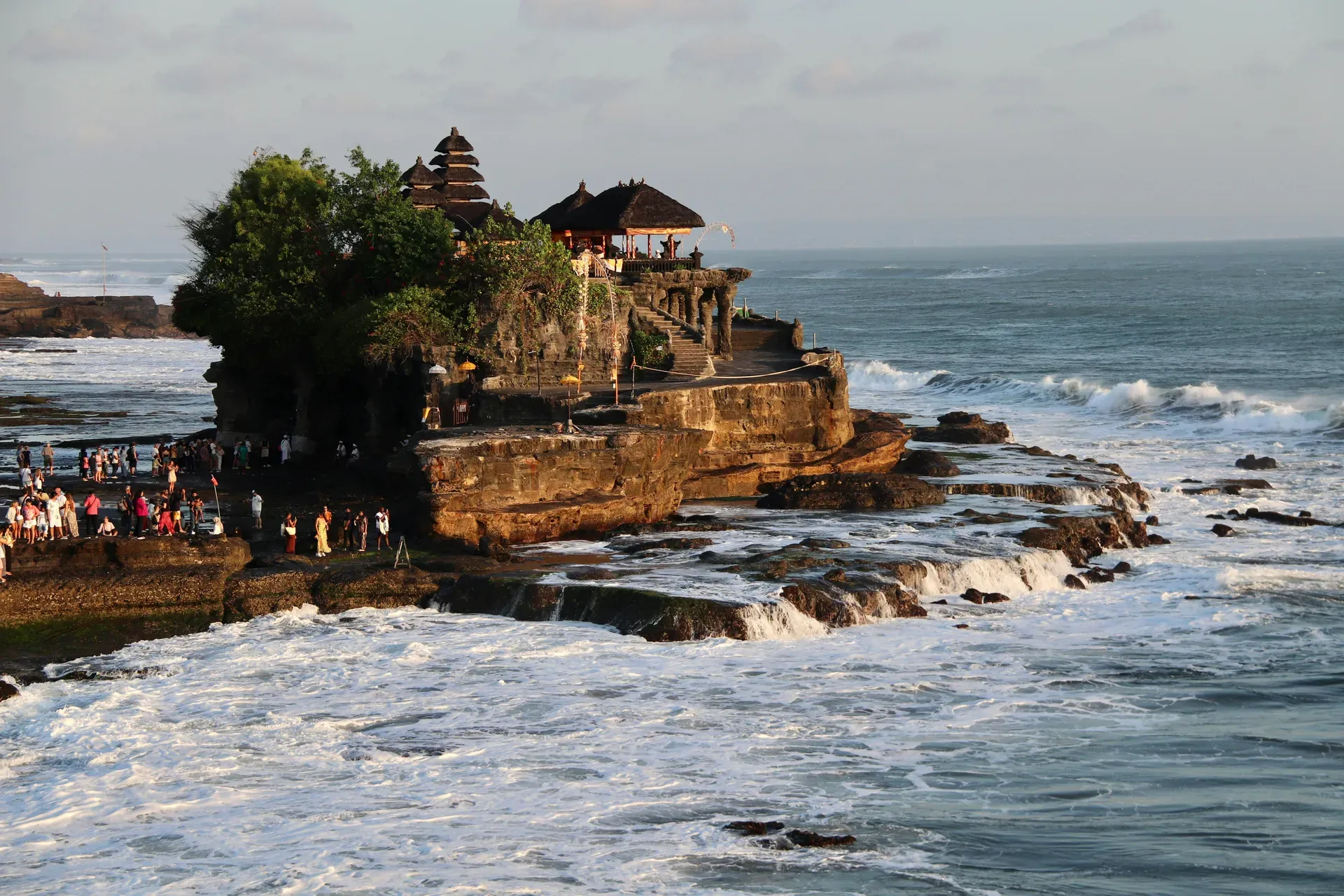
Tanah Lot
Tanah Lot is a 16th-century Hindu sea temple perched on a coral rock formation off Bali's southwest coast, appearing to float during high tide and drawing half a million visitor…
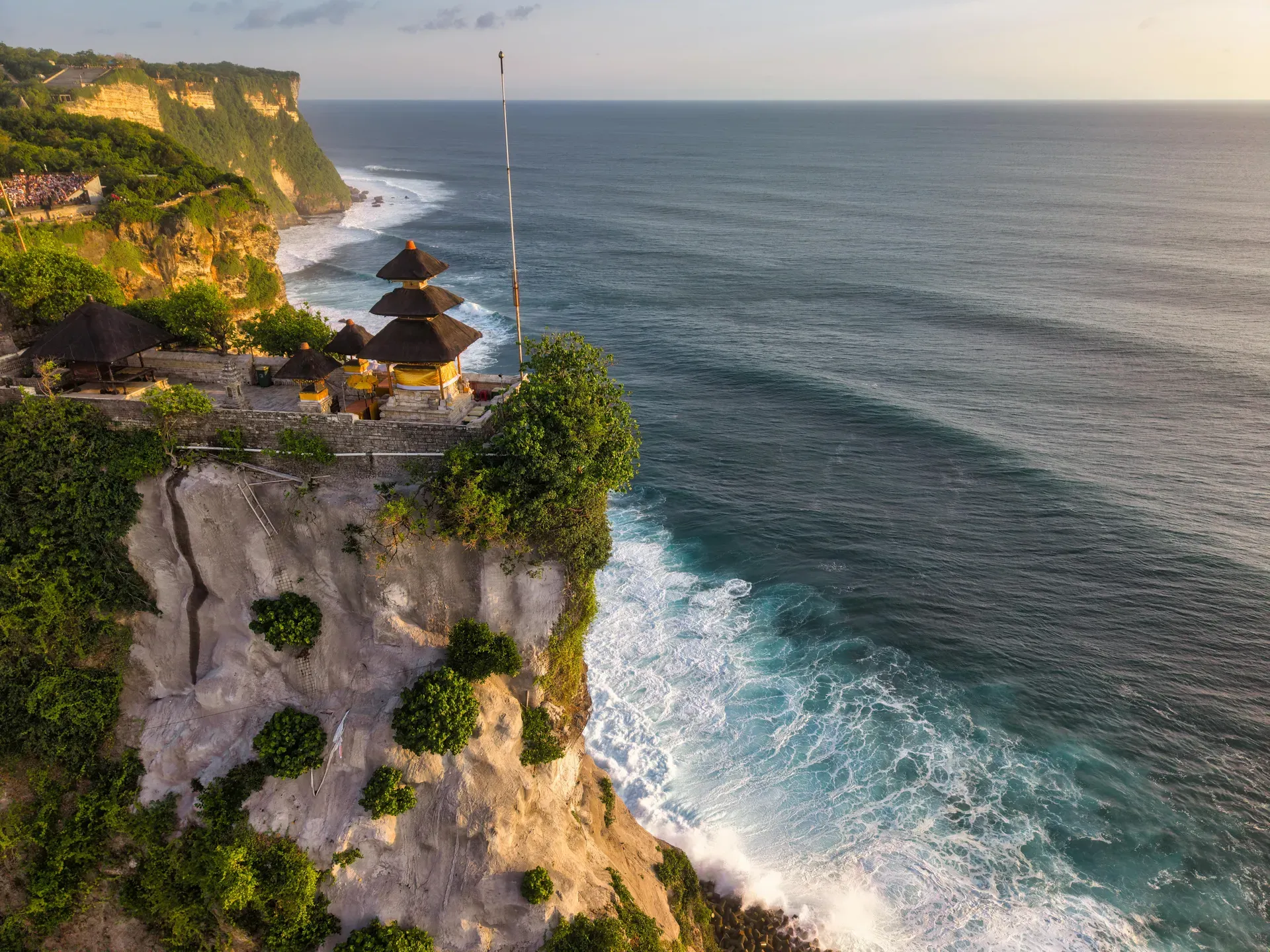
Uluwatu Temple
Uluwatu Temple is a sacred Balinese Hindu sea temple perched dramatically on a 70-meter limestone cliff overlooking the Indian Ocean, renowned for its nightly Kecak Fire Dance p…
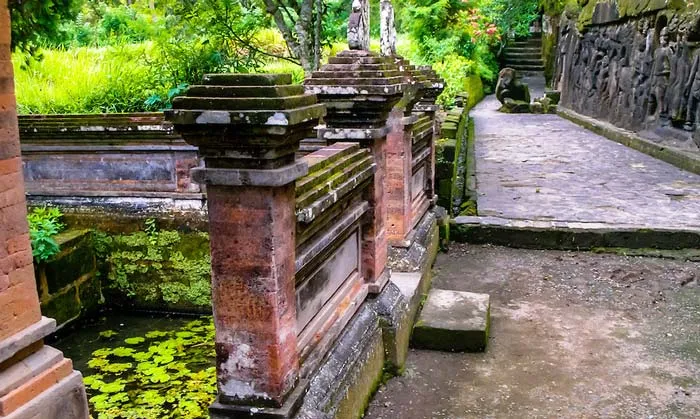
Yeh Pulu
Yeh Pulu is an ancient temple in Ubud, Bali, renowned for its intricate stone carvings that showcase the artistic heritage of medieval Balinese civilization.