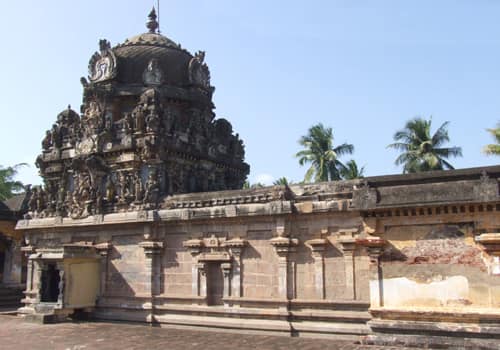
Punjai Siva Temple
About Punjai Siva Temple
The temple stands at Kil Pallakkottai, situated along the Grand Anaicut–Kaveripattinam Road in Tamil Nadu's Tiruvarur district (postal code 609109). The location places it near Semponnarkoil, a region with several other significant Shiva temples. Visitors should note the temple's rural setting and plan travel accordingly. The nearest major town reference points are Semponnarkoil and the Grand Anaicut area. Those travelling by road should use the coordinates (11.126823, 79.757388) for navigation purposes. It is advisable to contact the temple directly for current directions and any seasonal access considerations.
Visiting the Temple: Practical Information
Specific darshan timings are not detailed in available sources, so visitors should contact the temple before arrival to confirm opening hours. Festival days typically operate on different schedules than regular days, and this variation is common across Tamil Nadu temples. Standard temple etiquette applies: remove footwear before entering the sanctum, dress modestly, and maintain respectful silence during worship. Many temples in this region have specific protocols for photography and ritual participation; these should be confirmed with temple staff upon arrival.
The temple's facilities and amenities are not documented in the sources provided. Visitors should arrive prepared with water and basic supplies, particularly given the rural location, and should not assume the availability of food, accommodation, or other services without prior confirmation.
The Temple's Religious Significance
As a Shiva temple dedicated to Nataraja, Punjai Siva Temple (also known as Naltunai Ishvaram Temple) serves as a place of worship for devotees of the Shaivite tradition. Temples honouring Nataraja typically attract those seeking blessings related to artistic pursuits, spiritual knowledge, and liberation from the cycle of birth and death. The form of Nataraja emphasizes the dynamic, creative aspect of divine power—not static or distant, but actively engaged in the cosmic dance that sustains all existence.
Nearby Temples and the Regional Context
The temple exists within a network of sacred sites in the Tiruvarur and Nagapattinam districts. Nearby temples include Semponarkoil Swarnapureeswarar Temple and Ponsei Natrunaiyappar Temple, among others. This clustering of temples reflects the region's long history as a centre of Shaivite worship and pilgrimage. Devotees often visit multiple temples in a single journey, and the presence of several significant shrines within reasonable distance makes the area valuable for those undertaking extended temple visits.
Planning Your Visit
Before travelling to Punjai Siva Temple, confirm current darshan hours and any special observances by contacting the temple directly. The rural location means that services and facilities cannot be assumed; bring adequate water and provisions. Modest dress is essential—men typically wear dhotis or simple trousers, and women wear sarees or salwar kameez. If you intend to participate in any rituals or make offerings, inquire about procedures and any associated costs when you arrive.
The temple's significance as a Nataraja shrine makes it a meaningful destination for those devoted to Shiva worship and for visitors interested in Tamil Nadu's Shaivite heritage. Allow time to sit quietly in the temple's presence; the contemplative atmosphere of such spaces is often as valuable as the formal darshan itself.
How to reach
Temples near Punjai Siva Temple
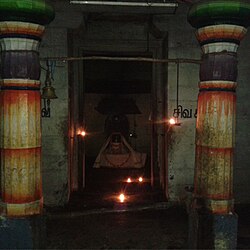
Ponsei Natrunaiyappar Temple
Natrunaiyappar Temple in Ponsei is an ancient Shiva shrine within Mayiladuthurai district, traditionally associated with the Tevaram hymns of Tirugnana Sambandar and rebuilt in…

Swarnapureeswarar Temple, Sembanarkoil
Swarnapureeswarar Temple in Sembanarkoil is an ancient Shaiva shrine where the presiding deity manifests as a self-manifested Shiva Lingam on a lotus-shaped pedestal, accompanie…
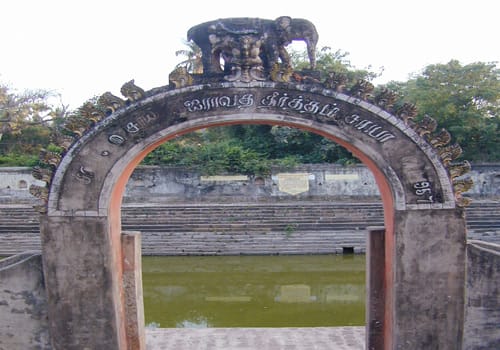
Sayavanam Chayavaneswarar Temple
Sayavaneswarar Temple is an ancient Shiva shrine at Sayavanam near Poompuhar, traditionally regarded as one of six sacred Shiva centres on the Cauvery banks comparable to Kasi.…
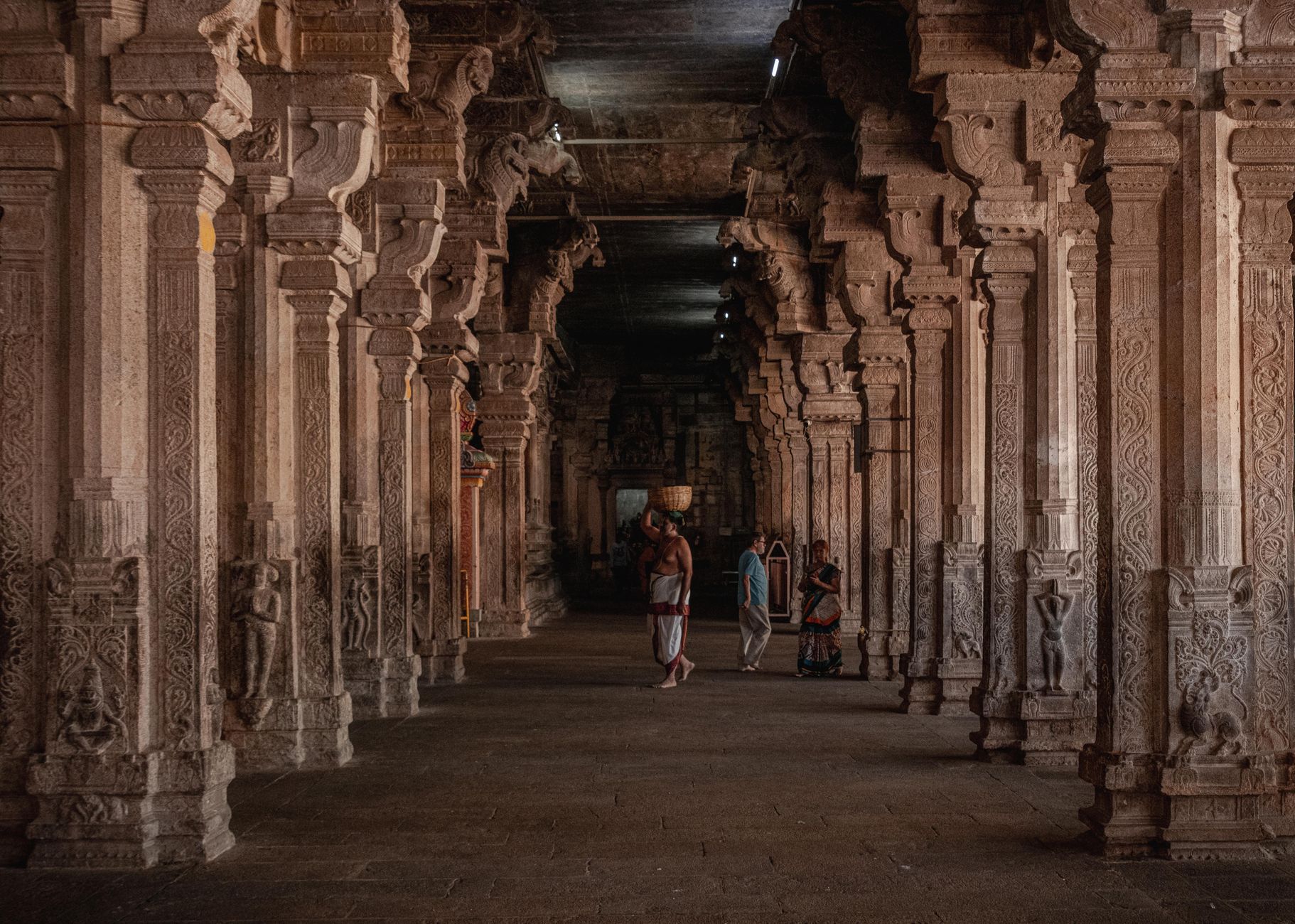
Aakkoor Thanthondreeswarar Temple
Aakkoor Thanthondreeswarar Temple is an ancient Hindu shrine dedicated to Lord Shiva, located in Akkur, Mayiladuthurai district of Tamil Nadu. The presiding deity, known as Than…
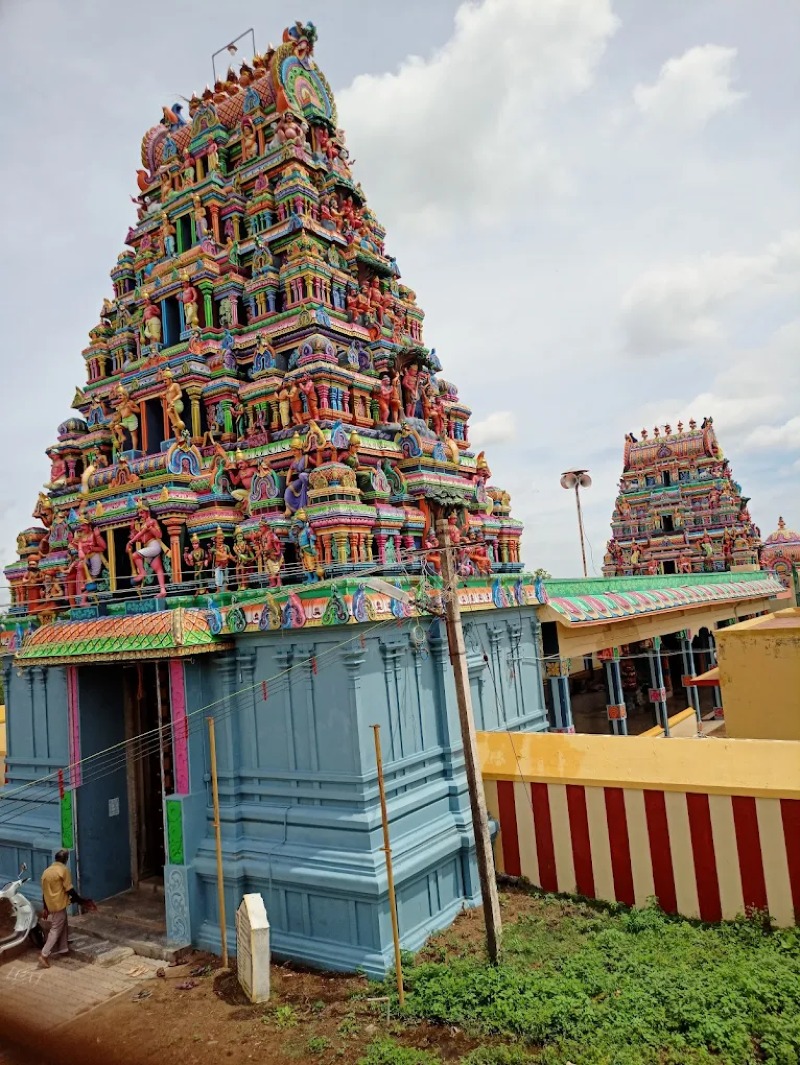
Veerateeswarar temple, Thirupariyalur
Veerateeswarar Temple in Thirupariyalur is an ancient Shaiva shrine where Lord Shiva is worshipped as Veerateeswarar, revered in the 7th-century Tevaram hymns and recognized as…
Uchira Vaneswarar Temple
Uchira Vaneswarar Temple in Tiruvila Nagar, Nagapattinam district, is an ancient Shiva shrine where the deity manifested to aid Saint Tirugnana Sambandar during Cauvery floods.…