Prasat Sa Kamphaeng Noi
About Prasat Sa Kamphaeng Noi
This sanctuary functioned as an arogya-sala—a term denoting both a healing facility and a place of ritual observance. King Jayavarman VII commissioned approximately 102 such structures throughout his realm during the late 12th century, each intended to provide medical care and spiritual support to communities and travelers. The dual purpose shaped the building's design: it served ceremonies and healing practices simultaneously, reflecting the worldview of its time.
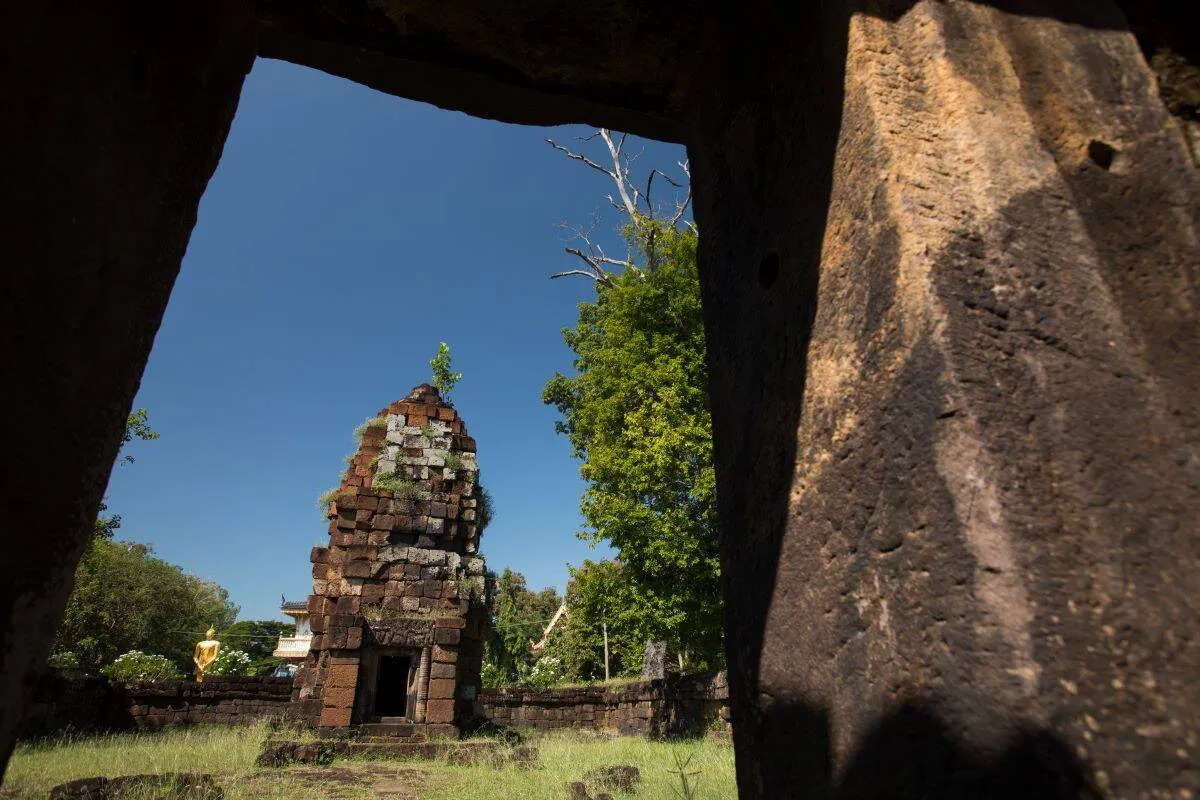
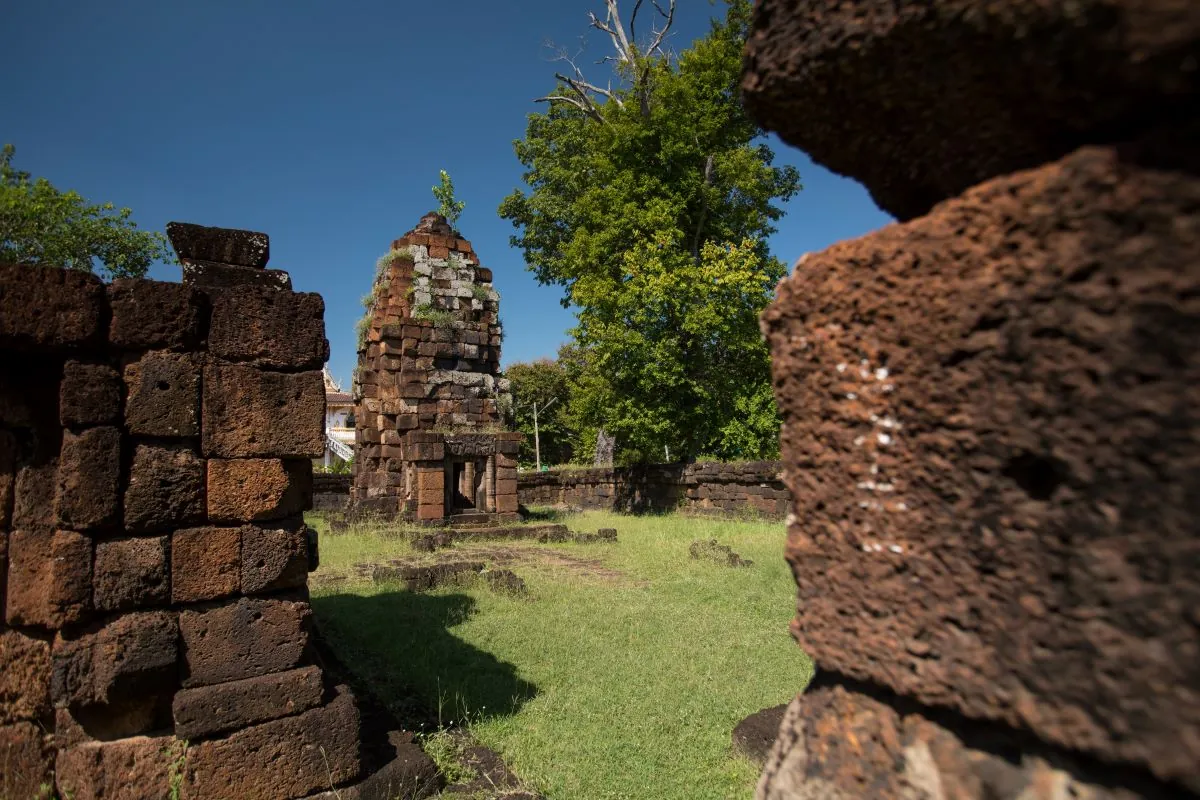
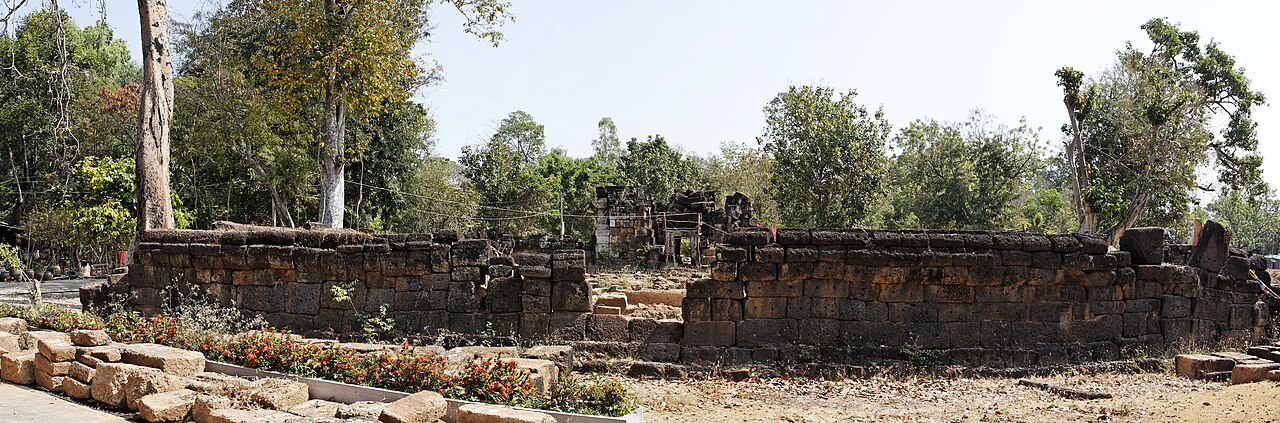
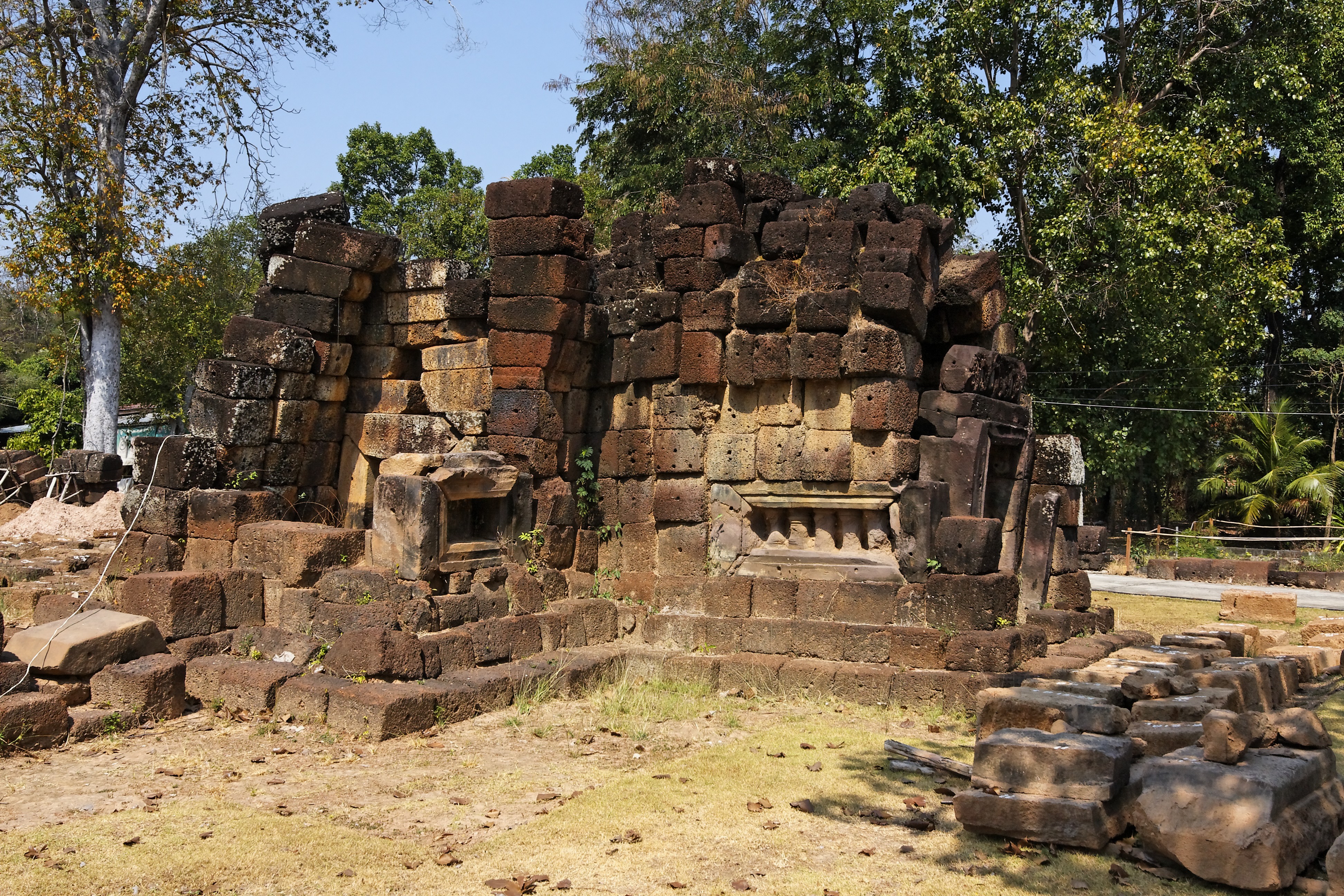
The main sanctuary tower, constructed from stone blocks and sandstone, rises approximately 11 meters and remains substantially intact, though it lacks modern restoration work. Surrounding it are the remnants of a gopura (gateway structure) and stone walls that once enclosed the complex. A large reservoir lies before the sanctuary—water that held ceremonial significance in the Khmer period and continues to do so today, having been used in important state rituals in recent times.
Architecture and Artistic Elements
The sanctuary displays the characteristic features of Khmer stone construction: precisely fitted stone blocks arranged in a pyramidal form, with architectural elements that reflect both Hindu and Buddhist influences. Carved lintels once adorned the entrance, including a notable example depicting Varuna, the deity of waters, seated on a throne supported by three geese—a work of Bayon-period artistry dating to the 16th Buddhist century.
The structure shows evidence of multiple phases of construction and modification. While the main tower retains considerable integrity, the surrounding gopura and walls have deteriorated significantly. The site preserves the essential components of its original design, though systematic restoration remains incomplete. The water reservoir, integral to the sanctuary's function, remains an active feature of the site.
Visiting the Sanctuary
The grounds are open daily from 06:00 to 18:00. The site is modest in scale compared to larger Khmer sanctuaries in the region, making it suitable for a focused visit of an hour or two. A parking area accommodates vehicles, and basic facilities exist within the temple grounds.
Visitors should dress respectfully when entering the temple precinct—covered shoulders and knees are customary. The site remains an active place of Buddhist practice, so maintaining quiet and reverent behavior is appropriate. Photography is generally permitted, though visitors should be mindful of any monks or devotees engaged in practice. The stone surfaces can be uneven, so sturdy footwear is advisable.
The Living Temple
Though the sanctuary itself dates to the Khmer period, it now functions within the context of Wat Thep Prasat, a contemporary Buddhist temple. The site hosts periodic merit-making ceremonies and gatherings, particularly during significant Buddhist observances. The reservoir continues to hold ceremonial importance, and the sanctuary remains a focal point for both local devotion and historical interest.
Visitors may encounter monks on the grounds or observe preparations for ceremonies. The temple community welcomes respectful visitors, and the combination of ancient stone architecture with living Buddhist practice creates a distinctive atmosphere—one where centuries of history remain visibly present.
How to Reach the Site
Prasat Sa Kamphaeng Noi is located in Khayung village, Uthumphon Phisai District, Si Sa Ket Province, Thailand (coordinates: 15.1465, 104.247398). The site is accessible by road; those traveling by vehicle should use these coordinates for navigation. The sanctuary lies within a modest rural area, so advance planning for transportation is advisable. The nearest significant town is Si Sa Ket city, from which local directions can be obtained.
How to reach
Temples near Prasat Sa Kamphaeng Noi
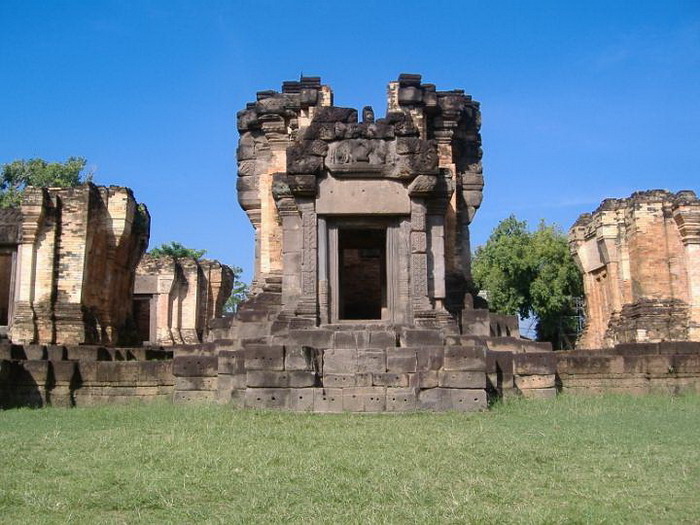
Prasat Kamphaeng Yai
Prasat Sa Kamphaeng Yai is the largest and best-preserved Khmer sanctuary in Sisaket Province, featuring brick prangs on a shared laterite base with thirteen surviving carved sa…
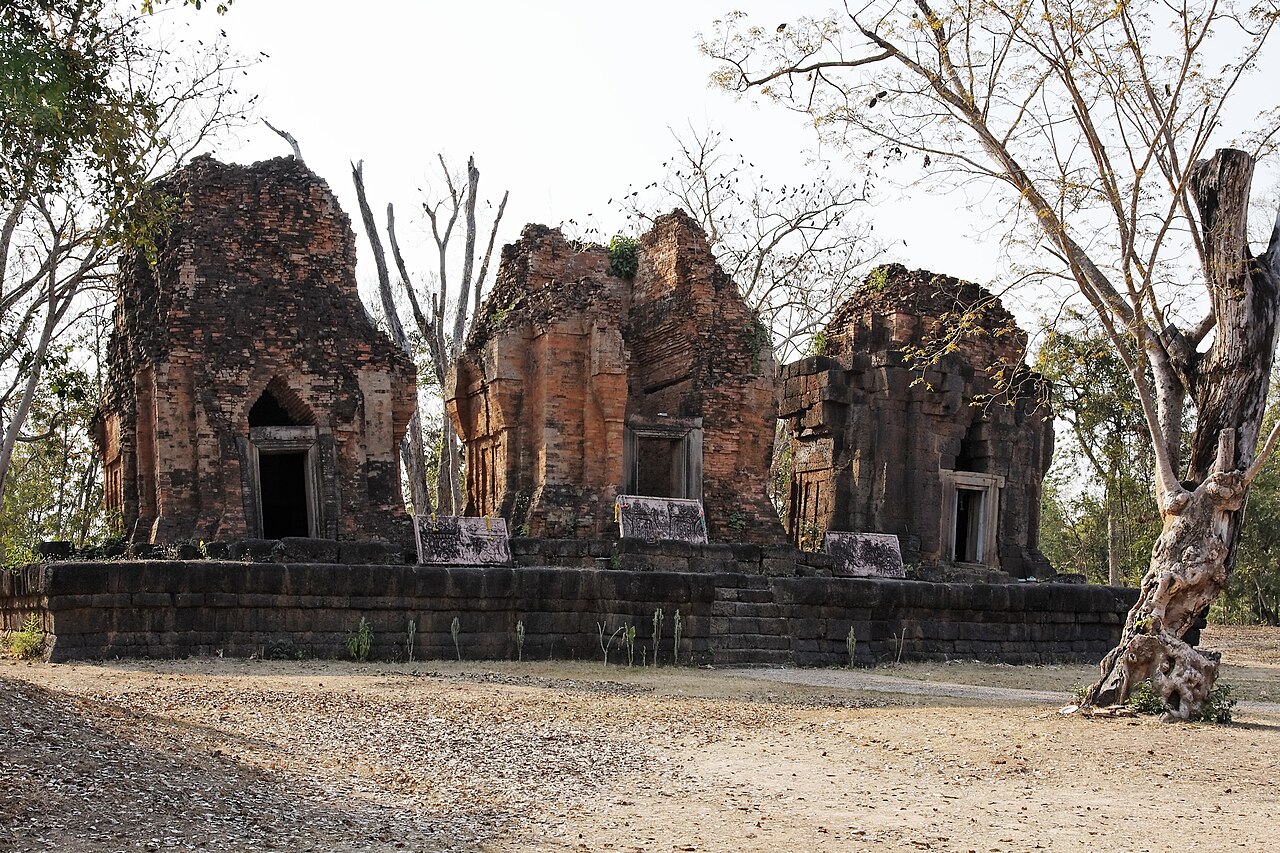
Prasat Prang Ku
Prasat Prang Ku is a 12th-century Khmer hospital chapel built by King Jayavarman VII, one of 102 identical sanctuaries constructed along royal roads to serve travelers and pilgr…
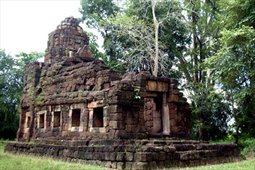
Prasat Ta Leng
Prasat Ta Leng is a single-tower Khmer sanctuary located in Sri Sa Ket Province, northeastern Thailand, featuring a square base with twelve corner posts.
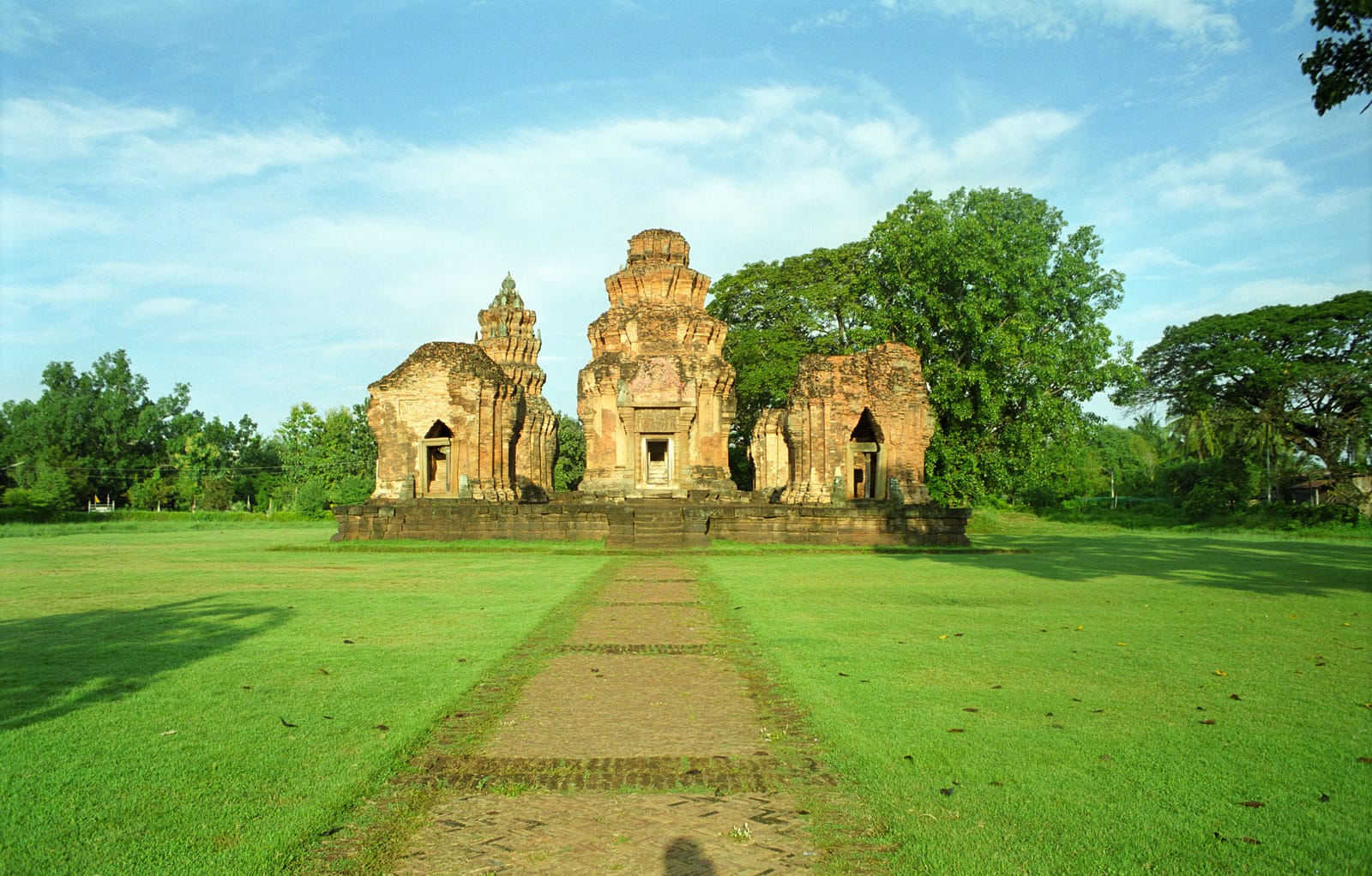
Prasat Sikhoraphum
Prasat Sikhoraphum is a twelfth-century Khmer Hindu temple in Surin featuring five brick towers on a shared laterite base, renowned for its finely carved Shiva Nataraja lintel a…
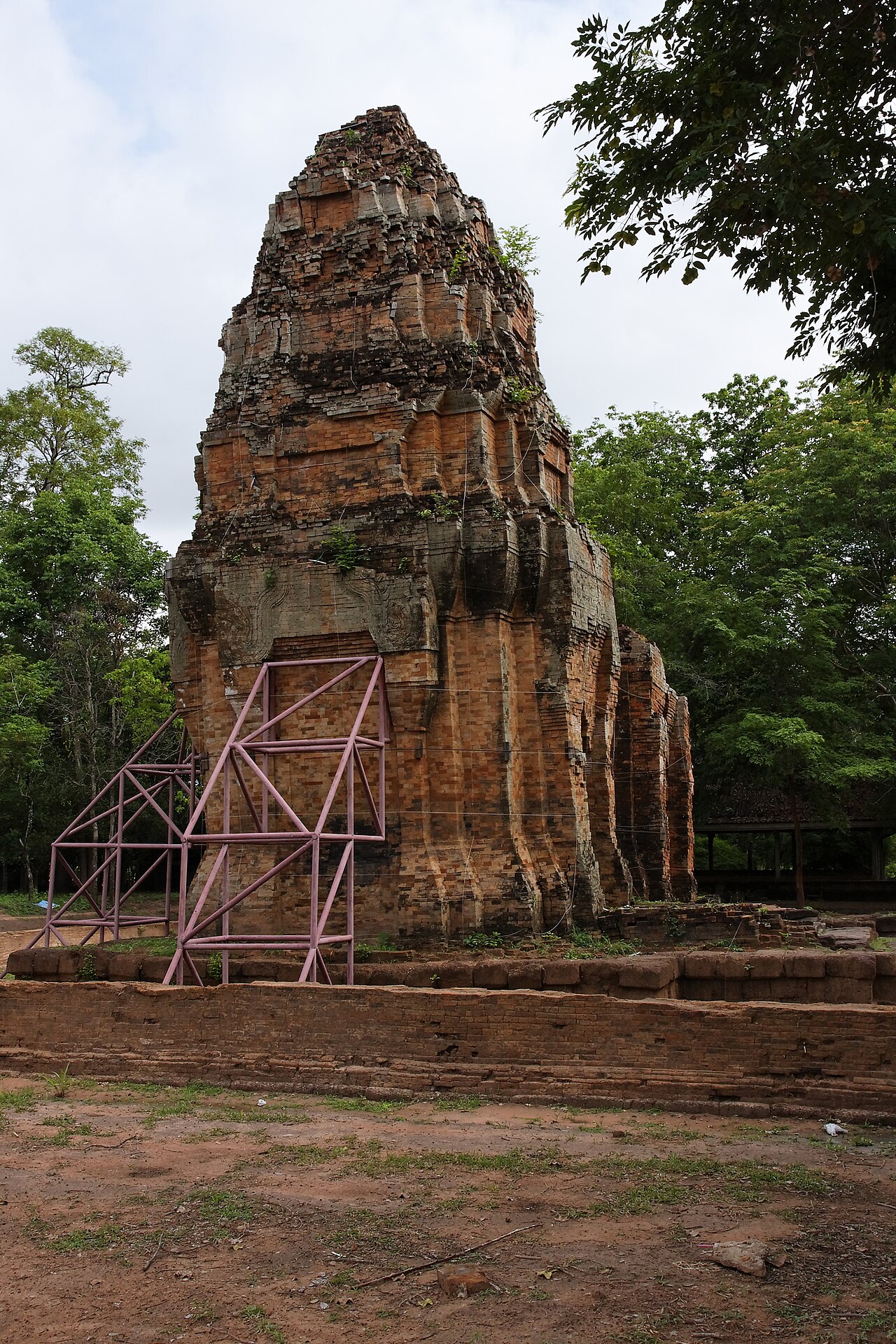
Prasat Yai Nga
Prasat Yai Nga is a Hindu temple located in Ban Chop, Thailand, recognized as a registered Thai historic site.
Prasat Ban Phluang
Prasat Ban Phluang is a small Khmer-style sanctuary located in Ban Phluang village, Surin Province, northeastern Thailand, featuring a single modest shrine structure oriented to…