Prasat Prang Ku
About Prasat Prang Ku
Prasat Prang Ku stands as one of 102 identical sanctuary structures commissioned by King Jayavarman VII along the royal roads of the Khmer empire. Built in the 12th century, these chapels served a dual purpose: they functioned as hospitals offering medical care to travellers and pilgrims crossing the vast Khmer territories, while also serving as spiritual waypoints. The temple's architecture reflects this transitional period in Khmer religious life, when Buddhist patronage was reshaping the empire's sacred landscape alongside existing Hindu traditions.
The site occupies a remote location in Si Sa Ket province, near the Buriram border in Thailand's northeastern Isaan region. Its isolation has preserved it from heavy tourism and commercial development, leaving the temple largely as it has existed for centuries—a genuine archaeological site rather than a polished heritage attraction.
Architecture and Sacred Landscape
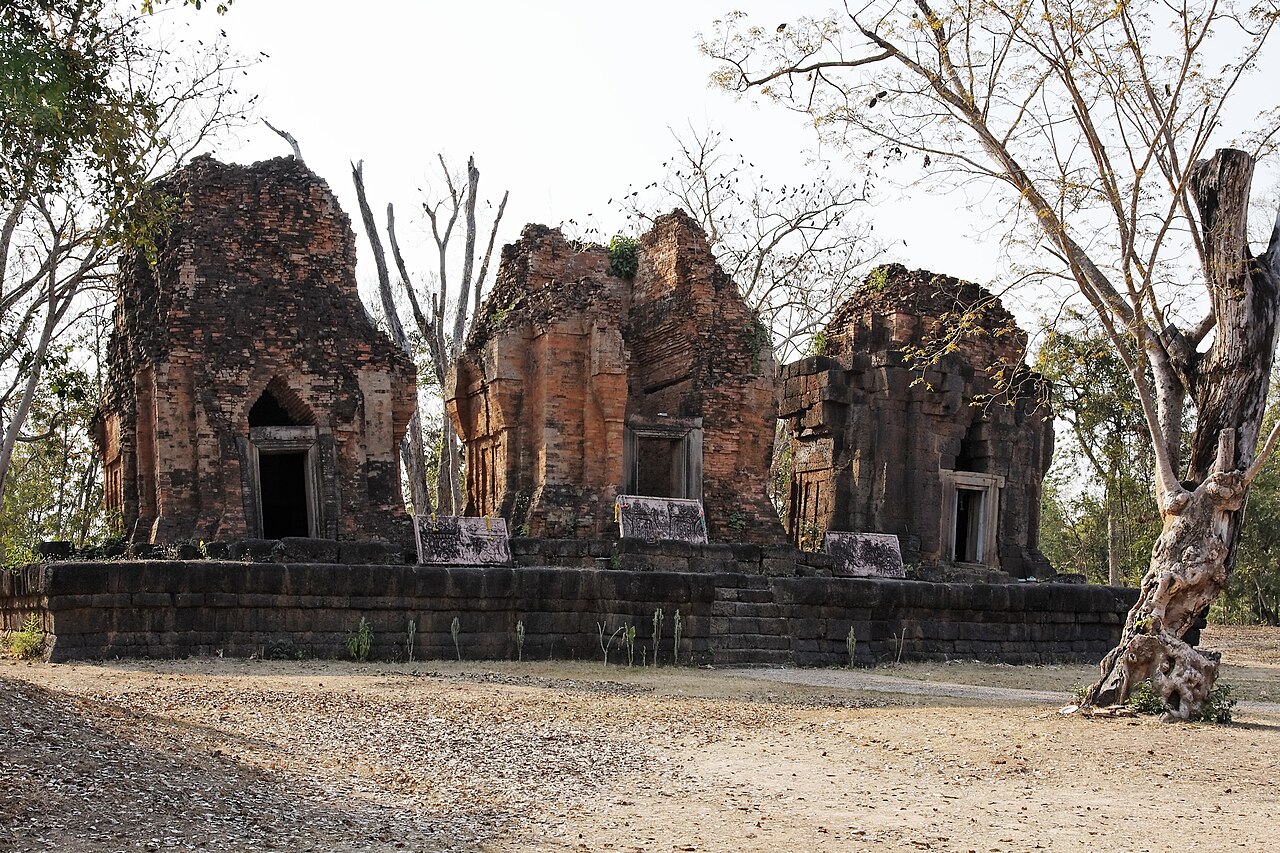
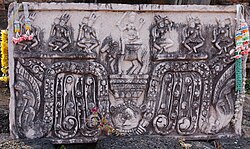
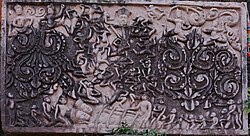
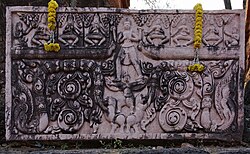
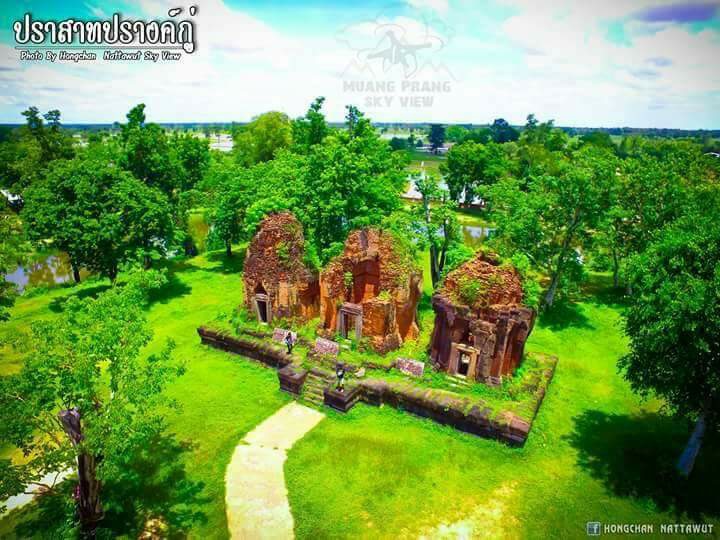
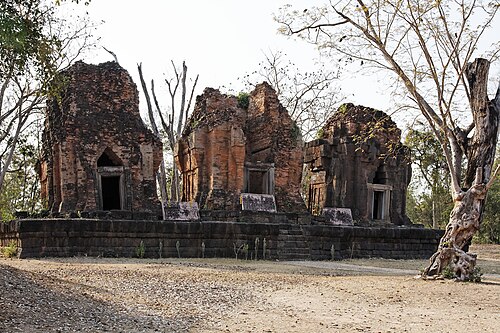
Three laterite and sandstone towers, known as prasats, form the temple's core structure. The builders employed large brick courses in their construction, creating a distinctive appearance among Isaan's Khmer temples. The towers retain carved lintels displaying both Hindu and Buddhist iconography, visual evidence of the religious synthesis that characterised Jayavarman VII's reign.
The temple's setting includes a moat and sacred pond system, partially intact from its original construction. The pond has become home to lotus plants, which bloom seasonally and contribute to the site's contemplative atmosphere. Mature shade trees surround the complex, creating natural shelter and enhancing the meditative quality that visitors often remark upon. The combination of water features, vegetation, and stone architecture creates an environment quite different from the more heavily visited Khmer temples elsewhere in the region.
Visiting Practicalities
The temple opens daily from 08:00 to 17:00 and charges no entrance fee. There are no ticket booths, souvenir vendors, or commercial facilities on site—visitors should come prepared with water and any supplies they may need. The site remains largely undeveloped, which preserves its character but means limited amenities.
Prasat Prang Ku lies approximately 70 kilometres from Si Sa Ket city, accessible by road in around 30 minutes. It can be reached as a standalone visit or incorporated into a broader tour of Khmer temples in the region, positioned conveniently between Buriram and Ubon Ratchathani. The coordinates are 14.854708, 103.983536 for those using GPS navigation. Visitors should wear respectful clothing appropriate for a sacred site—covered shoulders and knees are customary when visiting temples in Thailand.
The Khmer Temple Circuit
This temple forms part of the broader network of Khmer sanctuaries scattered across northeastern Thailand, each representing different periods and architectural styles. Prasat Prang Ku's particular significance lies in its role as a functional waystation rather than a grand ceremonial centre. Unlike the monumental Phanom Rung or the intricately designed Mueang Tam, this chapel was built for practical service to travellers—a reminder that Khmer architectural ambition extended beyond royal capitals to the infrastructure of empire.
The site's remoteness and minimal visitor numbers distinguish it sharply from more famous Khmer temples. Those seeking to experience a Khmer sanctuary without crowds or modern infrastructure will find Prasat Prang Ku offers an unusually authentic encounter with 12th-century stone and landscape.
What to Expect
Visitors often find themselves alone or nearly alone at the site, a rarity among significant archaeological temples. The lotus-filled moat, shade trees, and absence of other tourists create conditions for quiet observation and photography. The carved lintels reward close examination, though their details have weathered considerably over eight centuries.
The site's lack of commercial development means there are no restaurants, shops, or rest facilities. Plan accordingly with water, sun protection, and any provisions needed for your visit. The open hours of 08:00–17:00 allow flexibility in timing, though early morning or late afternoon visits may offer the best light for photography and the coolest temperatures.
How to reach
Temples near Prasat Prang Ku
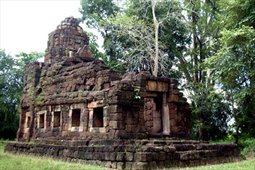
Prasat Ta Leng
Prasat Ta Leng is a single-tower Khmer sanctuary located in Sri Sa Ket Province, northeastern Thailand, featuring a square base with twelve corner posts.
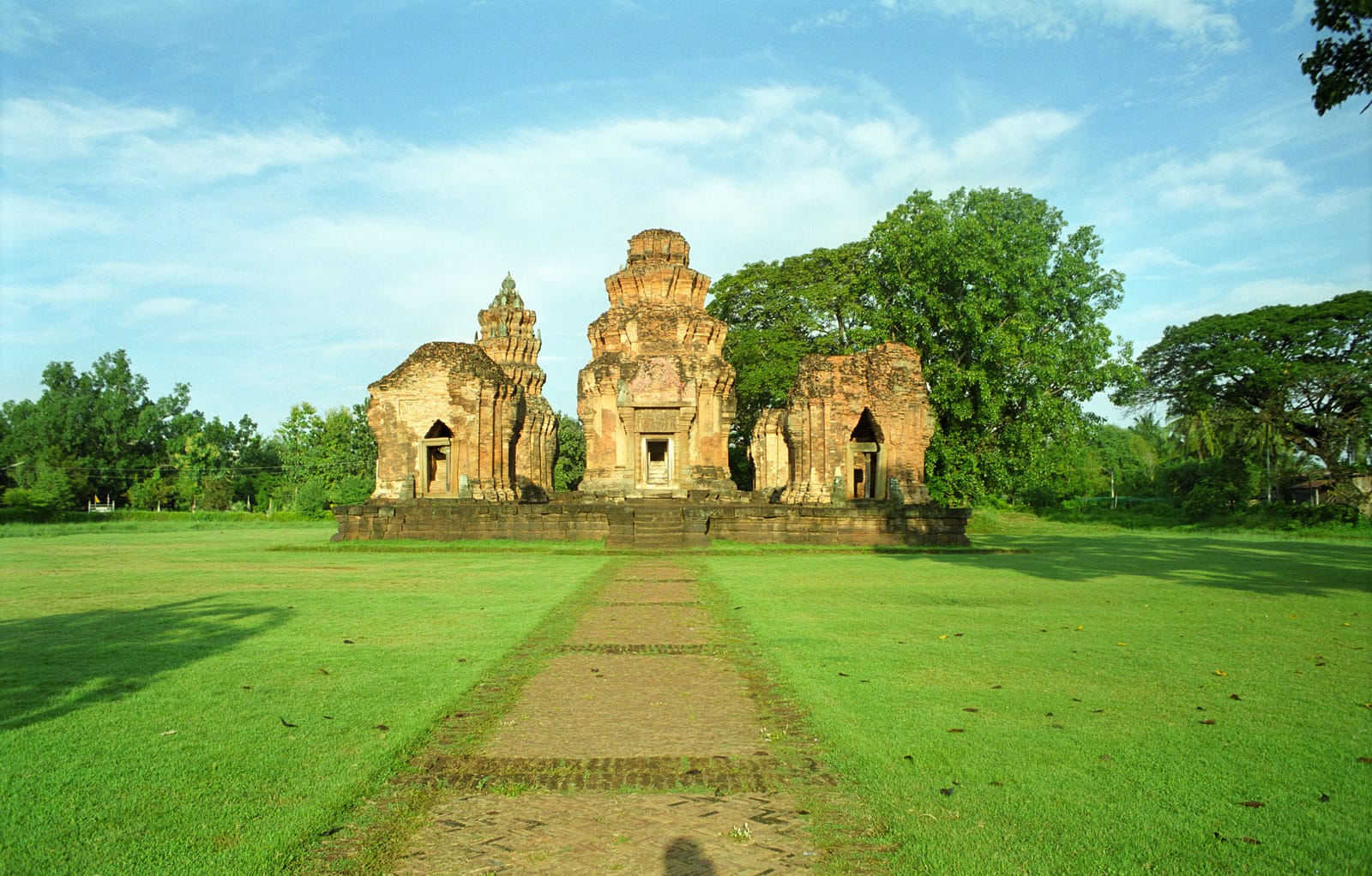
Prasat Sikhoraphum
Prasat Sikhoraphum is a twelfth-century Khmer Hindu temple in Surin featuring five brick towers on a shared laterite base, renowned for its finely carved Shiva Nataraja lintel a…
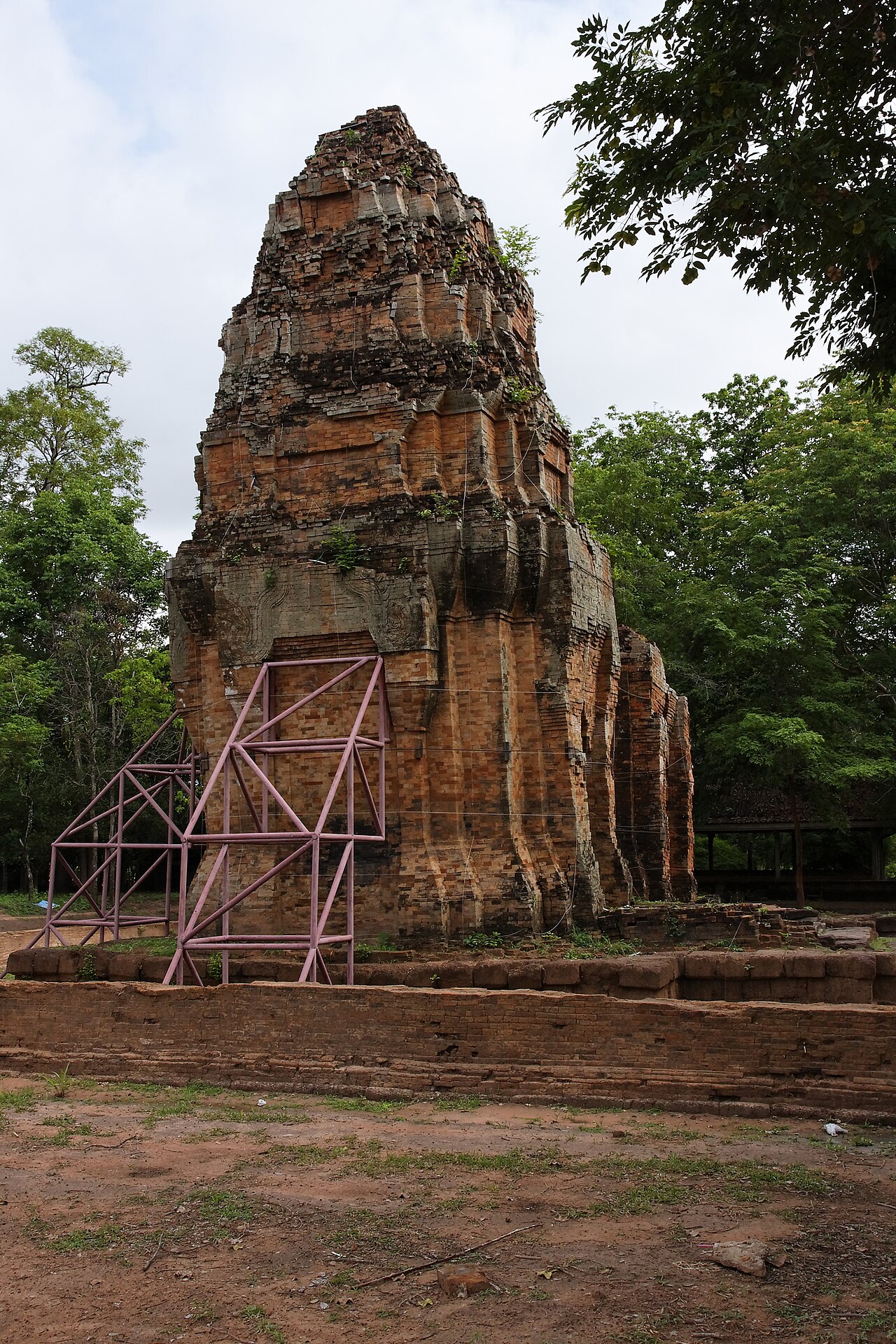
Prasat Yai Nga
Prasat Yai Nga is a Hindu temple located in Ban Chop, Thailand, recognized as a registered Thai historic site.
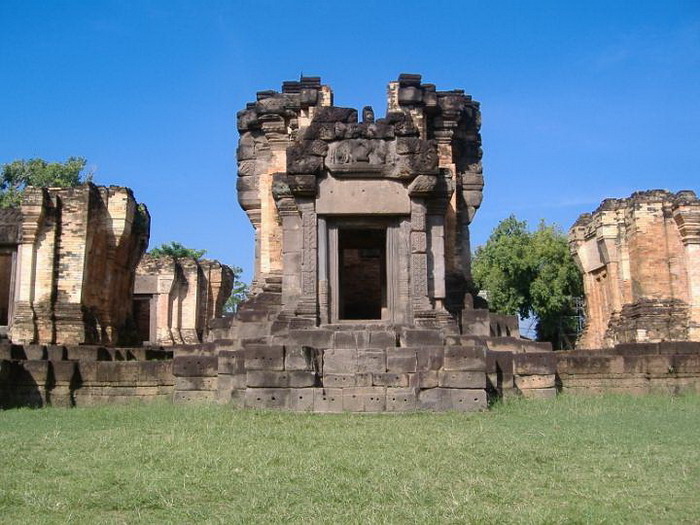
Prasat Kamphaeng Yai
Prasat Sa Kamphaeng Yai is the largest and best-preserved Khmer sanctuary in Sisaket Province, featuring brick prangs on a shared laterite base with thirteen surviving carved sa…
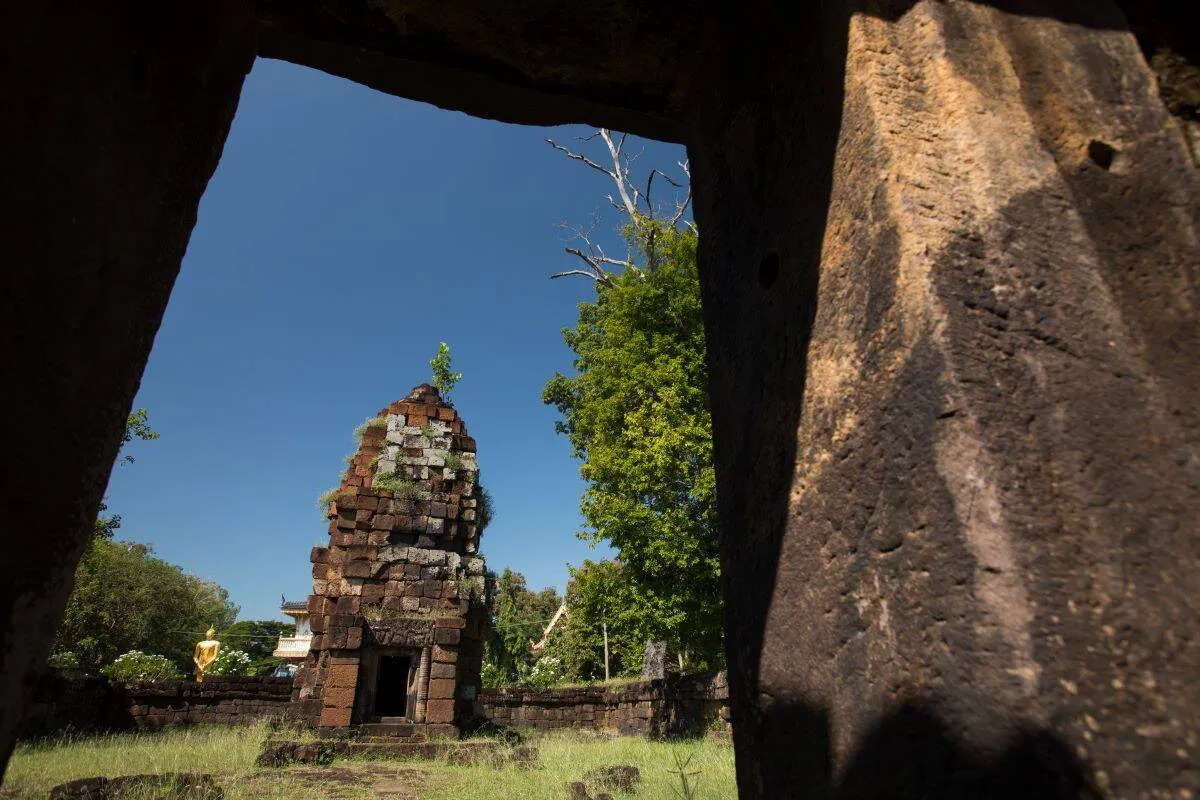
Prasat Sa Kamphaeng Noi
Prasat Sa Kamphaeng Noi is an ancient Khmer stone sanctuary built during the reign of King Jayavarman VII in the 12th century, originally functioning as an arogya-sala (hospital…
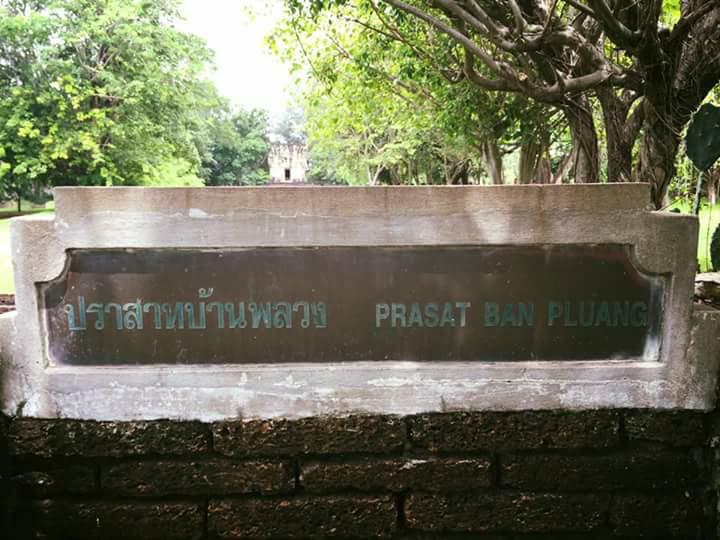
Prasat Ban Phluang
Prasat Ban Phluang is a small Khmer-style sanctuary located in Ban Phluang village, Surin Province, northeastern Thailand, featuring a single modest shrine structure oriented to…