
Places of worship in Ernakulam
About Places of worship in Ernakulam
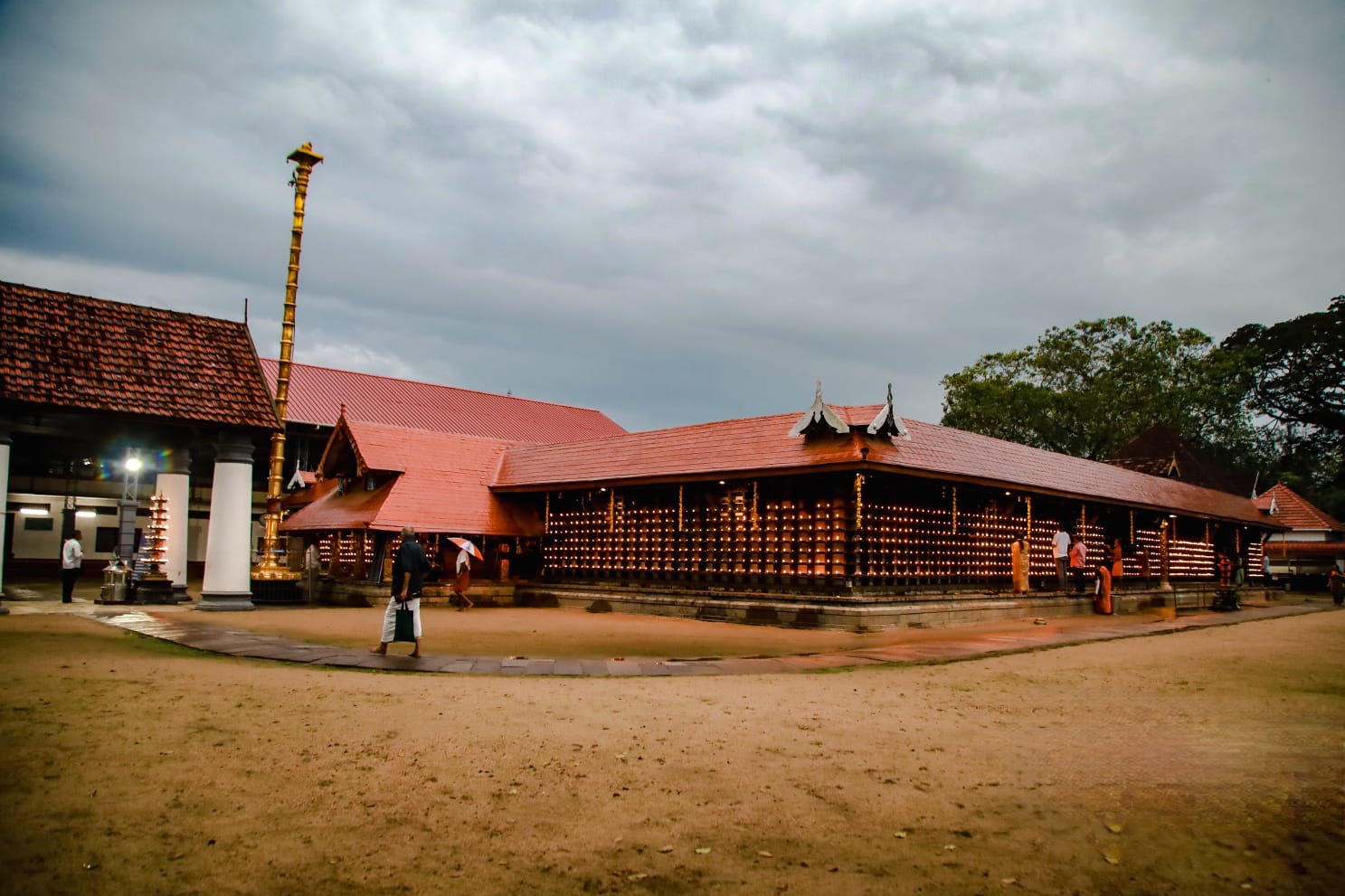
The temple's present structure dates to 1846, when it was established under the patronage of Diwan Sri Edakkunni Sankara Warrier. His support elevated the shrine to the status of a royal temple within the Kochi Kingdom. This founding marks the beginning of the temple as a formally recognized place of worship with institutional backing.
Today, the Cochin Devaswam Board administers the temple, overseeing its maintenance and the continuation of religious observances. This administrative structure ensures the temple's upkeep and the preservation of its daily rituals and festivals.
Daily Worship and Darshan
The temple operates on two darshan schedules to accommodate different patterns of worship. Standard darshan runs from 11:00 AM to 4:00 PM, while extended darshan begins at 3:30 AM and continues until 8:00 PM. The early morning hours, particularly from 3:30 AM onwards, offer quieter conditions for those seeking a more contemplative approach to worship.
Darshan—the act of viewing and receiving the blessings of the deity—forms the core of a visitor's experience. The sanctum and gopuram (temple tower) remain the focal points of devotion. Visitors should allow adequate time for circumambulation of the shrine during their visit, a practice that deepens engagement with the sacred space.
Festivals Throughout the Year
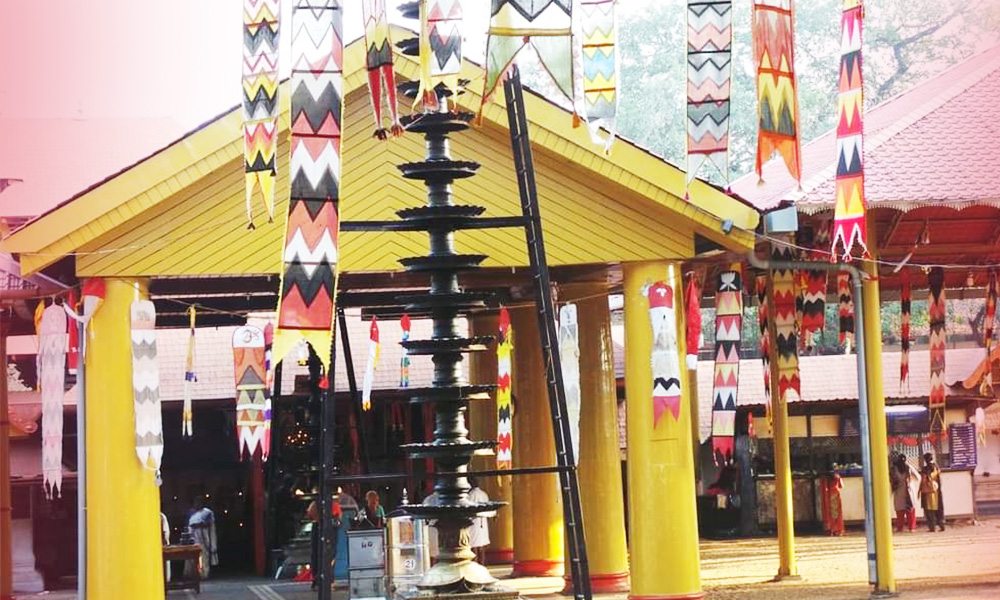
The temple observes several significant festivals that draw larger congregations and bring enhanced decoration to the shrine. Diwali, celebrated in November, and Kartik Purnima in late November mark important occasions for heightened devotion. Hanuman Jayanti in April commemorates the birth of Hanuman and attracts devotees. The temple also celebrates Maha Shivratri, a major observance for Shiva temples across India.
Uthsavom, celebrated during the Makaram month, holds particular importance in the temple's annual cycle. During festival periods, visitors should confirm exact dates and any variations to regular darshan hours directly with the temple, as schedules may shift during these observances. Festival visits offer an opportunity to experience the temple's community dimension, though they also mean larger crowds and potentially modified access to the sanctum.
Etiquette and Conduct for Visitors
Visitors entering the temple should remove their shoes before approaching the sanctum, a customary practice in Kerala temples. Respectful conduct throughout the temple grounds is expected at all times. Modest dress is required; visitors should cover shoulders and knees as a mark of respect to the sacred space and the deity.
The temple accepts donations from devotees to support daily operations, maintenance, and charitable activities including Annadhanam, the offering of community meals to devotees. Those wishing to participate in specific pujas or make particular offerings should inquire at the temple office regarding available options and procedures.
Location and How to Reach
Ernakulam Shiva Temple is situated at Durbar Hall Ground in Kochi's city centre, making it accessible by road from various parts of the city. The precise coordinates—9.96852778°N, 76.28244444°E—can be entered into mapping applications for navigation. The temple's central location means it is reachable by local transport, though visitors should allow time for their approach and worship.
The temple's setting near the backwaters adds to its distinctive character within the urban landscape. Visitors planning their trip should note that the temple remains open daily, with the earliest darshan opportunity beginning at 3:30 AM for those who prefer quieter morning hours.
How to reach
You may also visit
Sureshwari Devi Temple
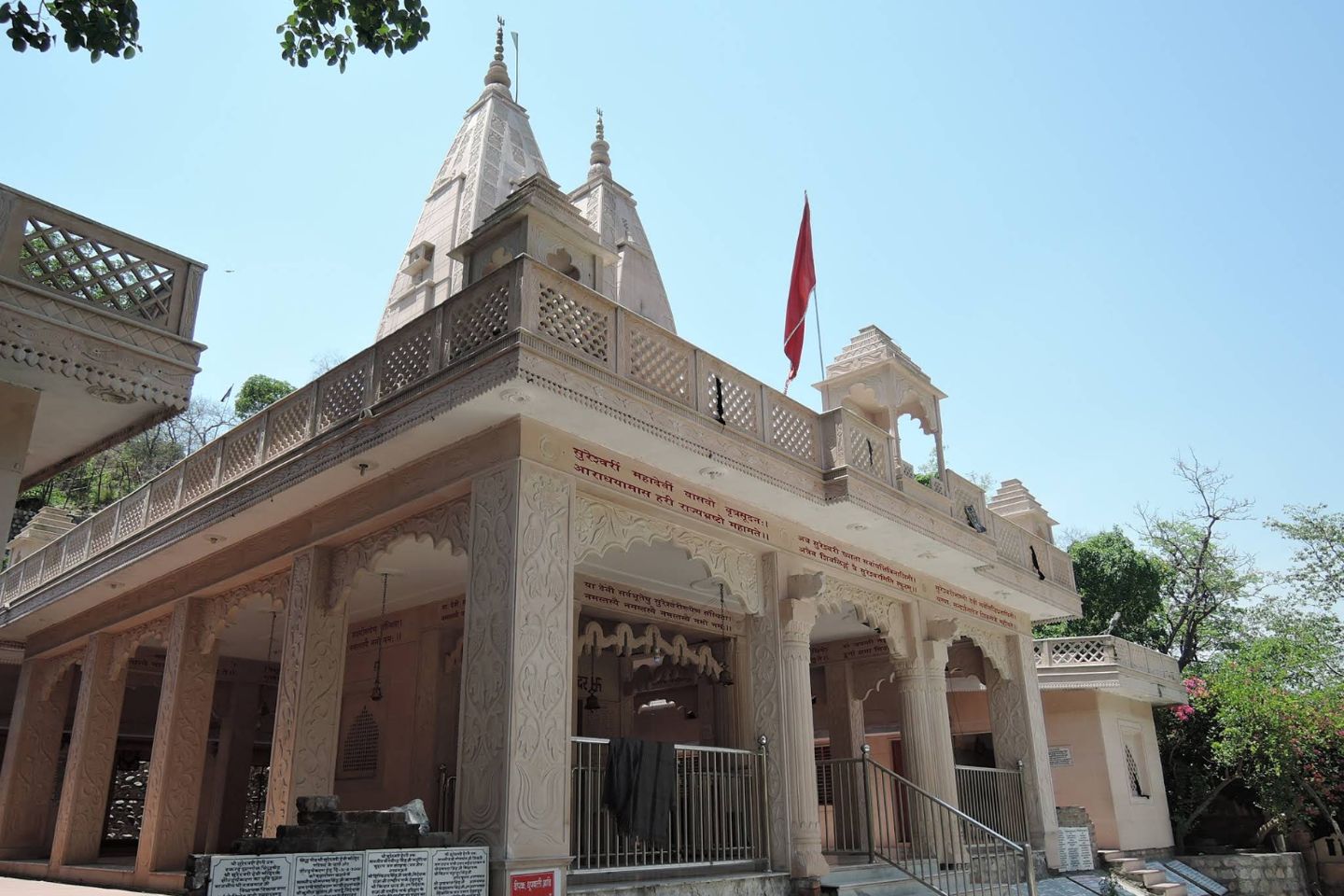
Sureshwari Devi Temple in Haridwar is a forest shrine dedicated to the goddess, situated within the Ranipur Range area near Rajaji National Park, offering a secluded spiritual e…
Agatheeswarar Temple, Karur
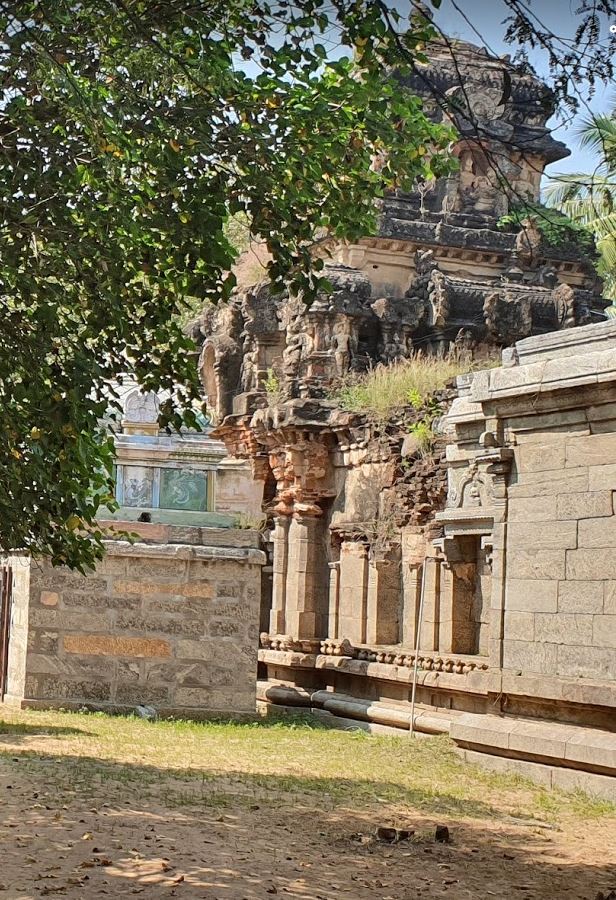
Agatheeswarar Temple in Thirumukkudalur, Karur district, is an ancient Hindu shrine dedicated to Shiva, situated at the sacred confluence of three rivers and believed to be over…

Shani Shingnapur
Shani Shingnapur is a renowned temple in Maharashtra dedicated to Lord Shani, featuring a self-emerged black stone idol worshipped under open sky. The temple is located in a uni…
Salasar Balaji Temple
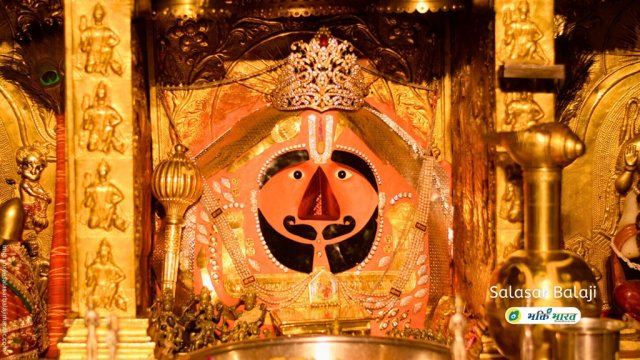
Salasar Balaji Temple in Churu district, Rajasthan, is a revered shrine dedicated to Lord Hanuman, distinguished by its unique depiction of the deity with a round face, beard, a…
Kamaksha
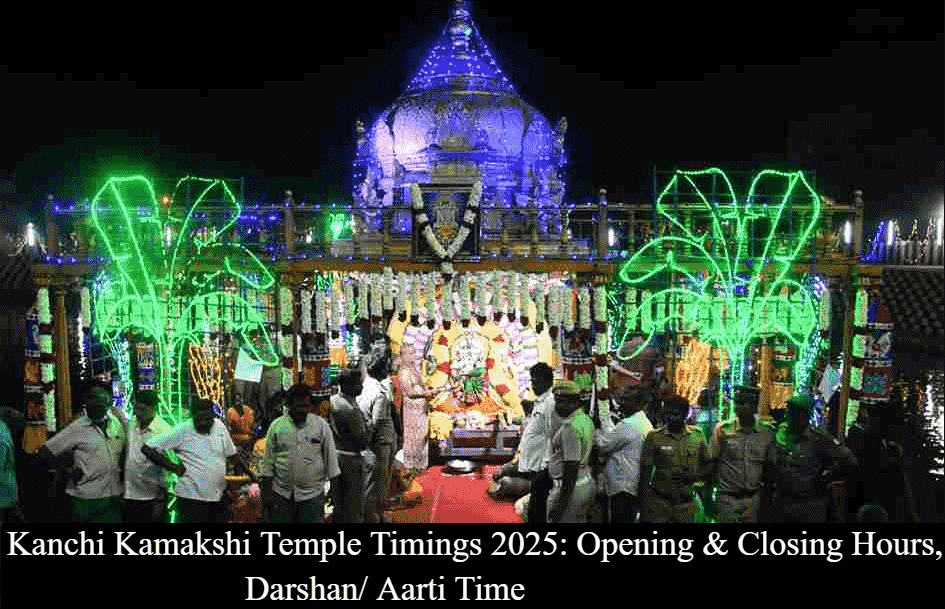
Arulmigu Kamakshi Amman Temple in Mangadu, near Chennai, is dedicated to the goddess Kamakshi, an aspect of Adi Parashakti. According to legend, the goddess performed austeritie…
Trilokinath Temple at Tunde
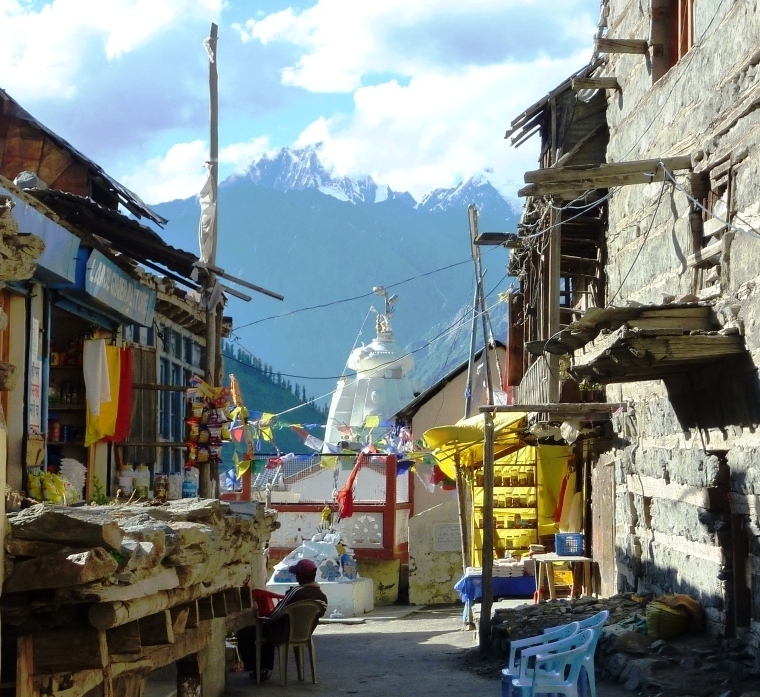
The Trilokinath Temple in Tunde is an ancient shrine venerated by both Hindus and Buddhists, situated at 2,760 metres in the Lahul and Spiti District of Himachal Pradesh. Hindus…