Pindara Temple
About Pindara Temple
Pindara Temple is situated in Pindara village, approximately 6.5 kilometres from Jind in Haryana. The temple lies in the plains of northern India, in a region with road connections to the district town. Visitors travelling to the temple should plan their route via Jind, which serves as the nearest significant settlement. The exact road conditions and public transport options to reach Pindara village from Jind are best confirmed locally, as detailed travel infrastructure information is not documented in available sources.
About the Temple
The temple at Pindara, also known as Pandu Pindara, stands as a place of worship in rural Haryana. Beyond its location and name, limited historical documentation is available regarding its founding, architectural style, or the specific traditions maintained there. The temple represents one of many Hindu places of worship distributed across Haryana's villages, serving the spiritual needs of local devotees and visitors from surrounding areas. Those seeking detailed information about the temple's history, the primary deity worshipped, or its architectural features are advised to contact local sources or visit in person to speak with temple authorities.
Visiting the Temple
Visitors to Pindara Temple should dress modestly, as is customary at Hindu temples. Footwear is typically removed before entering the inner sanctum. It is advisable to check locally regarding specific timings for darshan and any rituals performed at the temple, as these details are not recorded in available sources. Visitors should approach the temple with respect for ongoing worship and the devotional practices of those present.
The temple likely follows the general practice of Hindu temples in offering darshan—an opportunity for devotees to view the deity—though the specific hours and any special observances at Pindara Temple should be confirmed upon arrival or through local inquiry. Photography policies and any restrictions on entry to certain areas should be respected as directed by temple staff.
Practical Information
Facilities at the temple are not documented in available sources. Visitors should come prepared with water and any personal necessities, and should not assume the availability of amenities. The village setting suggests limited commercial infrastructure nearby, so planning accordingly is recommended. Those with specific accessibility needs should inquire ahead with local contacts if possible.
The nearest town of Jind may offer accommodation and dining options for visitors who do not live locally. Arrangements for lodging should ideally be made in advance, particularly if visiting during significant religious occasions when more devotees may be present.
Respectful Conduct
As with all Hindu temples, visitors should maintain a respectful demeanor within the sacred space. This includes speaking quietly, avoiding disturbance to those engaged in prayer, and following any instructions given by temple authorities. Offerings made at temples are typically monetary donations placed in collection boxes or given directly to temple staff; visitors wishing to make an offering should do so according to their means and inclination.
How to reach
You may also visit
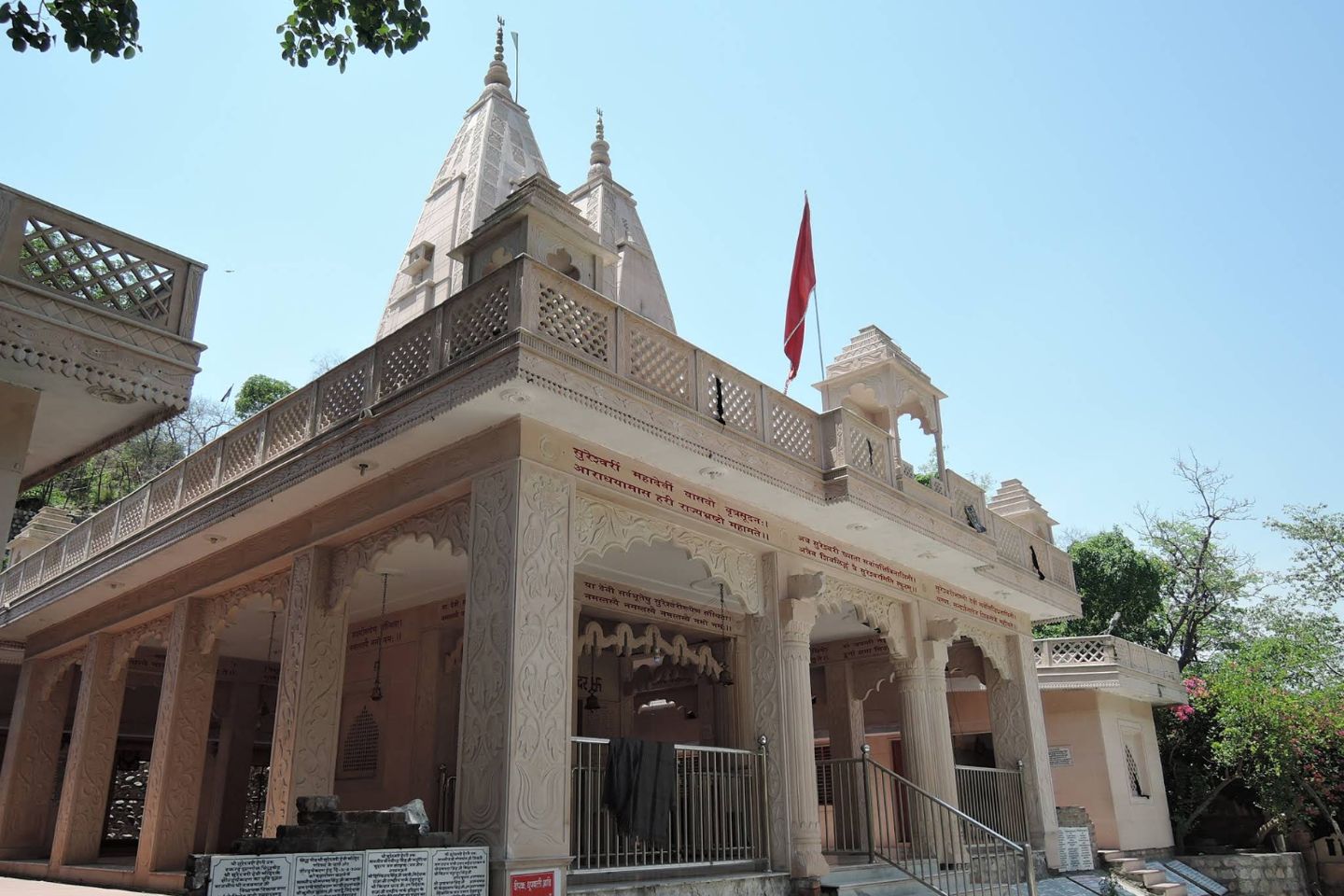
Sureshwari Devi Temple
Sureshwari Devi Temple in Haridwar is a forest shrine dedicated to the goddess, situated within the Ranipur Range area near Rajaji National Park, offering a secluded spiritual e…
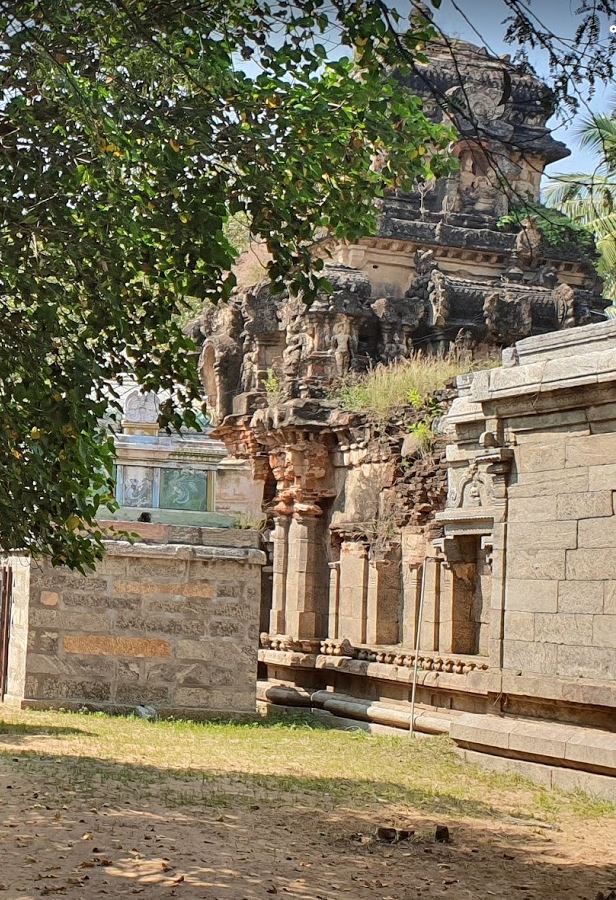
Agatheeswarar Temple, Karur
Agatheeswarar Temple in Thirumukkudalur, Karur district, is an ancient Hindu shrine dedicated to Shiva, situated at the sacred confluence of three rivers and believed to be over…

Shani Shingnapur
Shani Shingnapur is a renowned temple in Maharashtra dedicated to Lord Shani, featuring a self-emerged black stone idol worshipped under open sky. The temple is located in a uni…
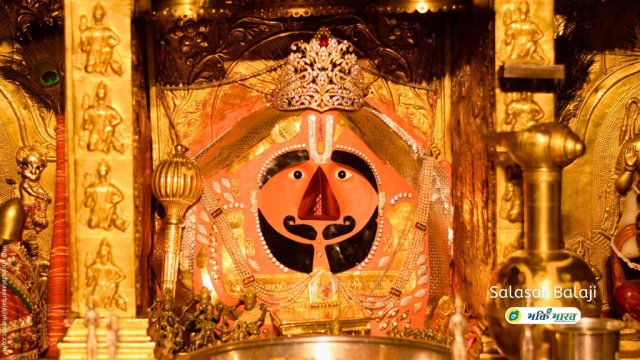
Salasar Balaji Temple
Salasar Balaji Temple in Churu district, Rajasthan, is a revered shrine dedicated to Lord Hanuman, distinguished by its unique depiction of the deity with a round face, beard, a…
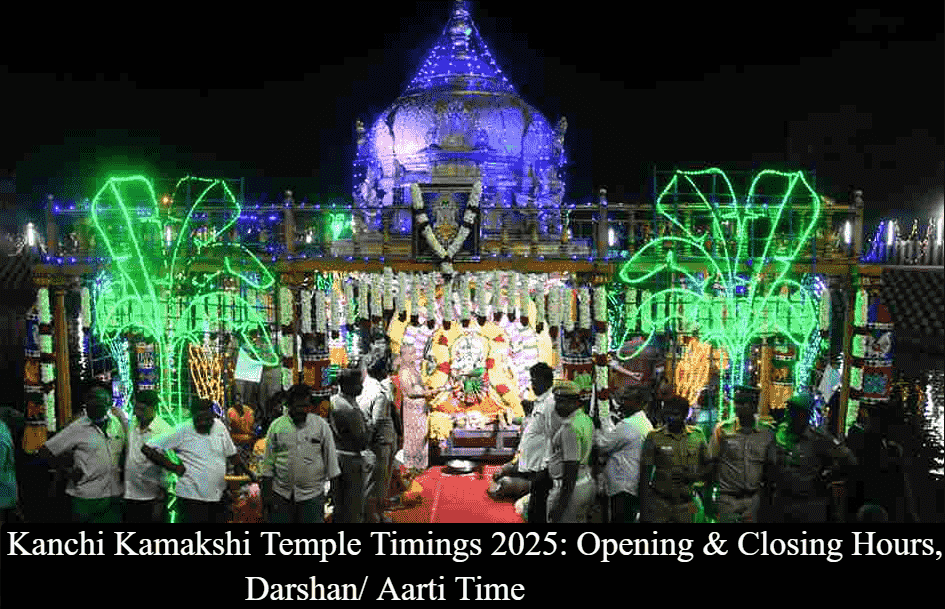
Kamaksha
Arulmigu Kamakshi Amman Temple in Mangadu, near Chennai, is dedicated to the goddess Kamakshi, an aspect of Adi Parashakti. According to legend, the goddess performed austeritie…
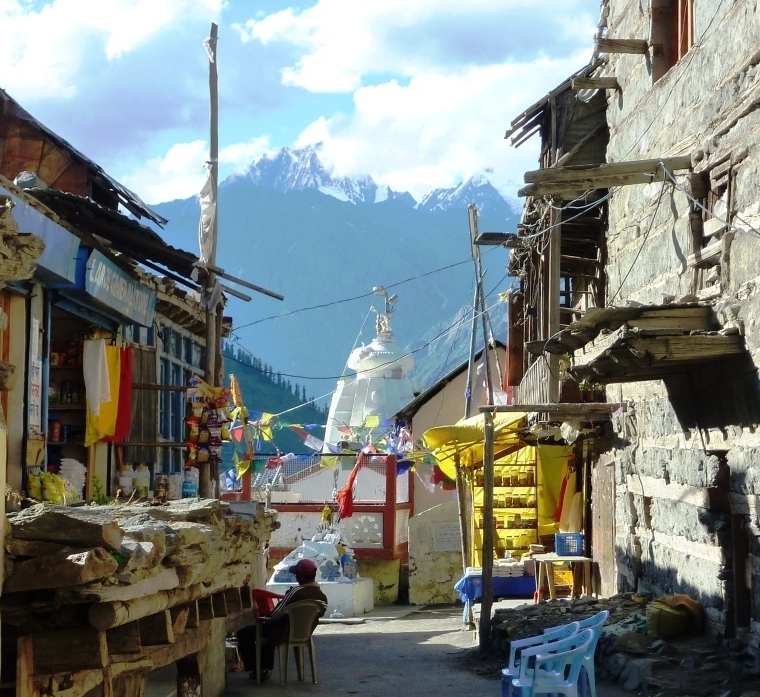
Trilokinath Temple at Tunde
The Trilokinath Temple in Tunde is an ancient shrine venerated by both Hindus and Buddhists, situated at 2,760 metres in the Lahul and Spiti District of Himachal Pradesh. Hindus…