


Parimala Ranganatha Perumal Temple
About Parimala Ranganatha Perumal Temple
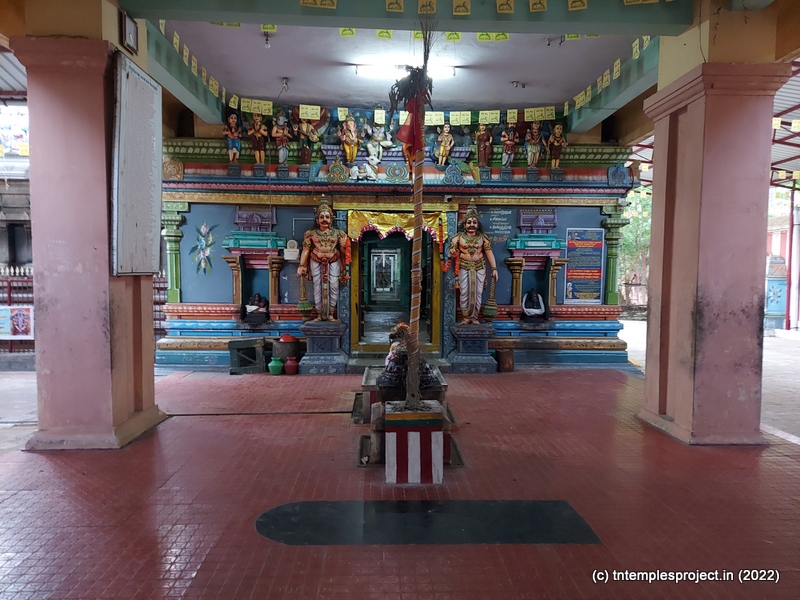
This temple belongs to the Pancharanga Kshetrams, a group of five great Ranganatha temples positioned along the Kaveri River's course. According to tradition, Vishnu agreed to manifest in five reclining forms at these sacred sites after being requested by Brahma to remain present on earth. Indhaloor holds the second position in this puranic sequence. While Srirangam houses the most monumental of these reclining forms, the Ranganatha at Indhaloor presents the deity at a more intimate scale, allowing devotees a closer proximity to the sacred image. The temple's location along the Kaveri connects it to the river's spiritual geography, a feature central to the sanctity of Pancharanga temples throughout Tamil Nadu.
Daily Worship and Darshan Hours
The temple maintains a structured rhythm of worship across two daily darshan periods. Morning darshan opens at 6:30 and continues until 11:30, followed by an afternoon closure during the hottest hours—a common practice among South Indian temples. Evening darshan resumes at 5:00 p.m. and extends to 8:30 p.m. Four daily aartis mark the worship cycle: Suprabhatham, the dawn ritual, begins at 7:00; Madhyana Pooja occurs at 11:30; Sandhya Aarati takes place at 6:30 p.m.; and Ardha Jamam concludes the day's worship at 8:00 p.m. Morning worship typically draws the most elaborate ceremonies and larger congregations of devotees. Visitors should note that festival days may alter these timings, making it advisable to contact the temple office at +91-4364-223330 before traveling to confirm current schedules.
Festivals Through the Year
The temple observes a full lunar calendar of festivals aligned with Hindu tradition. Two major celebrations draw particular devotional focus: the Aipasi Thula Brahmmotsav, a ten-day festival occurring in October-November, and the Margazhi Vaikunda Ekadasi, observed for twenty days in December-January. The latter reflects the temple's connection to Ekadasi fasting practices, central to Vishnu worship, in which devotees abstain from grains on the eleventh lunar day. Additional festivals include Sri Andal Aadi Pooram in July-August, Thayar Navarthri Utsav in September-October, Thai Makar Sankranthi around January 14, and Panguni Brahmmotsav in March. The temple also marks the Tamil new year with a procession on the first day of Chithirai, typically coinciding with April 14.
Planning Your Visit: Timing, Dress, and Etiquette
October through January offers the most comfortable season for visiting, with cooler temperatures and the added benefit of major festivals during this period. Modest dress is customary; clothing covering shoulders and knees shows respect for the sacred space. Visitors typically remove footwear before entering the inner sanctum, though outer courtyards may permit shoes—it is wise to confirm current protocols upon arrival. Allow adequate time for worship and circumambulation of the temple complex. Since timings vary on festival days, confirming details with the temple office before your journey is recommended.
How to Reach the Temple
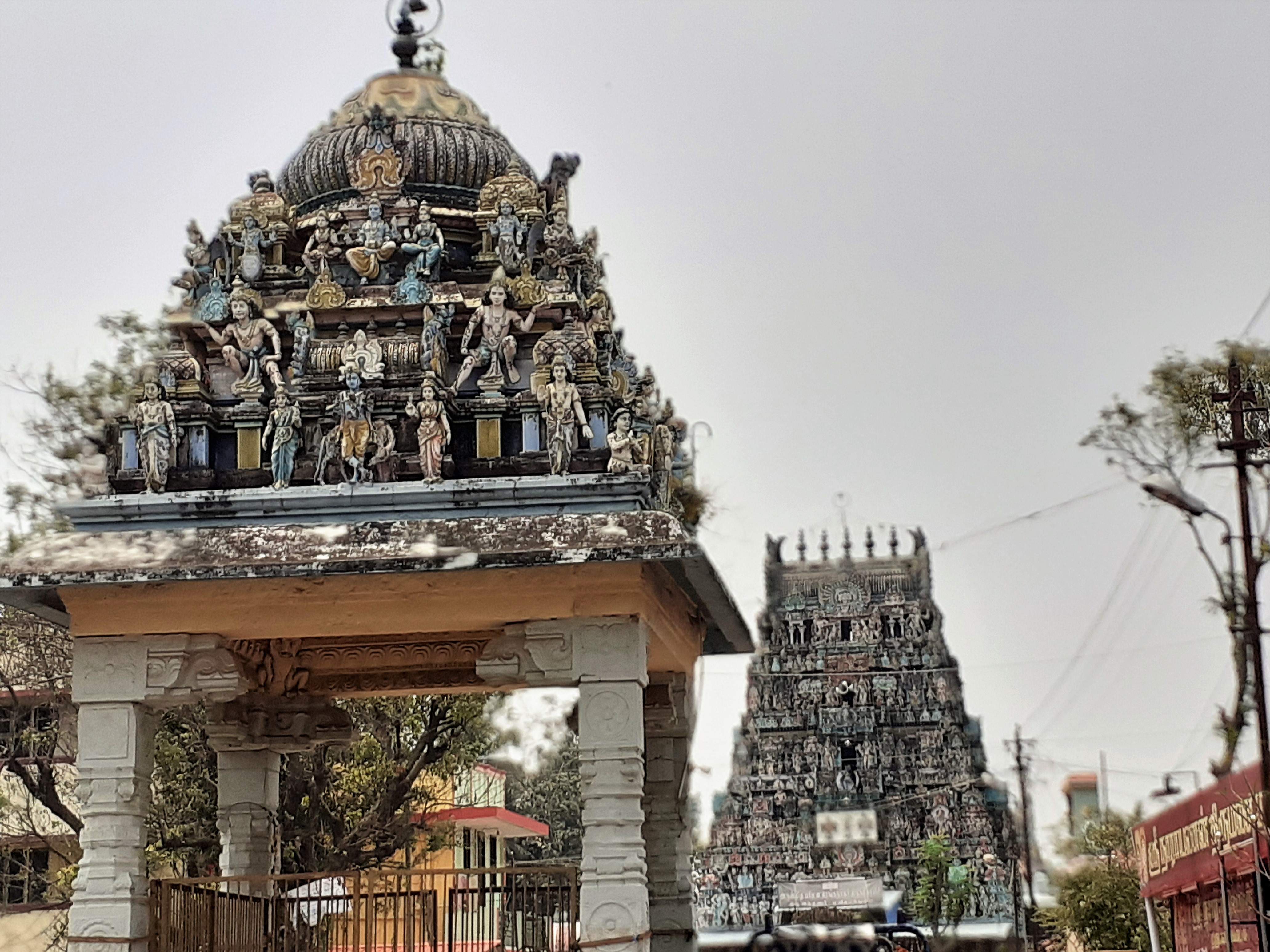
The temple is located at coordinates 11.10944444°N, 79.64722222°E in Tiru Indalur, Nagapattinam District, Tamil Nadu. Mayiladuthurai serves as the nearest town with road and rail connections. The five-tiered rajagopuram (temple tower) provides a clear landmark for orientation once you arrive in the area. The temple address is Sri Parimala Ranganathar Temple, Tiru Indalur, Nagapattinam District, Tamil Nadu. For directions and inquiries, the temple office can be reached at +91-4364-223330.
How to reach
Temples near Parimala Ranganatha Perumal Temple
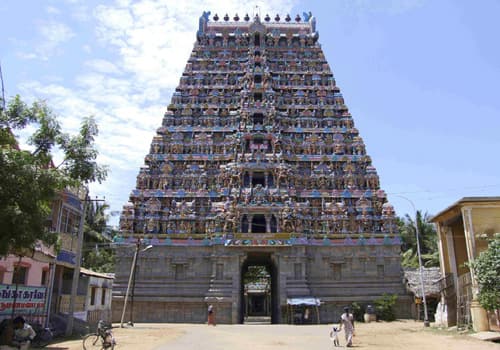
Mayiladuthurai Vatharanyaswarar Temple
Mayuranathaswami Temple in Mayiladuthurai is an ancient Shiva shrine on the Cauvery's southern bank, celebrated in Thevaram hymns for its distinctive peacock motif and classical…

Koorainadu Punukeeswarar Temple
Koorainadu Punukeeswarar Temple is a 17th-century Shiva shrine in Mayiladuthurai, Tamil Nadu, where devotees worship Lord Punukeeswarar through daily rituals following the Karna…
Mayiladuthurai Aiyaarappar Temple
Mayuranathaswamy Temple in Mayiladuthurai is an ancient Shiva shrine where the presiding deity appears as a lingam, believed to have been worshipped by Parvathi in the form of a…

Mayuranathaswami Temple, Mayiladuthurai
Mayuranathaswami Temple in Mayiladuthurai is an ancient Shiva shrine on the Cauvery River's banks, where the deity is worshipped in the form associated with a peacock, and Godde…
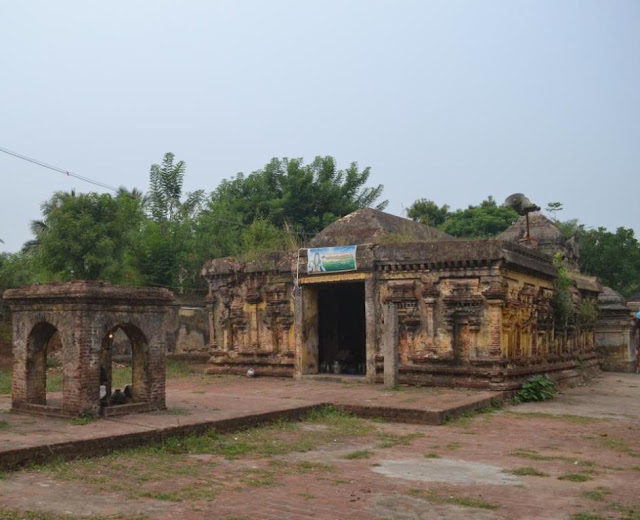
Sholampettai Azhagiya Nathar Temple
Azhagiya Nathar Temple in Sholampettai is an ancient Shiva shrine on the Cauvery's northern banks, believed built in the 3rd century and later renovated into its current brick s…
Sitharkadu Brahmapureeswarar Temple
Brahmapureeswarar Temple in Sitharkadu is an ancient Shiva shrine approximately 1500 years old, featuring a sanctum with gopuram, twelve sacred Shiva lingams, and a tirtha well…