Mayuranathaswami Temple, Mayiladuthurai
About Mayuranathaswami Temple, Mayiladuthurai
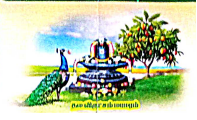
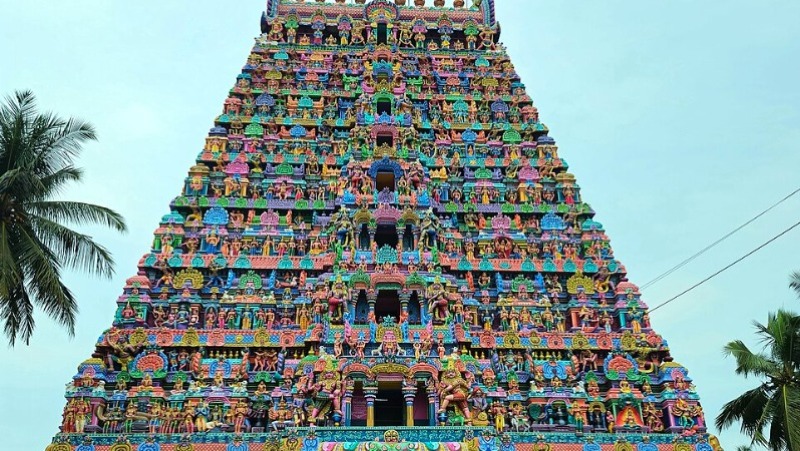
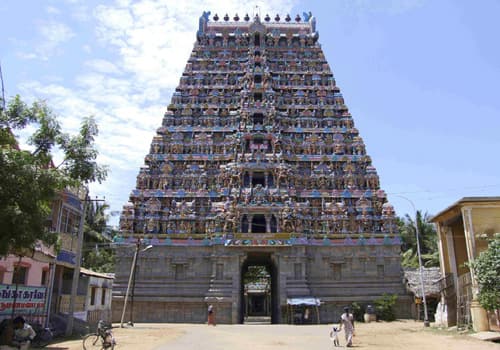
The temple features a nine-tiered rajagopuram, the tower that rises above the entrance. Above the sanctum sanctorum sits the Tridala vimana, a three-tiered tower structure. Within the prakara, or inner courtyard, multiple shrines serve different aspects of worship. Lord Aadhi Mayuranathar has his own separate shrine, while Lord Nataraja occupies another. The shrine of Mayilamman, the local goddess form, stands opposite to the Nataraja shrine. A banyan tree in the goshta wall, the outer wall of the sanctum, bears sculptural depictions of peacocks and monkeys above the Dakshinamurthy figure. The temple also maintains a Nandhi shrine, as is customary in Shiva temples.
The Vinayaka of this temple bears the name Agasthya Vinayaka, connecting the shrine to the sage Agasthya, an important figure in Tamil religious tradition. The temple's sacred tank, or theertham, is associated with multiple names: Idabam, Brahma, and Agasthya, reflecting layers of spiritual significance.
Worship and Daily Darshan
The temple opens at 5:30 a.m. for morning worship and closes at noon, reopening at 4:00 p.m. until 8:30 p.m. in the evening. The first puja of the evening session is dedicated to Lord Nataraja, marking a distinct rhythm to the day's worship. Devotees may bathe in the Cauvery before entering the temple, a practice particularly associated with seeking forgiveness for unknowing transgressions and for peace of mind. Those aspiring to mastery in classical dance traditions seek the blessings of the Lord here.
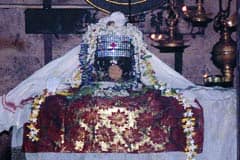
When wishes are fulfilled, devotees perform special abhisheka—ritual bathing of the deity—to both the Lord and the goddess, often offering new cloth garments as part of their thanksgiving. The temple is designated as a swayambumurthy shrine, meaning the deity is believed to have manifested of its own accord rather than being installed by human hands.
Festivals and Observances
The temple celebrates three major festivals throughout the year. Vaikasi Brahmmotsavam, held in May and June, is the principal festival. In October and November, the Aipasi Thula Snanam takes place, during which devotees and the deity participate in ritual bathing in the Cauvery River. Laksha Deepam, a festival of lights, is observed on the last Friday of the Aadi month, which falls in July or August. During Skanda Sashti, the festival honoring Lord Muruga, a distinctive practice occurs here: Lord Muruga receives his Vel weapon directly from Lord Shiva rather than from the goddess, as happens in other Shiva temples.
The temple's connection to classical Tamil devotional literature extends beyond the Thevaram hymns. Saint Arunagiriar, the composer of the Tirupugazh hymns, praised Lord Muruga in this temple's prakara.
Visiting Information
The temple is located at Sri Mayuranathaswami Temple, Mayiladuthurai-609001, in Nagapattinam District, Tamil Nadu. The coordinates are 11.09555556, 79.65611111. For inquiries, the temple's phone numbers are +91-4364-222345, +91-4364-223779, +91-9345149412, and +91-4364-223207.
Visitors should plan their visit according to the temple's opening hours: 5:30 a.m. to 12:00 p.m. and 4:00 p.m. to 8:30 p.m. The best times to visit are May and June for the Vaikasi Brahmmotsavam festival, or October and November for the Aipasi Thula Snanam. As with most Hindu temples, modest dress is expected, and shoes are typically removed before entering the sanctum. Bathing in the Cauvery before darshan is a traditional practice at this location.
How to reach
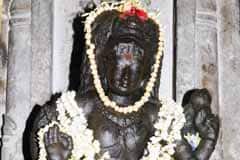

You may also visit
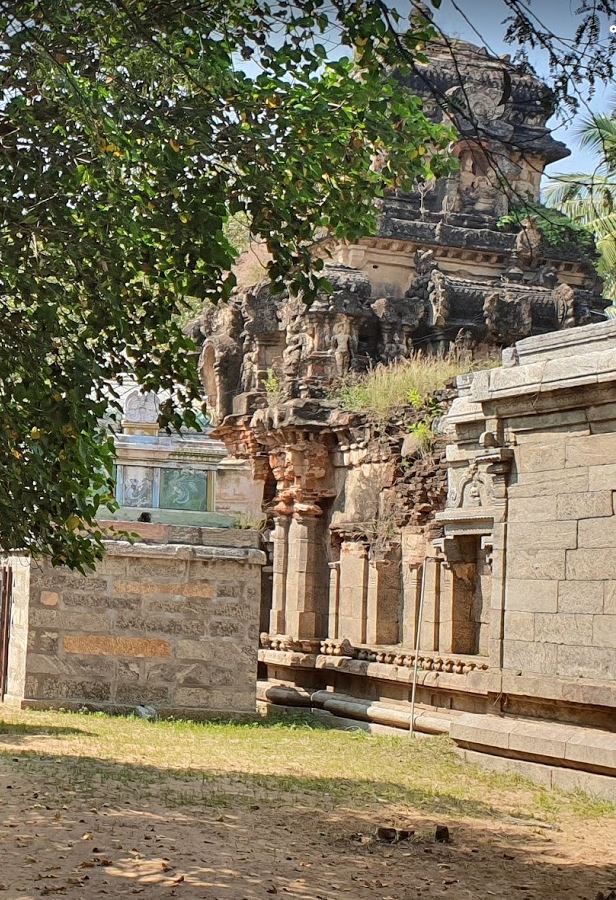
Agatheeswarar Temple, Karur
Agatheeswarar Temple in Thirumukkudalur, Karur district, is an ancient Hindu shrine dedicated to Shiva, situated at the sacred confluence of three rivers and believed to be over 1000 years old.
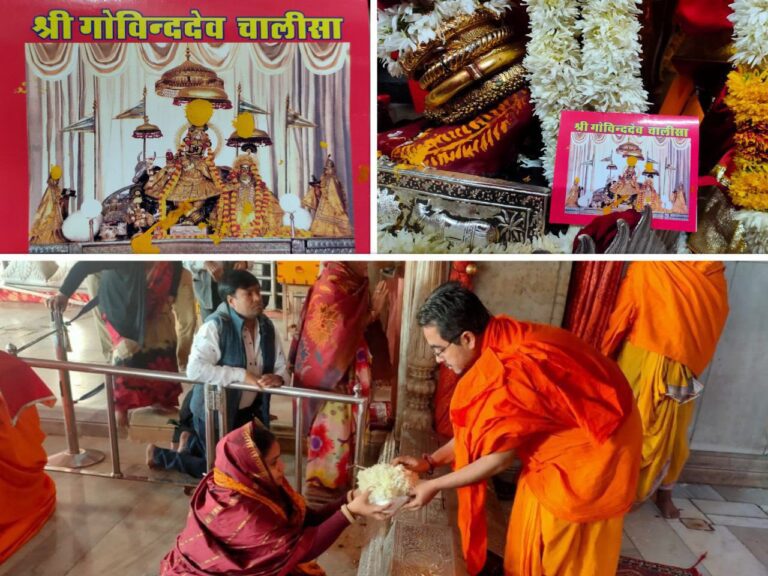
Kalyanji Temple
Kalyanji Temple in Jaipur's Chandpol Bazaar is an ancient Krishna shrine established in the 1820s, renowned for its seven daily aartis and special avatar darshan ceremonies during Akha Teej and Patottsav festivals.
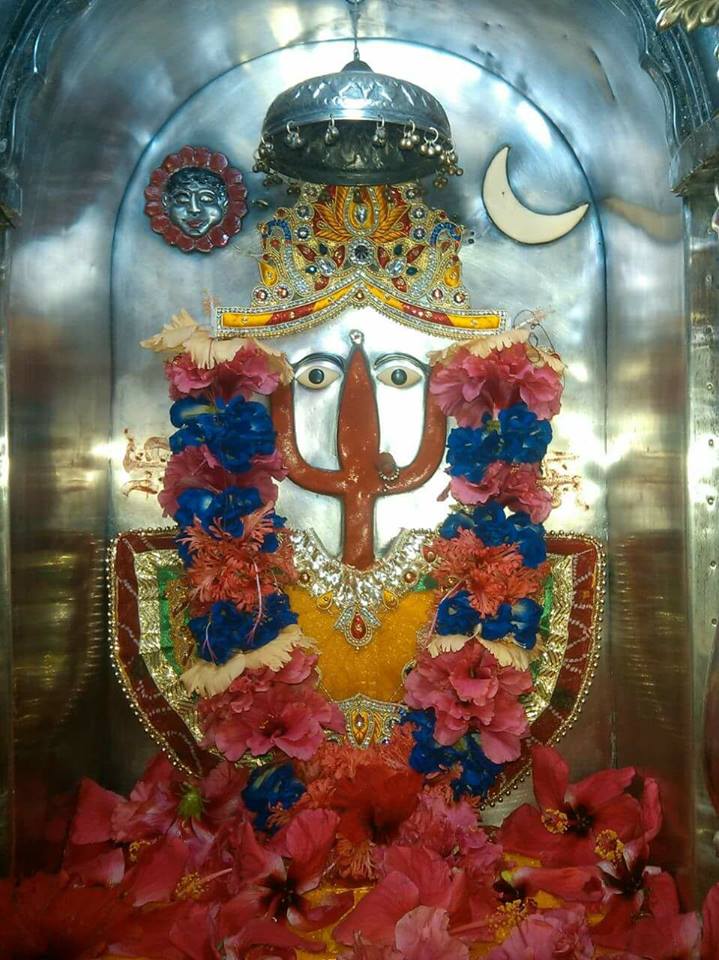
Rani Sati Mandir Mahuda
Rani Sati Mandir in Mahuda, Dhanbad District, is a Hindu temple established in 1992 that serves as a spiritual center for the local community and attracts devotees seeking blessings.