Pancha Rathas
About Pancha Rathas
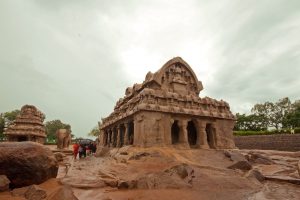
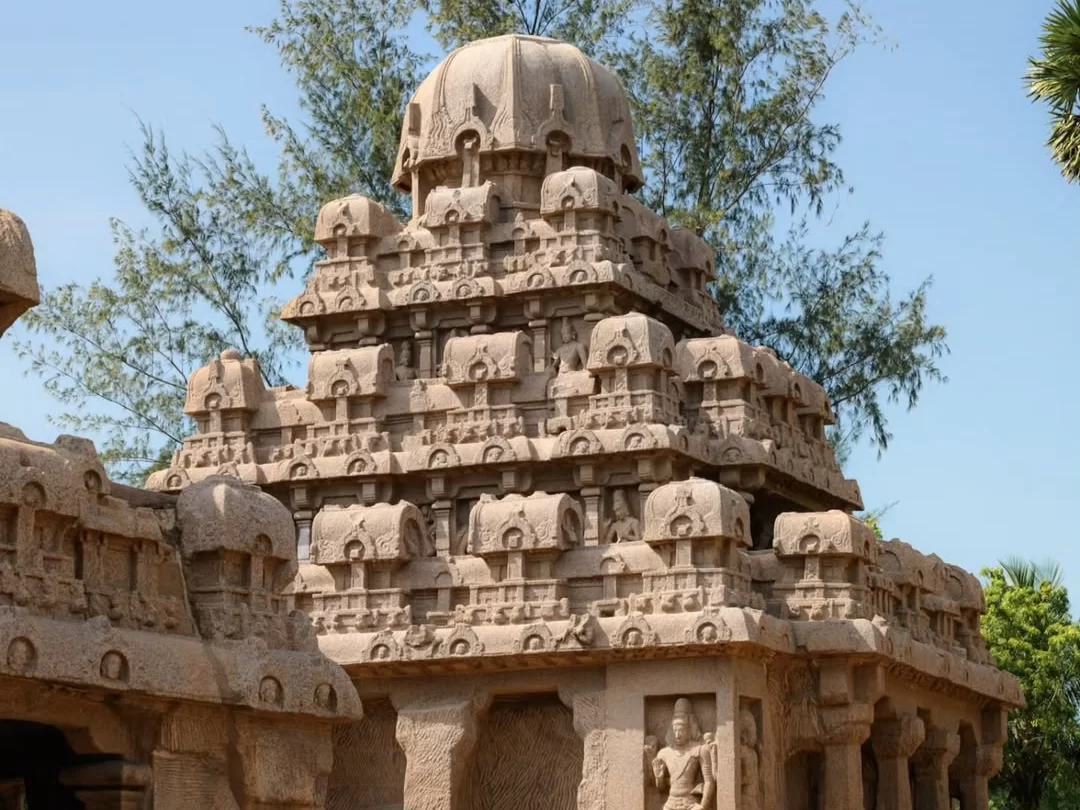
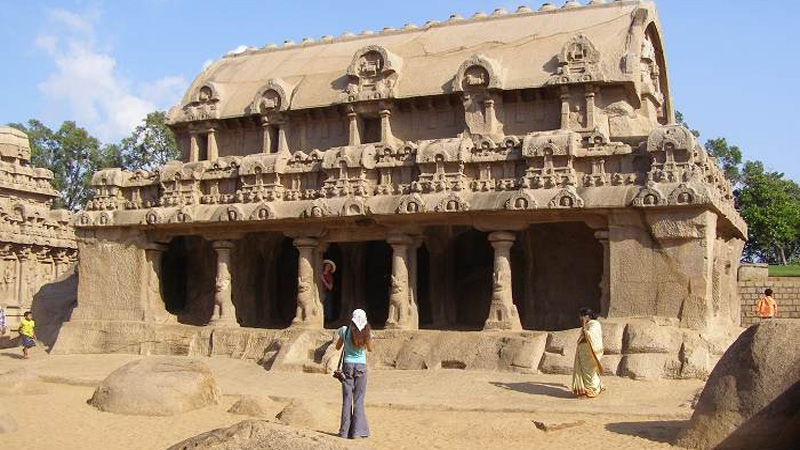
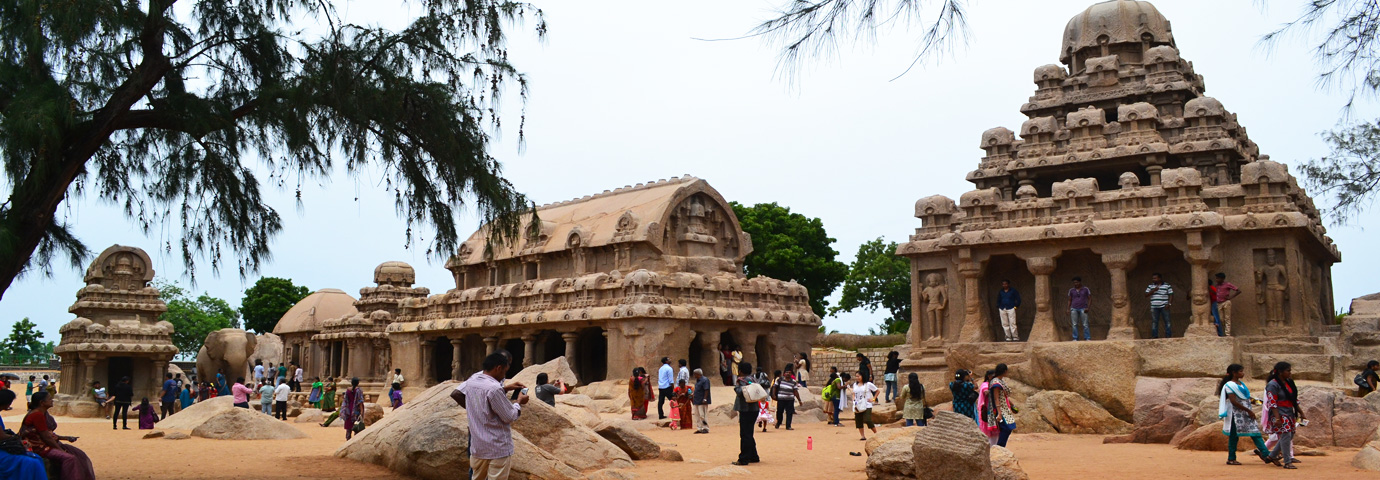
These shrines date to the seventh century, a period when the Pallava dynasty was developing distinctive architectural forms in Tamil Nadu. The Pancha Rathas exemplify the experimentation characteristic of this era, with each ratha (chariot-shaped temple) showing different proportions and design approaches. The monolithic construction technique—carving temples from single rock masses rather than assembling stone blocks—represents a significant achievement in stone working. The incomplete state of these temples provides insight into how such ambitious projects were executed, revealing tool marks and partially finished surfaces that would normally be hidden in completed structures.
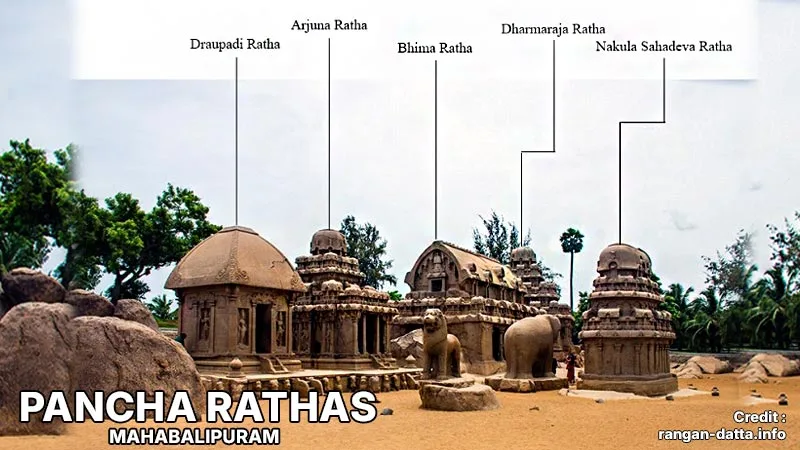
Layout and Individual Structures
The five rathas are positioned across the site, each with its own character. They vary in size and architectural detail, from simpler forms to more elaborate designs. The structures demonstrate progression in complexity and refinement. Because the site is open and unenclosed, you can approach each ratha independently and spend as much time as you wish examining the carved details, proportions, and construction techniques. The surrounding landscape is part of the experience—the rathas sit within the broader Mahabalipuram complex, which contains other rock-cut monuments and sculptural works.
Visiting Practicalities
The Pancha Rathas are accessible during daylight hours as part of the Mahabalipuram monument zone. The site is outdoors with minimal shelter, so plan your visit during cooler parts of the day, particularly in warmer months. Wear comfortable walking shoes suitable for uneven ground and consider sun protection. There are no facilities directly at the rathas themselves; services including refreshment options and restrooms are available in Mahabalipuram town. Photography is generally permitted, though you should be respectful of the site's archaeological significance. The structures require no entry ritual or special dress code, as they function as historical monuments within a UNESCO site rather than as active places of worship with formal religious protocols.
Getting There
Mahabalipuram is located in Tamil Nadu, approximately 60 kilometres south of Chennai. The town is accessible by road from Chennai via the East Coast Road (ECR), a journey of roughly ninety minutes by car or bus. Local buses connect Chennai to Mahabalipuram regularly. Once in Mahabalipuram, the Pancha Rathas are centrally located within the monument zone and can be reached on foot or by local transport from the town centre. The coordinates 12.6088, 80.18958 will direct you to the site if using GPS navigation.
The Broader Mahabalipuram Context
The Pancha Rathas are one element within Mahabalipuram's larger collection of seventh-century monuments. The site as a whole represents Pallava artistic achievement and includes other rock-cut temples, relief sculptures, and structural temples. Visiting the rathas as part of a broader exploration of Mahabalipuram allows you to understand the range of architectural and sculptural work undertaken during this period. The UNESCO designation reflects the historical and artistic importance of the entire complex. Many visitors combine the Pancha Rathas with other monuments in the area to gain a fuller picture of Pallava-era craftsmanship.
How to reach
Temples near Pancha Rathas
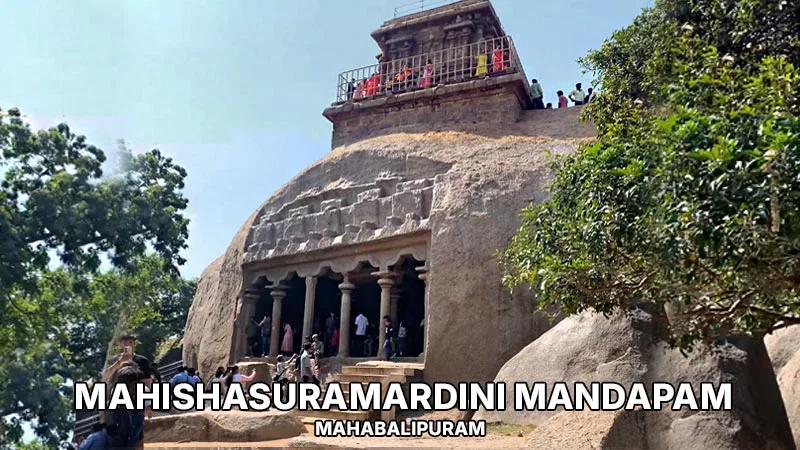
Mahishasuramardini Mandapa
Mahishasuramardini Mandapa is a 7th-century cave temple carved during the Pallava dynasty in Mahabalipuram, Tamil Nadu, depicting Goddess Durga's victory over the demon Mahishas…
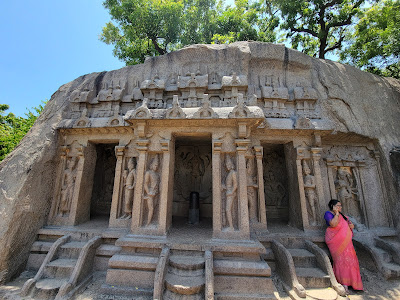
Trimurti cave temple
The Trimurti Cave Temple in Mahabalipuram is a rock-cut sanctuary where the divine trinity of Brahma, Vishnu, and Shiva are enshrined within granite chambers, representing the a…
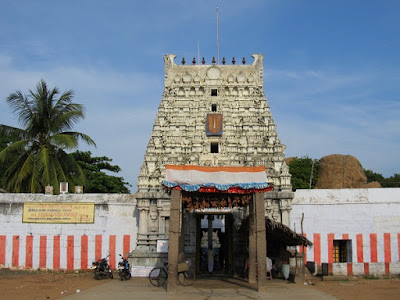
Sthalasayana Perumal Temple
Sthalasayana Perumal Temple in Mahabalipuram is the 63rd of the 108 Divya Desams, dedicated to Vishnu in his reclining form, with origins in the 7th century Pallava period.
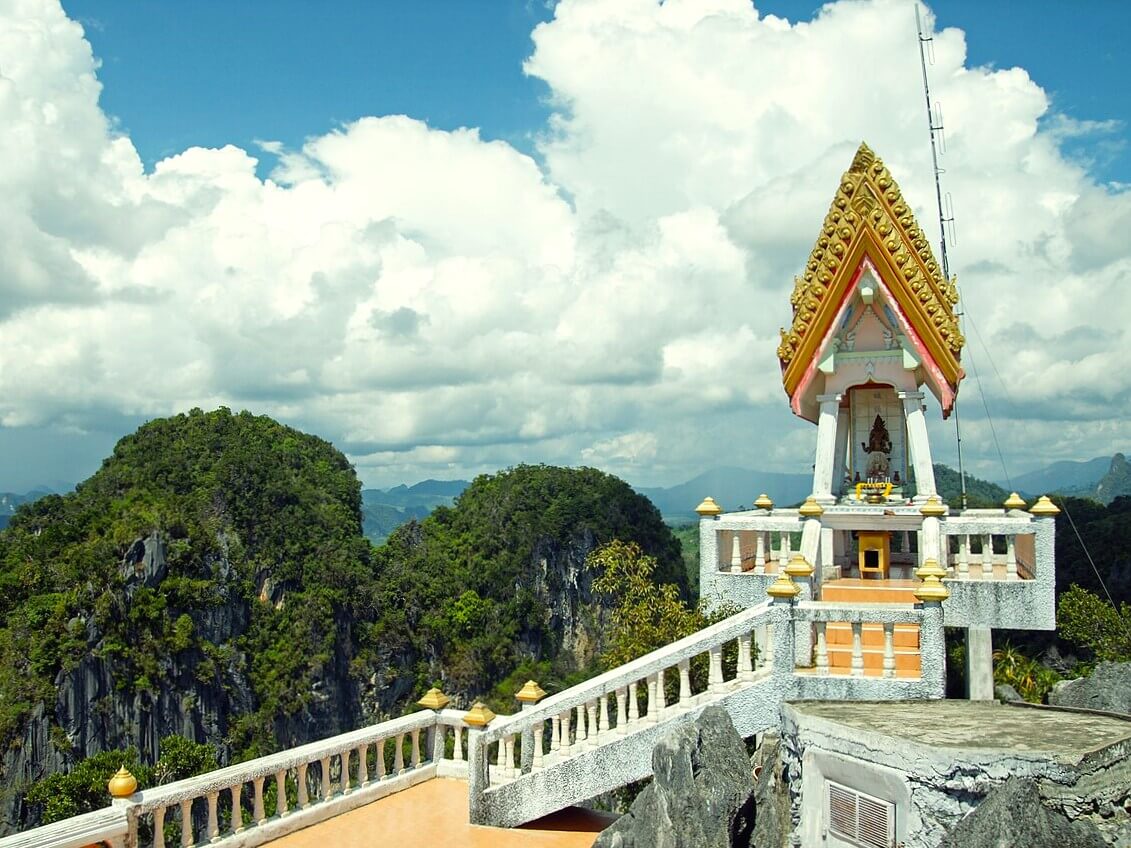
Tiger Cave
Tiger Cave Temple is a Buddhist sanctuary north-northeast of Krabi, Thailand, distinguished by ancient tiger paw prints within its cave and towering Buddha statues accessible vi…

Thiruporur Kandaswamy temple
Thiruporur Kandaswamy Temple in Chengalpattu district is a significant shrine dedicated to Lord Murugan, built in Tamil Hindu architectural style with origins believed to date t…
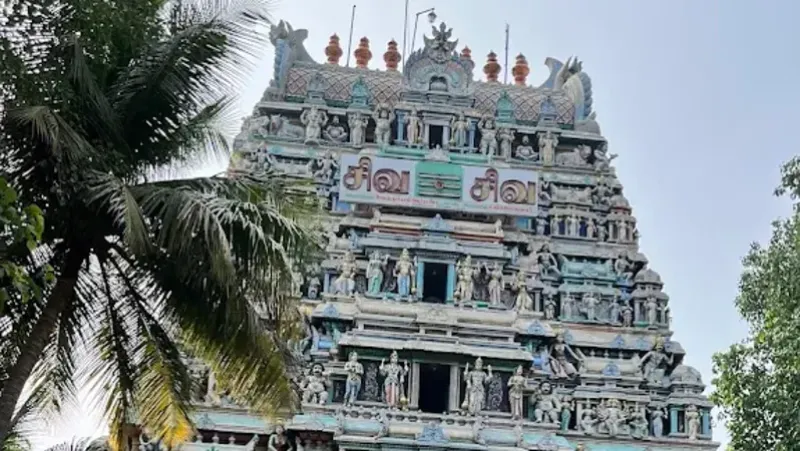
Vedagiriswarar temple
Vedagiriswarar Temple is a sacred hilltop shrine dedicated to Lord Shiva located in Tirukalukundram, Tamil Nadu, renowned for its association with legendary eagles and its place…