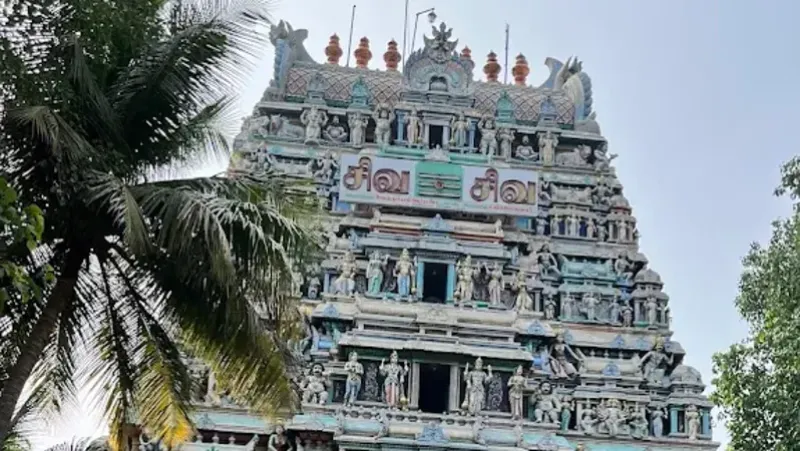
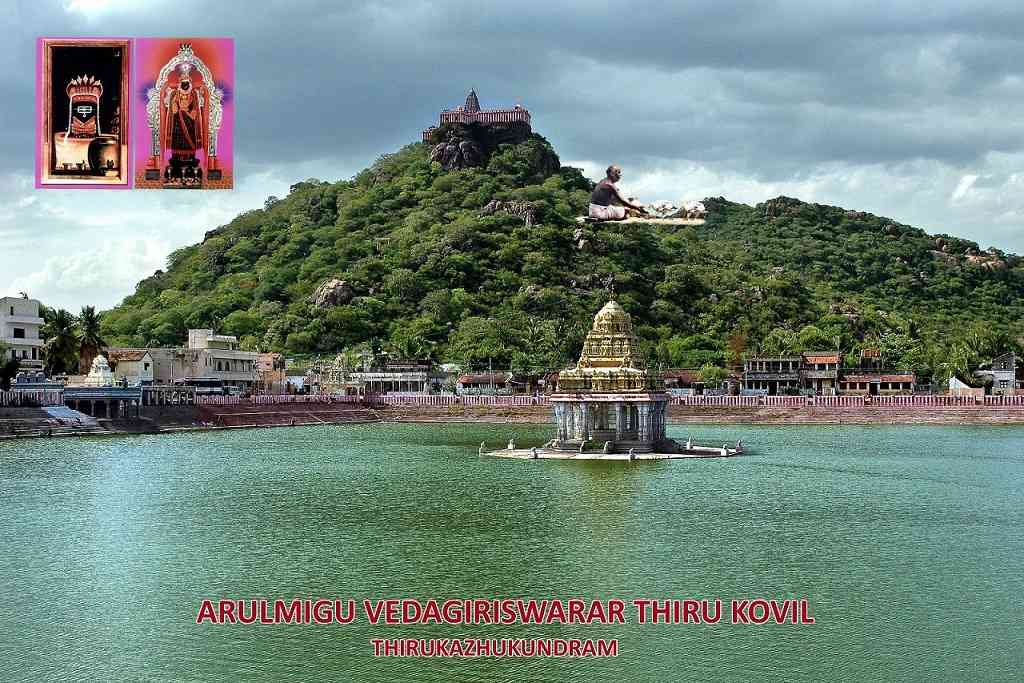
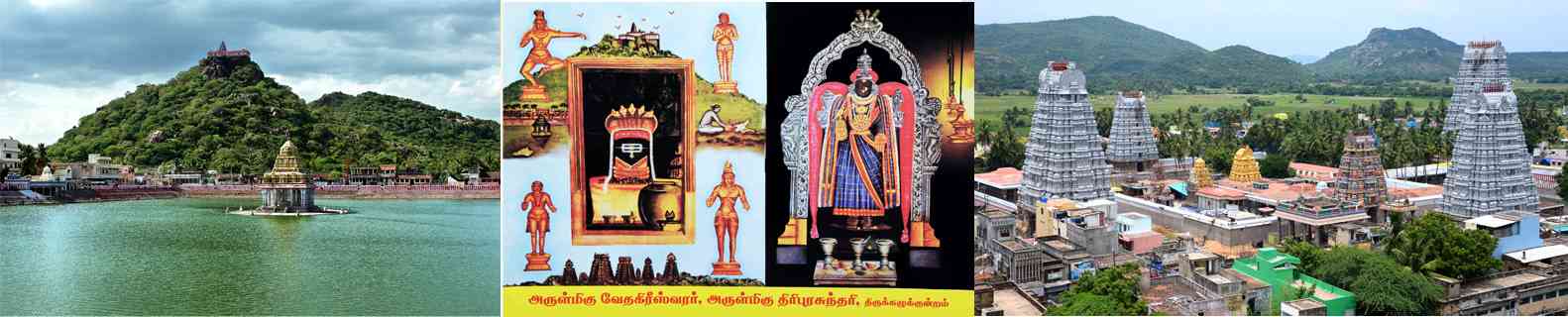
Vedagiriswarar temple
About Vedagiriswarar temple
The temple's roots reach back to the early medieval period. A rock-cut shrine from the era of Mahendra Varman I (610–640 CE) survives at the site, representing one of the earliest phases of construction. This Mahendra-period temple, carved into the hillside itself, testifies to the antiquity of worship at this location and reflects the architectural patronage of that dynasty. The Orukal Mandapa—a rock-cut structure—remains part of the temple complex, preserving this ancient heritage.
Over centuries, the temple has accumulated additional structures and shrines, though the sources do not detail the full architectural evolution. Visitors ascending the hill encounter the accumulated layers of this long history.
Daily Worship and Darshan
The temple maintains two daily worship schedules. The main shrine at the base opens from 6:30 AM to 12:00 PM in the morning and 4:00 PM to 8:00 PM in the evening. The hilltop shrine (Thirumalai) operates on a slightly later schedule: 8:30 AM to 12:00 PM and 4:30 PM to 7:00 PM. These timings are subject to change on special festival days.
Devotees can participate in various ritual services including archana (ritual worship), abhishekam (ritual bathing of the deity), and Shiva pooja. Pradosham worship—the twilight worship of Shiva observed on specific lunar days—is observed here. Morning hours are recommended for those wishing to climb the hill and experience darshan in a peaceful atmosphere, as the ascent requires physical effort and the morning light provides better conditions for the journey.
Festivals and Sacred Observances
Two major festivals draw devotees to Tirukalukundram. Maha Shivaratri, the great night of Shiva, is celebrated with special significance at this ancient shrine. Karthigai Deepam, marked by the lighting of lamps, is another important observance. Pradosham, occurring twice monthly on specific lunar days, holds particular importance in the Shaivite calendar and attracts worshippers seeking Shiva's blessings during these auspicious times.
Visiting the Temple: Practical Information
The temple is located at coordinates 12.6067, 80.0625 in Tirukalukundram, Chengalpattu District, Tamil Nadu 603109. The nearest railway station is Chengalpattu. The site lies within reach of major towns including Mahabalipuram and Chengalpattu, making it accessible for pilgrims and visitors from the Chennai region.
Visitors should plan their visit according to the temple's operating hours, keeping in mind that the hilltop shrine opens slightly later than the base temple. The climb to the hill shrine requires reasonable physical fitness. Modest dress is appropriate for temple visits; devotees typically wear simple, respectful clothing. Shoes are generally removed before entering shrine areas, following standard temple practice. Visitors should observe silence and reverence within the temple precincts and follow any instructions from temple staff.
The Sacred Geography of Tirukalukundram
The town itself holds spiritual significance beyond the main temple. Sangu Theertham, a sacred water source, is located here. The region is also called Kailash of South India, reflecting its spiritual importance in Tamil religious geography. The presence of sacred eagles visiting the hilltop shrine at noon—the origin of the temple's popular name—adds a distinctive element to the pilgrimage experience, though the sources do not elaborate on the nature or frequency of these sightings in contemporary times.
How to reach
Temples near Vedagiriswarar temple
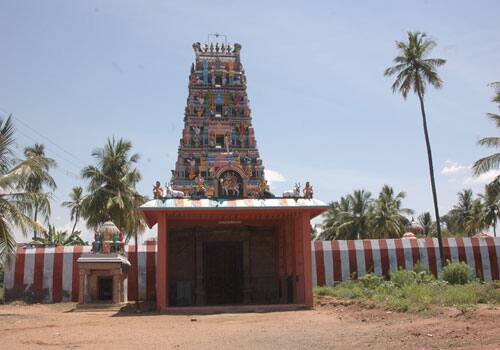
Chaturvedamangalam Rudrakoteeswarar Temple
Rudrakoteeswarar Temple in Chaturvedamangalam is an ancient Shiva shrine where ten million Rudras are believed to have worshipped Lord Shiva during Brahma's celestial wedding to…
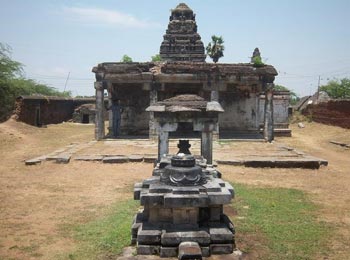
Anur Astrapuriswarar Temple
Anur Astrapuriswarar Temple is a Shiva shrine located in Anoor village on the P.V. Kalathur-Vallipuram Road in Kanchipuram district, Tamil Nadu.
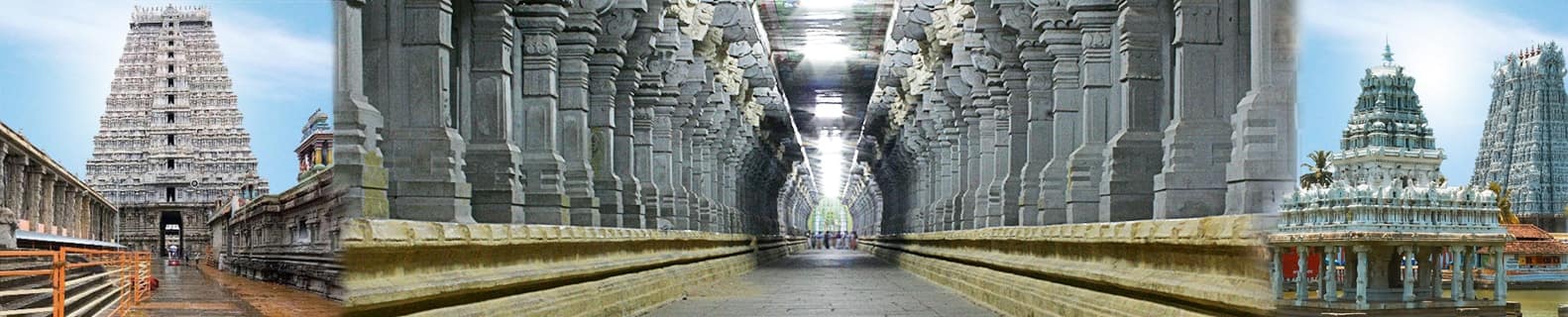
Gnanapureeswarar Temple, Tiruvadishoolam
Gnanapureeswarar Temple in Tiruvadishoolam is a revered Shiva shrine recognized as one of the 275 Paadal Petra Sthalams, temples celebrated in the devotional hymns of the Nayana…
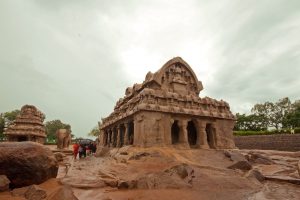
Pancha Rathas
Pancha Rathas is a monolithic rock-cut temple complex in Mahabalipuram, Tamil Nadu, featuring five distinct shrine structures carved from single granite boulders during the Pall…
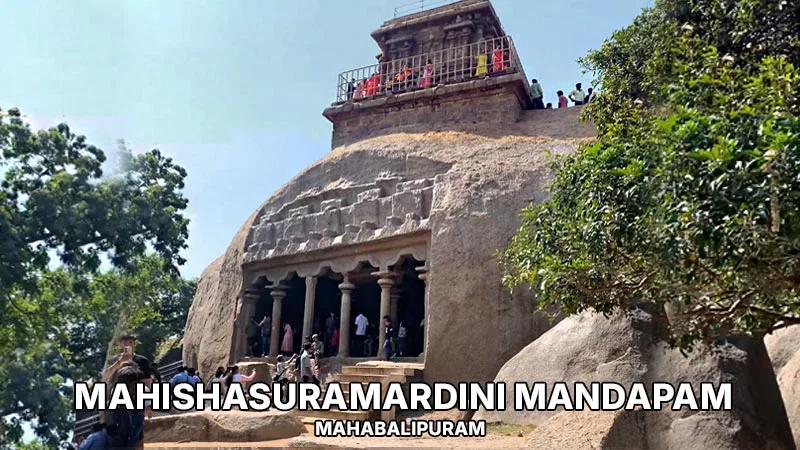
Mahishasuramardini Mandapa
Mahishasuramardini Mandapa is a 7th-century cave temple carved during the Pallava dynasty in Mahabalipuram, Tamil Nadu, depicting Goddess Durga's victory over the demon Mahishas…
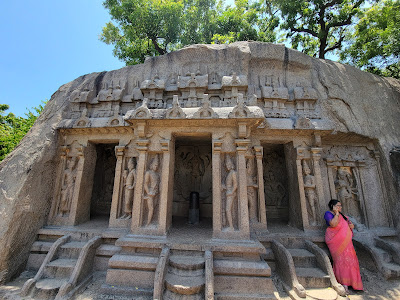
Trimurti cave temple
The Trimurti Cave Temple in Mahabalipuram is a rock-cut sanctuary where the divine trinity of Brahma, Vishnu, and Shiva are enshrined within granite chambers, representing the a…