Nohleshwar Temple
About Nohleshwar Temple
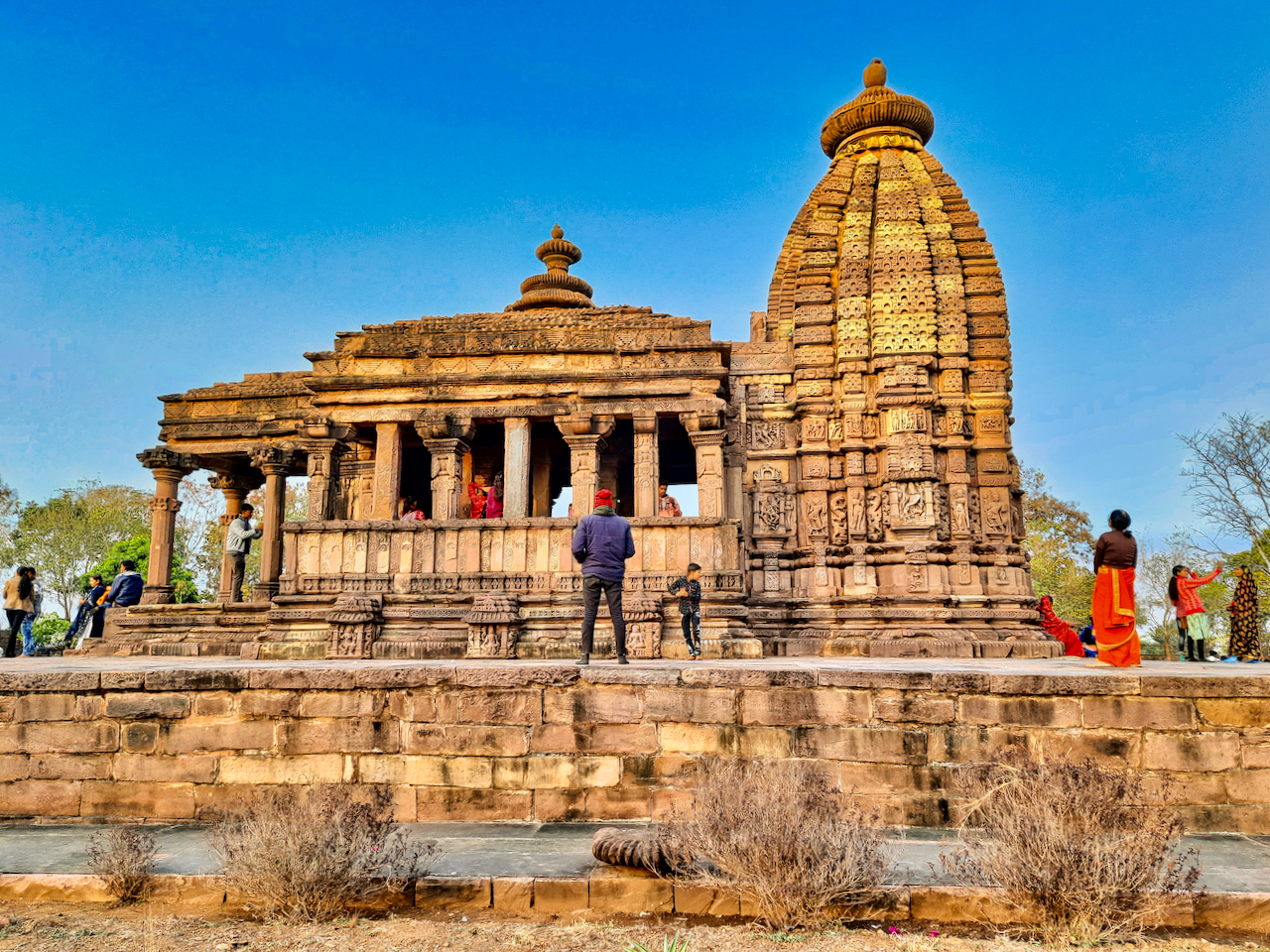
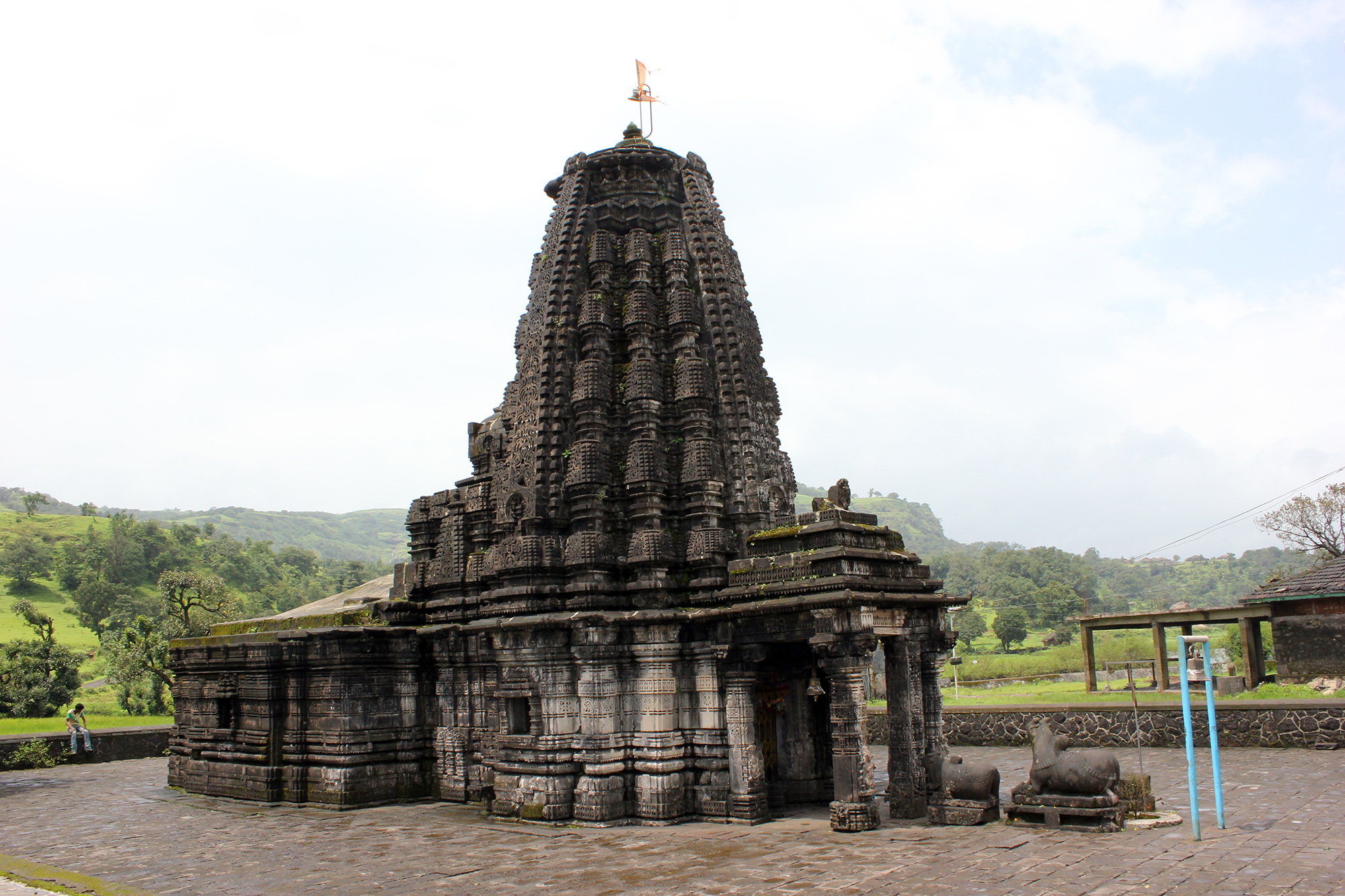
The temple follows the Nagara architectural style, characteristic of North Indian temple design. Its layout comprises several distinct sections: a mukhamandapa (entrance porch), sabhamandapa (assembly hall), antarala (ante-chamber), and garbhagriya (inner sanctum). The sanctum is crowned by a shikhara, the distinctive tower that rises above the holiest chamber of the temple. This architectural arrangement reflects traditional Hindu temple design, where the worshipper progresses inward through increasingly sacred spaces toward the deity's presence.
Worship and Darshan
Temples dedicated to Shiva typically observe daily worship cycles centered on the deity. Visitors seeking darshan (sacred viewing of the deity) should note that specific timings for the temple's opening hours and aarti (ritual worship) ceremonies are not detailed in available sources. Before planning a visit, it is advisable to contact the temple directly or check current information, as timings may vary seasonally and on festival days. Modest dress is customary when visiting Hindu temples; visitors should be prepared to remove footwear before entering the sanctum area.
Festivals
The temple observes at least two major festivals in the Hindu calendar. Hanuman Jayanti, celebrated in April, marks the birth of Hanuman, the devoted follower of Rama. Kartik Purnima, falling in November, is observed across many temples as Dev Deepawali or the festival of divine lamps. These occasions typically draw increased numbers of devotees and may feature special decorations and extended worship ceremonies. As with darshan timings, festival schedules should be confirmed with the temple before traveling.
Location and Access
Nohleshwar Temple is situated in Nohta village within Damoh district in Madhya Pradesh. The precise coordinates are 23.67161°N, 79.58132°E. Damoh district lies in the eastern portion of Madhya Pradesh. Visitors should plan their journey accordingly and may wish to inquire locally about road conditions and the best routes from nearby towns. The temple's remote location in a village setting means that facilities typical of urban temples may be limited.
Visiting Considerations
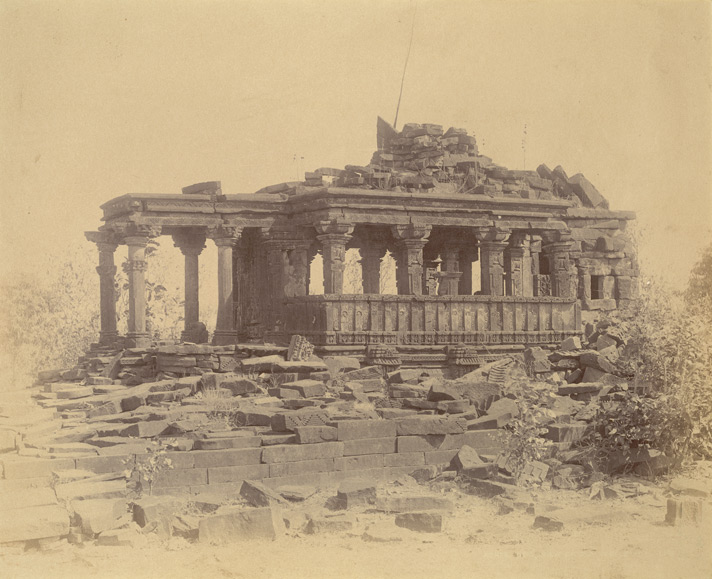
As a protected national monument, the temple holds both religious and archaeological significance. Visitors should approach the site with respect for its sacred purpose and its status as a heritage structure. The restoration work undertaken by the Archaeological Survey of India has preserved the temple for future generations, but visitors should be mindful of the site's age and fragility. It is recommended to visit during daylight hours and to confirm all practical details—opening times, festival schedules, and local conditions—before making the journey.
How to reach
You may also visit
Kalyanji Temple
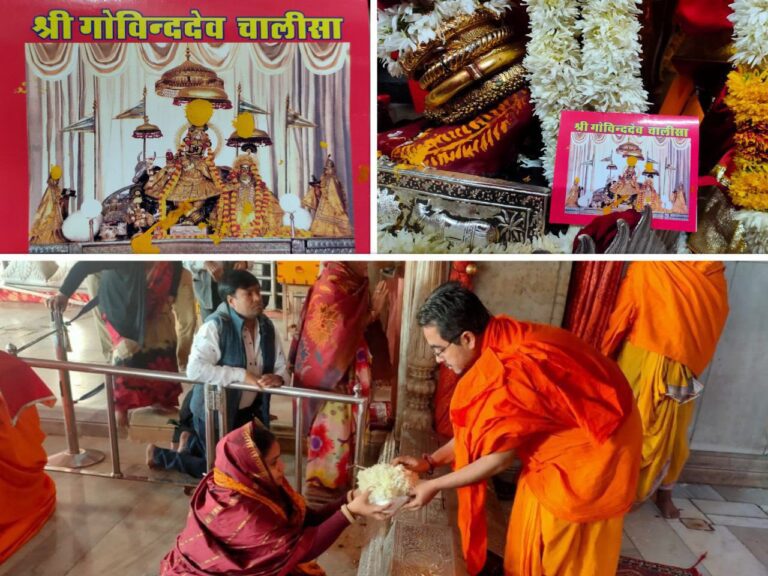
Kalyanji Temple in Jaipur's Chandpol Bazaar is approximately two centuries old and renowned for displaying the twenty-four avatars of Krishna, visible only twice yearly during Akha Teej and Patottsav festival.
Sastha (Ayyappan) Temple
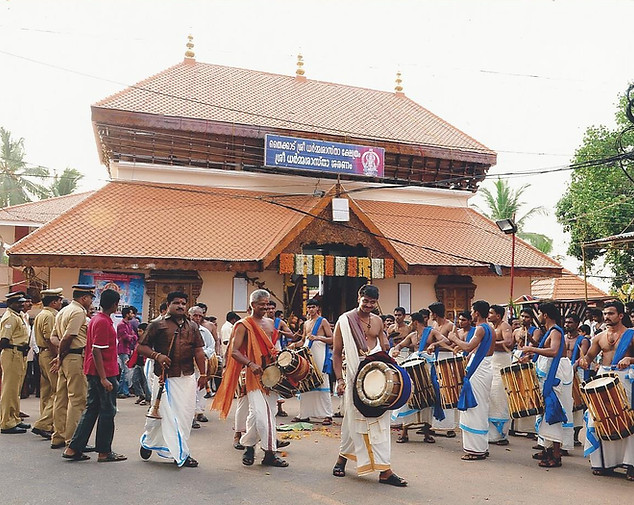
Sree Dharma Sastha Temple in Thycaud, Thiruvananthapuram, is a centuries-old shrine where the deity manifests as Dhanwanthari, the divine healer, holding the sacred blue lotus.
Govindarajaswamy Temple
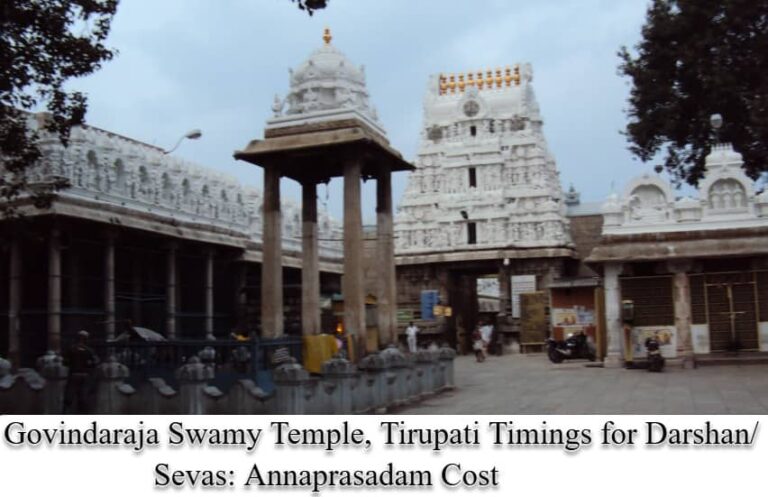
Sri Govindarajaswamy Temple in Tirupati is an ancient Vaishnavaite shrine consecrated in 1130 AD by Saint Ramanuja, where the presiding deity rests in eternal Yoga Nidra on the serpent Adisesha.