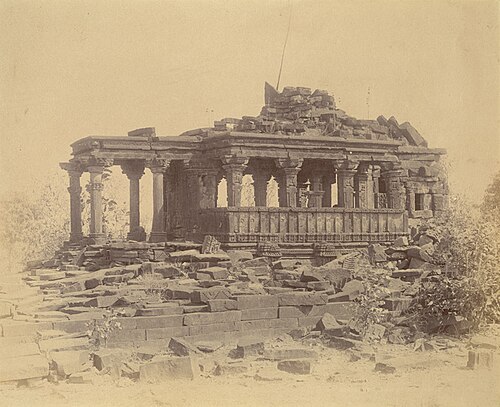

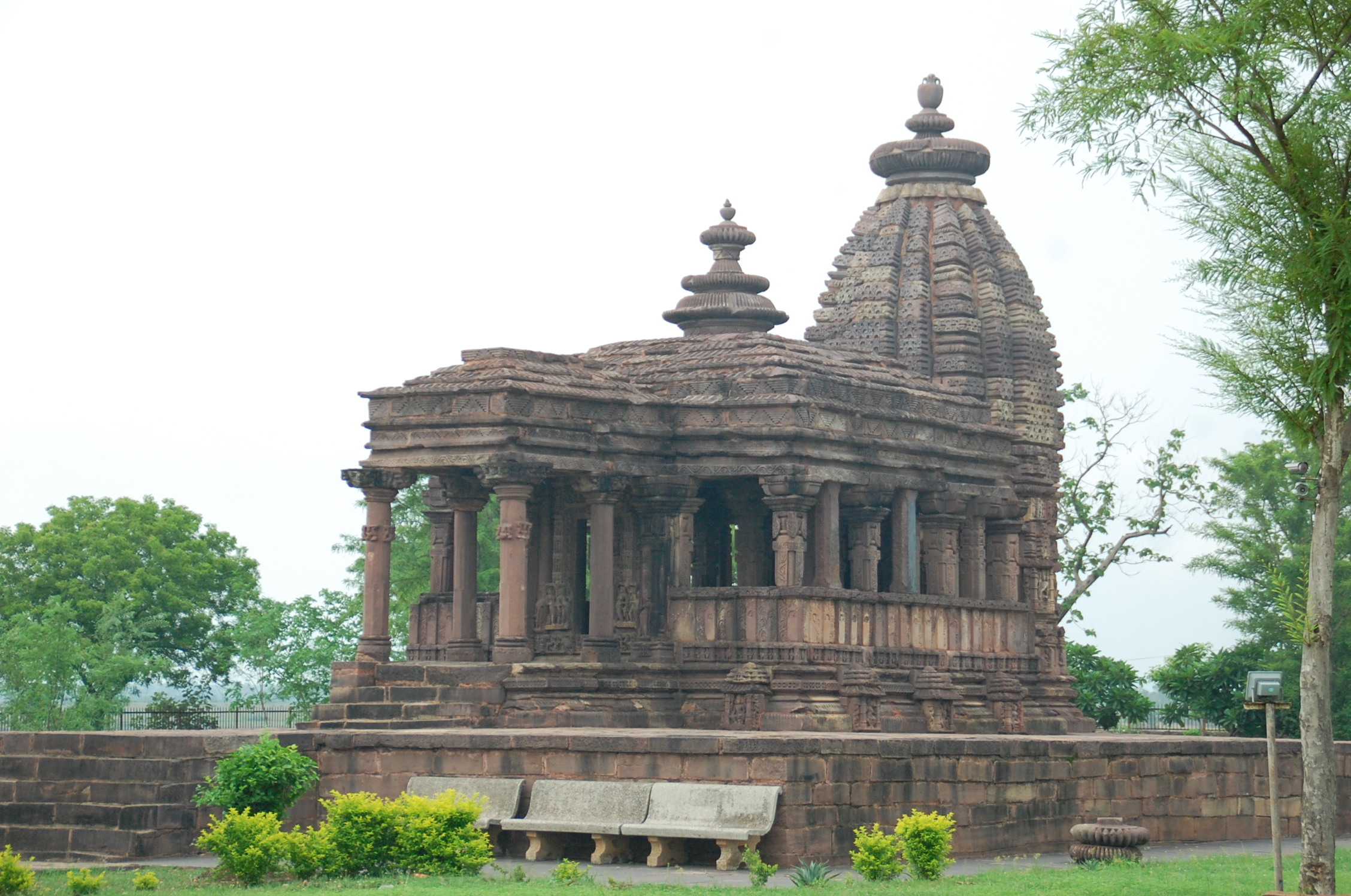
Mahadeva temple, Nohta
About Mahadeva temple, Nohta
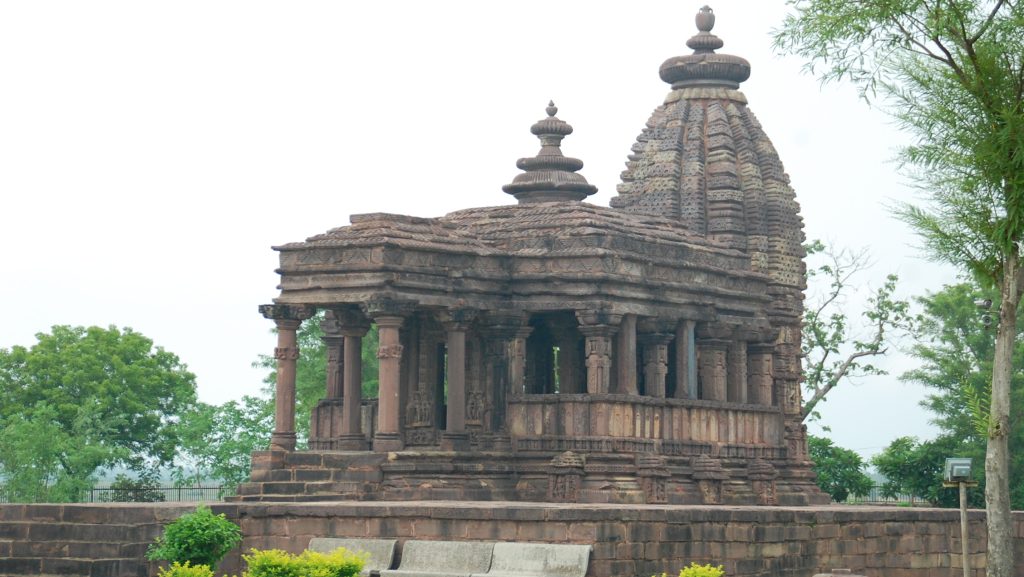
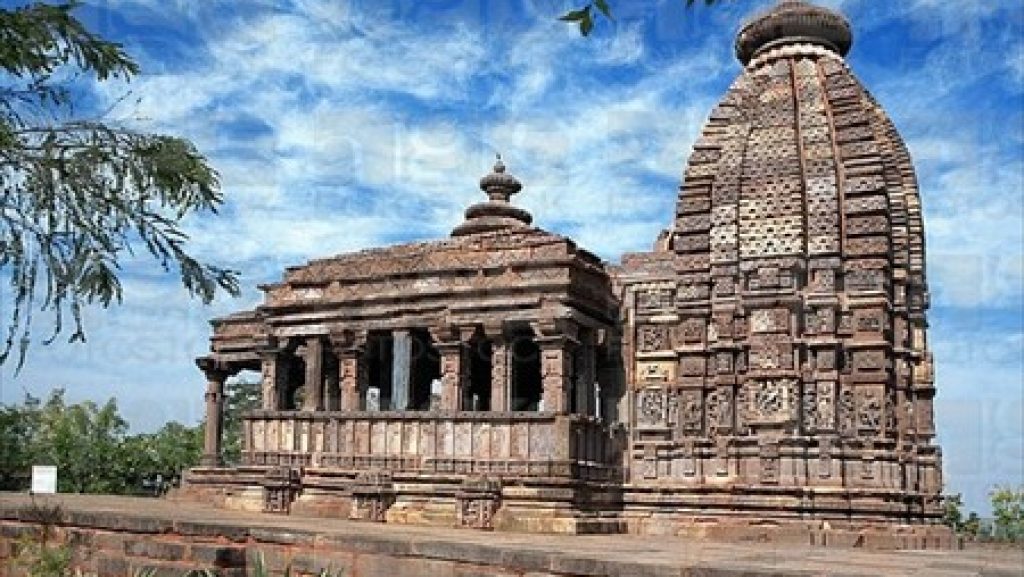
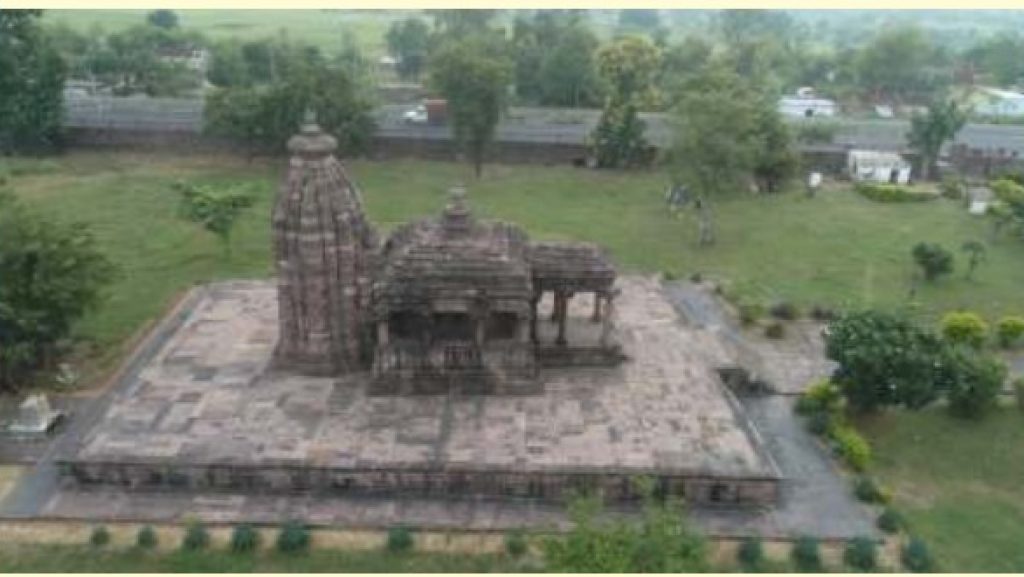
The Mahadeva Temple represents one of the most important examples of Kalchury architectural style from the 10th century. Built upon a raised platform, the structure incorporates the classical elements characteristic of temples from this period and region. The temple comprises several distinct sections: the Panch Rath (five-chambered structure), Garbhgrih (inner sanctum), Amtral (intermediate chamber), Mandap (assembly hall), and Mukh Mandap (entrance hall). This arrangement follows the traditional design principles of Hindu temple architecture, with each component serving both spiritual and structural purposes. The Kalchury style visible here reflects the architectural preferences of the dynasty that patronised its construction, making the temple valuable for understanding 10th-century building practices in Madhya Pradesh.
Visiting the Temple
The temple is accessible by multiple routes. The nearest railway station is at Damoh, approximately 26 kilometres away. For those arriving by air, Jabalpur airport lies about 98 kilometres distant. Road connections link Nohta village to surrounding areas, making vehicular access straightforward. Visitors should plan their journey with awareness that specific darshan timings and current facilities at the temple are not documented in available sources; it is advisable to contact local authorities in Damoh district or the village administration before visiting to confirm access arrangements and any seasonal considerations.
Worship and Ritual Practice
As a Shiva temple, Mahadeva follows the devotional practices common to temples dedicated to this deity across India. Shiva worship typically involves offerings of flowers, water, and prayers, with devotees seeking blessings for spiritual growth and wellbeing. The inner sanctum houses the primary object of worship. While specific information about daily rituals, priest schedules, or special worship practices at this particular temple is not available, visitors should approach the temple with the respect appropriate to an active place of worship and be prepared to follow any guidelines established by temple authorities.
Historical and Cultural Context
The temple's construction during the Kalchury period places it within an important phase of Hindu temple building in central India. The 10th century saw considerable architectural and religious development across the region, with royal patronage supporting the construction of numerous temples. The Mahadeva Temple at Nohta survives as a tangible record of this era, preserving both the spiritual aspirations and the technical knowledge of medieval builders. Its continued presence in the landscape makes it significant both as a functioning religious site and as a historical monument reflecting the cultural heritage of Damoh district.
Practical Information for Visitors
Visitors should dress modestly when entering the temple, as is customary at Hindu places of worship. The temple's location on a raised platform may involve steps or uneven terrain, so appropriate footwear for walking is recommended. Since detailed information about facilities, opening hours, and current conditions is limited, contacting the District Administration office in Damoh or local village authorities beforehand will help ensure a smooth visit. The temple's age means that visitors should move carefully and respectfully through the structure. Photography policies, if any, should be confirmed with temple staff upon arrival.
How to reach

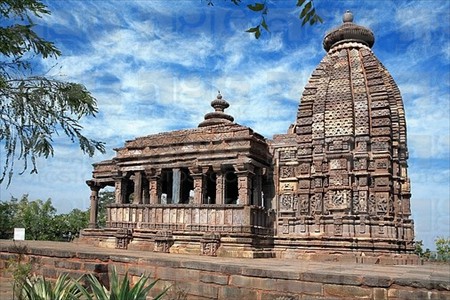
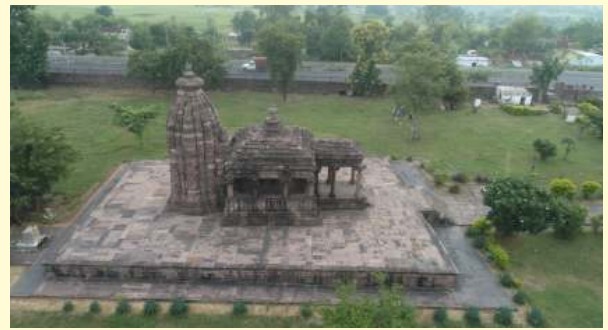


Temples near Mahadeva temple, Nohta
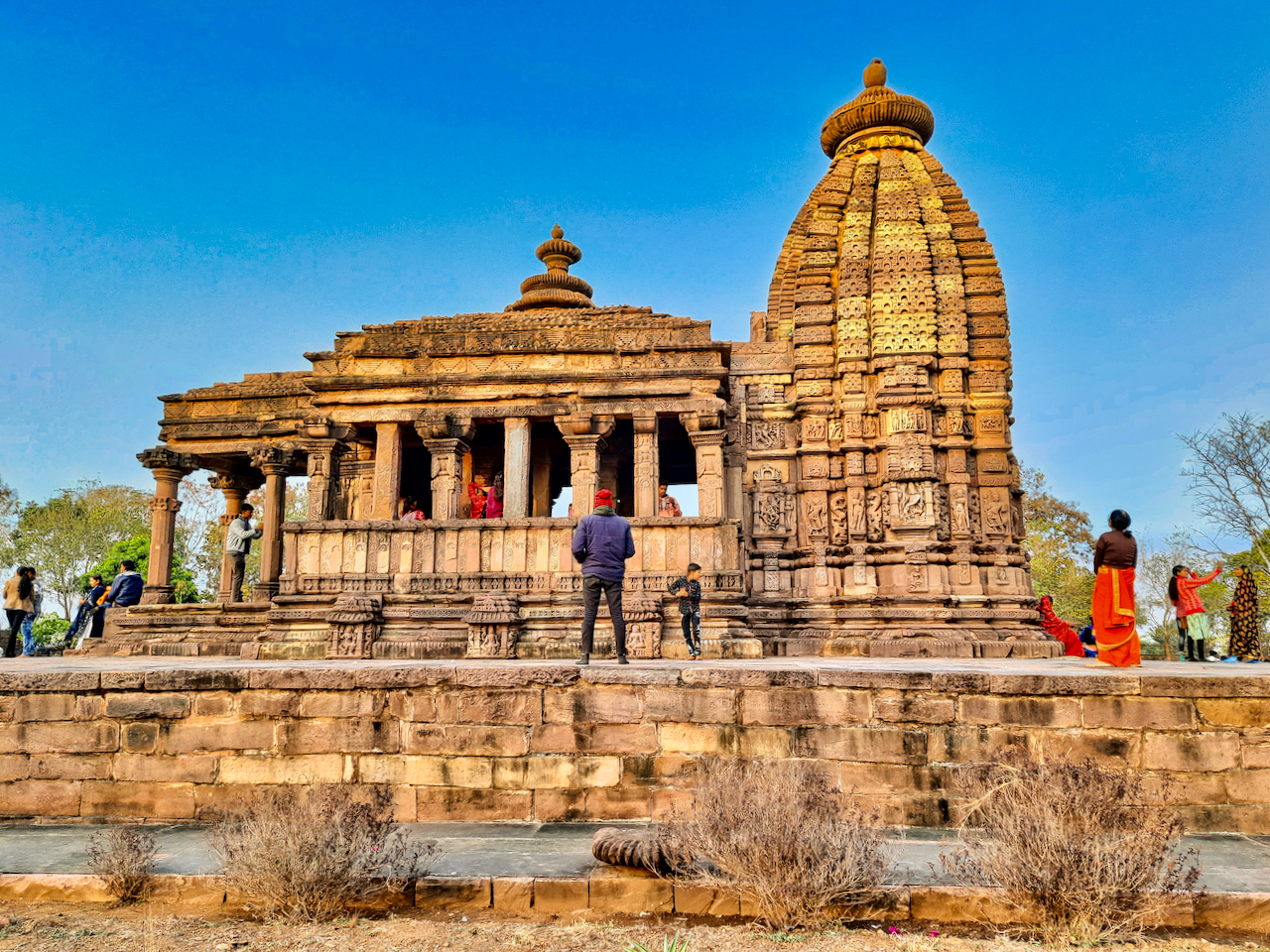
Nohleshwar Temple
Nohleshwar Temple is a 10th-century Shiva temple located in Nohta village, Damoh district, Madhya Pradesh, built in the Kalachuri architectural style and protected as a national…

Tigawa
Sri Venkateswara Temple at Tirumala is one of India's most visited pilgrimage sites, dedicated to Lord Venkateswara. The temple maintains an extensive daily worship schedule spa…
Chausath Yogini Temple, Bhedaghat
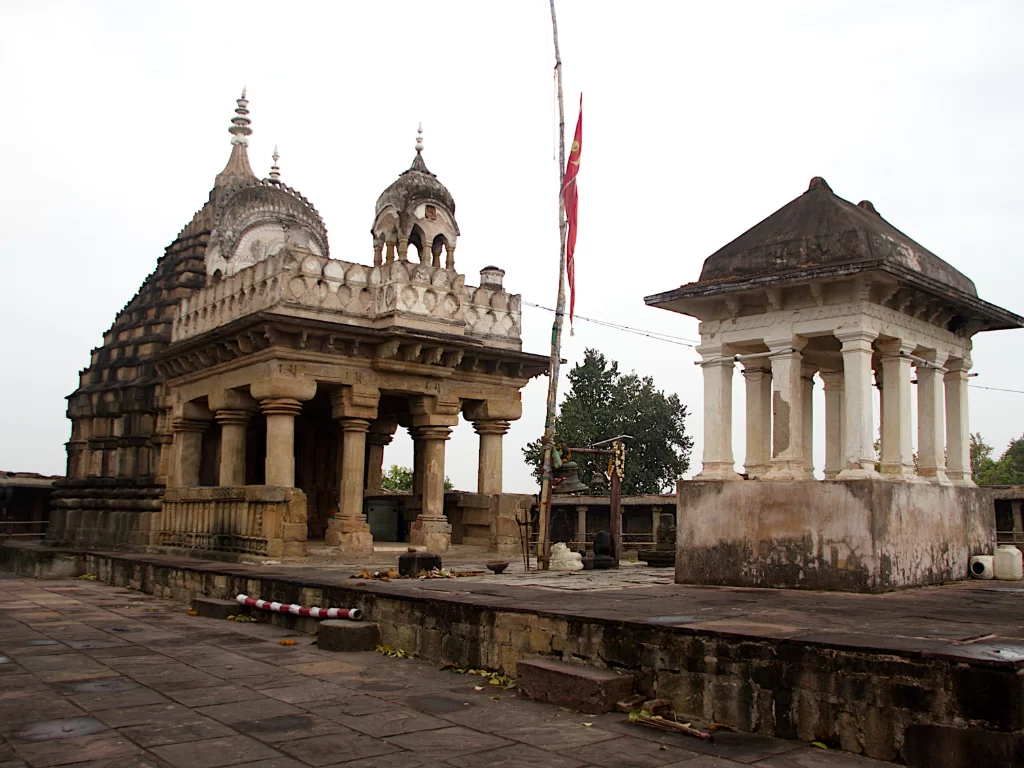
The Chausath Yogini Temple in Bhedaghat is a 10th-century circular shrine dedicated to 81 yoginis, perched on a hilltop overlooking the Narmada River near Jabalpur, Madhya Pradesh.
Harsiddhi Devi Mandir, Rangir
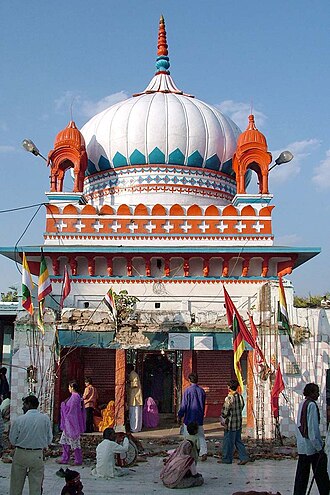
Harsiddhi Devi Mandir in Rangir, Sagar District, Madhya Pradesh is a Hindu temple dedicated to Goddess Harsiddhi, revered for fulfilling devotees' wishes and offering a serene s…
Paat Baba Mandir
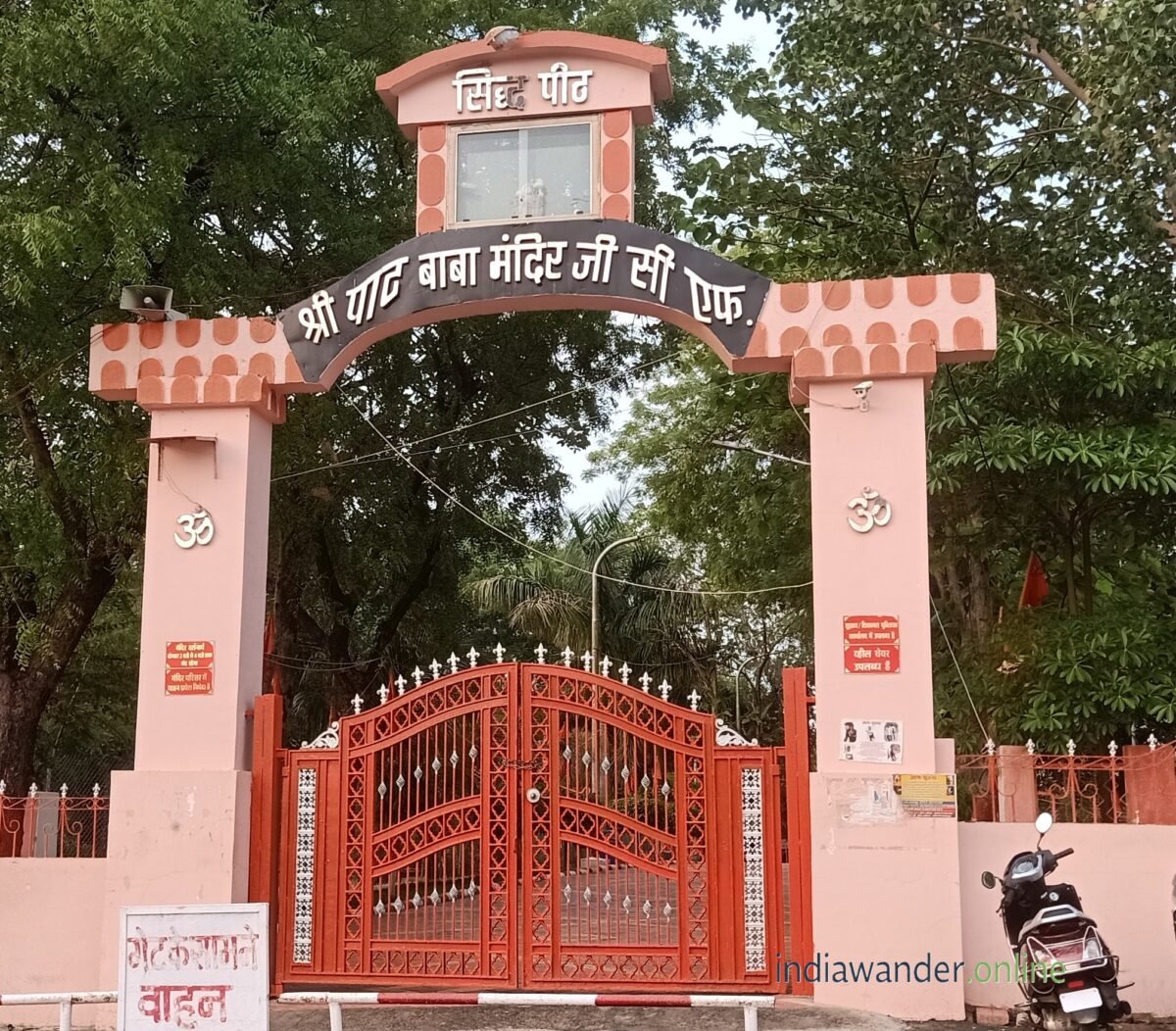
Paat Baba Mandir is a Hanuman temple in Jabalpur, Madhya Pradesh, established in 1903 within the Gun Carriage Factory area. The temple is known for its special Tuesday evening a…
Shri Kala Bhairava Nath Swami Temple
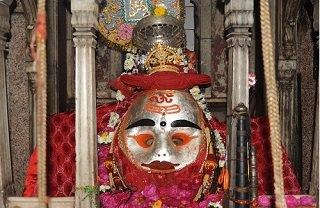
Shri Kala Bhairava Nath Swami Temple is a renowned Hindu shrine dedicated to Lord Bhairava, located in the ancient village of Adegaon in Seoni district, Madhya Pradesh.