Chausath Yogini Temple, Bhedaghat
About Chausath Yogini Temple, Bhedaghat
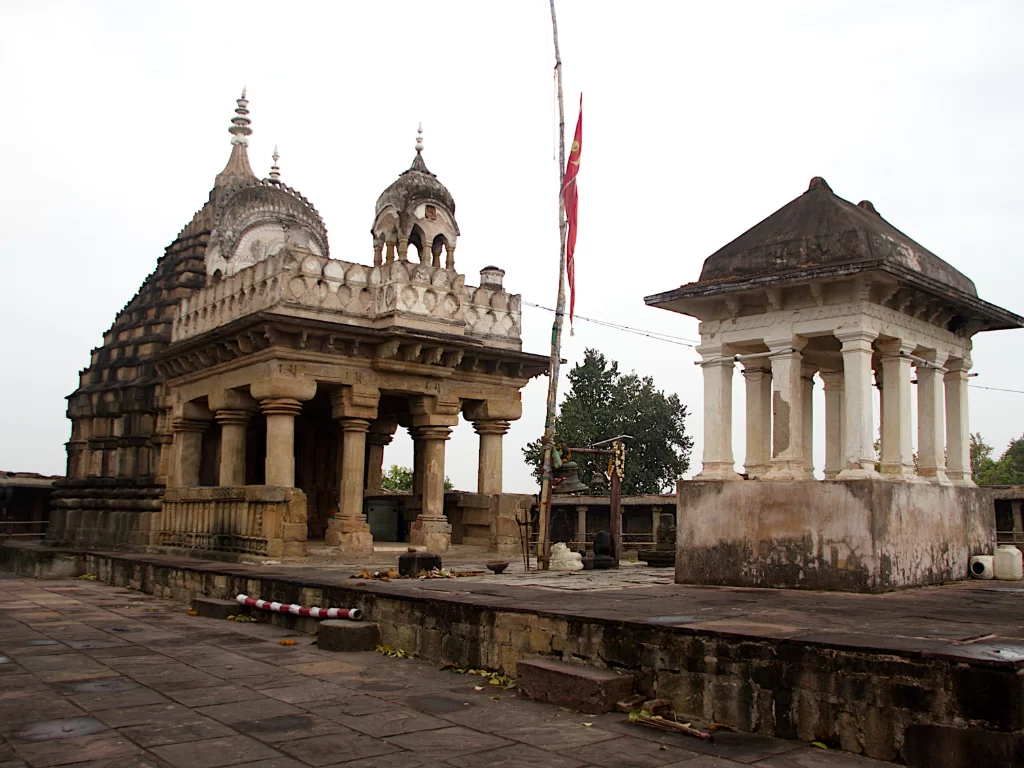
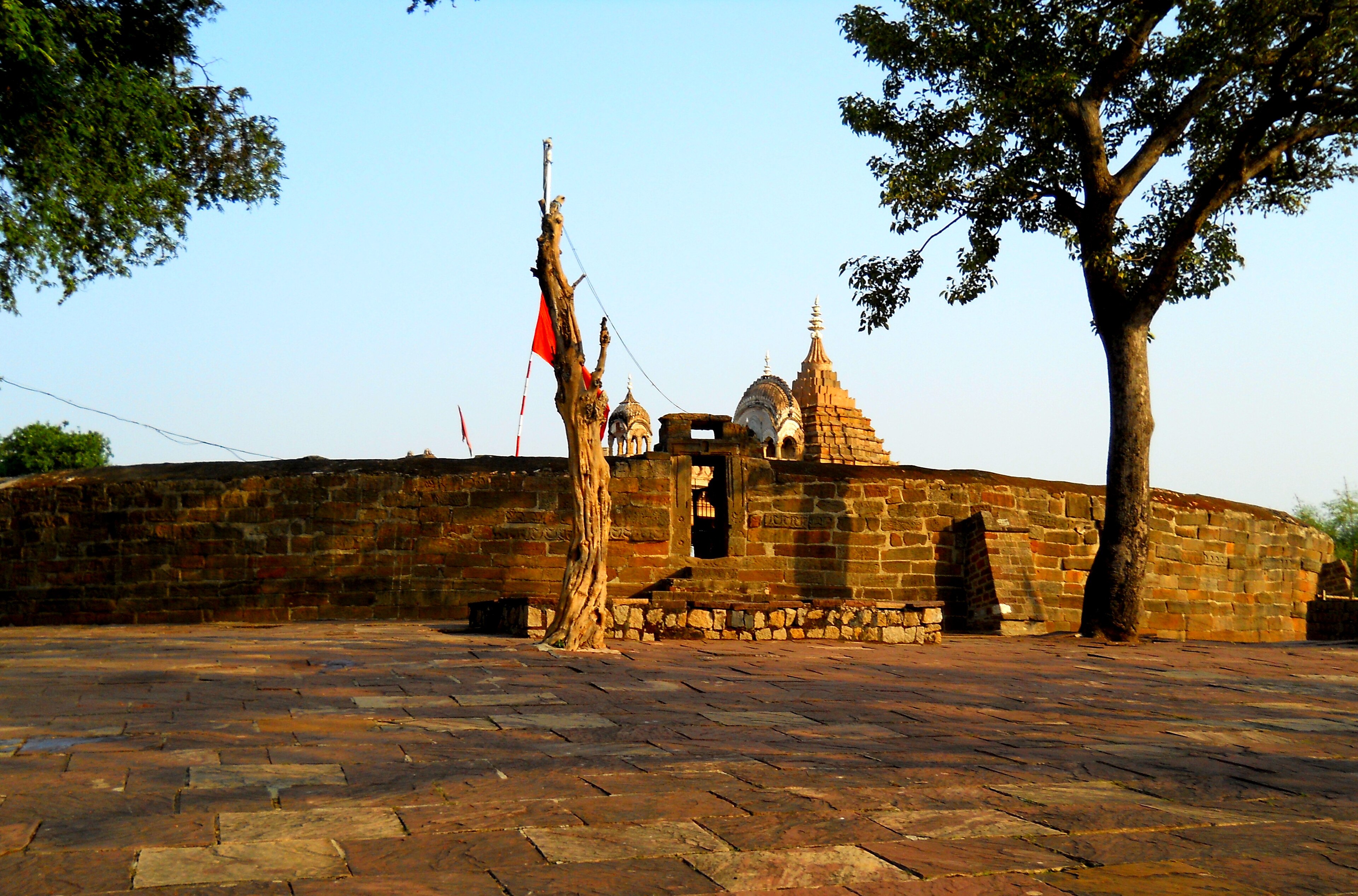
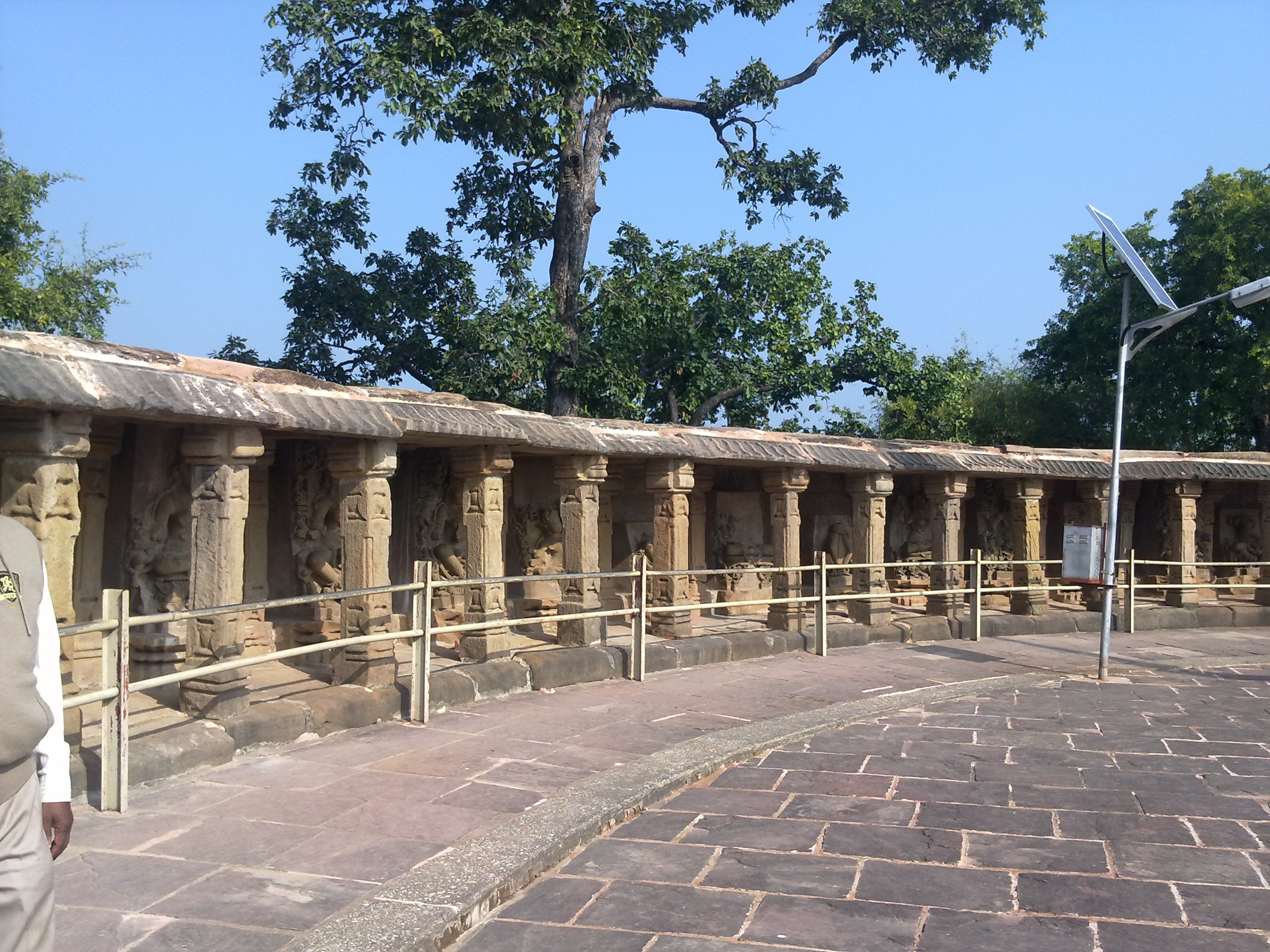
The temple's most distinctive feature is its circular open-air design, which represents the Yoni—a sacred symbol in Hindu tradition—and the wheel of time. This architectural approach differs markedly from the enclosed sanctums typical of many Hindu temples, creating an open courtyard where the individual shrines for the Yoginis are arranged. At the center of this courtyard stands a later-constructed shrine dedicated to Lord Shiva and Goddess Parvati depicted together riding a bull, which remains in good condition. The temple's position on a hilltop above the Narmada River affords panoramic views of the surrounding marble landscape and river valley, making the setting itself integral to the devotional experience.
Darshan and Daily Worship
The temple opens daily from 6:00 AM to 6:30 PM for darshan. An evening aarti is performed at sunset, marking the primary ritual observance. Visitors should plan their visit according to these timings, noting that hours may vary on festival days—confirmation with the temple before travel is advisable. The open-air circular design means that worship here differs from the enclosed temple experience; devotees move through the courtyard to visit the individual shrines and the central Shiva-Parvati shrine. As with most Hindu temples, visitors are expected to remove footwear before entering the sacred space and to dress modestly.
Major Festivals
Kartik Purnima and Diwali are noted as major festival periods at the temple. These are significant observances in the Hindu calendar—Kartik Purnima falls in the lunar month of Kartik (October–November), while Diwali occurs in the month of Kartik as well. Visiting during these festivals offers the opportunity to witness heightened devotional activity, though the temple will be more crowded. Early morning or late afternoon visits outside festival periods provide cooler weather and clearer views of the surrounding landscape.
Historical Damage and Preservation
Many of the original Yogini idols were damaged during historical invasions, a common fate for temples in medieval Central India. The central Shiva-Parvati shrine, constructed later than the original temple structure, has survived in remarkably preserved condition. This layering of construction periods reflects the temple's long history and the efforts made to maintain worship at the site despite past disruptions. The Archaeological Survey of India's protection of the monument ensures ongoing conservation work.
Visiting Information and Access
The temple is located in Bhedaghat, approximately 5 kilometers from Jabalpur city center in Madhya Pradesh. The coordinates are 23.1297°N, 79.8013°E. Best times to visit are early morning or late afternoon when temperatures are cooler and the light enhances views of the Narmada River valley and marble landscape. Visitors should wear comfortable walking shoes suitable for removal, carry water, and allow time to move through the circular courtyard and visit multiple shrines. The hilltop location means the approach involves some climbing. As an open-air temple, it offers no shelter from sun or rain, so plan accordingly. The site's significance as both a pilgrimage destination and an archaeological monument means visitors may encounter both devotees and those interested in medieval Hindu architecture and religious history.
How to reach

Temples near Chausath Yogini Temple, Bhedaghat
Paat Baba Mandir
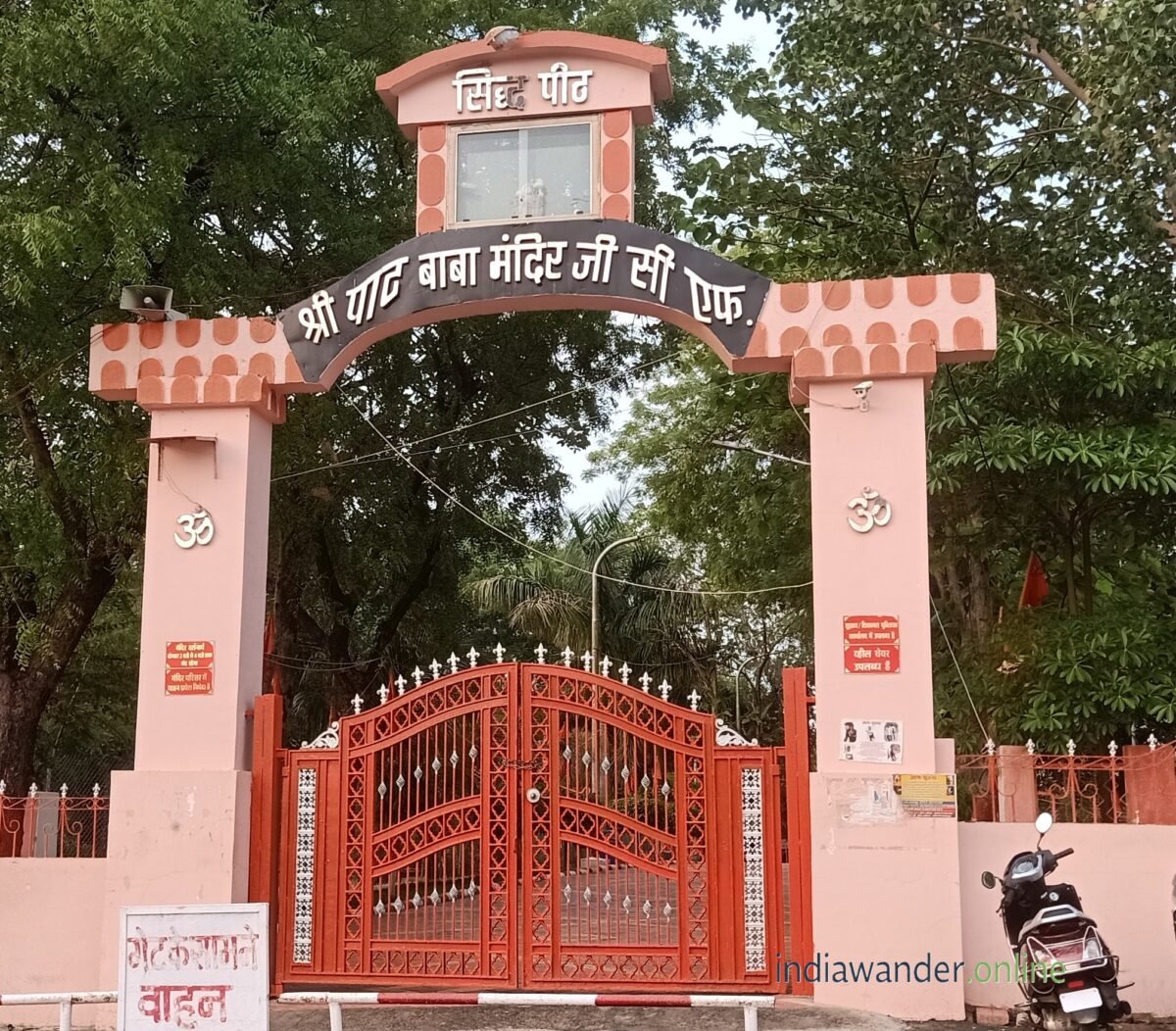
Paat Baba Mandir is a Hanuman temple in Jabalpur, Madhya Pradesh, established in 1903 within the Gun Carriage Factory area. The temple is known for its special Tuesday evening a…
Nohleshwar Temple
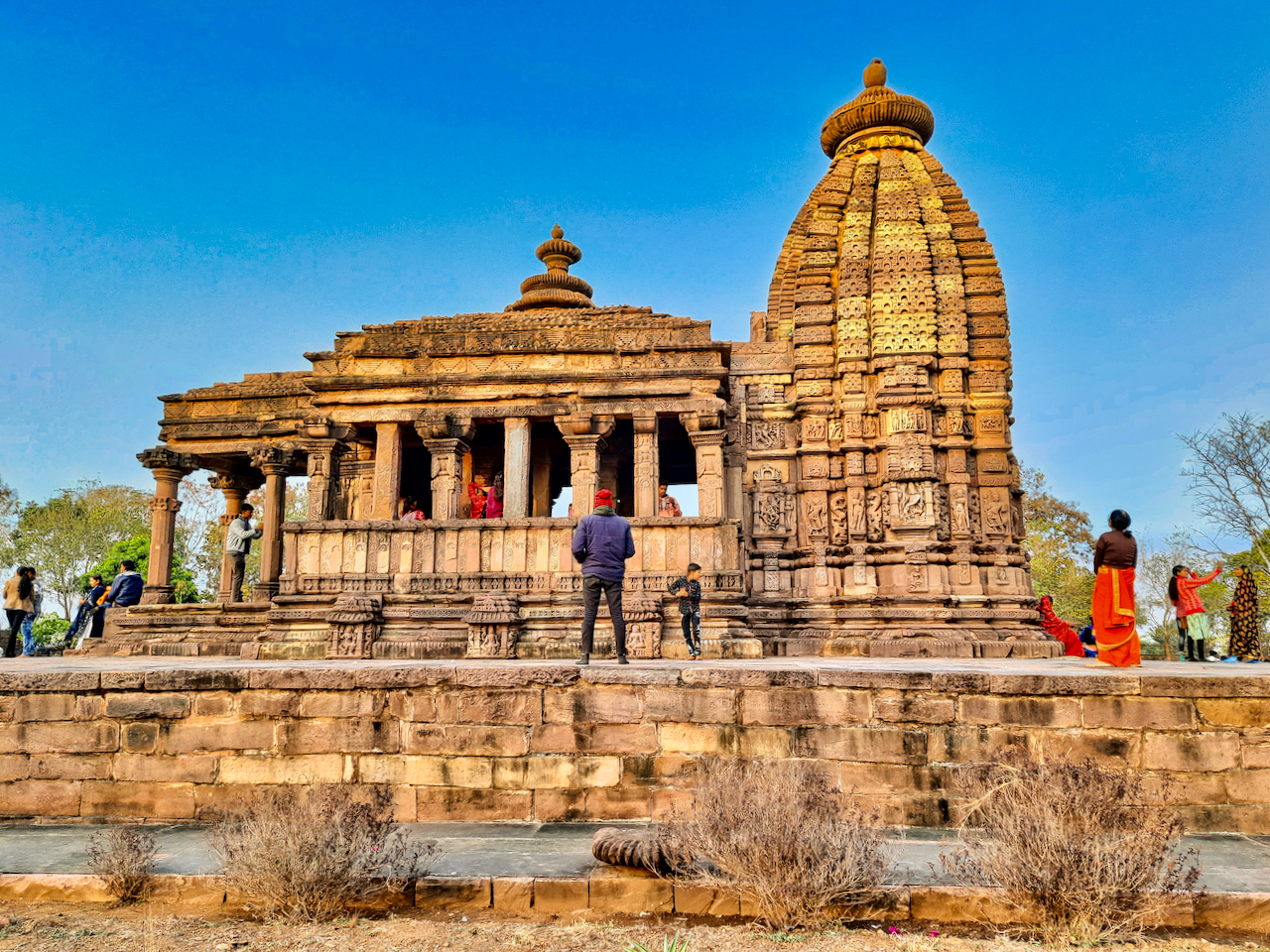
Nohleshwar Temple is a 10th-century Shiva temple located in Nohta village, Damoh district, Madhya Pradesh, built in the Kalachuri architectural style and protected as a national…
Mahadeva temple, Nohta
Nohleshwar Temple in Nohta is a 10th-century Shiva shrine built in the Kalchury architectural style, located approximately 1 km from Nohta village in Damoh district, Madhya Prad…
Shri Kala Bhairava Nath Swami Temple
Shri Kala Bhairava Nath Swami Temple is a renowned Hindu shrine dedicated to Lord Bhairava, located in the ancient village of Adegaon in Seoni district, Madhya Pradesh.

Tigawa
Sri Venkateswara Temple at Tirumala is one of India's most visited pilgrimage sites, dedicated to Lord Venkateswara. The temple maintains an extensive daily worship schedule spa…
Harsiddhi Devi Mandir, Rangir
Harsiddhi Devi Mandir in Rangir, Sagar District, Madhya Pradesh is a Hindu temple dedicated to Goddess Harsiddhi, revered for fulfilling devotees' wishes and offering a serene s…