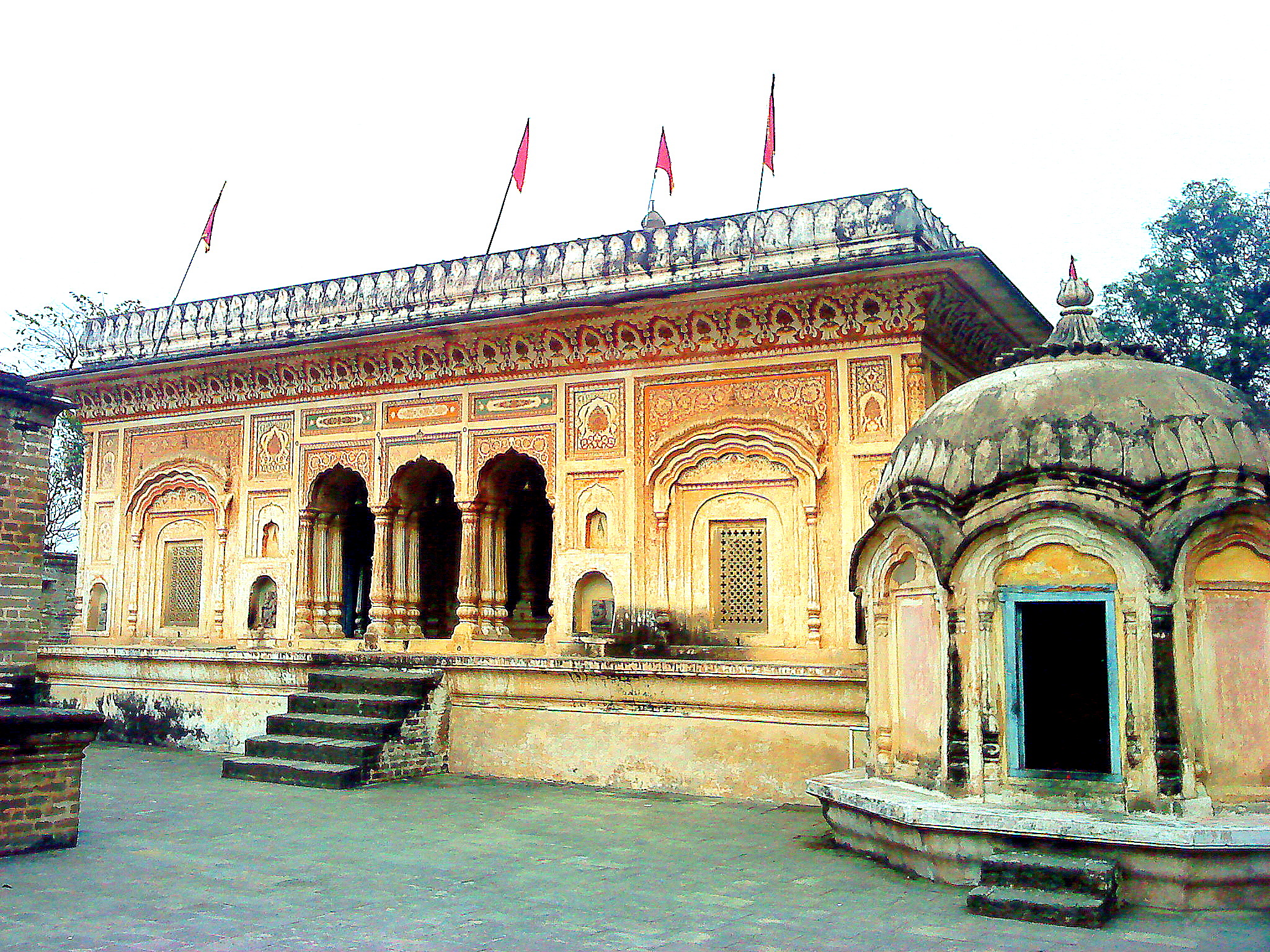
Narbadeshwar Temple
About Narbadeshwar Temple
Sujanpur Tira is situated in Hamirpur district, part of Himachal Pradesh's lower Himalayan region. The area lies in northwestern India, accessible by road from major towns in the state. Visitors planning to reach the temple should arrange transport to Hamirpur district and then to Sujanpur Tira. The specific road conditions, nearest railway station, and local transport options are best confirmed with current travel resources, as infrastructure details change seasonally in hill regions.
Visiting the Temple
Visitors to Hindu temples typically observe basic etiquette: removing shoes before entering the sanctum, dressing modestly, and maintaining respectful silence during worship. Many temples request that visitors refrain from photography inside the inner shrine. It is advisable to check locally for current visiting hours, as these may vary by season or special observances. Temple staff or local residents in Sujanpur Tira can provide guidance on the best times to visit and any specific customs observed at this particular shrine.
Devotees often bring offerings such as flowers, incense, or sweets to present at the altar. These are typically available for purchase near temple entrances. If you wish to perform a specific ritual or puja (worship ceremony), inquire with temple priests about availability and any associated fees.
Worship and Daily Rituals
Shiva temples typically conduct daily rituals centered on the lingam, beginning with early morning ablutions and prayers. The main worship periods usually occur in the morning and evening, though exact timings vary by temple. Devotees may participate in these rituals or simply sit in meditation within the temple grounds. Many visitors time their visits to coincide with the evening aarti (ritual of light), when priests perform ceremonial worship with lamps and bells.
The spiritual atmosphere of a Shiva temple is generally contemplative. Visitors are welcome to sit quietly in the temple premises, though they should be mindful not to disturb ongoing rituals or other worshippers.
Practical Information for Visitors
Before visiting, confirm current opening hours with local sources, as these may change. Dress conservatively—covering shoulders and knees is standard practice at Hindu temples. The Himalayan foothills can be cool, particularly in winter months, so bring appropriate clothing. If you have mobility concerns, inquire locally about accessibility within the temple complex.
Photography policies vary; always ask permission before photographing the deity or inner sanctum. Many temples prohibit this entirely. Respectful behavior—speaking softly, moving slowly, and avoiding disturbance to worshippers—is essential.
The Sacred Landscape
The temple exists within Himachal Pradesh's distinctive geography, where Himalayan valleys and river systems have long held spiritual significance in Hindu tradition. The region's natural beauty and cooler climate have historically attracted both pilgrims and ascetics seeking spiritual practice. Sujanpur Tira itself may offer opportunities to experience the local landscape and community life alongside temple worship, though detailed information about the broader area is best gathered from current travel guides or local contacts.
How to reach
You may also visit
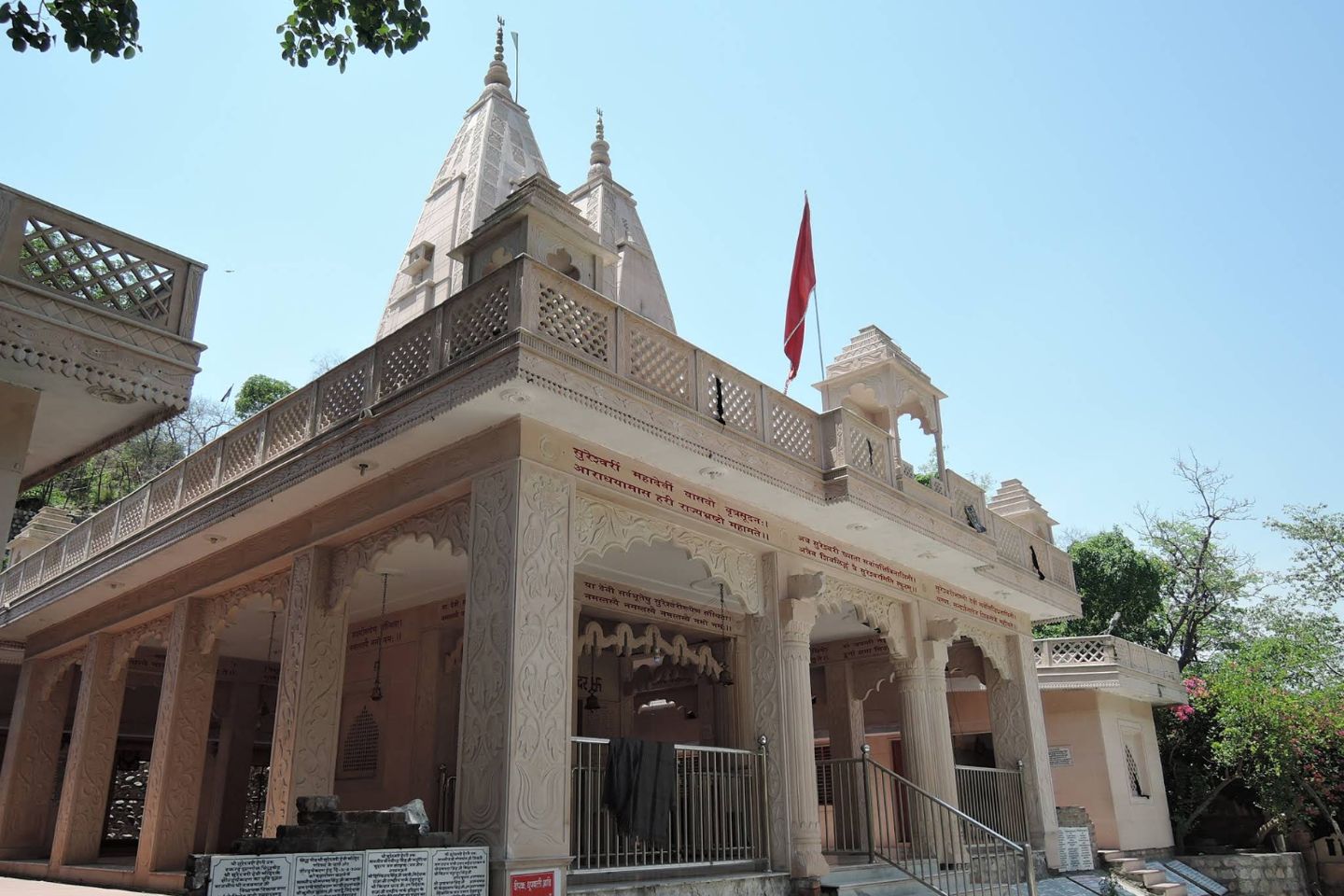
Sureshwari Devi Temple
Sureshwari Devi Temple in Haridwar is a forest shrine dedicated to the goddess, situated within the Ranipur Range area near Rajaji National Park, offering a secluded spiritual e…
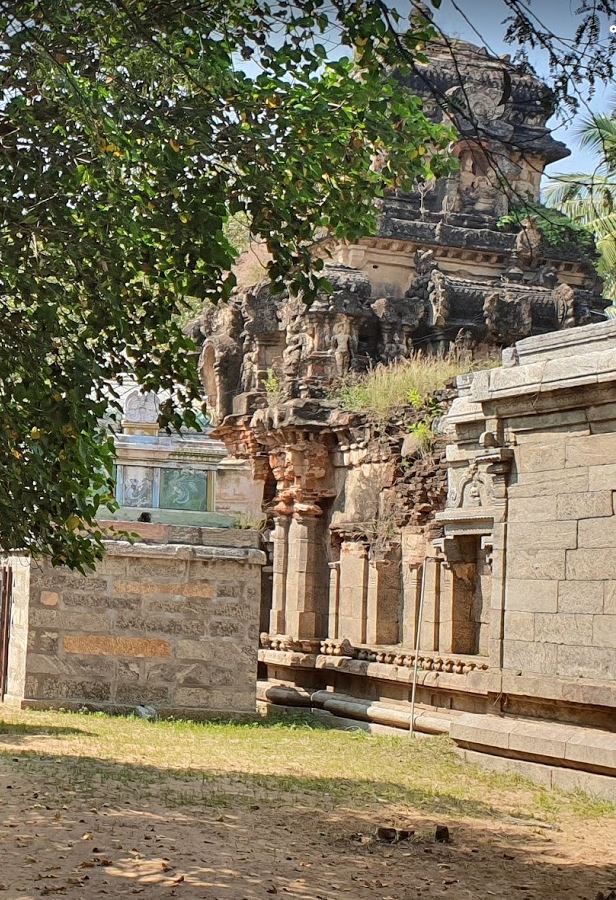
Agatheeswarar Temple, Karur
Agatheeswarar Temple in Thirumukkudalur, Karur district, is an ancient Hindu shrine dedicated to Shiva, situated at the sacred confluence of three rivers and believed to be over…

Shani Shingnapur
Shani Shingnapur is a renowned temple in Maharashtra dedicated to Lord Shani, featuring a self-emerged black stone idol worshipped under open sky. The temple is located in a uni…
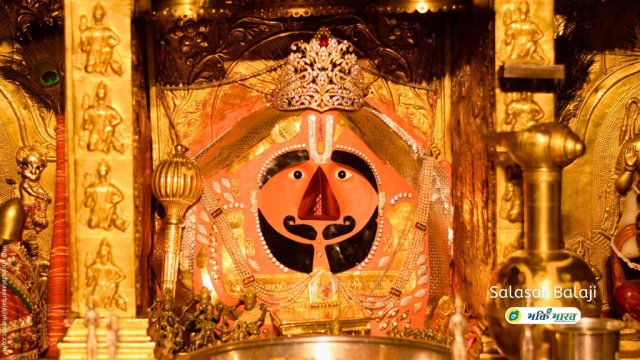
Salasar Balaji Temple
Salasar Balaji Temple in Churu district, Rajasthan, is a revered shrine dedicated to Lord Hanuman, distinguished by its unique depiction of the deity with a round face, beard, a…

Kamaksha
Arulmigu Kamakshi Amman Temple in Mangadu, near Chennai, is dedicated to the goddess Kamakshi, an aspect of Adi Parashakti. According to legend, the goddess performed austeritie…
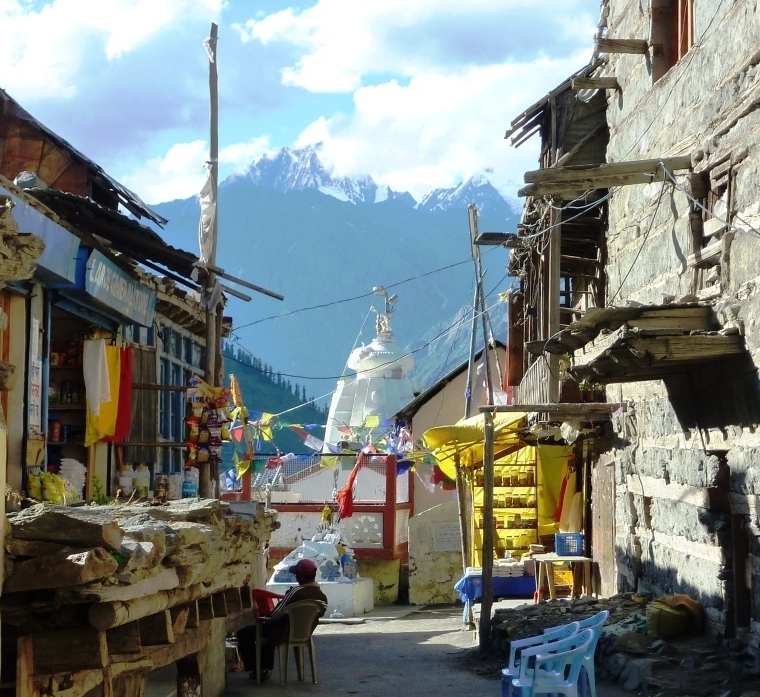
Trilokinath Temple at Tunde
The Trilokinath Temple in Tunde is an ancient shrine venerated by both Hindus and Buddhists, situated at 2,760 metres in the Lahul and Spiti District of Himachal Pradesh. Hindus…