Nalukulangara Devi Temple
About Nalukulangara Devi Temple
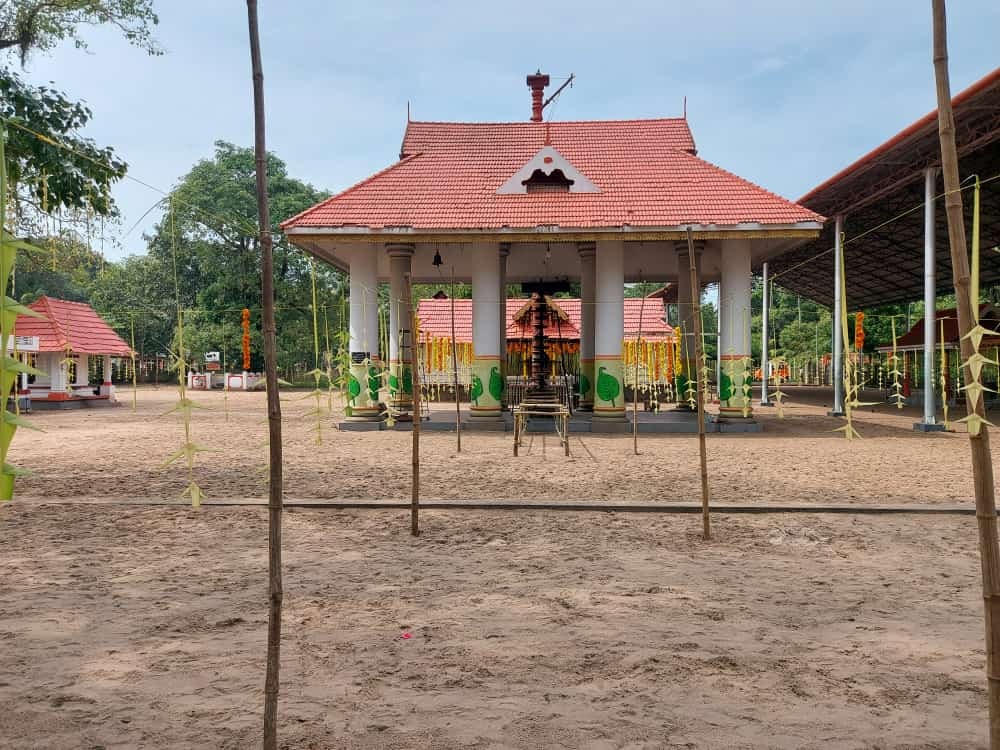
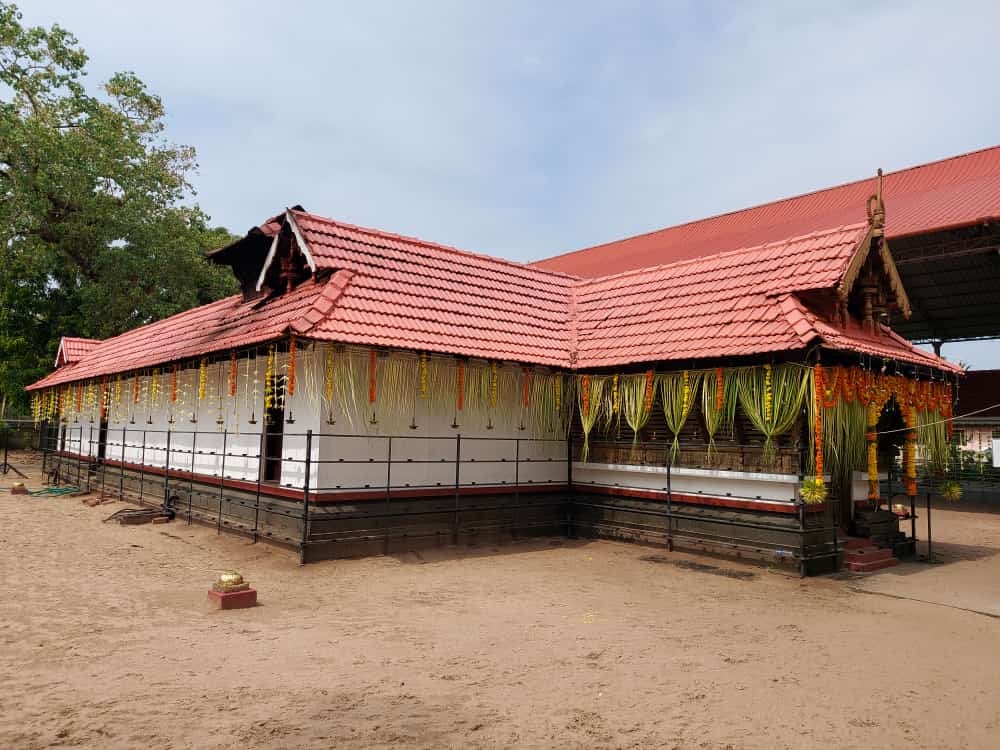
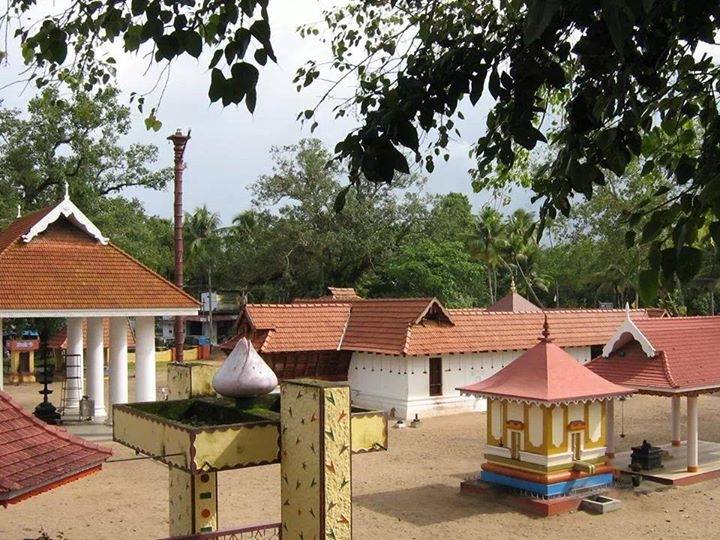
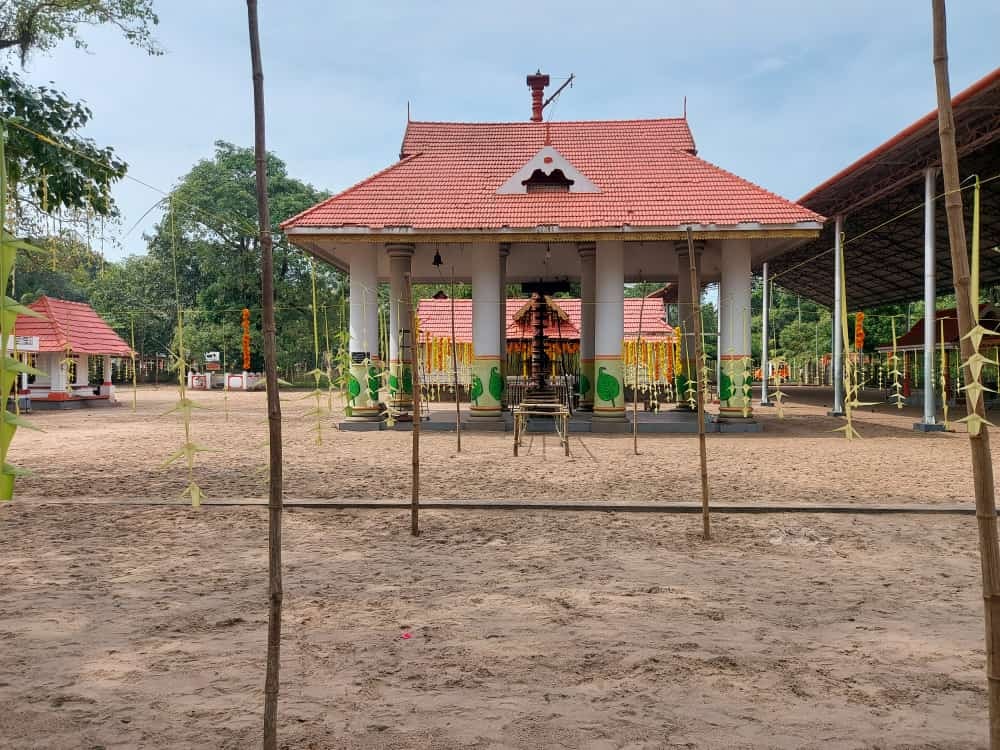
The temple's most significant annual observance is the Nalukulangara Pooram, celebrated during the Makaram month (December to January). The festival extends across eight days, beginning on the Rohini nakshatra and concluding on the Pooram nakshatra. During this period, the temple becomes a hub of traditional Kerala temple arts and music, drawing both devotees and visitors from surrounding areas. A procession featuring caparisoned elephants forms the ceremonial centerpiece of the celebrations, embodying the grandeur characteristic of major Kerala temple festivals. This Pooram represents the culmination of the temple's annual ritual calendar and offers an opportunity to witness the deity's worship in its most elaborate and communal form. Visitors planning to attend during this season should anticipate larger crowds and arrange accommodation well in advance.
The temple also observes Vrichikom 1st Pongala, a festival dedicated to women's worship and participation. This observance reflects the broader Kerala temple tradition of creating dedicated occasions for women devotees to engage in ritual practice.
Daily Worship and Darshan
Throughout the year, the temple maintains regular worship of Bhadrakali and the subsidiary deities. Devotees visit to receive darshan—the direct sight of the deity—and to participate in the temple's ritual life. The specific timings of aarti (ritual worship with light) and darshan hours vary seasonally and according to festival schedules, and visitors should confirm these directly with the temple before planning their visit. Temples of this tradition typically observe multiple worship periods daily, though exact schedules are best verified on arrival or through prior contact.
Visiting the Temple
Modest dress is expected when entering the shrine, following conventions observed at Hindu temples. This typically means covering shoulders and legs appropriately. Visitors should be prepared for the possibility of larger crowds, particularly during festival seasons and weekends. The temple's location in Kuthiathode Panchayath, approximately one kilometer from Pattukulangara Junction, makes it accessible to those traveling through the Alappuzha region. The specific facilities available to visitors—such as parking, ablution areas, or prasadam distribution—are best confirmed directly with the temple authorities.
Location and Access
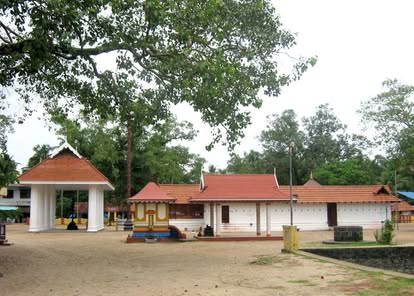
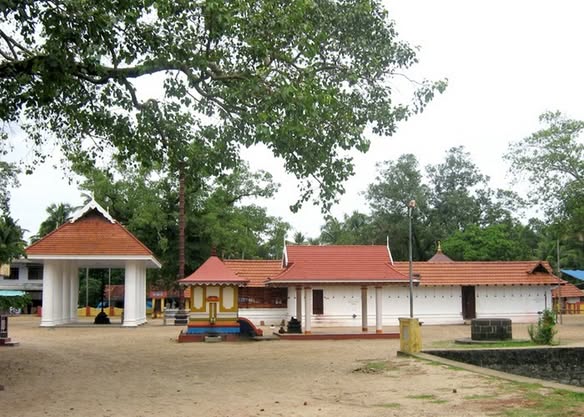
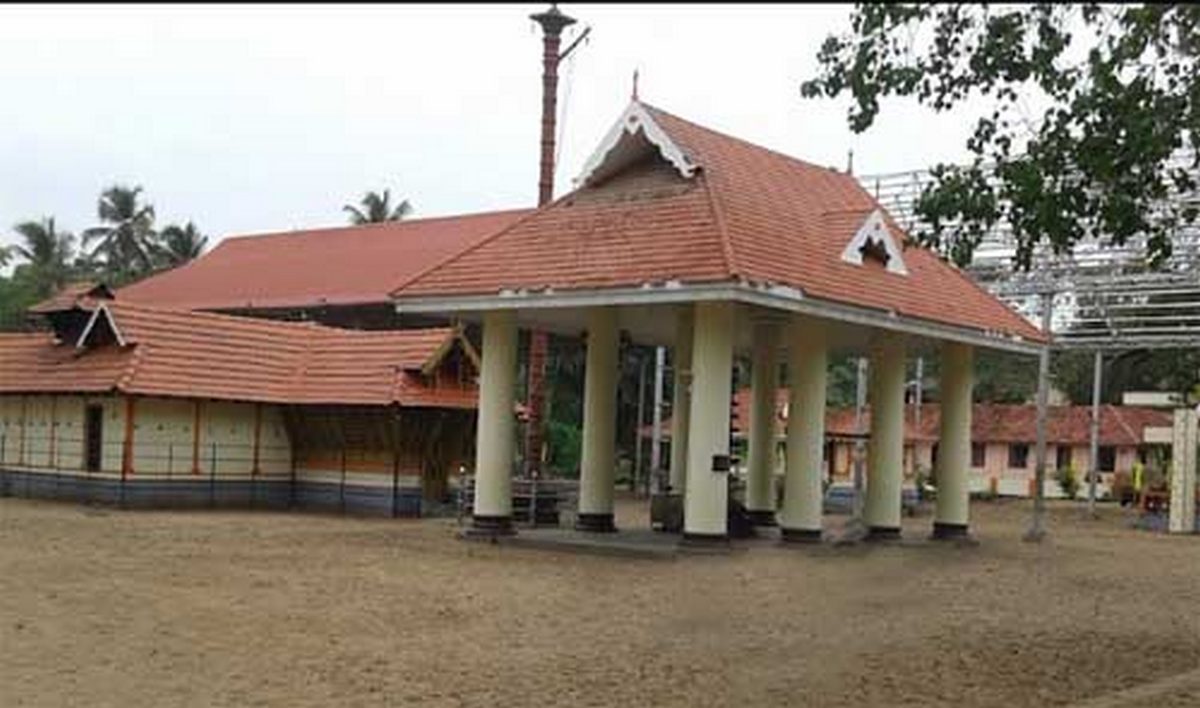
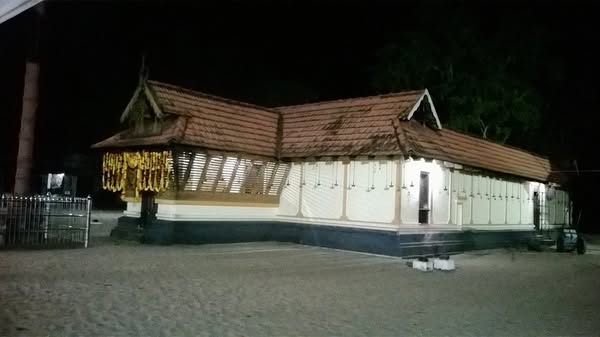
The temple is situated at Thuravoor Thekku in Cherthala, Alappuzha district, Kerala, with coordinates marking its precise location at 9.7805651127714°N, 76.304823255941°E. Its proximity to Pattukulangara Junction provides a reference point for those navigating the area. The shrine's location within the Alappuzha district places it within Kerala's network of significant Devi temples, making it accessible to pilgrims and travelers exploring the region's sacred sites.
How to reach
You may also visit
Kalyanji Temple
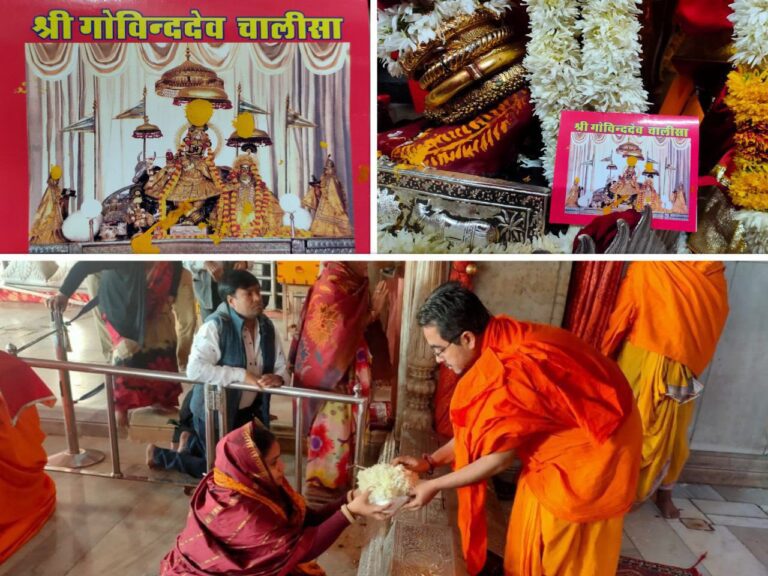
Kalyanji Temple in Jaipur's Chandpol Bazaar is approximately two centuries old and renowned for displaying the twenty-four avatars of Krishna, visible only twice yearly during Akha Teej and Patottsav festival.
Sastha (Ayyappan) Temple
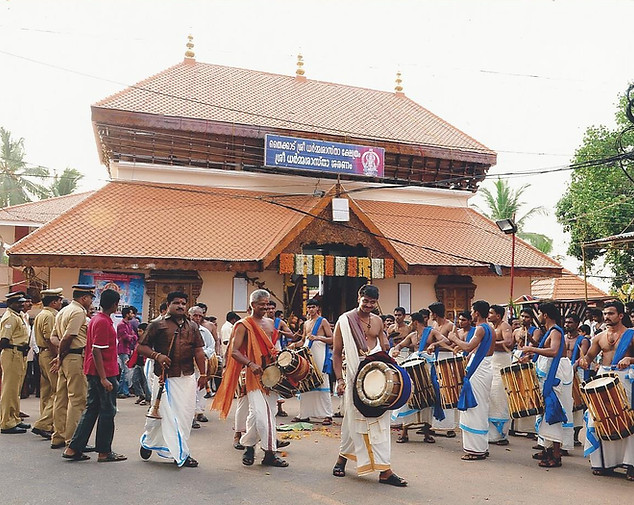
Sree Dharma Sastha Temple in Thycaud, Thiruvananthapuram, is a centuries-old shrine where the deity manifests as Dhanwanthari, the divine healer, holding the sacred blue lotus.
Govindarajaswamy Temple
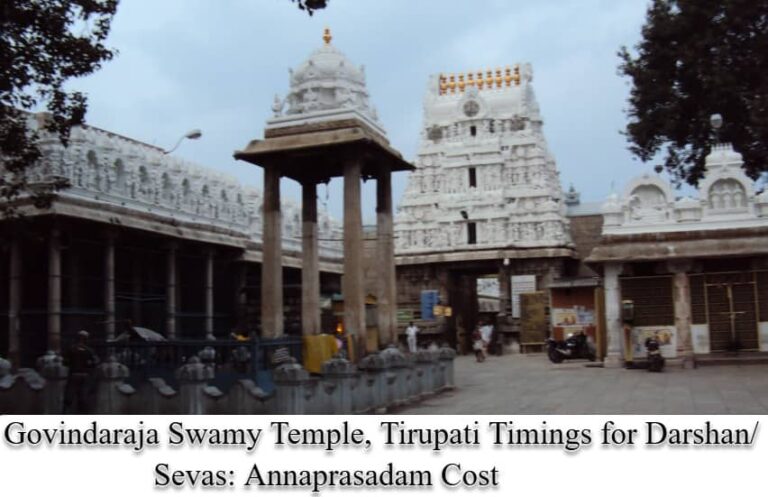
Sri Govindarajaswamy Temple in Tirupati is an ancient Vaishnavaite shrine consecrated in 1130 AD by Saint Ramanuja, where the presiding deity rests in eternal Yoga Nidra on the serpent Adisesha.