Pattanakkad Mahadeva temple
About Pattanakkad Mahadeva temple
The temple's most important occasion is its eight-day festival, which culminates during Mahashivratri in the month of Kumbham (February-March). The festival's centrepiece is the Arattu ceremony—a ritual procession and ceremonial bathing of the deity—which takes place on the fourth quarter of the Amavasya (new moon) day. Depending on the lunar calendar, this timing may extend the festival to nine days. This observance aligns with the broader Mahashivratri celebrations observed across Shiva temples throughout India, when devotees gather for intensified worship and ritual participation. The festival draws worshippers from surrounding areas, making it the temple's most significant annual gathering.
Rituals and Worship Practices
The temple offers a range of poojas and ritual services tailored to different devotional needs and intentions. Abhishekam, the ritual bathing of the deity, is performed to address mental disturbances. Ashtaabhishekam is conducted for family welfare, while Ashtadravya Ganapathy Homam—a fire ritual—is undertaken for prosperity and relief from illness and mental disturbance.
Beyond these foundational practices, the temple provides specialized ceremonies addressing specific concerns. Ayilya Pooja propitiates serpents and alleviates skin ailments. Charadu is performed for protection from negative forces, and Choroonu ensures a child's freedom from want. Adima represents a pooja of total surrender to the divine, sought for children's blessings and overall wellbeing. Bhagavathy Seva is performed for prosperity. Chirappu addresses family prosperity, while Aikyamathya Archana promotes better understanding between people. This diversity of ritual options reflects the temple's role as a centre for addressing both spiritual aspirations and practical concerns of daily life.
Visiting the Temple
The best time to visit is during Kumbham (February-March), particularly during the Mahashivratri festival when the temple's annual observance reaches its culmination. However, the temple remains accessible throughout the year for regular darshan and worship.
The temple is situated at coordinates 9.7306497152948, 76.318292154119 in Pattanakkad, Cherthala Taluk, Alappuzha District, Kerala 688531. Its location along NH-66 makes it reasonably accessible by road. Visitors should dress modestly, as is customary at Hindu temples, and remove footwear before entering the sanctum. Those wishing to participate in specific poojas or ritual services should inquire at the temple about availability, timing, and any associated offerings or fees. The temple's staff can provide guidance on which rituals suit particular intentions or occasions.
Planning Your Visit
Visitors arriving during the Mahashivratri festival should expect larger crowds and plan accordingly. The festival's culmination in the Arattu ceremony represents the temple's most vibrant ritual occasion. Outside festival periods, the temple typically offers a quieter environment for personal worship and reflection.
For those arranging poojas in advance, the temple accepts requests for various ritual services. Devotees should check current timings and any specific requirements before visiting, as temple schedules may vary seasonally or due to special observances. The temple's location on a major national highway means it is reasonably accessible, though visitors should allow time for parking and approach given the surrounding traffic.
How to reach
Temples near Pattanakkad Mahadeva temple
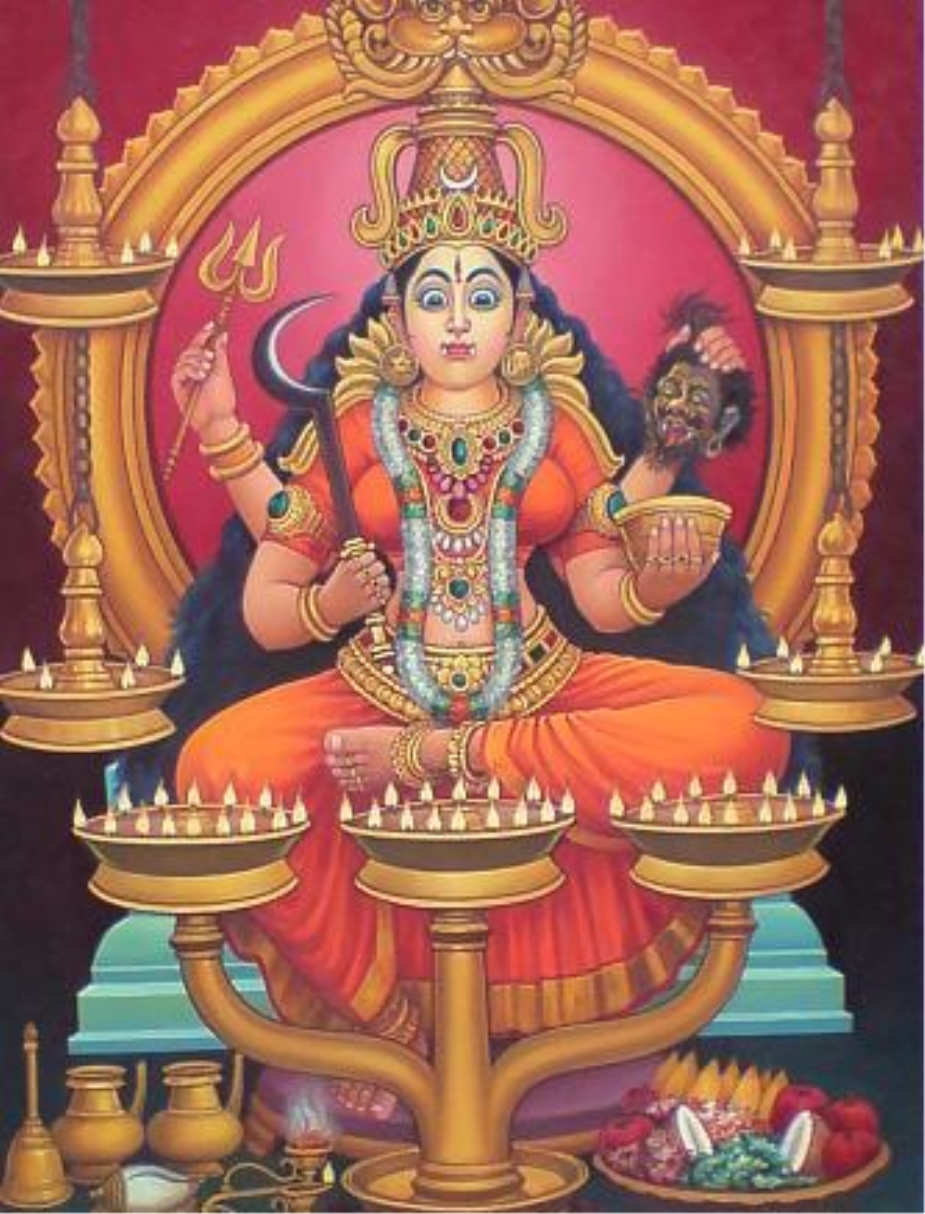
Puthiyakavu Devi temple
Puthiyakavu Devi Temple in Kottayam, Kerala is a shrine dedicated to Goddess Durga that serves as a resting place for Sabarimala pilgrims. The temple observes traditional Kerala…

Koyikkal temple
Vadakkan Koyikkal temple is a Devi shrine dedicated to Sree Parvathy Devi, located in Puthiyavila village near Kayamkulam in Alappuzha district, Kerala, with a history spanning…
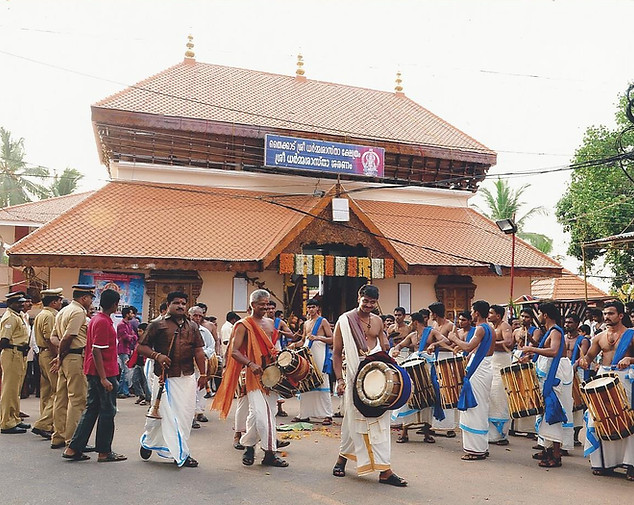
Shaktheeswaram Temple
Shaktheeswaram Temple in Kottayam is a center for Shaktism dedicated to Goddess Adi Parashakti, offering tantric worship and the sacred Sri Chakra Pooja under the guidance of He…

Velorvattom Sri Mahadeva Temple
Velorvattom Sri Mahadeva Temple in Cherthala, Alappuzha district, is a 7th-century Shiva temple established by Azhvanchery Thamprakkal and consecrated by sage Parasurama. It is…
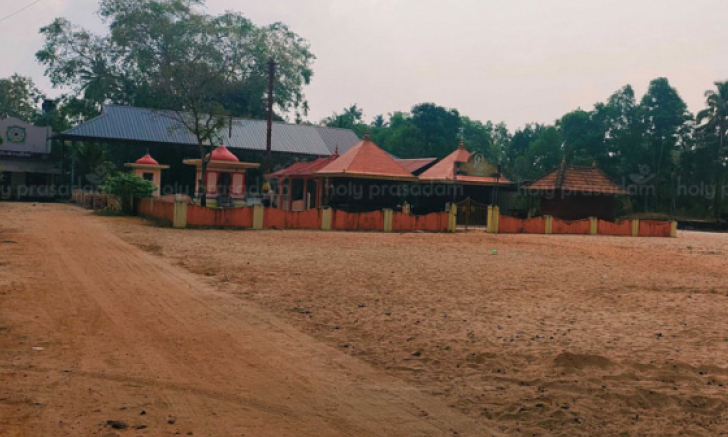
Visakhapuram Muruga Temple
Visakhapuram Lord Muruga Temple is a South Indian-style shrine dedicated to Lord Muruga located in Cherthala, Alappuzha district, Kerala. The approximately century-old temple fe…
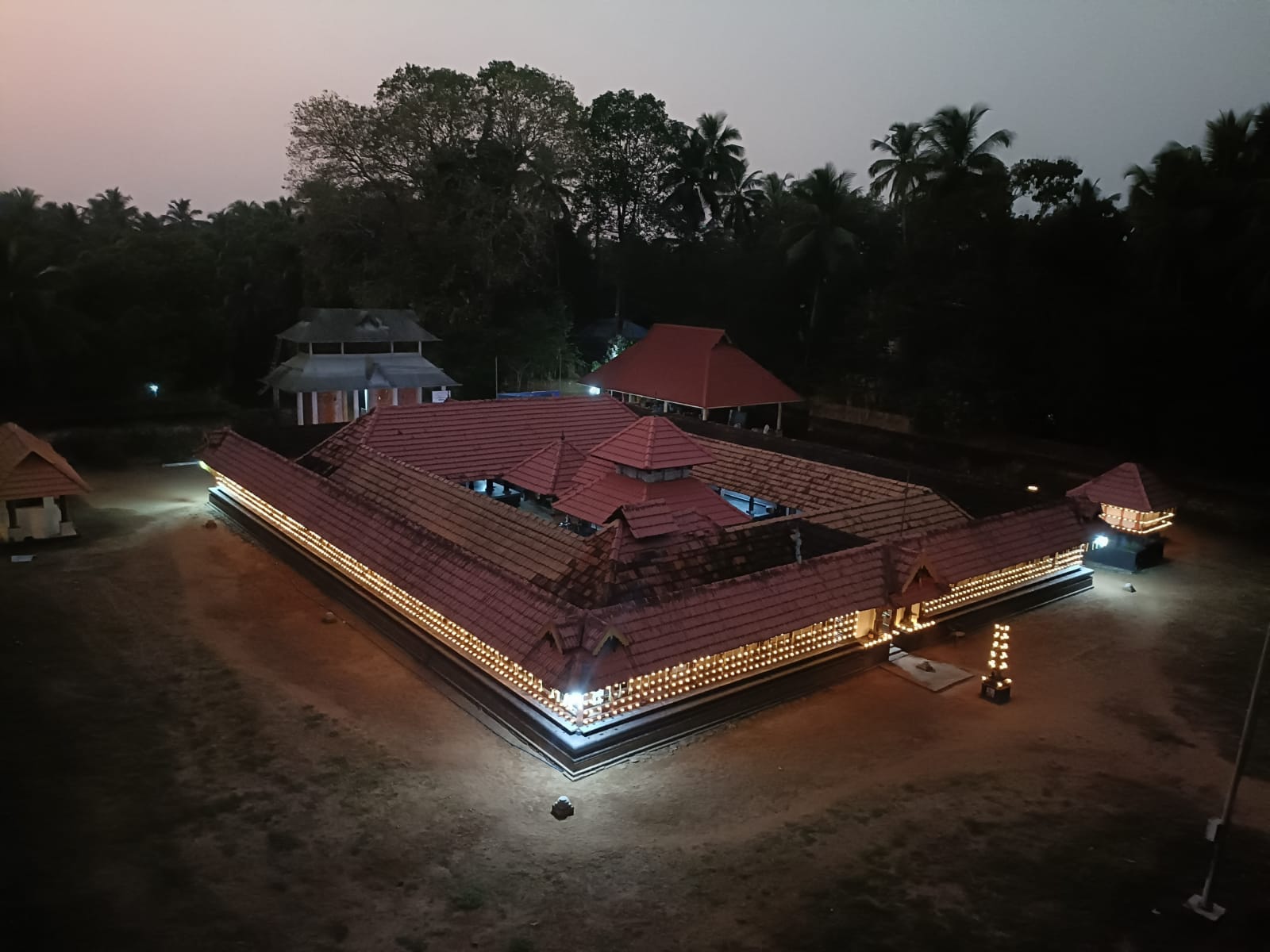
Govindapuram Krishna Temple
Sree Govindapuram Maha Vishnu Temple is an ancient shrine in Punnayurkulam, Thrissur District, Kerala, believed to have been consecrated during the Dwapara Yuga. The deity uniqu…