
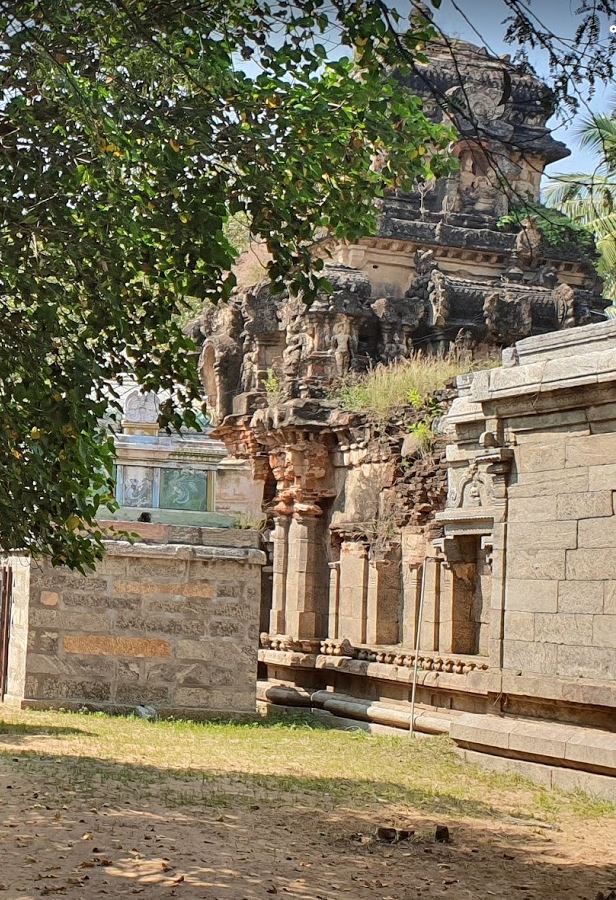
Koyikkal temple
About Koyikkal temple
The temple is located at coordinates 9.7386169213169, 76.338614745918 in Puthiyavila village, Alappuzha. Visitors approaching the shrine should dress modestly, as is customary at Hindu temples. Women typically wear sarees or salwar kameez; men wear dhotis or simple trousers. Footwear is removed before entering the sanctum, following standard temple protocol.
Specific information regarding darshan timings, entry fees, and current facilities at the temple is not available from the sources provided. Before planning a visit, it is advisable to contact local sources in Alappuzha or nearby Kayamkulam for details about opening hours, any restrictions on photography, and the availability of prasadam (blessed offerings). The backwater setting of the region means that travel during monsoon seasons may require additional planning.
Reaching Koyikkal Temple
Alappuzha district is well connected by road to major towns across Kerala. The nearest significant town is Kayamkulam, which lies close to the temple's location. Visitors traveling by road can reach Puthiyavila village via local routes from Alappuzha town or from Kayamkulam. Public transport options including buses serve the Alappuzha district, though local inquiry will help identify the most direct routes to Puthiyavila.
For those traveling by rail, Kayamkulam railway station provides access to the region. The backwater landscape of Alappuzha also means that some visitors may approach via water routes, which remain part of the region's traditional transport network.
Worship and Daily Practice
As a Bhagavathi temple, Koyikkal follows the ritual patterns typical of Devi shrines in Kerala. Daily worship at such temples generally involves offerings of flowers, coconut, and other traditional items. The goddess is typically invoked through chanting and ritual observance, with devotees seeking her intervention in matters of health, protection, and family welfare.
The specific liturgical practices, timing of pujas, and the names of priests or temple authorities are not documented in available sources. Visitors interested in participating in or witnessing worship should arrive during standard temple hours and inquire locally about the schedule of major rituals.
The Temple in Its Landscape
The temple's setting in Puthiyavila places it within Kerala's distinctive geography of waterways, paddy fields, and coconut groves. This landscape has historically shaped both the spiritual character of the region and the practical life of its communities. Bhagavathi temples in such settings often serve not only as places of worship but as anchors of village identity and social gathering.
The proximity to Kayamkulam, a town with its own historical significance in Kerala's past, suggests that Koyikkal temple may be part of a broader network of sacred sites in the region, though detailed historical connections are not available from the sources at hand.
What to Know Before You Visit
The sources available do not provide information about specific festivals observed at the temple, accommodation options, or detailed facilities for visitors. Before traveling, contact the temple directly or seek guidance from local tourism offices in Alappuzha to confirm current practices and any special observances.
Visitors should be prepared for the tropical climate of Kerala's backwater region, with appropriate clothing and sun protection. The village setting means that amenities may be limited compared to urban temples, so carrying water and planning meal times accordingly is prudent. As with all Hindu temples, maintaining respectful behavior within the shrine—speaking quietly, following the directions of temple staff, and refraining from pointing at the deity—is essential.
How to reach
Temples near Koyikkal temple
Pattanakkad Mahadeva temple
Pattanakkad Mahadeva Temple is an ancient Shiva shrine in Alappuzha District, Kerala, traditionally counted among the 108 temples consecrated by Parashurama. The temple's princi…
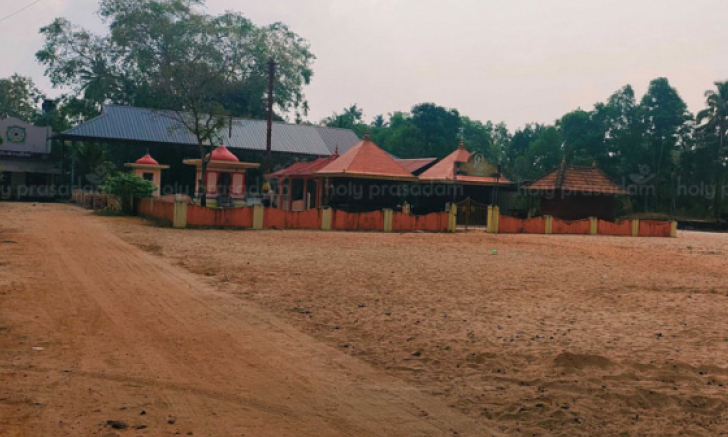
Visakhapuram Muruga Temple
Visakhapuram Lord Muruga Temple is a South Indian-style shrine dedicated to Lord Muruga located in Cherthala, Alappuzha district, Kerala. The approximately century-old temple fe…
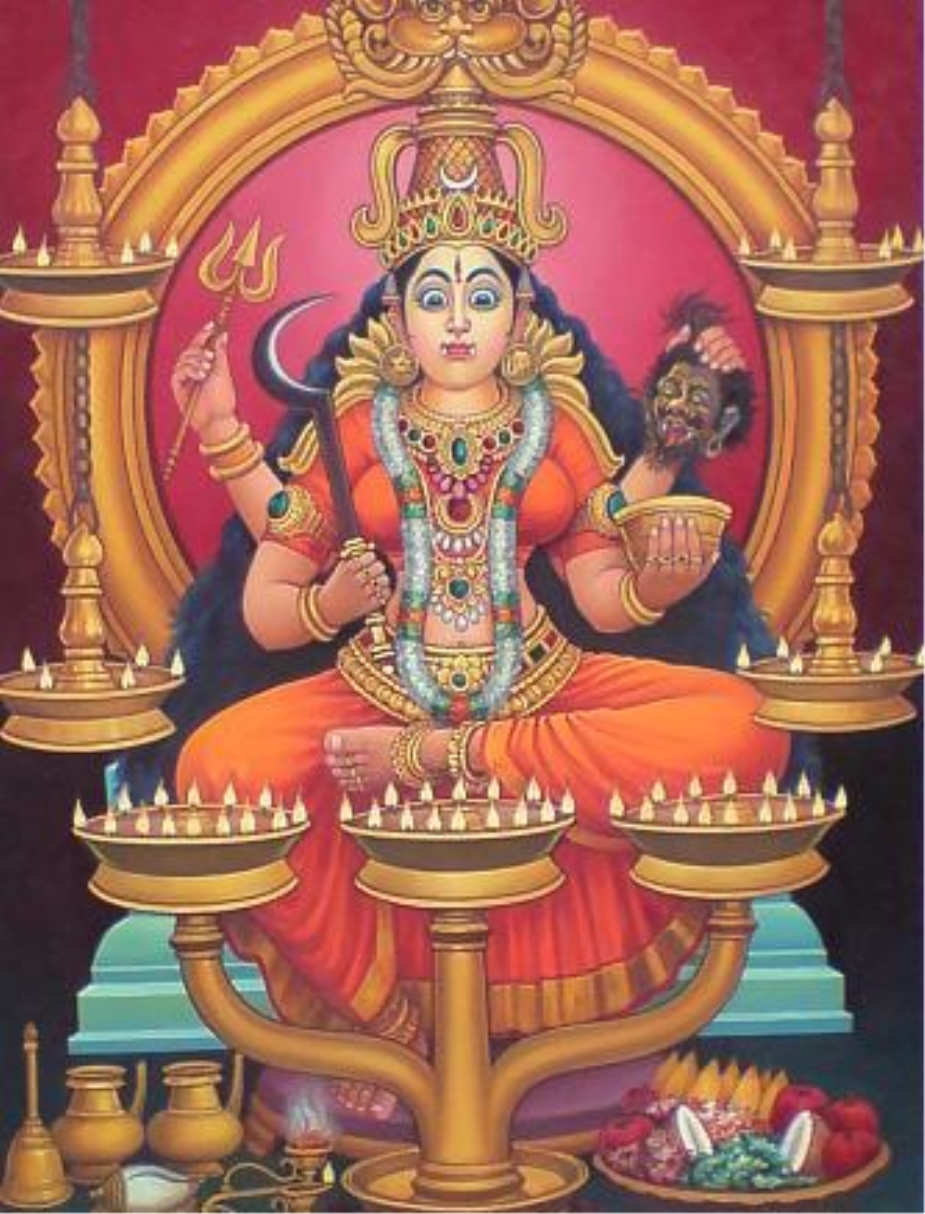
Puthiyakavu Devi temple
Puthiyakavu Devi Temple in Kottayam, Kerala is a shrine dedicated to Goddess Durga that serves as a resting place for Sabarimala pilgrims. The temple observes traditional Kerala…
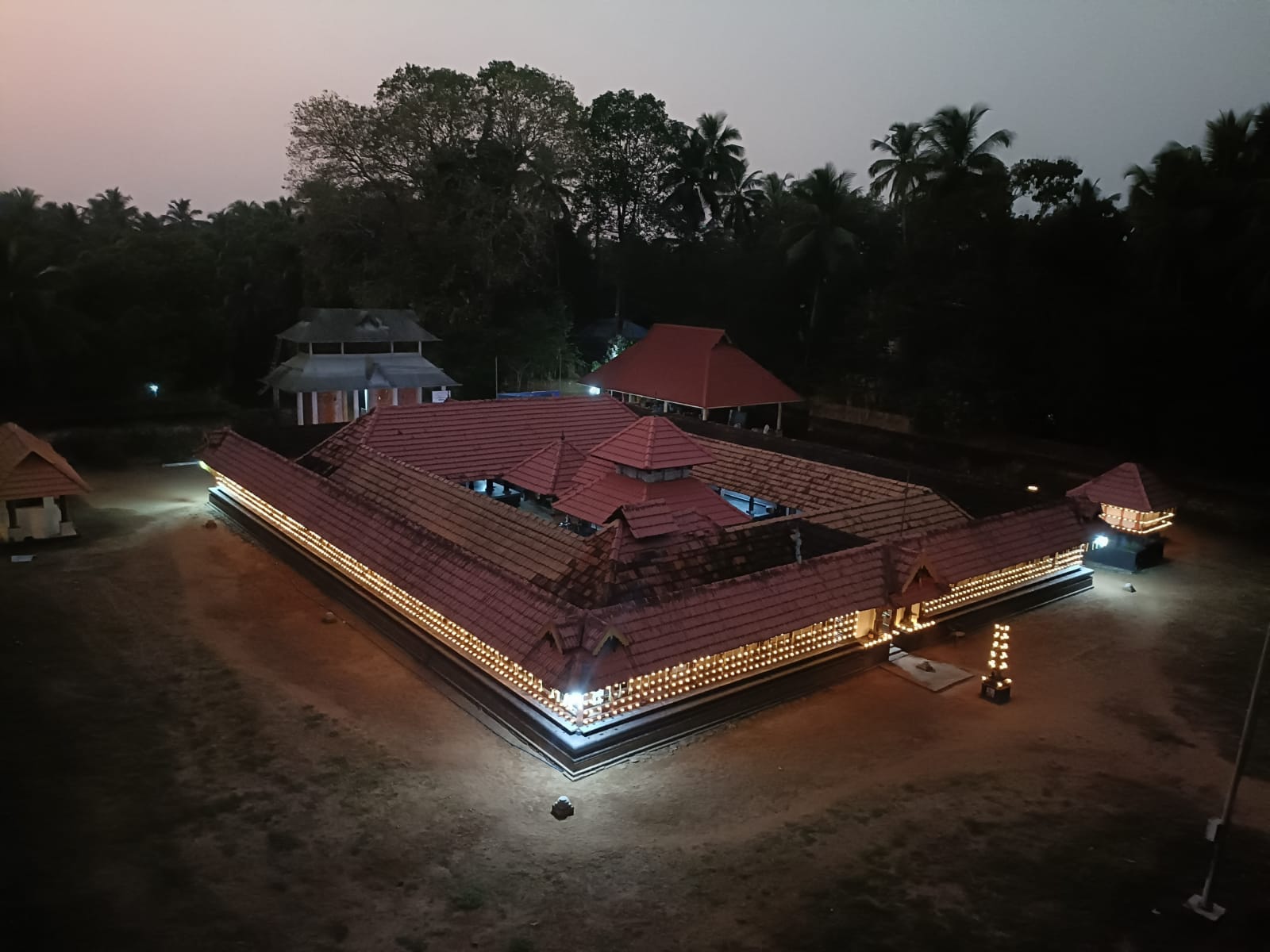
Govindapuram Krishna Temple
Sree Govindapuram Maha Vishnu Temple is an ancient shrine in Punnayurkulam, Thrissur District, Kerala, believed to have been consecrated during the Dwapara Yuga. The deity uniqu…
Shaktheeswaram Temple
Shaktheeswaram Temple in Kottayam is a center for Shaktism dedicated to Goddess Adi Parashakti, offering tantric worship and the sacred Sri Chakra Pooja under the guidance of He…

Velorvattom Sri Mahadeva Temple
Velorvattom Sri Mahadeva Temple in Cherthala, Alappuzha district, is a 7th-century Shiva temple established by Azhvanchery Thamprakkal and consecrated by sage Parasurama. It is…