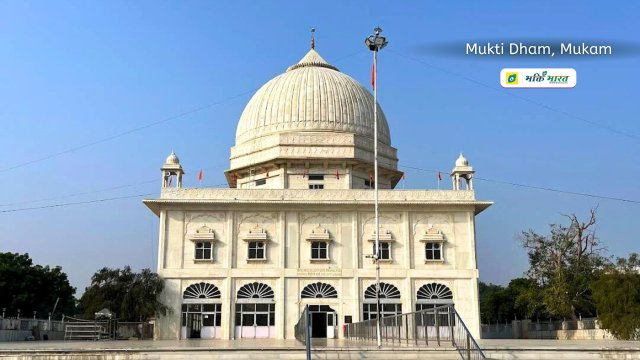

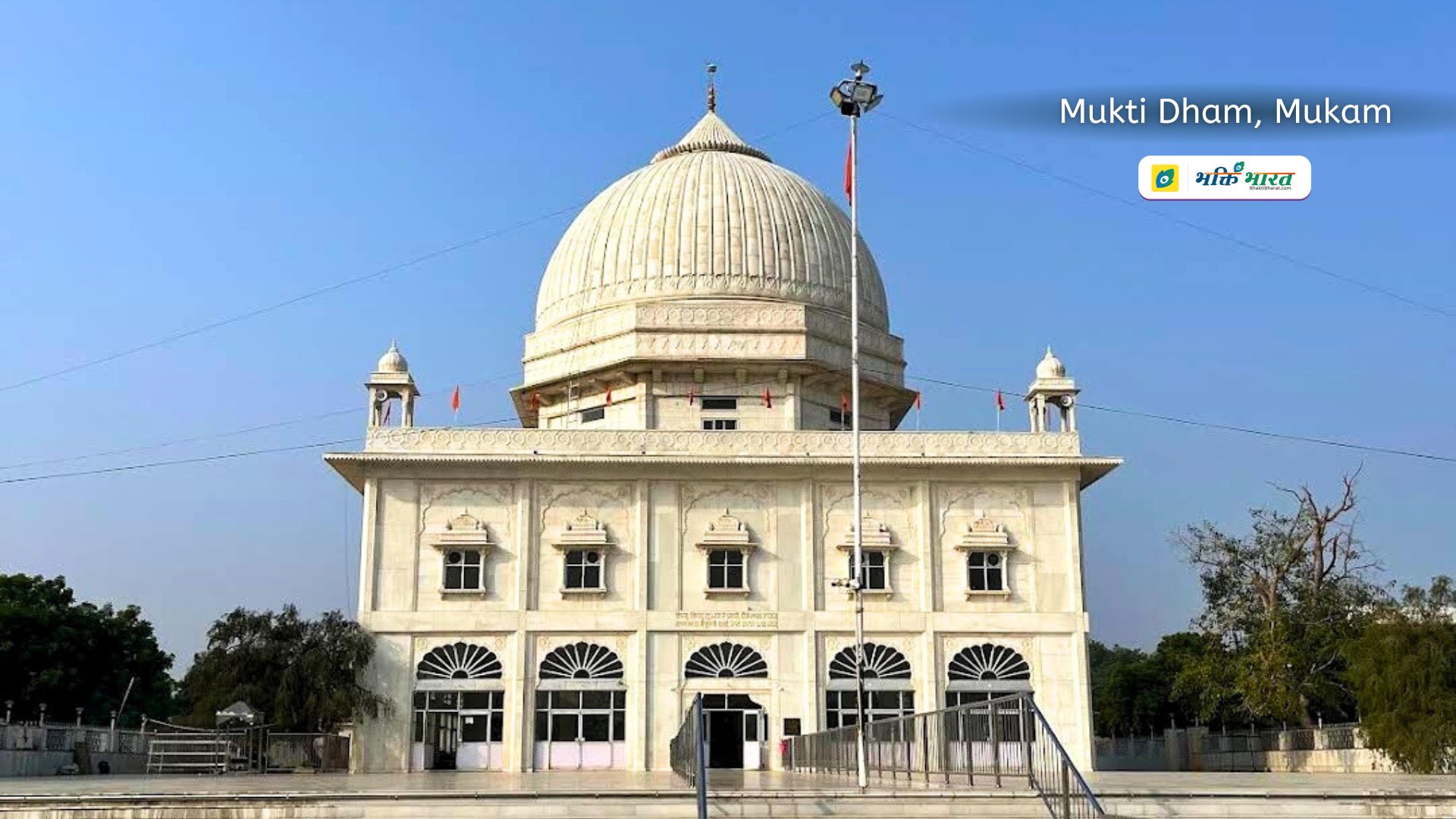
Mukti Dham Mukam
About Mukti Dham Mukam
The temple opens daily for darshan from 04:00 to 20:00, allowing devotees flexible access throughout the day. Visitors should plan their visit according to personal convenience, though certain times draw larger congregations of worshippers. The temple grounds are accessible year-round, making it possible to visit during any season, though specific periods attract heightened pilgrimage activity.
Annual Fairs and Observances
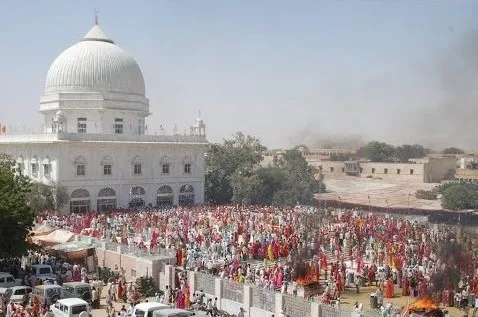
Two major fairs take place annually at Mukti Dham, drawing substantial numbers of devotees. The Phalgun Amavasya fair occurs in February or March, while the Asoj Amavasya fair takes place in September or October. The Asoj fair was established by Saint Vilhoji in Vikram Samvat 1648. Beyond these two principal occasions, every new moon day (Amavasya) sees regular pilgrimage to the site. During these gatherings, devotees perform darshan at the samadhi, receive prasad (blessed food offering), and participate in havan ceremonies where ghee and coconut are offered to purify the environment. Feeding birds is a common practice among visitors, reflecting the Bishnoi emphasis on compassion toward all living creatures.
The Sacred Landscape
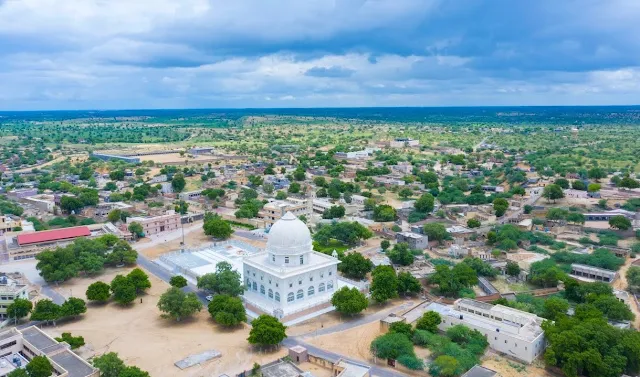
Near the main temple stands Samrathal Dhora, a location where Guru Jambheshwar is said to have performed extended penance and received blessings for the welfare of all beings. Pilgrims typically visit this site as part of their devotional journey and often bathe there. The khejri tree associated with the samadhi location remains a focal point of veneration for Bishnoi worshippers. The temple complex is situated in a peaceful setting that devotees describe as spiritually nourishing.
Reaching Mukti Dham Mukam
The temple is located approximately three kilometres southeast of Mukam village (formerly known as Talwa) in Nokha tehsil, Bikaner district, Rajasthan. It lies roughly 83 kilometres from Bikaner city. The site is well connected by road, making it accessible by vehicle. The nearest railway station is at Bikaner, from which visitors can arrange onward travel to the temple. Those travelling by road will find the location straightforward to reach via the established road network in the region.
Practical Information for Visitors
Visitors should plan to spend several hours at the site to fully experience the temple and its surrounding sacred locations. Modest dress is appropriate when visiting Hindu temples. The temple operates throughout the week, and no specific restrictions on entry days are noted in available sources. Visitors are welcome to participate in the feeding of birds, which aligns with the spiritual values of the Bishnoi community. The peaceful atmosphere and spiritual significance of the location make it a destination for both devotional pilgrimage and quiet reflection.
How to reach
You may also visit
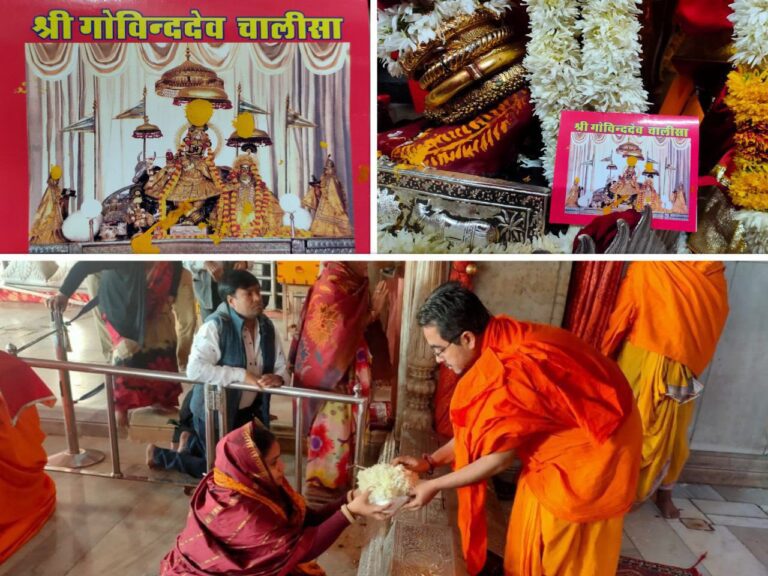
Kalyanji Temple
Kalyanji Temple in Jaipur's Chandpol Bazaar is approximately two centuries old and renowned for displaying the twenty-four avatars of Krishna, visible only twice yearly during Akha Teej and Patottsav festival.
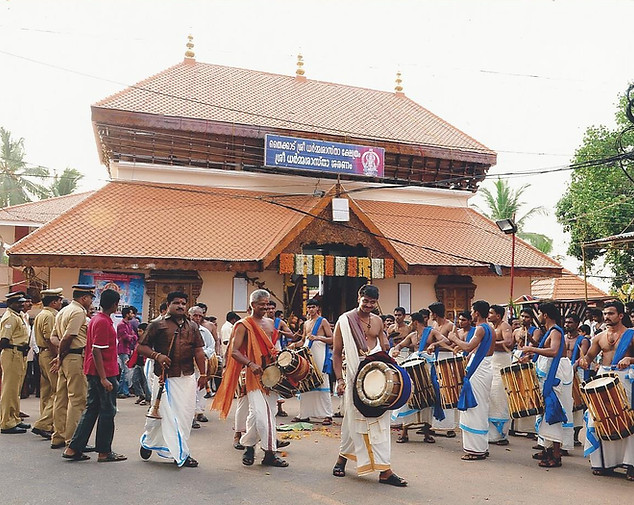
Sastha (Ayyappan) Temple
Sree Dharma Sastha Temple in Thycaud, Thiruvananthapuram, is a centuries-old shrine where the deity manifests as Dhanwanthari, the divine healer, holding the sacred blue lotus.
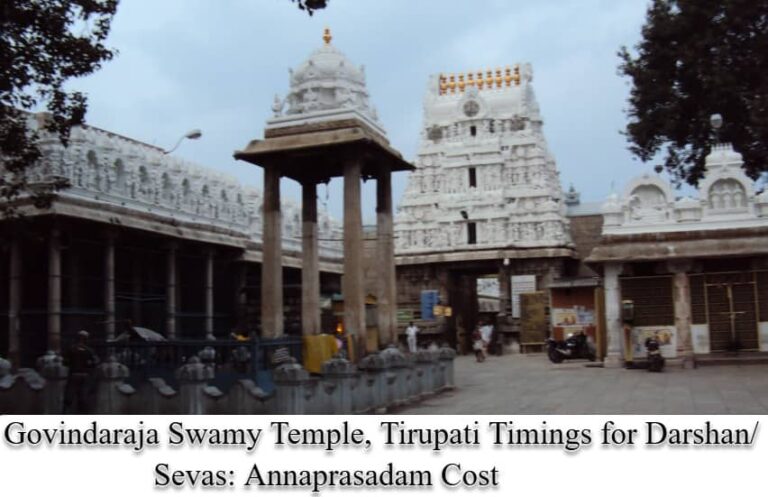
Govindarajaswamy Temple
Sri Govindarajaswamy Temple in Tirupati is an ancient Vaishnavaite shrine consecrated in 1130 AD by Saint Ramanuja, where the presiding deity rests in eternal Yoga Nidra on the serpent Adisesha.