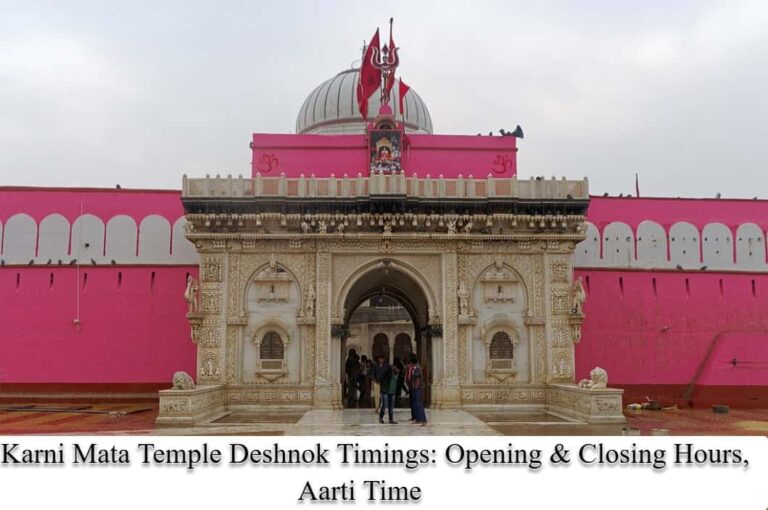
Karni Mata Temple
About Karni Mata Temple
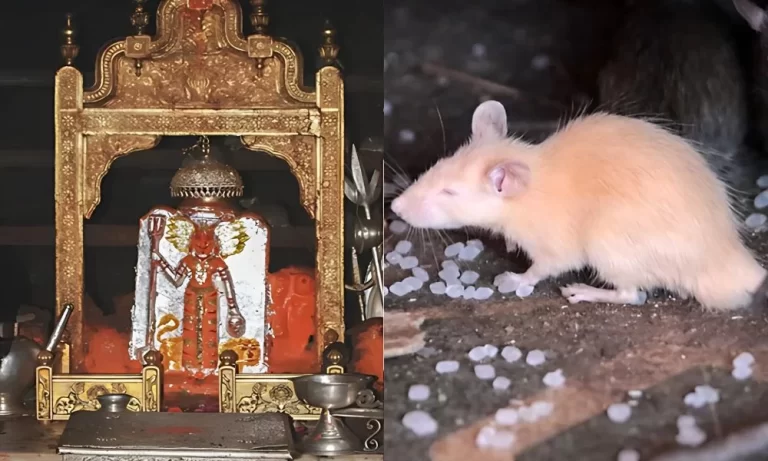
The temple's most distinctive feature is the presence of thousands of rodents known as kābā, which devotees regard as sacred beings rather than ordinary animals. According to the theology upheld at the temple, these rats are understood to be reincarnated ancestors of the Charan community, temporarily in animal form before returning to human birth. White rats hold particular reverence—they are believed to be manifestations of Karni Mata herself and her four sons. Visitors encounter these animals moving freely across the marble floors, along walls, and around milk bowls throughout the temple. The treatment of these creatures reflects what observers have noted as an environmentally conscious approach within Hindu practice, with devotees offering food and care as acts of devotion.
Daily Worship and Darshan
The temple operates continuously from 4:00 AM to 10:00 PM every day without afternoon closure. Five formal aartis (ritual worship ceremonies) structure the day: the Mangala Aarti at 4:00 AM, Bhog Aarti at 8:00 AM, Shringar Aarti at 3:45 PM, Sandhya Aarti at 7:00 PM, and Shayan Aarti at 9:00 PM. The optimal time for darshan—viewing the deity and receiving blessings—is between 5:00 and 7:00 AM. During these early hours, the temple is less crowded, the air remains cool, and the sacred rats are most active following their morning milk feeding. The marble floors are still cool underfoot, and the spiritual atmosphere carries the quietness of dawn. Afternoon hours, particularly between noon and 4:00 PM, are challenging during summer months when Bikaner's heat intensifies and the rats retreat to cooler spaces within the temple. The evening window from 5:00 to 7:00 PM offers a secondary opportunity for darshan, when temperatures drop and the 6:30 PM aarti creates a contemplative atmosphere.
Temple Architecture and History
The temple was established in 1530 and reflects Rajput architectural style. Its construction and development extended across several centuries, with significant contributions from Maharaja Ganga Singh during the 15th through 20th centuries. The structure combines traditional design elements characteristic of Rajasthani temple architecture with the practical layout necessary to accommodate both devotees and the temple's resident animal population.
Visiting Information
Entry to the temple is free and open to all visitors. The temple is located in Deshnoke, approximately 30 kilometers south of Bikaner, accessible via NH89—roughly 45 minutes by road from the city. The best season to visit is October through March, when Rajasthan's climate is cooler and more comfortable for extended time indoors on marble floors. Visitors should dress modestly and remove footwear before entering the inner sanctum, following standard practice at Hindu temples. The temple remains open year-round, including all festival days. No specific dress code restrictions are documented, though respectful attire is appropriate. Visitors should be prepared for close proximity to the sacred rats; the animals pose no threat and move freely among devotees as part of the worship experience.
Navratri and Pilgrimage Calendar
The temple observes Navratri, the nine-day festival honoring the goddess, with a fair held during this period. The 2026 Ashwin Navratri fair is scheduled for October 11–19. During major festivals, the temple draws increased numbers of pilgrims from across India and international visitors seeking blessings and darshan. The continuous daily operation means that pilgrims can visit at any time of year, though festival periods bring heightened spiritual atmosphere and larger gatherings.
How to reach
Temples near Karni Mata Temple
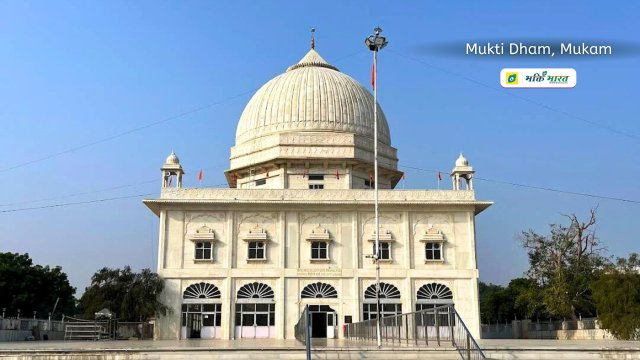
Mukti Dham Mukam
Mukti Dham Mukam is a sacred pilgrimage site in Bikaner district, Rajasthan, revered as the final resting place and samadhi of Guru Jambheshwar, the founder of the Bishnoi commu…
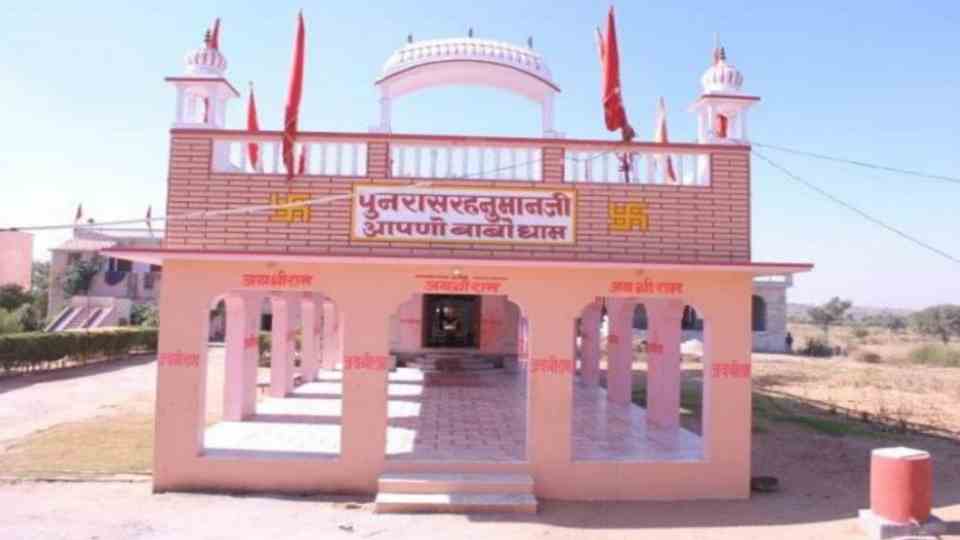
Punrasar Balaji Temple
Punrasar Balaji Temple is an ancient shrine dedicated to Hanuman located in Punrasar village, Bikaner District, Rajasthan. Founded in the 18th century, it has become a major pil…
Jasnath Temple
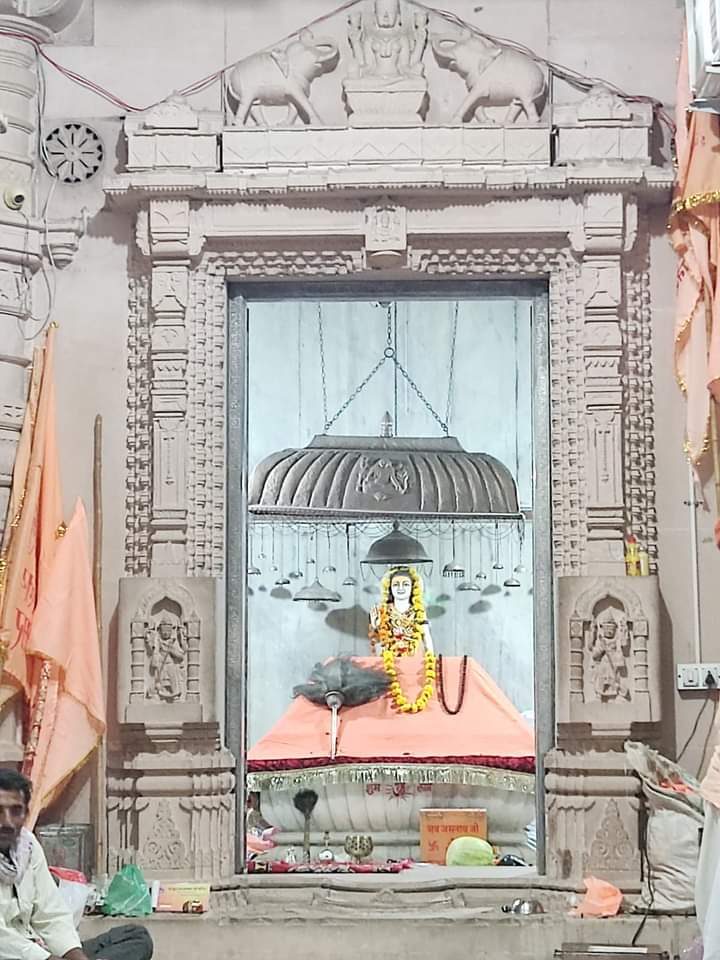
Jasnath Temple in Katariyasar village, Bikaner district, Rajasthan, is a rural shrine representing the spiritual heritage of the region, located 45 km from Junagarh Fort.

Kunjal Mata Temple
Kunjal Mata Temple in Deh village, Nagaur district, Rajasthan, is a significant family shrine dedicated to goddess Kunjal, revered as the kul devi (lineage goddess) of Pareek Br…
Dadhimati Mata Temple
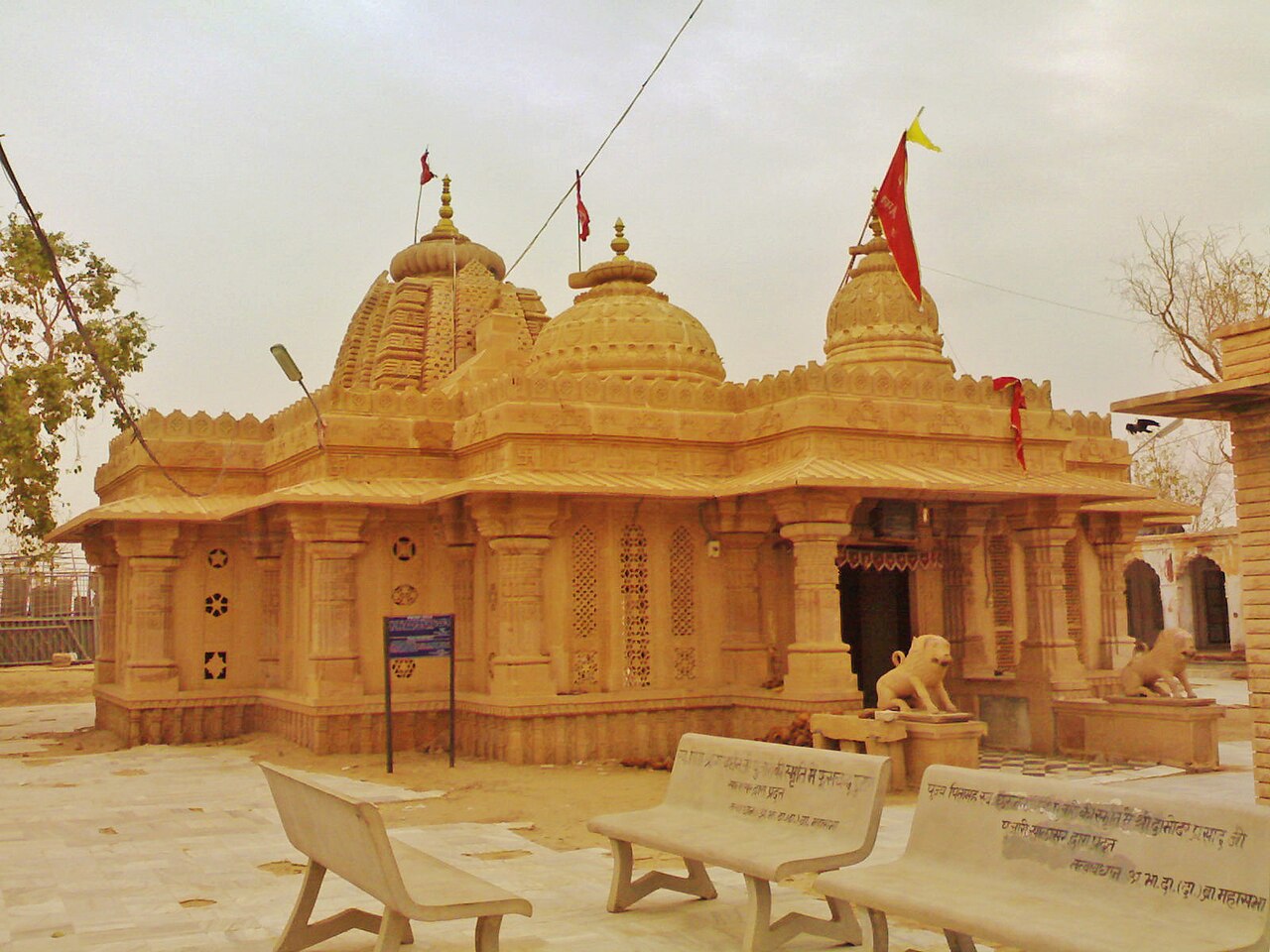
Dadhimati Mata Temple is an ancient Hindu shrine dedicated to the goddess Dadhimati, situated between Goth and Manglod villages in Nagaur district, Rajasthan. Historical inscrip…

Rojhri dham
Rojhri Dham is a sacred complex in Rajasthan dedicated to the worship of Hanuman, the Hindu deity revered for courage, devotion, and spiritual protection.