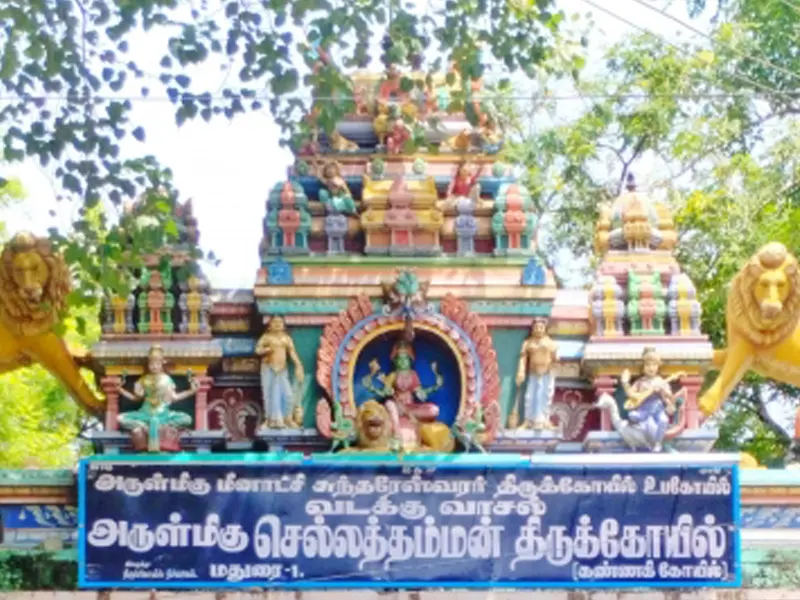
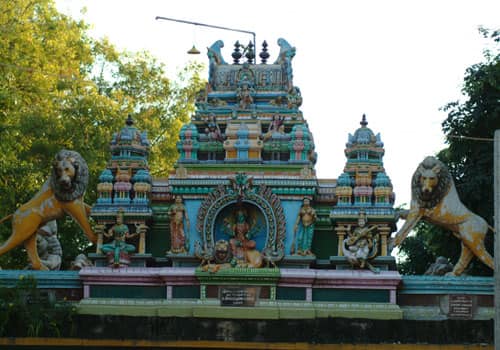
Chelathamman Kannagi Temple
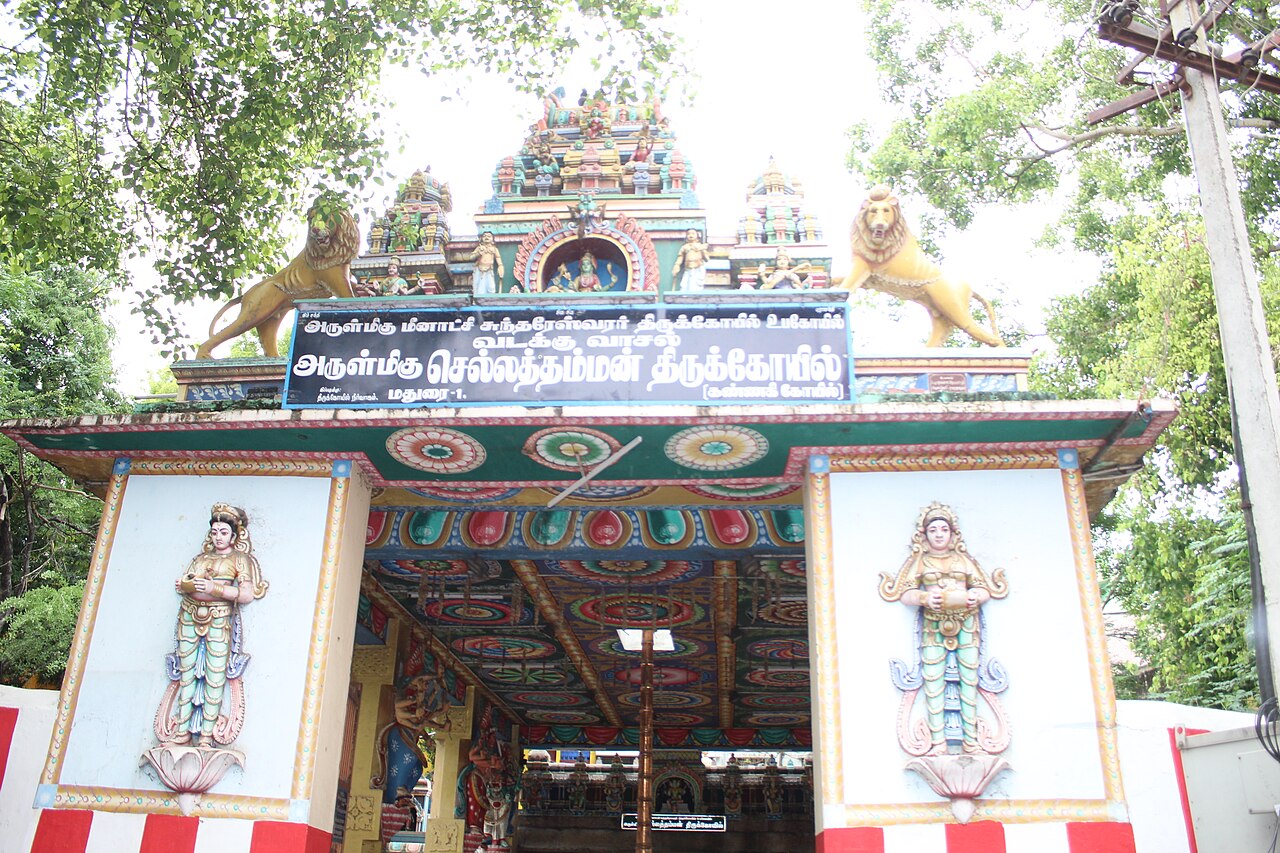
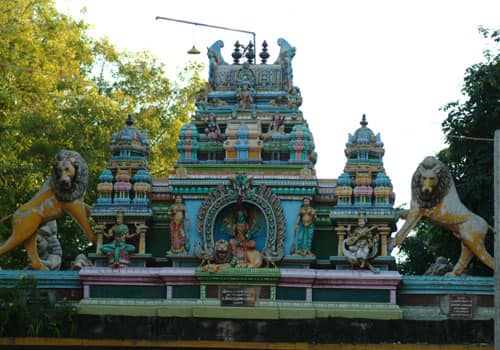
About Chelathamman Kannagi Temple
The temple's origins are connected to the narrative of Kannagi, whose story is preserved in the Cilapathikaram. According to the epic, Kannagi and her husband Kovalan migrated to Madurai from Kaviripoompattinam in the Chola kingdom, seeking to rebuild their fortunes. When Kovalan attempted to sell one of Kannagi's anklets to a goldsmith, a tragic misunderstanding occurred—the goldsmith had previously stolen an anklet belonging to the Pandya queen, and Kovalan was wrongly accused and executed. Kannagi's subsequent actions in the city form the emotional and spiritual core of the epic.
Local tradition holds that a series of fire accidents plagued the area where the temple now stands. These were attributed to the fierce, fire-like energy embodied in Kannagi's idol. King Shenbaga Pandian, seeking to resolve the crisis, received divine guidance in a dream from Lord Shiva, instructing him to install an idol of Mother Parvathi in the temple. Following this counsel, the king installed the goddess and named her Shenbagathu Amman—a name that evolved over time into Chelathamman. This installation transformed the temple's spiritual character, with Chelathamman becoming the primary focus of worship while Kannagi retained her honored place in the shrine.
Daily Worship and Darshan
The temple opens for darshan from 6:00 a.m. to 11:30 a.m. in the morning and from 4:30 p.m. to 8:30 p.m. in the evening. Visitors should note that festival days may have different hours, so it is advisable to confirm timings before visiting. The first puja of the day is offered to Chelathamman, followed by worship of Kannagi, reflecting the established order of veneration at the shrine.
Devotees approach the temple with specific intentions. Women typically worship Kannagi with offerings of a mangal sutra (the sacred marriage necklace) and garlands made from lime fruit. Those seeking relief from the effects of the serpent planets (Rahu and Ketu in Hindu astrology) worship Nagaraja in the outer courtyard, offering milk and turmeric ablutions along with cotton garlands marked with kumkum. Devotees also visit to cultivate inner softness and reduce anger, to seek blessings for marriage, and to strengthen marital bonds. Thanksgiving offerings include abhisheka (ritual bathing) of the goddess and the presentation of new cloth garments.
Festivals and Celebrations
The temple observes three principal festival periods throughout the year. Thai Brahmotsavam, celebrated in January-February, is the most significant festival. During this period, a special wedding celebration takes place when Ambica (Chelathamman) visits the Shiva shrine at the nearby Meenakshi Sundareswarar temple. A silk sari from that shrine is presented to the Mother along with a mangal sutra. Chelathamman then processes through the streets in a decorated chariot the following day, wearing this sacred sari.
Fridays during the month of Aadi (July-August) are also observed as festival days at the temple. Additionally, Navarathri in September-October brings heightened devotional activity. These periods draw increased numbers of worshippers and may feature extended rituals and special observances.
Visiting Information
The temple is located at Sri Chellathamman Kannagi Temple, Simmakkal, Madurai-625001, Tamil Nadu. The coordinates are 9.9240939, 78.1167551. Visitors can contact the temple at +91-98655 82272 for specific inquiries or to confirm timings before arrival, particularly if visiting during festival periods when schedules may vary.
As with most Hindu temples, visitors should dress modestly and respectfully. Shoes are typically removed before entering the inner sanctum. The temple follows Shaktagama traditions in its ritual practices. The sacred tree associated with the temple is the arasu (neem) and vilwa (bael), and the temple's theertham (sacred water) is drawn from the Vaigai river.
How to reach
Temples near Chelathamman Kannagi Temple

Pachyamman Temple, Madurai
Pachyamman Temple is a Hindu shrine located in Arappalayam, Madurai, Tamil Nadu, dedicated to the goddess Pachyamman.
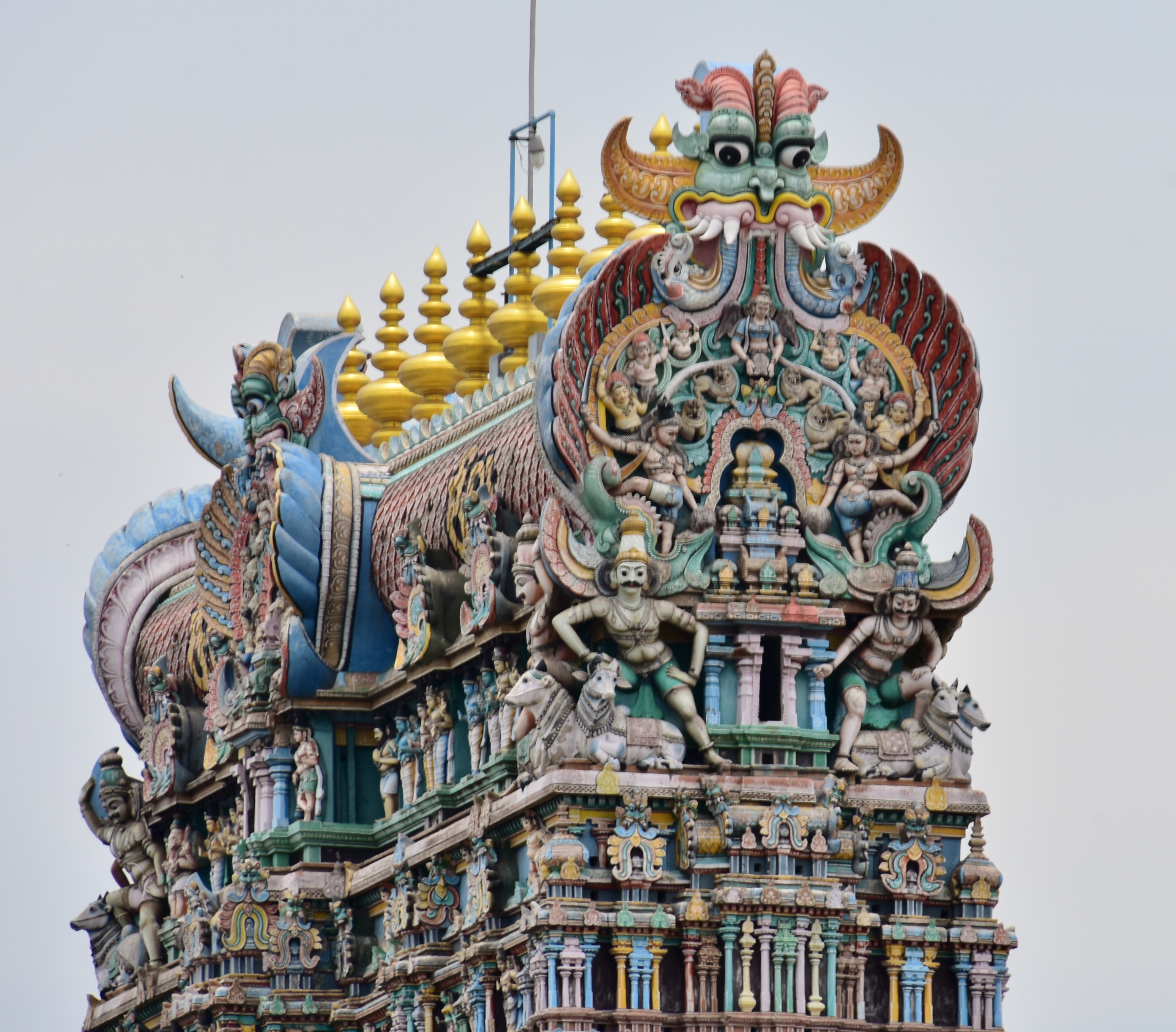
Meenakshi Amman
Meenakshi Amman Temple in Madurai is a 2,500-year-old Dravidian architectural masterpiece dedicated to the goddess Meenakshi and her consort Sundareshwar, featuring 14 towering…
athi Sokkanathar Temple
Sri Aathi Sokkanathar Meenakshi Amman Temple in Madurai is a revered Shiva-Shakti shrine dedicated to Lord Aathi Sokkanathar and Goddess Meenakshi Amman, believed to be among th…
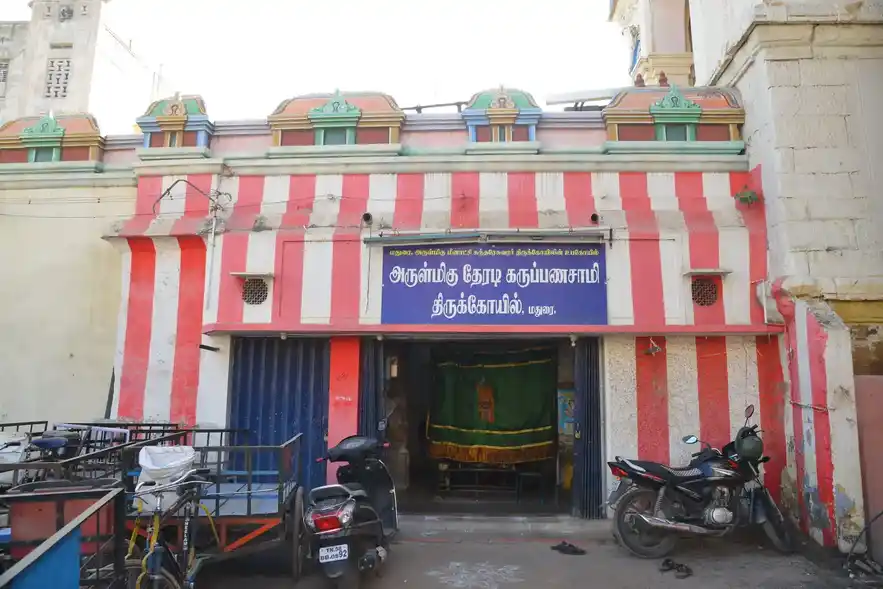
Karuppana Sami Temple
Arulmigu Karuppana Swamy Temple in Madurai's city centre is dedicated to Karuppana Swamy, a guardian deity associated with protection and courage within Tamil devotional tradition.
Thenthiruvalavai Temple Madurai
Thenthiruvalavai Temple in Madurai is an ancient Shiva temple where Lord Yama is believed to have worshipped. It represents the fire element among Madurai's Panchabhutha temples…
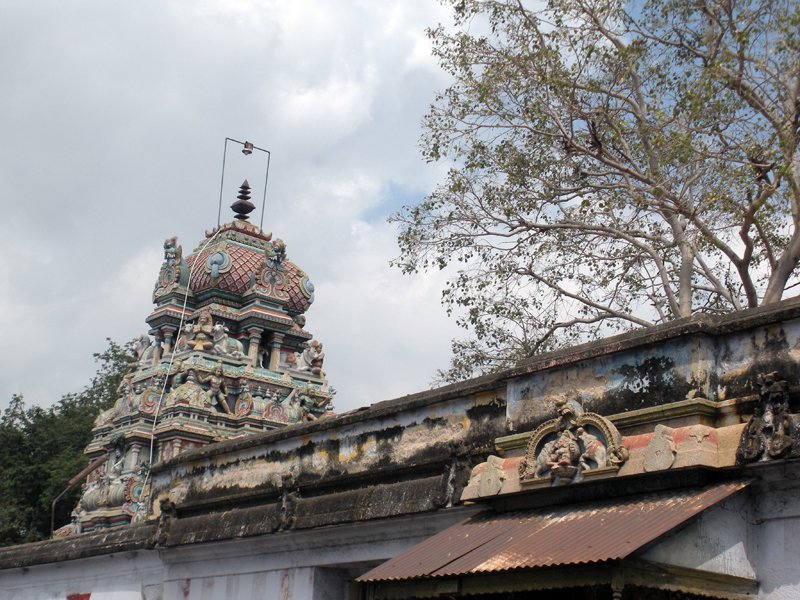
Thiru Aappanoor
Thiru Aappanoor Temple in Madurai is an ancient Shaivite shrine dedicated to Lord Shiva as Aappudayar, tracing its origins to the 7th–8th centuries CE under Pandya patronage.