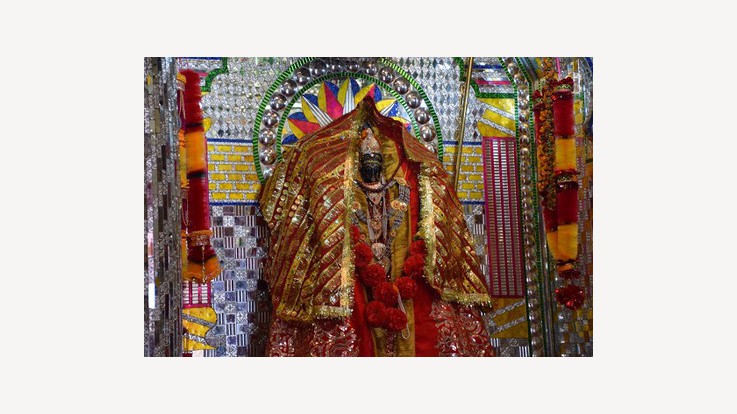

Mata Sarthal Devi Mandir
About Mata Sarthal Devi Mandir
The temple maintains two distinct periods for darshan each day: morning hours from 6:00 AM to noon, and evening hours from 4:00 PM to 8:00 PM. Most visitors complete their worship and prayers within approximately thirty minutes, though the duration varies according to individual practice and the crowds present. Morning visits typically offer a quieter atmosphere for meditation and prayer, making early arrival advantageous for those seeking a more intimate darshan experience. Devotees engage in personal worship according to their own traditions—some sit in silent meditation, others recite prayers or mantras, and many make offerings of flowers, incense, or monetary gifts as expressions of devotion.
Navaratri and the Annual Pilgrimage
The temple observes special ceremonies during Navaratri, the nine-day festival honouring the goddess in her various forms. During this significant period in the Hindu calendar, additional rituals take place to mark the occasion. Beyond the seasonal festivals, the temple draws thousands of pilgrims each year for the Sarthal Yatra, an annual pilgrimage that has become a major religious and social gathering for the surrounding region. This yearly event reflects the deep spiritual connection between the goddess and her devotees, bringing people together in shared worship and community.
When to Visit
The optimal season for visiting extends from October through March. During these months, the Himalayan climate is generally stable and favourable for travel. Temperatures are cooler, skies tend to be clearer, and the overall conditions make both the journey and the temple experience more comfortable. Visitors planning to attend the Sarthal Yatra should note that this annual event draws large numbers of pilgrims, which may affect local accessibility and accommodation availability. Those travelling during other seasons should be prepared for more challenging weather conditions in the mountains.
Practical Information for Visitors
The temple is located in Sarthal village, approximately 20 kilometres from Kishtwar town. Access is available via National Highway 1B, with local bus services connecting Kishtwar to the temple site. The nearest railway station is at Kishtwar, also roughly 20 kilometres away. Jammu Airport, the nearest major airport, lies approximately 200 kilometres distant. Visitors should dress modestly and respectfully, as is customary at Hindu temples. Comfortable walking shoes are recommended given the terrain. The mountain climate can be cool, particularly during early morning and evening hours, so layered clothing is practical. Carry water and any personal medications you may need.
Temple Etiquette and Conduct
Remove your footwear before entering the inner sanctum. Maintain quiet and respectful behaviour throughout the temple premises. Photography policies vary—confirm these upon arrival. Devotees typically make offerings according to their means and inclination, whether flowers, incense, or monetary donations. Specific information about on-site facilities such as rest areas, refreshment options, or accommodation is not detailed in available sources. Visitors should plan accordingly and make local enquiries before arrival, particularly if travelling from a distance.
Getting There and Planning Ahead
Before departing for the temple, check current travel advisories and road conditions, as mountain weather can change rapidly and affect access routes. Consider combining your visit with exploration of the surrounding Himalayan region, which offers natural beauty and cultural experiences beyond the temple itself. If you plan to participate in the Sarthal Yatra, allow extra time for the larger crowds and potential impacts on local conditions. The journey from Kishtwar is manageable by road, but advance planning ensures a smoother pilgrimage experience.
How to reach
You may also visit
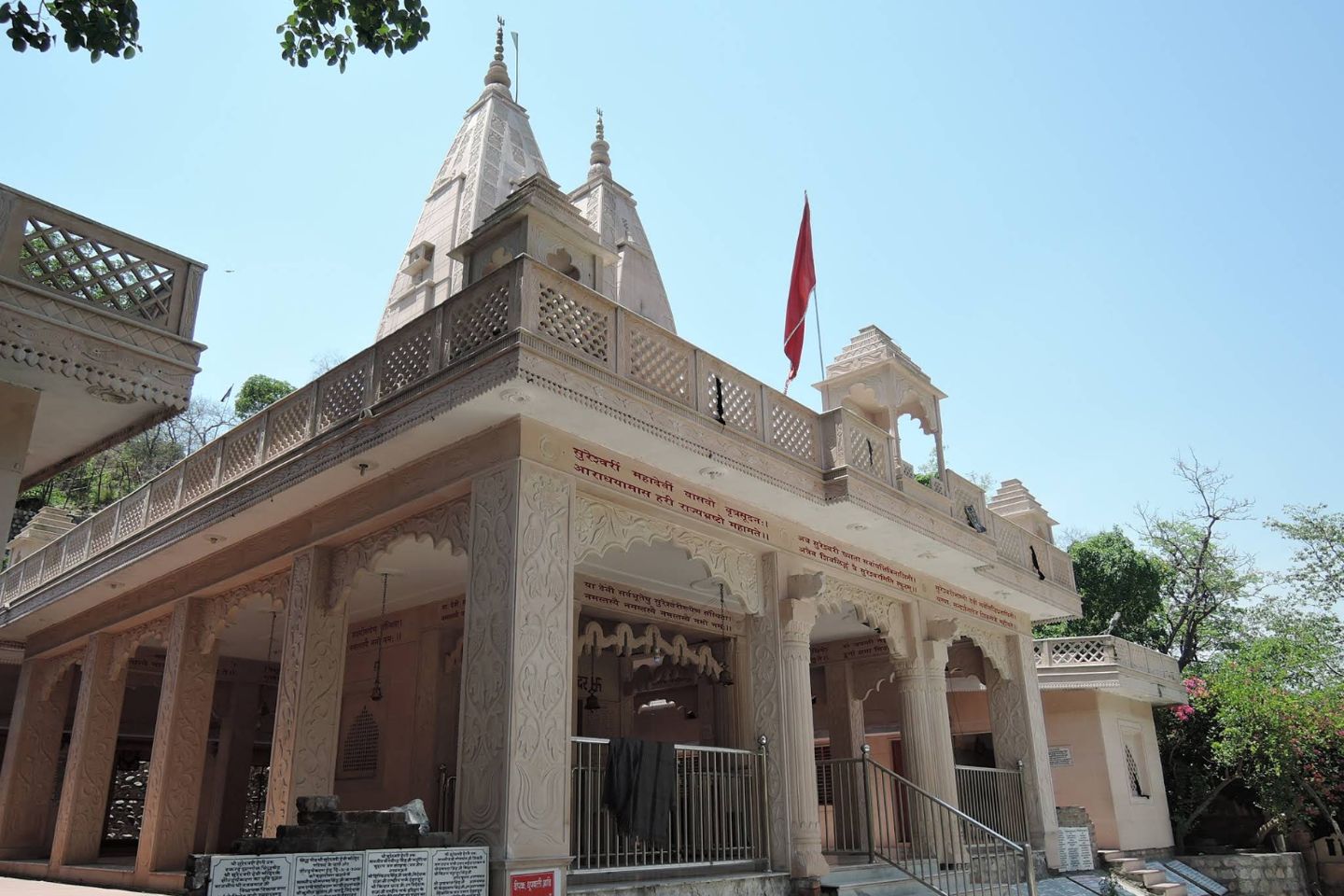
Sureshwari Devi Temple
Sureshwari Devi Temple in Haridwar is a forest shrine dedicated to the goddess, situated within the Ranipur Range area near Rajaji National Park, offering a secluded spiritual e…
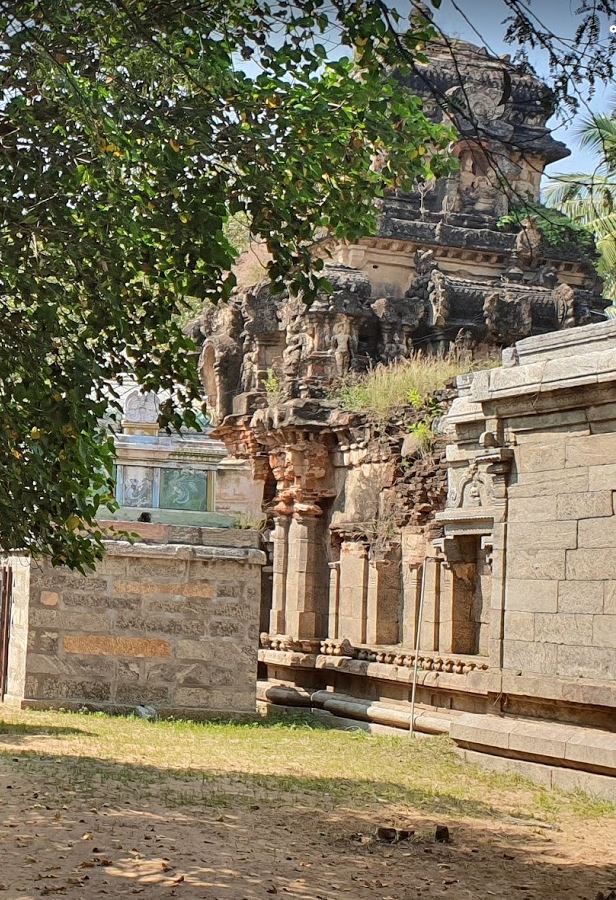
Agatheeswarar Temple, Karur
Agatheeswarar Temple in Thirumukkudalur, Karur district, is an ancient Hindu shrine dedicated to Shiva, situated at the sacred confluence of three rivers and believed to be over…

Shani Shingnapur
Shani Shingnapur is a renowned temple in Maharashtra dedicated to Lord Shani, featuring a self-emerged black stone idol worshipped under open sky. The temple is located in a uni…
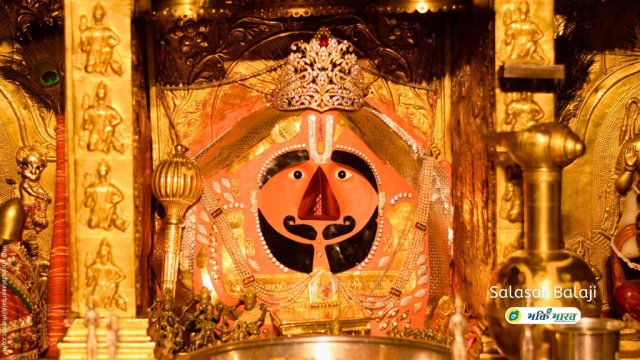
Salasar Balaji Temple
Salasar Balaji Temple in Churu district, Rajasthan, is a revered shrine dedicated to Lord Hanuman, distinguished by its unique depiction of the deity with a round face, beard, a…
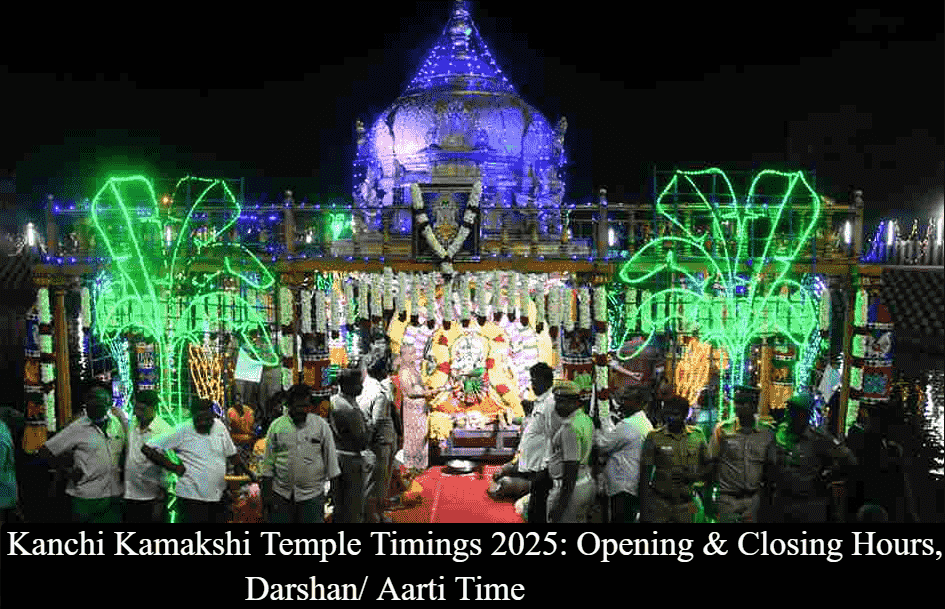
Kamaksha
Arulmigu Kamakshi Amman Temple in Mangadu, near Chennai, is dedicated to the goddess Kamakshi, an aspect of Adi Parashakti. According to legend, the goddess performed austeritie…
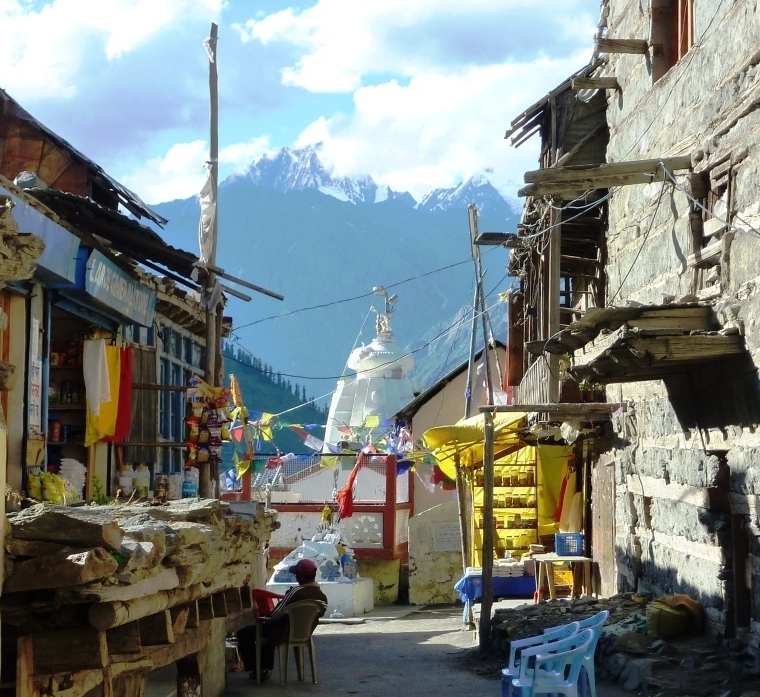
Trilokinath Temple at Tunde
The Trilokinath Temple in Tunde is an ancient shrine venerated by both Hindus and Buddhists, situated at 2,760 metres in the Lahul and Spiti District of Himachal Pradesh. Hindus…