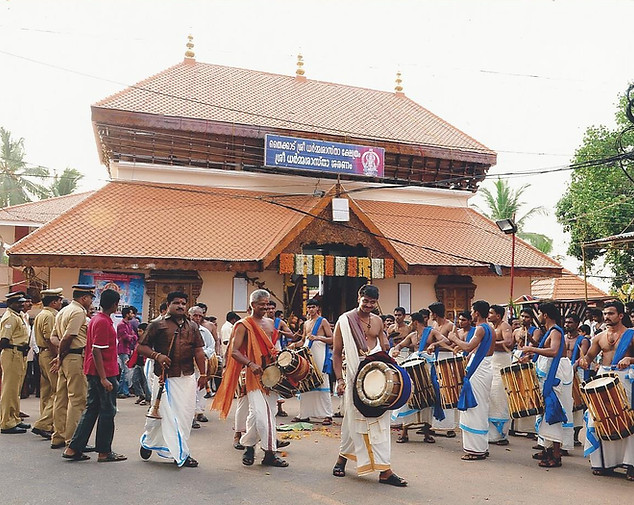
Marhia Temple
About Marhia Temple
The Ken river forms the natural and spiritual context for this temple. Visitors to riverside temples in India commonly engage in ritual bathing as part of their pilgrimage practice, and the river's presence here offers that opportunity alongside temple worship. The integration of the flowing water with the shrine creates a complete sacred environment—the river itself becomes part of the devotional experience rather than merely a geographical feature.
The Jabalpur district sits in central India's landscape of rivers and forests. The Ken flows through terrain that has long held religious significance for Hindu communities, and temples positioned on its banks serve both as places of worship and as markers of sacred geography for pilgrims traveling through the region.
Visiting the Temple: Dress and Etiquette
Visitors should dress modestly when approaching Marhia Temple, covering shoulders and knees as is customary at Hindu places of worship. Leather items are typically not worn inside temple sanctums. Footwear should be removed before entering the inner shrine, and visitors should maintain respectful silence during worship periods and follow any instructions given by temple staff regarding darshan—the viewing and receiving of blessings from the deity.
The riverside setting may invite ritual bathing in the Ken river before or after temple worship. Those planning to bathe should come prepared with appropriate clothing and be mindful of local conditions and any guidance from temple authorities. As with all pilgrimage sites, visitors should inquire locally about photography policies, as these vary by temple and by the specific areas within the shrine.
Daily Worship and Darshan
As a Vamana temple following Vishnu worship traditions, Marhia Temple maintains daily morning and evening rituals, though the specific timings and detailed ceremonies observed are not documented in readily available sources. Visitors planning their visit should inquire locally about exact darshan hours and any special worship times that may affect access to the sanctum.
Temple staff can provide guidance on the best times to visit for darshan and can answer questions about any ongoing rituals or observances. The temple's riverside location means that visiting at different times of day may offer different experiences—early morning visits often coincide with primary worship rituals, while later hours may be quieter for personal devotion.
Best Times to Visit
The cooler months from October through March represent the most comfortable season for visiting Marhia Temple. Central India's climate during these months allows for easier travel and more pleasant conditions for outdoor activities such as ritual bathing in the Ken river. The summer heat and monsoon rains of other seasons can make pilgrimage travel more challenging.
Planning a visit during these months also aligns with the broader pilgrimage calendar across central India, when many devotees undertake journeys to sacred sites. Local festivals and observances may draw larger crowds during certain periods; inquiring ahead about any upcoming celebrations can help visitors plan accordingly.
Reaching Marhia Temple
Marhia Temple is located in Jabalpur district, Madhya Pradesh. Jabalpur is a significant city in central India with road and rail connections. Visitors should plan their route to the temple's specific location within the district and may wish to inquire locally about the best approach from major transport hubs. The riverside setting means the temple may be reached by road leading to the Ken river's banks.
Those traveling to the region should allow time for local inquiry about current road conditions and any seasonal variations that might affect access, particularly during monsoon months when river levels rise.
How to reach
You may also visit
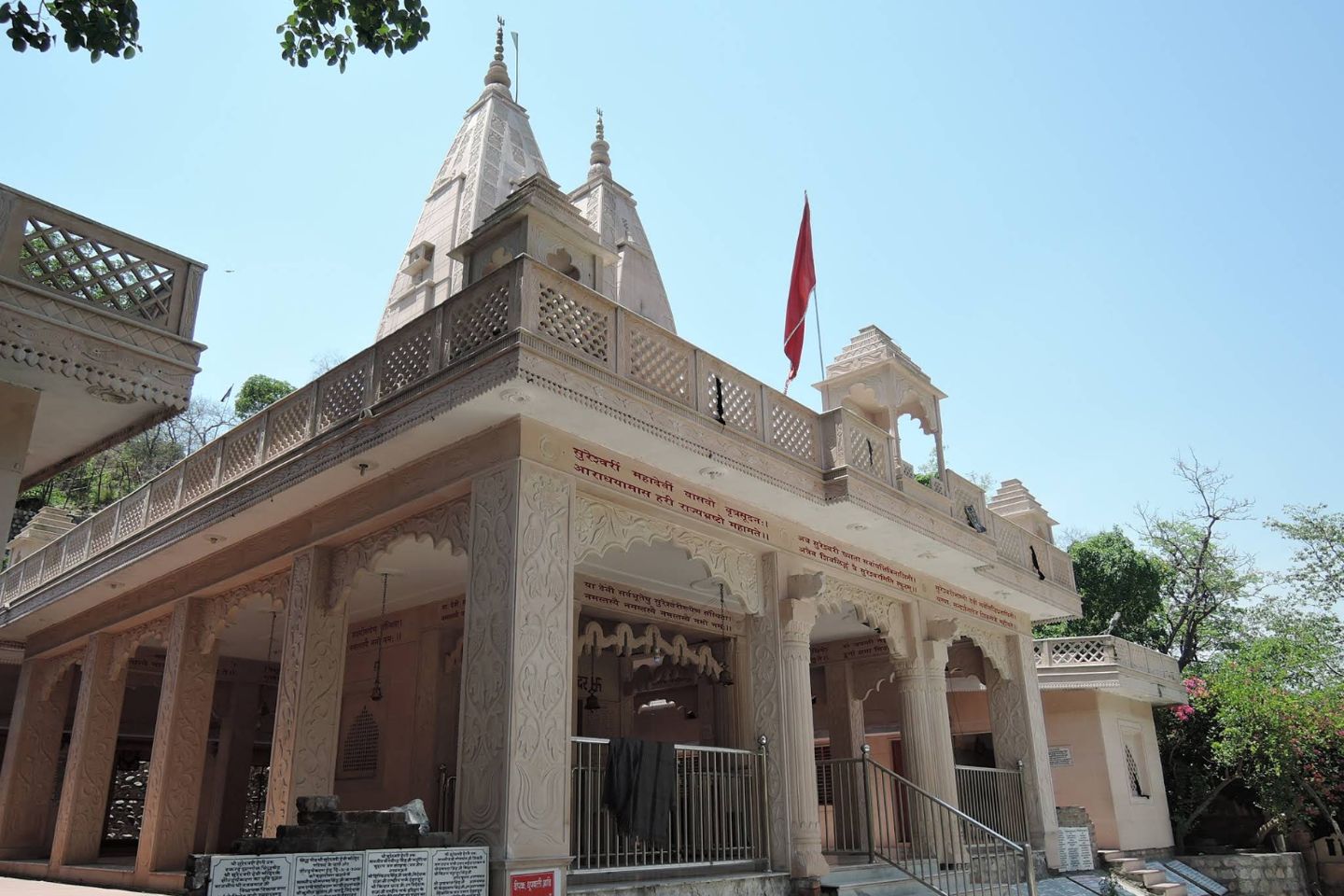
Sureshwari Devi Temple
Sureshwari Devi Temple in Haridwar is a forest shrine dedicated to the goddess, situated within the Ranipur Range area near Rajaji National Park, offering a secluded spiritual e…
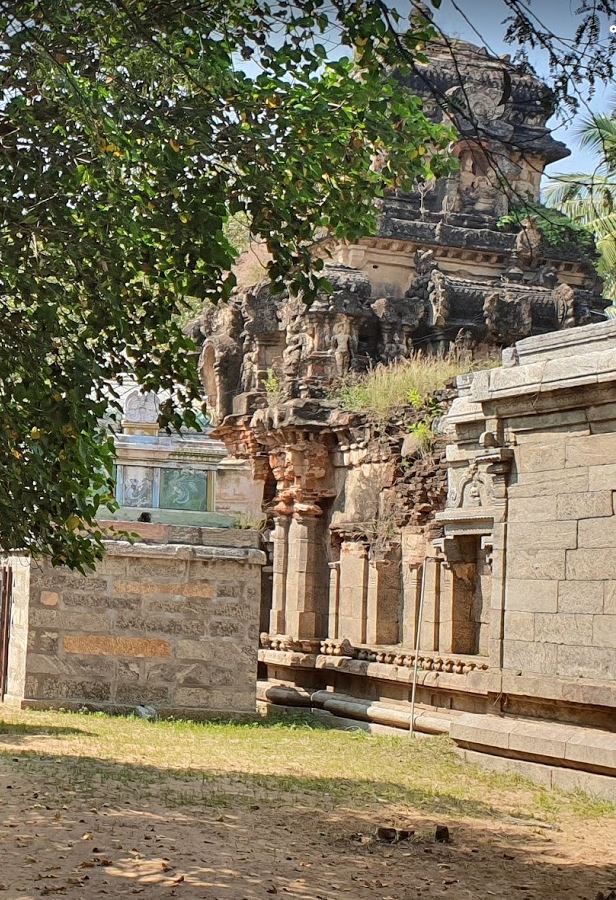
Agatheeswarar Temple, Karur
Agatheeswarar Temple in Thirumukkudalur, Karur district, is an ancient Hindu shrine dedicated to Shiva, situated at the sacred confluence of three rivers and believed to be over…

Shani Shingnapur
Shani Shingnapur is a renowned temple in Maharashtra dedicated to Lord Shani, featuring a self-emerged black stone idol worshipped under open sky. The temple is located in a uni…
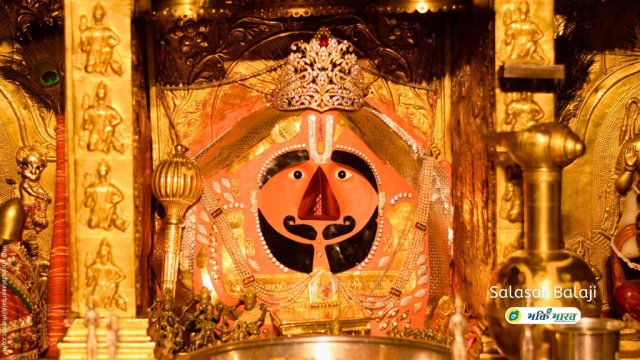
Salasar Balaji Temple
Salasar Balaji Temple in Churu district, Rajasthan, is a revered shrine dedicated to Lord Hanuman, distinguished by its unique depiction of the deity with a round face, beard, a…
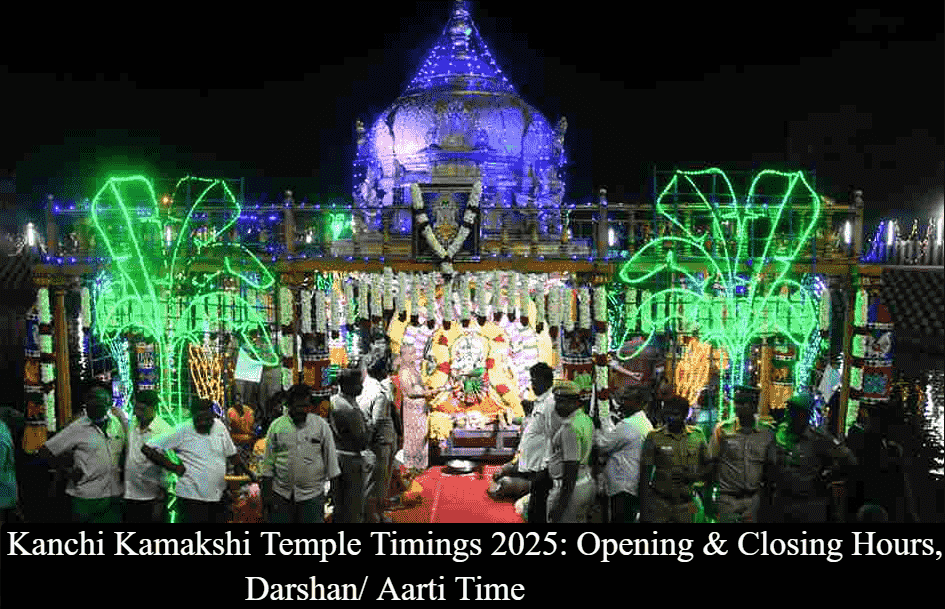
Kamaksha
Arulmigu Kamakshi Amman Temple in Mangadu, near Chennai, is dedicated to the goddess Kamakshi, an aspect of Adi Parashakti. According to legend, the goddess performed austeritie…
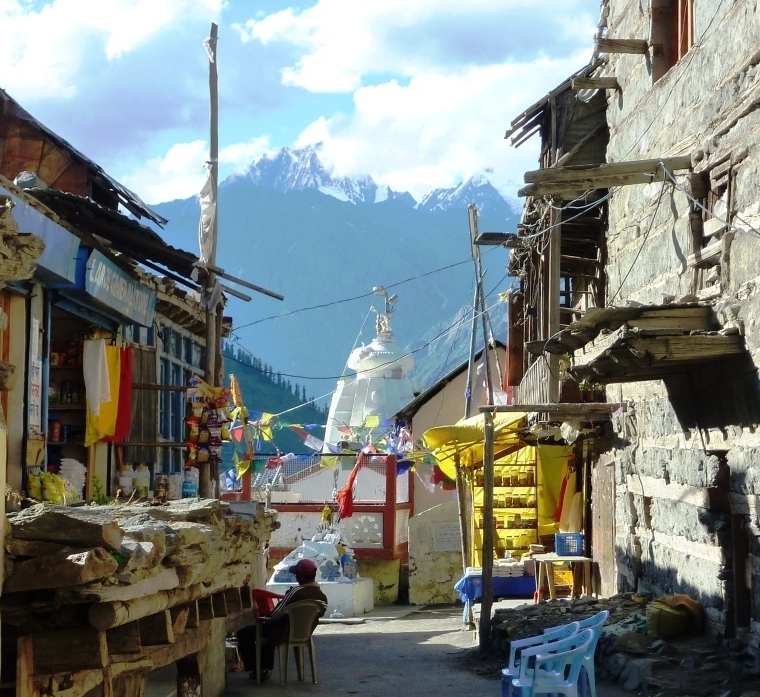
Trilokinath Temple at Tunde
The Trilokinath Temple in Tunde is an ancient shrine venerated by both Hindus and Buddhists, situated at 2,760 metres in the Lahul and Spiti District of Himachal Pradesh. Hindus…